











![10 Best Floor Lamp for Reading [2026 Review]](http://www.homebaa.com/cdn/shop/articles/banner_c990b0a4-4743-4902-b6be-5609f7a21a90.webp?v=1766393057&width=400)



![How to Choose the Coffee Table Height? [2026 Newest Guide]](http://www.homebaa.com/cdn/shop/articles/coffee-table-height_2a1fd127-359f-4d5f-9ac1-3b232c7092a9.webp?v=1788166652&width=400)


A coffee table anchors the seating area, gives you a place for coffee and books, fills the visual space between the sofa and rug, and can solve everyday storage problems. The right one makes a living room feel finished; the wrong one can make it feel cramped or difficult to use.
If you are wondering how to pick a coffee table, start with the way your living room works rather than with a trend or a color. Measure the seating, understand the walking paths, decide what the table needs to hold, and then choose a shape and material that support your lifestyle. A beautiful coffee table should still leave enough room to walk, sit, stretch out, and clean comfortably.
This guide explains how to choose a coffee table for a sofa, sectional, apartment, family room, or open-concept space. Learn the essential dimensions, clearances, heights, shapes, and features to compare before ordering.
Quick answer: Choose a coffee table about two-thirds the length of your sofa, keep it about 16 to 18 inches from the seating, and aim for a height close to the sofa seat or slightly lower. Then adjust for your room shape, circulation, and daily needs.
Quick Jump Links
- 1. Measure Your Living Room First
- 2. Choose the Right Coffee Table Size
- 3. Find the Best Coffee Table Height
- 4. Choose a Shape That Fits Your Seating
- 5. Protect Walking Space and Sightlines
- 6. Compare Coffee Table Materials
- 7. Decide Whether You Need Storage or a Lift Top
- 8. Match the Table to Your Interior Style
- 9. Homebaa Coffee Table Collections and Product Picks
- 10. Final Coffee Table Buying Checklist
- FAQ
1. Measure Your Living Room Before You Shop
The easiest way to choose the wrong coffee table is to shop by appearance alone. A table can look perfect online and still be too wide for your sofa, too tall for your seat cushions, or too large for the path between the living room and kitchen. Measure the room in inches before comparing finishes or table legs.
Measure the sofa or sectional
Write down the outside length of the sofa, the depth of the seating, and the height of the seat cushion. For a sectional, measure the longest side and the open area inside the “L” or “U.” Remember to include the arms, chaise, and any reclining mechanism.
Measure the rug and the main walkway
A coffee table usually sits on or partly over the area rug. Note the rug’s length and width so the table does not look oversized for the floor covering. Then identify the routes people use most: the path to the sofa, the doorway, the media console, and nearby dining or kitchen areas. A coffee table should support the room’s layout, not create a new obstacle.
Create a temporary outline
Use painter’s tape on the floor to mark the approximate footprint. Place a box or stack of books inside the outline if you want to test height. Sit on every seat, reach toward the center, and walk around the edge. If the outline feels tight now, the final piece will not feel comfortable.
2. Choose the Right Coffee Table Size
The best coffee table size is the one that feels useful without overpowering the seating. Many living rooms benefit from a table that is approximately two-thirds the length of the sofa. This proportion leaves some visual breathing room on each side while giving most seats access to the tabletop.
For example, a 90-inch sofa often pairs well with a coffee table around 54 to 60 inches long. A 72-inch apartment sofa may work with a table between 42 and 50 inches long. These are starting points, not rigid rules. A narrow room may need a shorter, shallower table, while a deep sectional can support a larger design.
How big should a coffee table be for a sectional?
For a sectional, compare the table to the open interior of the seating rather than only to the longest sofa side. A rectangular or oval coffee table should usually be shorter than the inside length of the sectional and narrow enough to preserve comfortable passage along the chaise. If the table fills the entire opening, every movement around it becomes awkward.
For a U-shaped sectional, a square or large round coffee table can work if the interior opening is generous. For an L-shaped sectional with a chaise, an oval or rectangular table often provides more usable surface while keeping the corners from feeling harsh.
Small living room coffee table dimensions
In a studio, apartment, or narrow living room, a compact table is usually more successful than a miniature version of a large traditional table. Look for a round table around 28 to 36 inches wide, a narrow rectangular table, or a nesting set that can separate when guests arrive. Glass or open bases can also reduce visual weight, although households with young children may prefer smooth wood or stone-look surfaces instead.
Large living room coffee table dimensions
A large living room can handle a substantial table, but more surface area is useful only if the seating can reach it. Over-sizing creates a visual island and can make the sofa feel farther away. For entertaining, two nesting tables or a second tier may be more flexible than one oversized slab.
Proportion check: place the table in the center of the taped footprint. If the edges extend almost to the sofa arms or chaise, reduce the length or depth. If the table looks lost inside the seating, increase the size or consider a nesting set.
3. Find the Best Coffee Table Height
Coffee table height affects both comfort and the way the entire seating area looks. A good starting point is to choose a tabletop that is the same height as the sofa seat or up to about two inches lower. This makes it easy to set down a drink, reach for a book, or style the table without leaning awkwardly.
For many US sofas, that means a coffee table between 16 and 18 inches high. Low-profile sofas may need a table around 13 to 16 inches, while a taller, more upright sofa can work with a table closer to 18 to 20 inches. Always measure your actual seat cushion because sofa proportions vary widely.
When a taller coffee table makes sense
A taller coffee table can be useful in a room where the sofa has a high seat, where people frequently eat from the table, or where the table also needs to function as a casual work surface. A lift-top coffee table may rise higher when needed, but check the raised position so it does not collide with the sofa or block the television view.
When a lower coffee table is better
A low table works well with deep lounge sofas, low modular seating, floor cushions, and relaxed modern interiors. It creates a calm horizontal line and keeps the center of the room visually open. The tradeoff is reach: if the tabletop is much lower than the seat, it may be less comfortable for everyday snacks, laptops, or family games.
Consider the tabletop thickness
Two tables can have the same listed height but feel very different. A thick stone or wood top reduces the open space beneath the table, while a slim top and airy base can feel lighter. If you are deciding between two similar coffee table dimensions, compare the thickness of the top, the base shape, and the amount of visible floor underneath.
4. Choose a Shape That Fits Your Seating
Coffee table shapes should respond to the shape of the sofa, the room, and the movement around it. There is no single best coffee table shape for every living room. The right choice usually balances geometry with safety and access.
Rectangular coffee tables
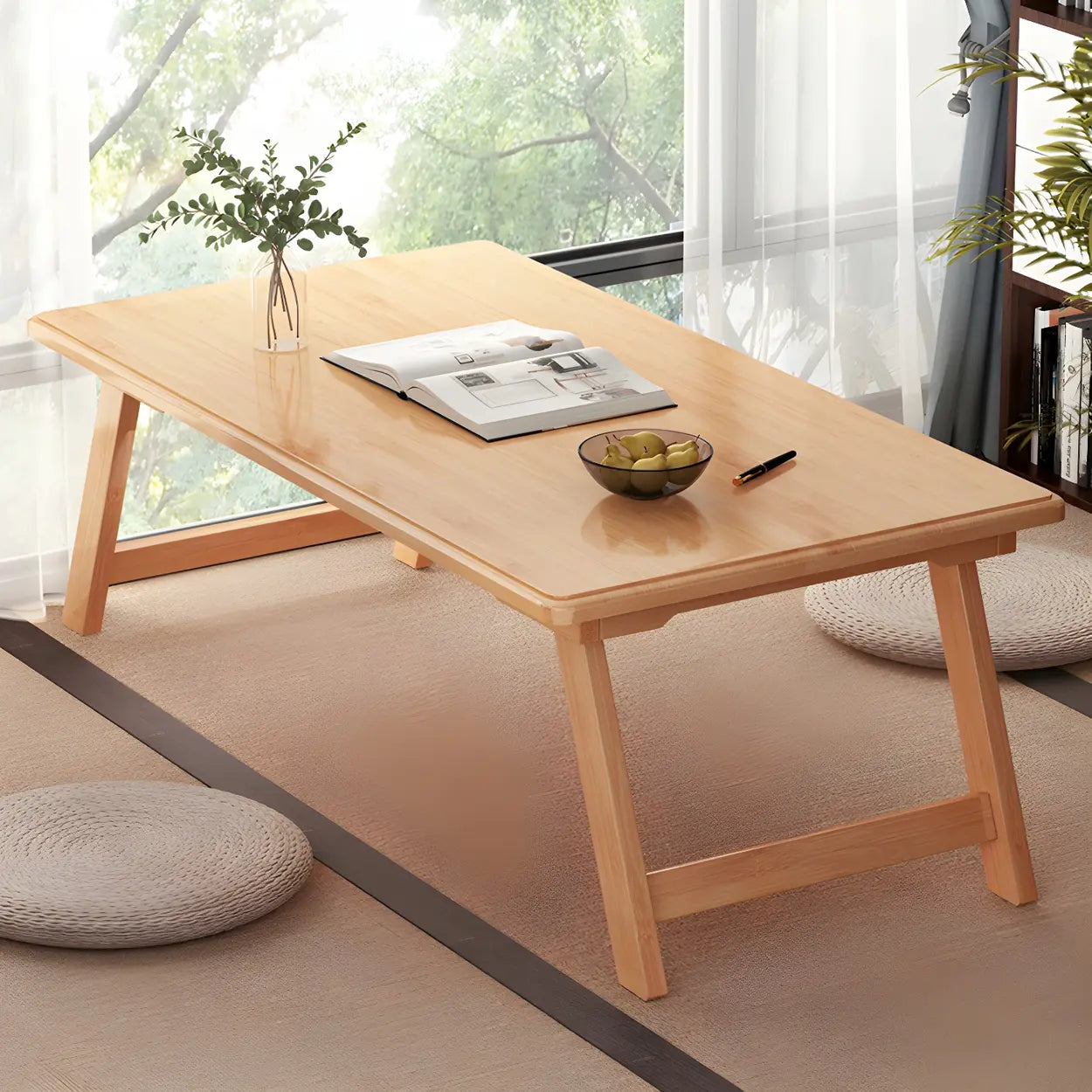
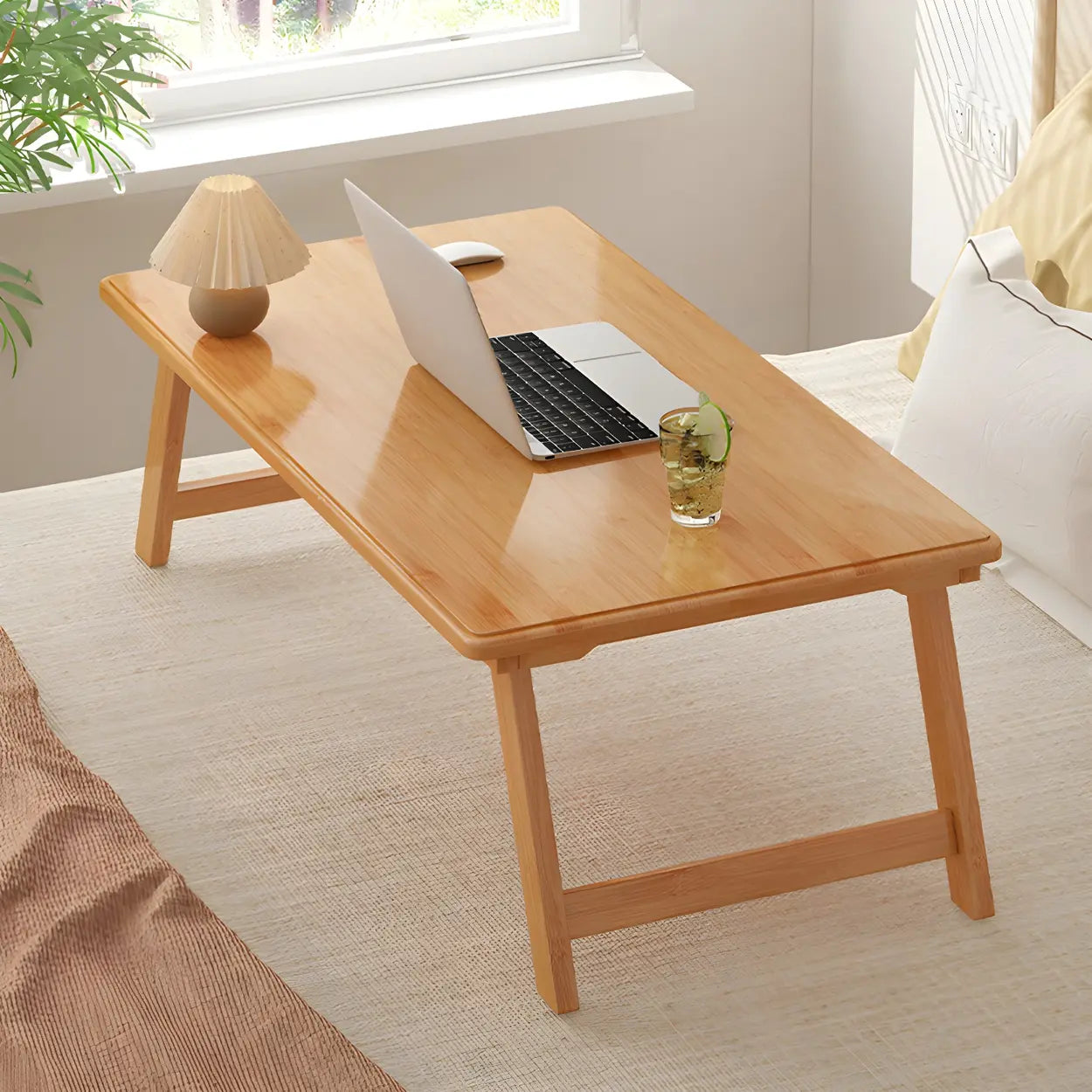
A rectangular coffee table is the classic choice for a standard sofa because it follows the sofa’s long horizontal line. It provides generous space for trays, books, remotes, and decorative objects. A rectangle is especially practical in a long living room, in front of a straight sofa, or when several seats need to reach the table.
The main drawback is the corners. Leave enough room to walk around them, and consider a design with softened corners if the table sits in a high-traffic area.
Oval coffee tables
An oval table provides much of the surface area of a rectangle with a softer outline. The curved ends make it easier to move around, which can be helpful in a narrow room or an open-concept layout. Oval tables also pair naturally with long sofas and sectionals because they echo the horizontal shape without adding sharp corners.
Round coffee tables
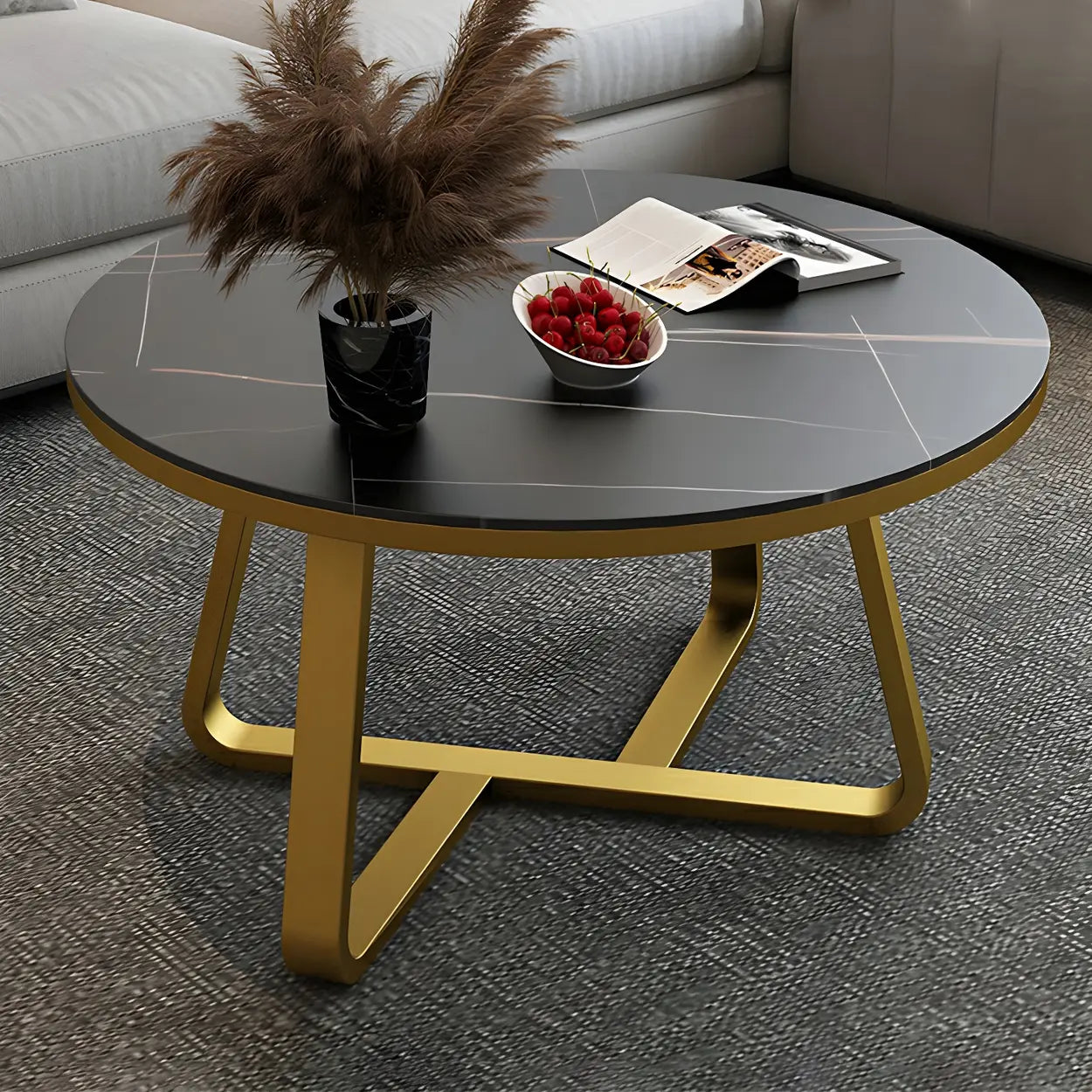
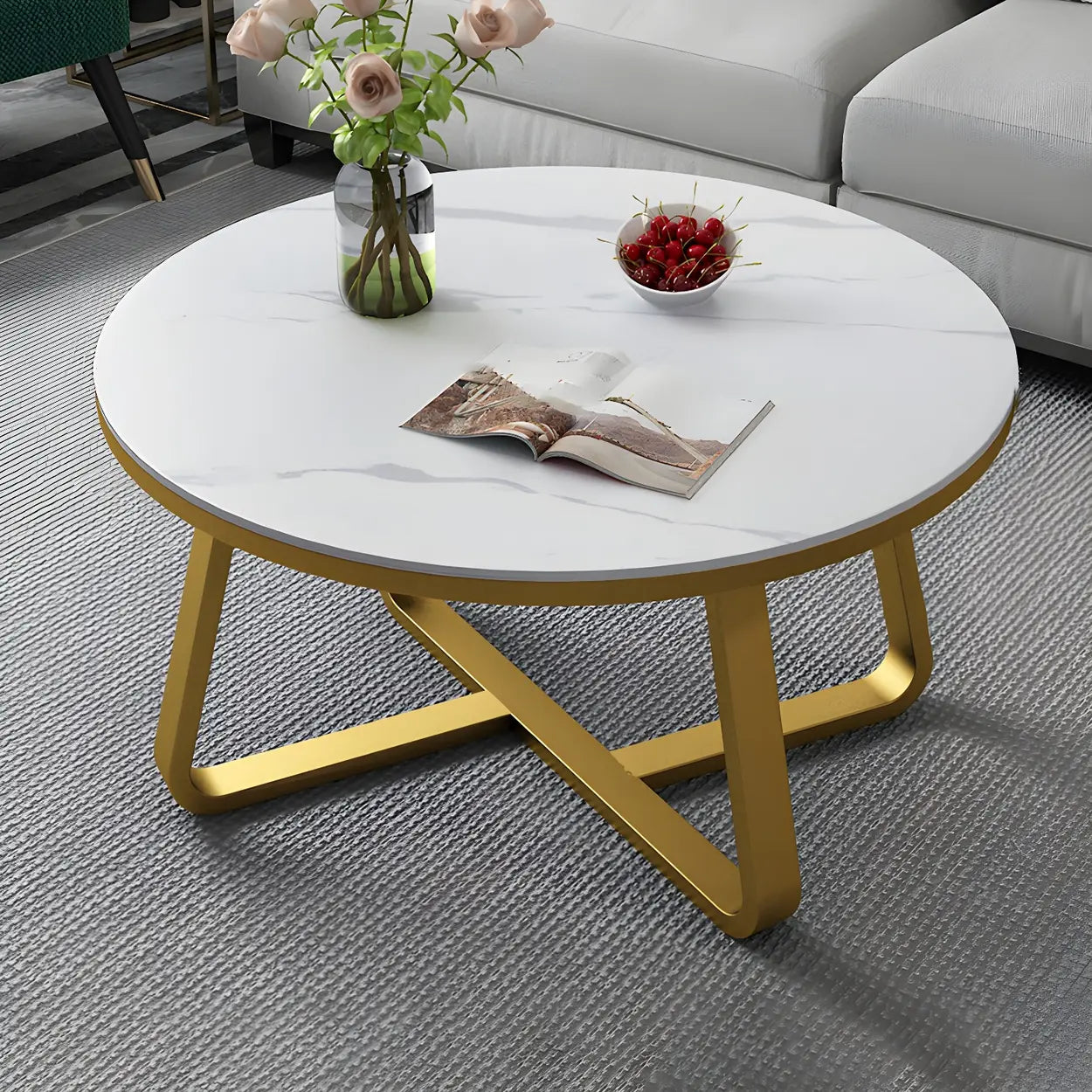
Round coffee tables are easy to place in compact seating arrangements, conversation areas, and rooms with curved furniture. They encourage a more central, social layout because every seat faces the same point. Round tables are also helpful when a living room has several pathways around the seating, since there are no corners to catch clothing or interrupt the flow.
Square coffee tables
A square coffee table can look balanced with a large sectional, two sofas facing each other, or a symmetrical room. It offers a generous surface area but needs more open floor space than a round design. Before choosing one, make sure the corners will not push too close to the sofa, ottoman, or primary walkway.
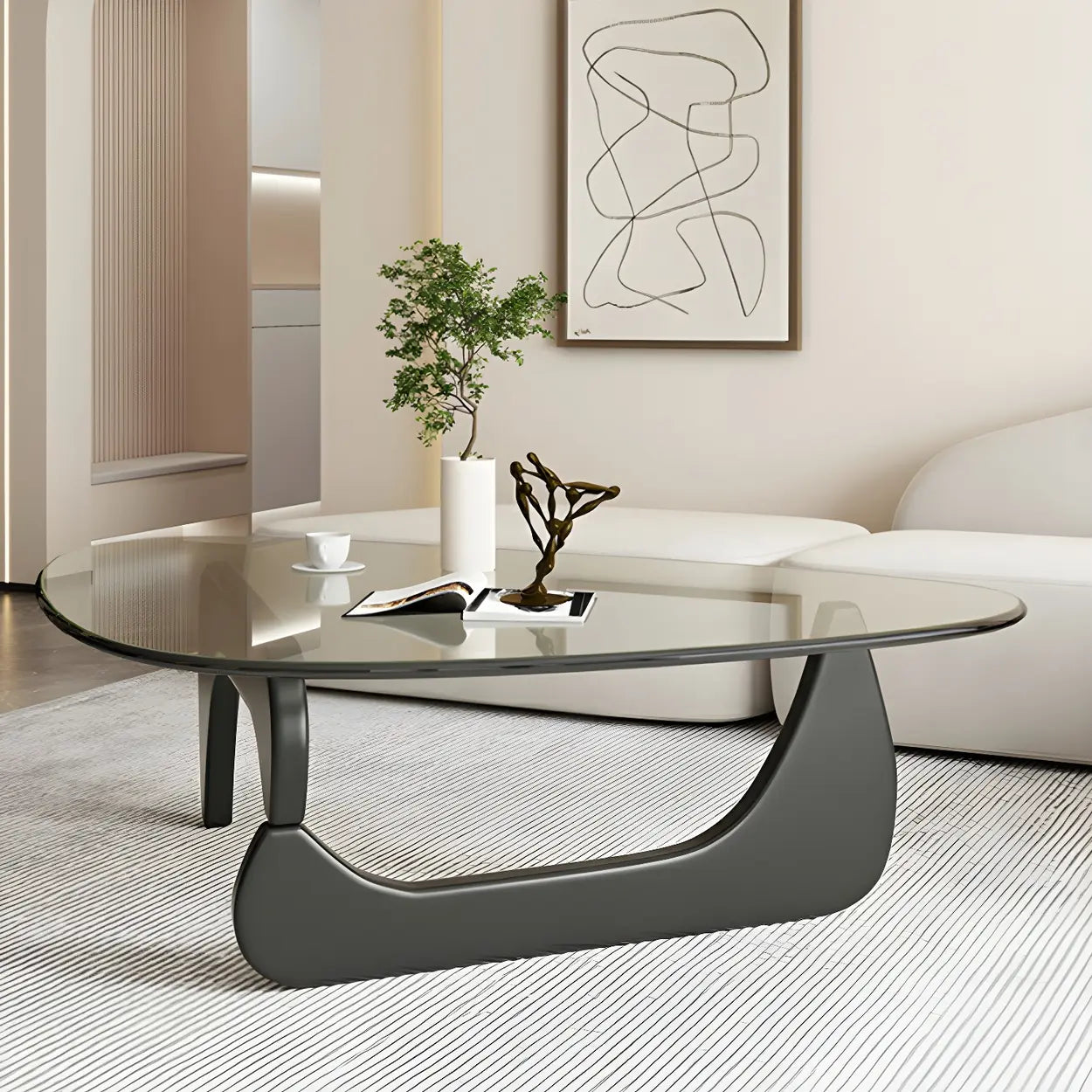
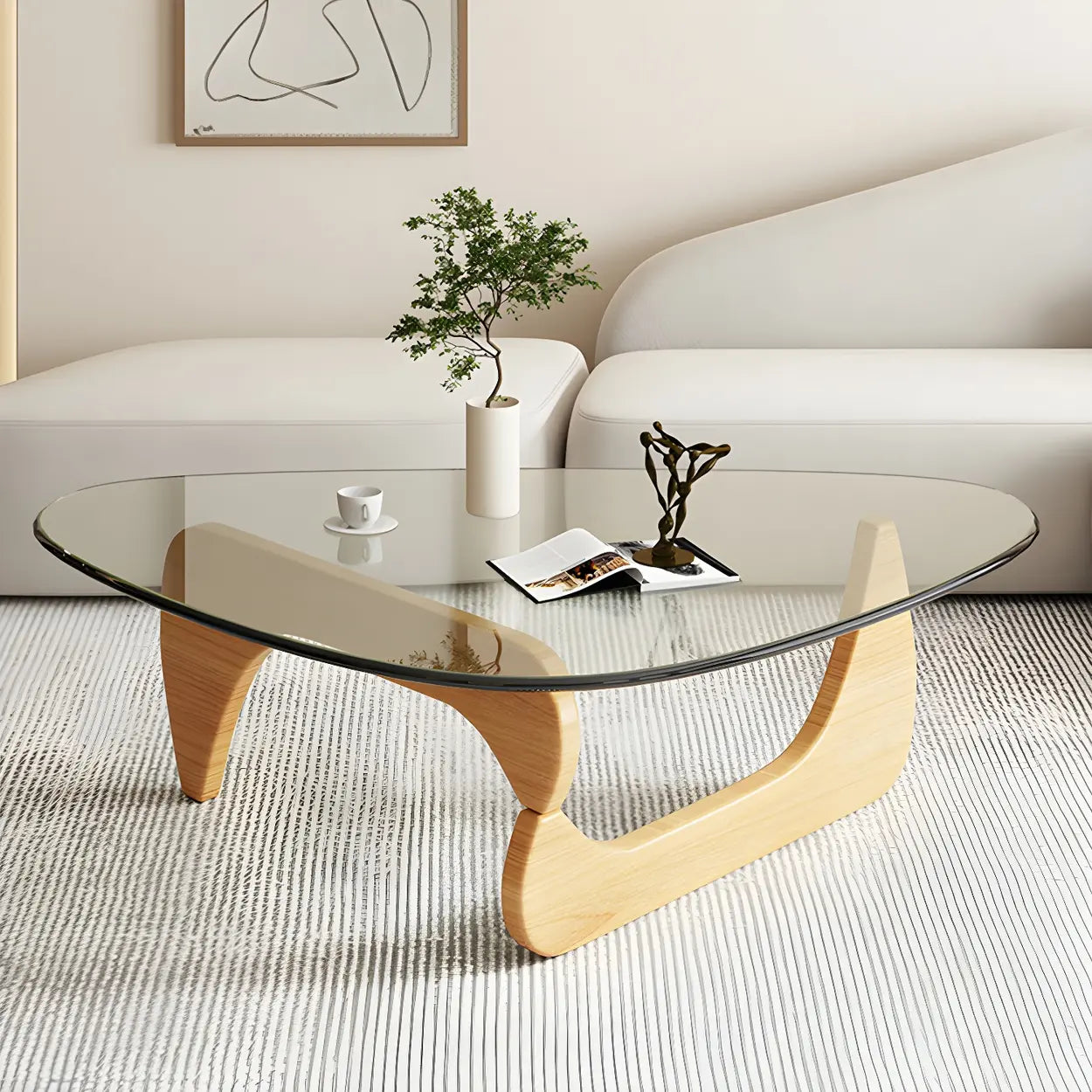
Free-form and sculptural tables
Free-form tables can become the focal point of a minimalist or contemporary room. Their irregular silhouettes add personality, but use a floor outline to check the widest points and every walking path.
| Table shape | Best for | Watch for |
|---|---|---|
| Rectangle | Standard sofas, long rooms, maximum tabletop area | Sharp corners and too much depth in narrow spaces |
| Oval | Sectionals, long sofas, smoother circulation | Measure the widest point, not only the center |
| Round | Small rooms, conversation areas, curved furniture | May provide less usable perimeter space for long sofas |
| Square | Large sectionals and symmetrical seating layouts | Needs generous clearance on all four sides |
| Free-form | Modern rooms that need a sculptural focal point | Irregular edges can make measuring and styling harder |
5. Protect Walking Space and Sightlines
Measurements are only useful when they translate into comfortable movement. The commonly recommended coffee table distance from sofa is about 16 to 18 inches. That gap gives you enough legroom and creates a practical reach to the tabletop. In a small room, you may need to work closer to 14 inches; in a large room, 18 to 20 inches can feel more open.
Do not treat the number as a target that must be filled. The goal is a clear, usable gap. If the sofa reclines, measure from the fully extended position. If an ottoman is used as seating, include it in the calculation. If children or pets move through the room, favor a little more clearance and a stable, rounded design.
Keep the center of the room visually open
Open bases, glass tops, and lighter finishes can help a small room breathe. A solid pedestal or dark stone table may look more substantial, which can be desirable in a large room but overwhelming in a tight one. Scale is not only about inches; it is also about visual weight.
Think about the television and fireplace
From the sofa, you should be able to see the television or fireplace without the table becoming a distracting barrier. Low tables are often useful in front of a media console, but a thick top or tall decorative styling can raise the visual line. Keep books, trays, and objects low enough to preserve the room’s main sightline.
Plan for doors, drawers, and moving parts
If you choose a coffee table with drawers, casters, or a lift top, allow room for the feature to operate. A drawer that opens into the sofa gap may be difficult to use. A lift-top mechanism needs space to rise without striking a nearby lamp, tray, or person. The most useful feature is the one you can access without rearranging the whole room.
6. Compare Coffee Table Materials
Material affects the look, maintenance, durability, and visual weight of a coffee table. Think about what happens in your living room: hot mugs, snack crumbs, toys, pet paws, sunlight, wet glasses, and frequent cleaning all matter.
Wood coffee tables
Wood brings warmth and works across modern, mid-century, farmhouse, traditional, and transitional interiors. It is comfortable to live with because small daily marks are often less noticeable than they would be on a glossy surface. Wood tables can also include drawers, shelves, tray tops, or lift-top mechanisms. Review the care instructions and finish, especially if the table will be used for meals or family activities.
Stone and marble coffee tables
Stone and marble create a substantial, refined focal point. They work well when the room needs texture, contrast, or a strong sculptural element. Stone-look surfaces can be a practical alternative when you want the appearance of mineral texture with simpler upkeep. Always follow the product’s care guidance and use coasters or trivets when appropriate.
Glass coffee tables
Glass can visually expand a small space because it preserves the view of the rug and floor. It pairs naturally with metal bases, but fingerprints, dust, and clutter show more easily than on many wood or stone-look tops.
Metal coffee tables
Metal bases can make a table feel architectural and lightweight, especially when paired with a thin top. Black metal adds contrast, while brass or warm finishes can bring polish. Check the base carefully for stability and look at how the legs affect foot placement around the table.
Mixed materials
Mixed-material tables combine the practical feel of one surface with the visual interest of another. Wood with metal, stone with steel, or glass with a sculptural base can connect finishes already present in the room. Repeat one existing material rather than adding a completely unrelated finish.
7. Decide Whether You Need Storage or a Lift Top
The right coffee table should match your routines. If the tabletop is always covered with remotes, chargers, blankets, and magazines, a storage coffee table may improve the entire living room. If you work from the sofa or eat casual meals in front of the television, a lift-top coffee table can add another useful position.
Coffee tables with drawers
Drawers are best for small items you want close but out of sight: remotes, reading glasses, game controllers, coasters, and charging cables. Check the drawer location and opening direction. A drawer on the sofa side may be convenient, while drawers on every side can be difficult to access once people are seated.
Coffee tables with shelves
Open shelves are useful for baskets, books, and display pieces. They make the table feel lighter than a fully enclosed cabinet, but everything on the shelf remains visible. If you prefer a calm, uncluttered room, plan to use baskets or a small number of large objects rather than filling every inch.
Nesting coffee tables
Nesting coffee tables are a strong choice for apartments, flexible seating areas, and homes that need extra surfaces only occasionally. Keep the smaller table tucked under the larger one for a compact footprint, then separate the pieces when guests need more space. Measure the footprint both nested and fully spread apart.
Lift-top coffee tables
A lift-top table can turn the living room into a casual office, homework station, or dining area. It is especially useful in smaller homes where one piece needs to support several functions. Before buying, check the table’s closed height, raised height, storage capacity, and the space required for the top to open. A lift-top mechanism should feel stable, not merely clever.
Function test: list the three things you want the table to do every week. If the list is “hold drinks, hide remotes, and work from the sofa,” prioritize a stable top, accessible storage, and a lift function. If the list is only “look good and hold books,” a simpler design may be the better value.
8. Match the Coffee Table to Your Interior Style
Style works best after the practical decisions are settled. Once the size, height, shape, and function are right, use the table to reinforce the room’s mood.
Modern and contemporary living rooms
Look for clean geometry, sculptural bases, stone or glass surfaces, and restrained finishes. A contemporary coffee table can act like an art object, but keep the surrounding styling simple so the room does not feel busy.
Mid-century modern rooms
Warm wood, tapered or rounded forms, and simple legs are natural choices. A low round table can echo mid-century lounge seating, while a rectangular table with a drawer adds useful storage without losing the streamlined look.
Farmhouse, coastal, and relaxed interiors
Natural wood, soft white finishes, woven texture, and rounded edges create a more casual atmosphere. Choose a finish that can handle daily life and avoid a piece that is so delicate that it feels out of place with the rest of the room.
9. Homebaa Coffee Table Collections and Product Picks
Once you know your dimensions, browse by use case instead of scrolling through every style. These Homebaa recommendations show different approaches to shape, material, scale, storage, and flexibility. Confirm current specifications and care instructions before ordering.
Collections to browse first

Coffee Tables
Use this broad collection when you are still comparing round, oval, rectangular, nesting, storage, wood, glass, stone, and mixed-material options.
Browse Coffee Tables
Living Room Furniture
Browse this wider category when you want to coordinate a coffee table with sofas, sectionals, TV stands, accent seating, or other living room pieces.
Explore Living Room FurnitureProduct picks by room need

Modern Round Coffee Table Set, Wood Top & White Base
A compact round option for small living rooms, apartments, and seating areas that benefit from a lighter footprint. The set offers flexible placement without sharp corners.
View the Round Coffee Table Set
Modern Ribbed Round Coffee Tables Set
The ribbed texture adds dimension to a simple round silhouette. Choose a compact size for a reading corner or a larger set when you want occasional extra surface area.
View the Ribbed Round Set
White Stone Oval Abstract Steel Base Coffee Table
An oval profile is a practical match for long sofas and sectionals because it provides useful length while softening the corners. The stone-and-steel combination brings a strong contemporary focal point.
View the Oval Stone Table10. Final Coffee Table Buying Checklist
Before you add a coffee table to your cart, check these details:
- Length: start around two-thirds the length of the sofa, then adjust for the actual seating layout.
- Width and depth: measure the open area inside the sofa or sectional and use the shortest dimension as your limit.
- Height: choose a tabletop close to the sofa seat height or up to about two inches lower.
- Clearance: leave about 16 to 18 inches between the table and seating when possible.
- Shape: use rectangles for long sofas, ovals for softer circulation, rounds for compact or social layouts, and squares for generous sectionals.
- Material: choose based on cleaning, heat, spills, pets, children, and the visual weight your room can support.
- Function: decide whether you need drawers, shelves, a lift top, casters, a tray edge, or nesting flexibility.
- Delivery: measure doorways, elevators, stair turns, and the path into the room before ordering a large or heavy table.
The best coffee table is not necessarily the biggest or trendiest one. It is the piece that fits your sofa, preserves movement, supports the way you live, and makes the seating area feel intentional. Keep your measurements nearby and compare listed dimensions with your taped floor outline.
Ready to narrow it down? Start with the shape that matches your seating, then choose the finish and features that solve a real need.
FAQ: How to Pick a Coffee Table
How do I choose the right coffee table size?
Start with a table about two-thirds the length of your sofa. Then check the depth against the open space between the seating and the media console or walkway. The table should provide useful surface area without making the room difficult to cross.
What is the ideal coffee table distance from a sofa?
About 16 to 18 inches is a comfortable starting point. This leaves room for your legs and makes the tabletop easy to reach. In a small room, 14 inches may be workable; in a large room, a slightly wider gap can feel more open.
Should a coffee table be higher or lower than the sofa?
A coffee table usually looks and feels best when it is the same height as the sofa seat or up to about two inches lower. Measure the top of the actual seat cushion rather than relying only on a standard furniture measurement.
What size coffee table works with a sectional?
Choose a table that fits inside the open area of the sectional and leaves comfortable clearance around the chaise and primary walking paths. Oval, round, and appropriately scaled rectangular tables are common choices. The correct size depends on the sectional’s interior dimensions, not only its longest side.
Is a round or rectangular coffee table better?
Neither is always better. Rectangular tables provide more long, continuous surface area and suit standard sofas. Round tables are easier to move around and work well in compact, curved, or conversation-focused layouts. Choose the shape that fits your seating and circulation.
What coffee table shape is safest for homes with children or pets?
Round and oval tables remove sharp corners, which can make movement easier in busy homes. A stable base and a surface that is simple to clean also matter. Review the construction and care instructions for the individual table.
What is the best coffee table for a small apartment?
Look for a compact round table, a narrow rectangle, or a nesting set. Tables with open bases can reduce visual weight, while nesting designs provide extra surface only when you need it. Measure the table in both its everyday and expanded configurations.
Are nesting coffee tables worth it?
Nesting tables are worthwhile when you need flexibility, occasional extra surfaces, or a smaller everyday footprint. They are especially practical in apartments and multipurpose living rooms. Make sure the smaller table can slide out easily and that both tables remain stable when separated.
Should I choose a coffee table with storage?
Choose storage if your living room regularly collects remotes, chargers, books, blankets, toys, or game accessories. Drawers hide small items, shelves hold baskets and books, and lift-top designs can combine storage with a work surface. If you prefer a visually light room, choose one feature instead of several.
Is a lift-top coffee table good for working from the sofa?
It can be very useful for a laptop, casual meals, or homework. Check the raised height, stability, usable work area, and clearance around the mechanism. A lift-top table should still look comfortable and proportional when the top is closed.
What is the most durable coffee table material?
Durability depends on construction, finish, and use. Wood is forgiving and versatile, stone can feel substantial and easy to wipe, metal bases can provide stability, and glass can be visually light but more revealing of fingerprints and clutter. Choose the material that matches your household rather than a material chosen only for appearance.
How do I know if a coffee table is too big?
The table is probably too big if it leaves less than a comfortable walking gap, blocks a recliner, touches the sectional’s chaise, dominates the rug, or makes the seating feel far away. Tape the footprint on the floor and test every seat before you buy.


![How to Choose the Coffee Table Height? [2026 Newest Guide]](http://www.homebaa.com/cdn/shop/articles/coffee-table-height_2a1fd127-359f-4d5f-9ac1-3b232c7092a9_500x.webp?v=1788166652)


