










![10 Best Floor Lamp for Reading [2026 Review]](http://www.homebaa.com/cdn/shop/articles/banner_c990b0a4-4743-4902-b6be-5609f7a21a90.webp?v=1766393057&width=400)



![How to Choose the Coffee Table Height? [2026 Newest Guide]](http://www.homebaa.com/cdn/shop/articles/coffee-table-height_2a1fd127-359f-4d5f-9ac1-3b232c7092a9.webp?v=1788166652&width=400)


Learning how to style a coffee table is less about collecting decorative objects and more about creating a surface that looks intentional, supports daily life, and still leaves room for a cup of coffee. The most successful arrangement usually combines five things: one visual anchor, a change in height, an organic element, a practical item, and enough empty space for the table to remain useful.
That balance matters because a coffee table sits at the center of the living room. It may hold books in the morning, snacks during a movie, a laptop in the afternoon, and drinks when guests arrive. A display that only works in a photograph quickly becomes frustrating if everything must be moved every day.
This guide offers a repeatable method rather than a shopping list. You will learn what to put on round, rectangular, square, oval, glass, and small tables; how to adapt the look to different interiors; and which Homebaa options fit different layouts.
The 30-second answer: Start with a tray or a short stack of books, add one taller object, place one lower sculptural or useful piece beside it, include a natural element, and stop before the surface feels full. If you can still set down two drinks without rearranging the display, the table is probably doing its job.
Quick Jump Links
- The Simple Coffee Table Styling Formula
- Start With the Way You Live
- Choose the Right Scale and Amount of Decor
- How to Decorate a Coffee Table Step by Step
- Coffee Table Decor Ideas by Shape
- What to Put on a Coffee Table
- Coffee Table Styling Ideas by Interior Style
- Small Spaces, Families, and Everyday Use
- Recommended Homebaa Collections and Products
- Common Coffee Table Styling Mistakes
- The 10-Minute Coffee Table Reset
- Frequently Asked Questions
The Simple Coffee Table Styling Formula
A reliable arrangement can be reduced to anchor + height + shape + nature + function. The resulting coffee table centerpiece can be one cluster rather than one oversized object. You do not need five separate pieces: a plant supplies height and nature, a lidded box adds shape and hides remotes, and a tray anchors loose accessories.
- Anchor: a tray, a generous book, or a bowl that visually establishes the display.
- Height: a vase, candleholder, plant, or sculptural object that lifts the eye.
- Shape: something that contrasts with the tabletop, such as a round bowl on a rectangular table.
- Nature: fresh stems, a small plant, dried branches, wood, stone, or another organic material.
- Function: coasters, a match striker, a lidded box, or clear landing space for drinks.
The principle is controlled contrast. Matching height, color, texture, and shape creates a flat block; changing everything creates noise. Repeat one element—perhaps warm wood or black metal—then vary height and form.
Use odd numbers as a starting point, not a law
Groups of three often feel natural because the eye can move between a tall, medium, and low object. However, two substantial pieces can look more confident on a minimalist coffee table, while a large rectangular table may need two or three separate clusters. Judge the overall silhouette, not the object count alone.
Start With the Way You Live
Before choosing decorations, decide what the table must do on an ordinary Tuesday. A formal sitting room can support a permanent centerpiece, while a family room needs a layout that clears quickly. If you eat on the sofa, reserve an open zone. If the table holds remotes and chargers, plan storage instead of pretending they will disappear.
Try dividing the surface into two invisible categories: display space and living space. Display space contains the objects that make the room feel finished. Living space remains available for drinks, reading, games, or conversation. On a heavily used coffee table, keeping roughly one-third to one-half of the top clear is a helpful starting point. That is a practical guide, not a design rule.
Perform the one-move test
Ask whether the styling can adapt with one move. A tray that lifts away as a unit passes the test. Six unrelated accessories that must be relocated individually do not. This is especially useful for lift-top, nesting, and storage coffee tables, where moving parts need clearance.
Protect the surface you actually own
Wood, stone, and glass each change the practical layer of the arrangement. Use coasters and avoid leaving standing moisture on wood. Place felt pads under rough ceramics or metal objects. On glass, keep the underside of accessories clean because dust and fingerprints are more visible. Always follow the care instructions for your specific table material, particularly with natural stone, veneers, and specialty finishes.
Choose the Right Scale and Amount of Decor
Good decor relates to the table, sofa, and room. Tiny accessories scatter across a broad surface; an oversized arrangement interrupts sightlines and consumes useful space. Begin with the tabletop dimensions, then check the display while seated.
| Table Situation | Useful Starting Arrangement | What to Keep Clear |
|---|---|---|
| Compact table under about 30 inches | One tray or book stack plus one small accent | At least one easy landing spot for a drink |
| Standard round or square table | One central cluster of two to four pieces | A crescent of open space around the cluster |
| Long rectangular or oval table | Two or three linked zones with varied heights | One end or a central strip for daily use |
| Nesting or lift-top table | One portable grouping on the stationary area | Seams, moving panels, and pull-out surfaces |
| Ottoman used as a coffee table | A stable tray with low, lightweight pieces | Soft edges and space for feet or extra seating |
Keep the tallest piece in proportion
There is no universal maximum height because sofas, televisions, and room layouts differ. Sit in the places you use most and check the view across the table. A tall vase can work beautifully at one end of a long table but become annoying in the center if it blocks faces or the screen. When in doubt, use airy stems rather than a dense bouquet, or move the tallest item off the central sightline.
Use the phone-photo test
Take one photo from the doorway and another from the sofa. The compressed view exposes imbalance. Move a dark or bulky object inward if one side looks heavy; raise one piece if everything forms a horizontal line. If the table disappears, remove the smallest accessory first.
How to Decorate a Coffee Table Step by Step
Step 1: Clear the entire surface
Start from zero, even if you plan to reuse every item. Wipe the table and gather accessories nearby. An empty surface reveals its proportions. Select pieces that connect to colors or materials already in the room instead of introducing an unrelated mini-theme.
Step 2: Add one visual anchor
Place the largest low object first. A rectangular tray emphasizes length, while a round tray softens a square top. Books can perform the same role: stack one to three with the largest at the bottom. The result should feel like a platform, not a tower.
Step 3: Create a clear height change
Add a vase, plant, candleholder, or upright sculpture. It should be noticeably taller than the anchor without overpowering it. Place it slightly off-center to create movement. On a round table, imagine a loose triangle viewed from above.
Step 4: Introduce a contrasting form or texture
Pair hard with soft, glossy with matte, straight with curved, or refined with natural. A stone bowl can balance textured books; a warm wooden object can soften glass or metal. One meaningful contrast works better than several unrelated colors.
Step 5: Add something living or organic
Greenery breaks up manufactured shapes, but fresh flowers are not required. A branch, small plant, dried stems, wood, or naturally patterned stone adds the same organic note. Choose a stable container if the table is frequently bumped.
Step 6: Give everyday objects a home
Place coasters where guests can see them. Store remotes in a bowl or lidded box, and keep matches contained if you light candles. Function should be visible enough to use but organized enough to look deliberate.
Step 7: Edit from every seat
Walk around the table and sit down. Remove anything that blocks movement, looks unfinished from the back, or competes with another focal point. Pull accessories away from the edge and create one obvious empty zone. Negative space allows the arrangement to register.
A useful editing question: If an accessory were removed, would the arrangement lose height, texture, color, meaning, or function? If the answer is no, that piece may be unnecessary.
Coffee Table Decor Ideas by Shape
How to style a rectangular coffee table
Divide a long top into three loose zones rather than lining objects end to end. One can hold books, another can remain open, and the third can contain a tray or bowl. If the vase is tall and dark, keep the opposite grouping lower and lighter. This also works in front of a sectional.
How to decorate a round coffee table
A round table has no natural front, so use one all-angle cluster with different footprints: perhaps a rectangular book, round bowl, and narrow vase. Keep it slightly off-center for a relaxed look. Avoid small objects around the rim, which reduce usable space.
How to style a square coffee table
Treat a square top as four quadrants, but do not fill them equally. Style two adjacent areas, leave one open, and let a tray cross the imaginary grid. For a formal room, use one substantial centered arrangement. A round vase prevents the square geometry from feeling rigid.
How to style an oval coffee table
Follow the oval without placing everything in a straight line. An elongated tray, two offset clusters, or books paired with a taller piece near one end reinforces the shape. Keep bulky objects away from the narrow tips.
How to style a glass coffee table
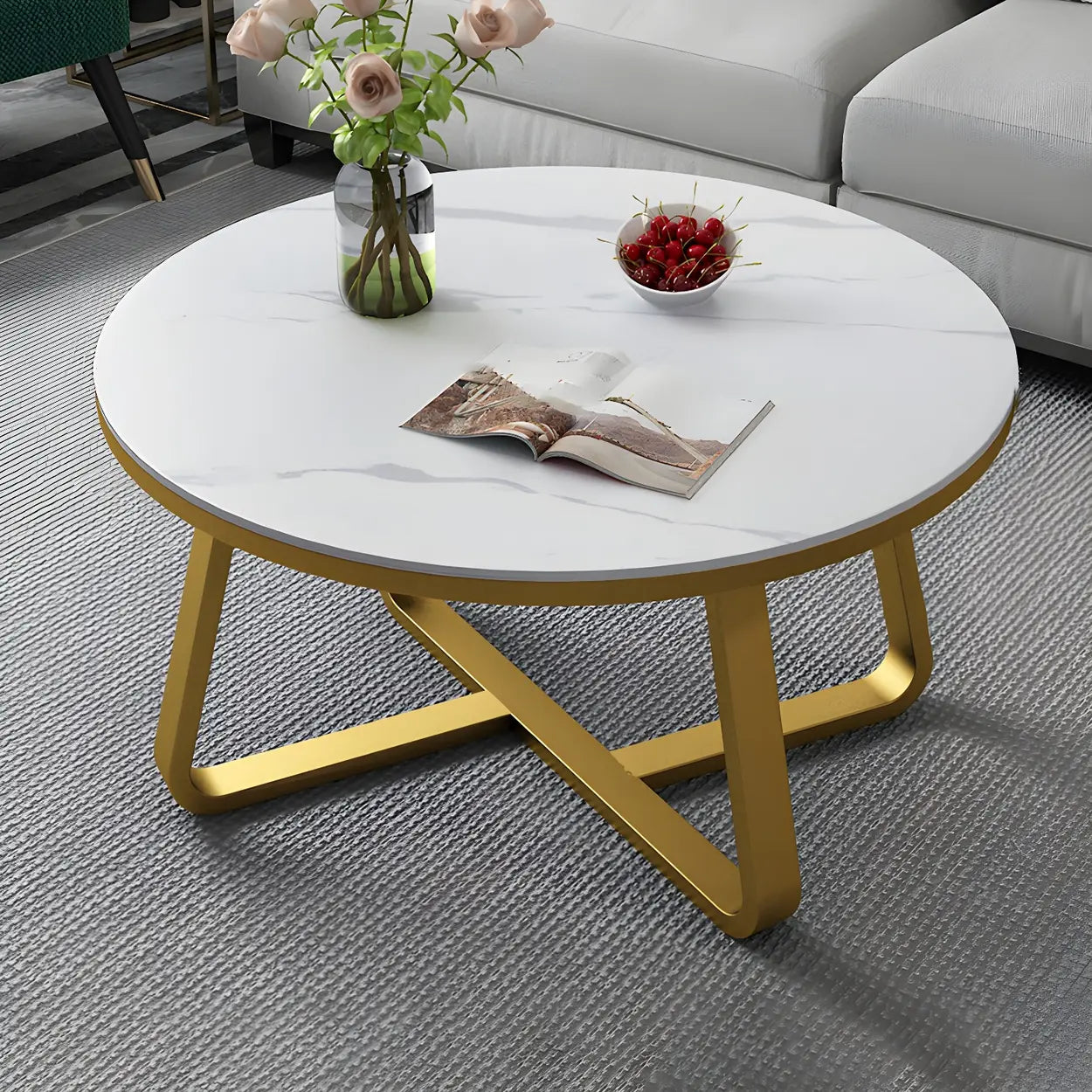
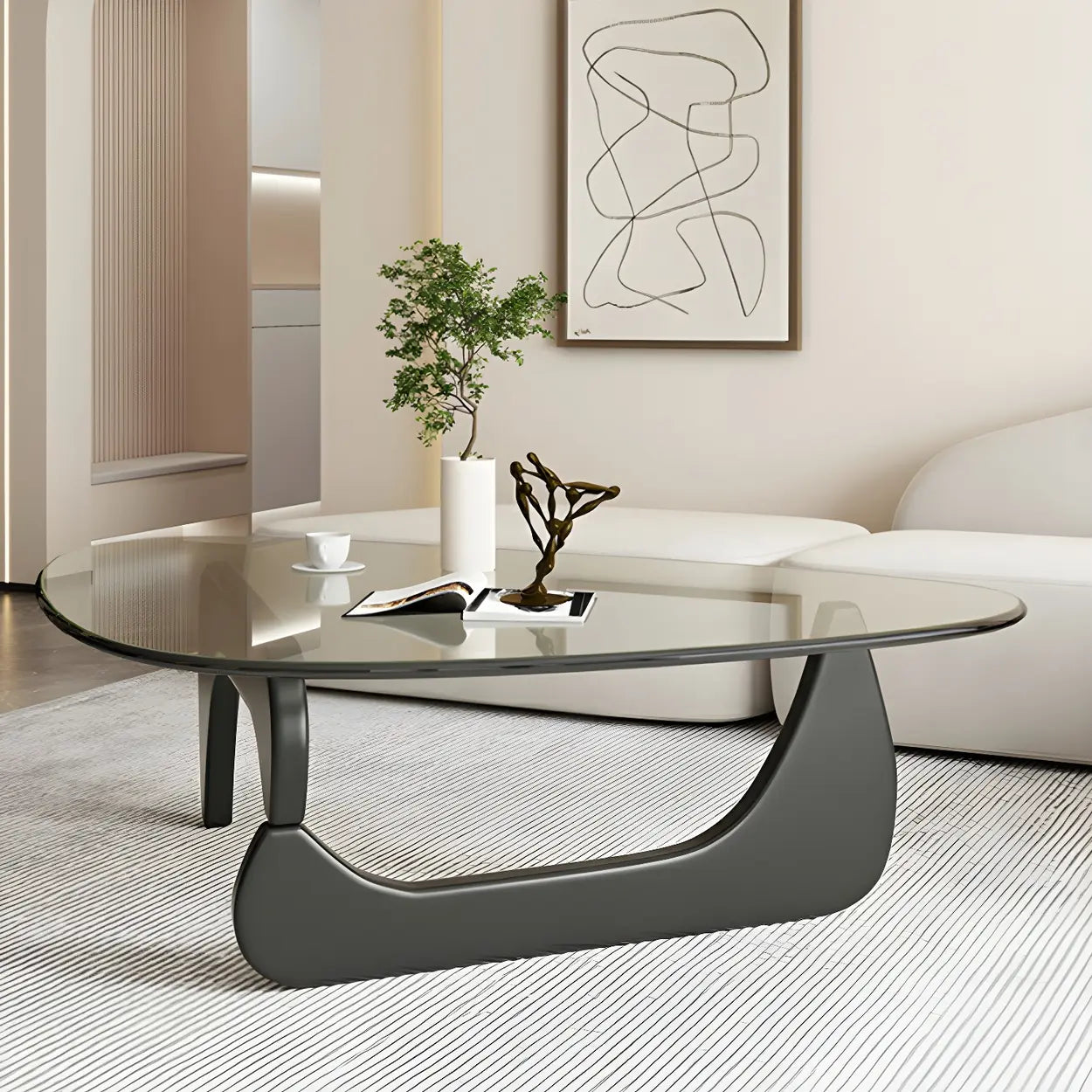
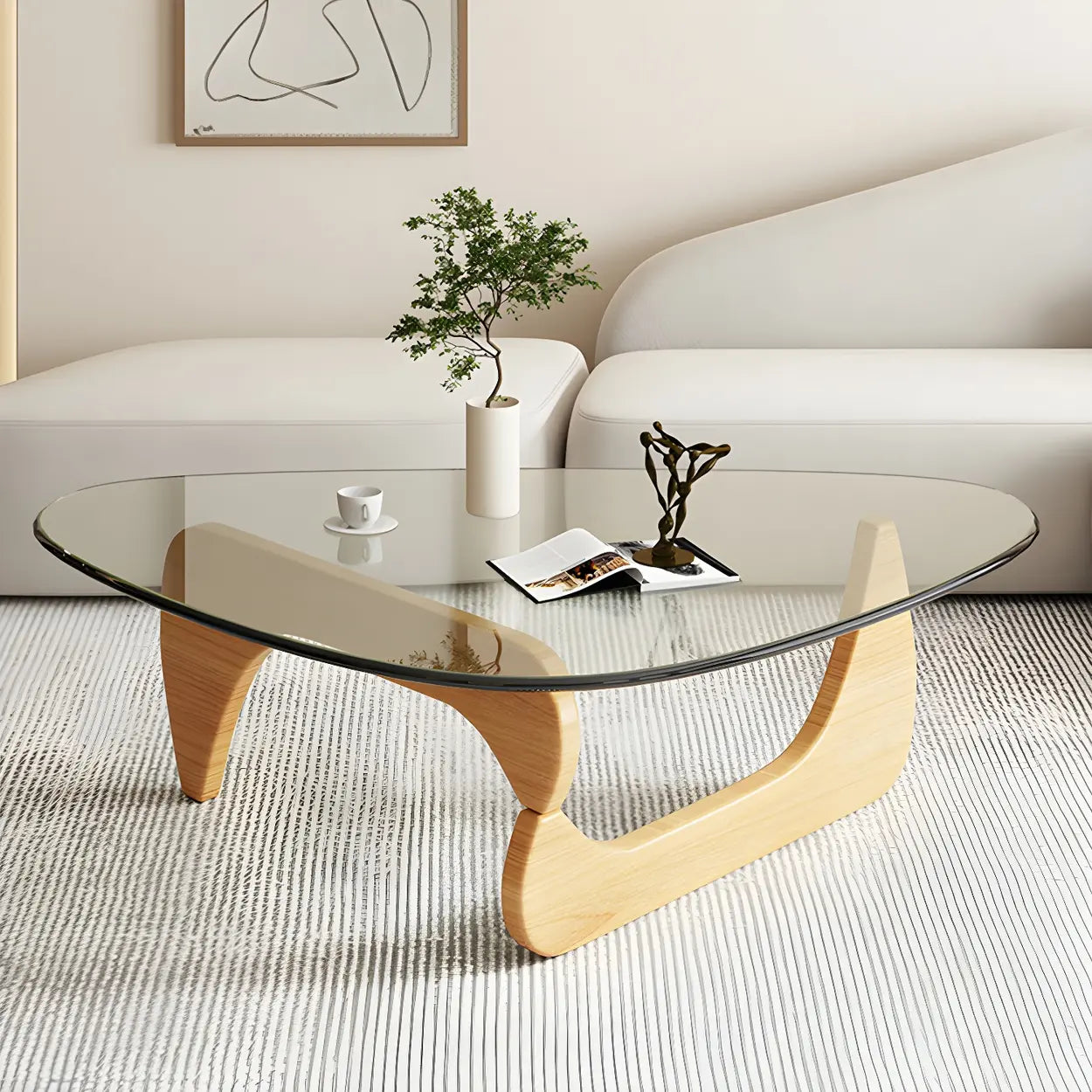
Because the base, rug, and lower shelf remain visible, glass table decor is layered. Use fewer, stronger pieces and check their undersides. A book, smooth tray, or sculptural bowl looks cleaner than many accessories. If the frame is complex, keep the top simple and echo one color from the rug.
How to style nesting, storage, and lift-top coffee tables
Let the mechanism determine the decor. Keep nesting pieces separable, drawer pulls accessible, and fragile objects off moving lids. A compact tray relocates in one motion. Hide chargers, controllers, and spare coasters, then keep the visible top edited.
What to Put on a Coffee Table
The best objects earn their place through beauty, meaning, or usefulness—ideally more than one. Build from what you already enjoy, then fill genuine gaps rather than buying a complete matching set.
- Coffee table books: use subjects you would actually open, such as art, travel, interiors, fashion, photography, or local history. Rotate the top book when you want a quick color change.
- A tray: contains small items and creates a portable zone. Choose a finish that contrasts gently with the tabletop so it does not disappear.
- A vase or planter: supplies height and an organic shape. The container should still look finished when flowers are absent.
- A bowl or lidded box: adds a low form while storing remotes, matches, or other small necessities.
- A sculptural object: gives the display personality. It might be handmade, collected while traveling, inherited, or simply chosen for an interesting silhouette.
- Candles and coasters: contribute atmosphere and function. Place open flames safely away from greenery, books, children, pets, and passing sleeves.
Choose one personal object
A meaningful item is often what separates a real home from a showroom. It can be modest: a shell from a trip, a small ceramic made by a local artist, or a box passed through the family. Give it breathing room instead of surrounding it with filler. Personal does not have to mean visually busy.
Coffee Table Styling Ideas by Interior Style
Modern and minimalist coffee table decor
Use two or three pieces with strong silhouettes: one large book, one sculptural bowl, and a single branch in a simple vase. Limit the palette, but vary the finish so the arrangement does not feel flat. Matte ceramic, glass, and natural wood can coexist within a quiet neutral scheme. Minimalist styling depends on proportion and negative space, so choose fewer items at a slightly larger scale.
Warm organic and Scandinavian styling
Combine pale or walnut-toned wood with linen, stone, handmade ceramic, and restrained greenery. Let natural grain remain visible instead of covering the table. A soft-edged bowl, a textured book, and asymmetrical stems create warmth without clutter. Black accents can add definition when the room contains many beige or cream tones.
Glam and contemporary luxury styling
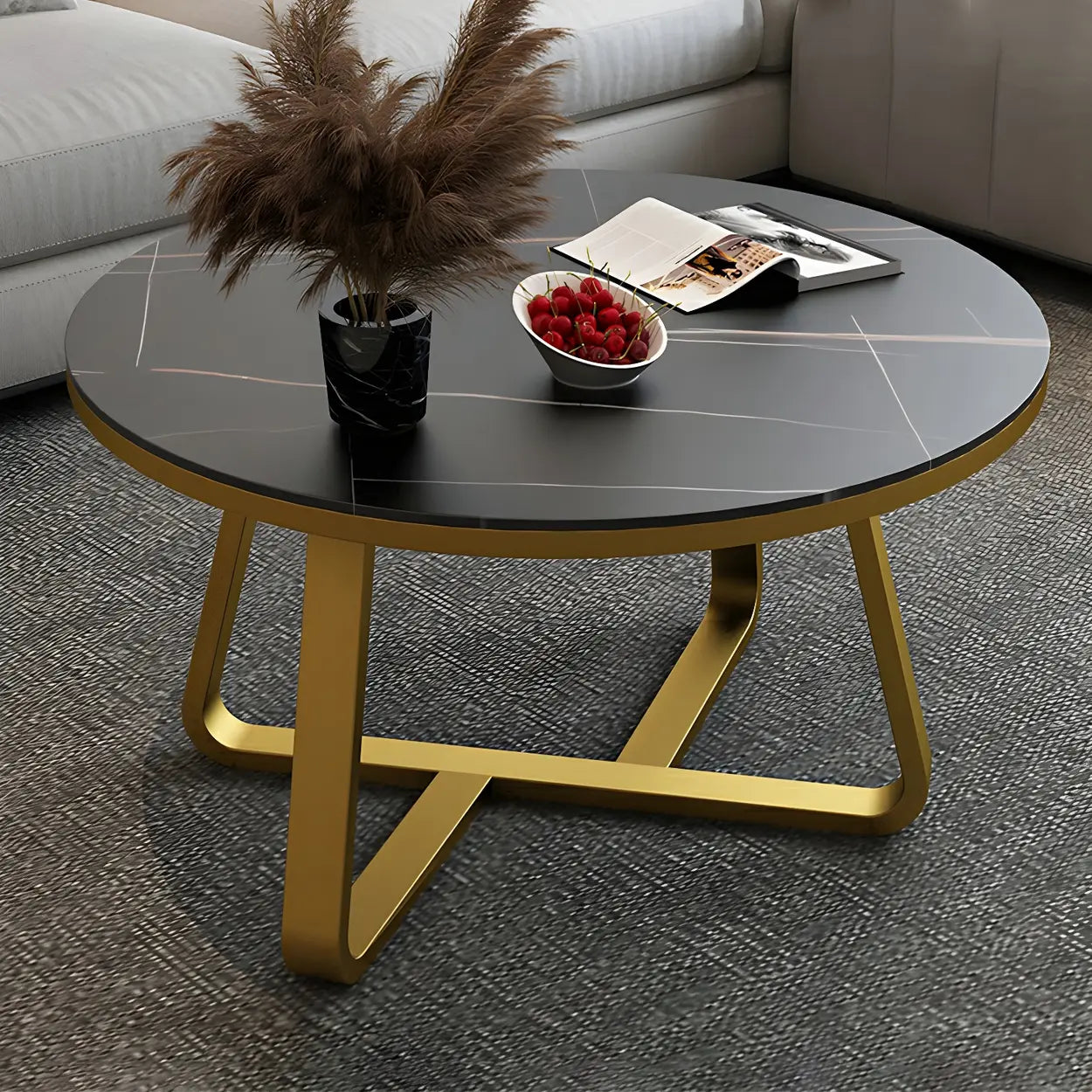
Choose one reflective note—polished metal, glossy stone, glass, or crystal—then balance it with something soft or organic. Repeating every shiny finish can make the surface feel cold. On a dark stone table, pale books and a light-colored vase create clarity. On white stone, a black or warm metallic accent can sharpen the composition.
Traditional and transitional styling
Layer familiar forms with a controlled sense of symmetry. Try two books, a footed bowl, and a pair of candleholders at slightly different heights. Blue-and-white ceramic, warm brass, dark wood, or cut glass can connect the table to classic furniture. Keep the arrangement lower in a conversation area so the room remains welcoming rather than ceremonial.
Coastal, farmhouse, and relaxed rooms
Focus on texture rather than themed symbols. Weathered wood, woven fibers, cloudy glass, simple pottery, and fresh or dried greenery communicate a relaxed mood without relying on literal anchors, signs, or shells everywhere. Use a shallow basket as a tray if its base is stable and will not scratch the tabletop.
Small Spaces, Families, and Everyday Use
Small coffee table decor
On a compact surface, choose one hardworking cluster. A book can raise a small bowl, while the bowl can hold a remote. A narrow bud vase adds height without consuming much area. Avoid miniature versions of many objects; one medium-scale piece generally looks calmer and leaves more functional space.
Family-friendly coffee table styling
Favor rounded, lightweight, and stable objects. Replace heavy sculptures and breakable glass with wood, soft-bound books, woven containers, or low planters. Keep choking hazards, sharp pieces, matches, and candles out of reach. A storage coffee table or a basket nearby makes it easier to reset toys and games at the end of the day.
Styling for entertaining
Before guests arrive, reduce the display rather than adding to it. Move the tallest centerpiece off the main conversation line, set out coasters, and clear a landing zone for drinks or shared plates. A small tray can become a serving piece; just remove delicate decor first. The room will feel more generous when people know where to place things.
Seasonal coffee table decor without starting over
Keep the anchor consistent and rotate one or two layers. Change fresh stems, the top book, a candle color, or a small textile element. In autumn, introduce deeper tones or a textured natural object. In winter, use evergreen clippings or warm candlelight. Spring and summer can feel lighter through clear glass, fresh greenery, or more open space. This approach is easier to maintain than replacing the entire arrangement.
Recommended Homebaa Collections and Coffee Tables
The table itself determines how much decor feels balanced. Shape, material, size, storage, and visual weight all influence the styling formula, so start with the living room layout rather than choosing a table by appearance alone. The collections and products below support distinct needs, from compact glass tables to substantial stone and warm wood designs. Each image and Homebaa link appears once in this article.
Collections for Building a Cohesive Living Room

Coffee Tables
Compare round, oval, rectangular, nesting, storage, wood, glass, metal, and stone designs before deciding how much surface and visual weight your room needs.
Explore Homebaa Coffee Tables
Living Room Furniture
Coordinate the coffee table with sofas, accent chairs, storage, and media furniture so the whole seating area shares a consistent scale and style.
Browse Living Room Furniture
End & Side Tables
Add a nearby surface for drinks, lamps, or remotes when you want the central coffee table to stay edited, open, and ready for entertaining.
Shop End & Side TablesProduct Picks for Different Coffee Table Styling Goals

Black Oval Stone Coffee Table with Steel Cross Legs
The elongated oval top suits a long sofa and naturally supports two styling zones. Its dark stone surface and graphic base can anchor a light or neutral room.
See the Black Oval Stone Coffee Table
Modern Small Round Gray Glass Coffee Table with Wood Base
A transparent round top keeps a compact room visually open, while the wood base supplies warmth. Style it with one concise, all-angle cluster.
See the Round Gray Glass Coffee Table
Modern Artistic Round Low-Profile Small Wood Coffee Table
The clean pedestal form works with minimalist and warm organic interiors. Let the wood remain visible and use a restrained book, bowl, and branch arrangement.
See the Round Wood Pedestal Coffee TableCommon Coffee Table Styling Mistakes
Covering the entire surface
A coffee table needs negative space to look composed and to function. If every inch is occupied, consolidate small pieces onto a tray and remove at least one decorative object. Open space makes the remaining items appear more important.
Using only small accessories
Many tiny pieces create visual static and are difficult to move. Replace several small objects with one larger bowl, vase, or book stack. Scale usually solves the problem more effectively than adding color.
Keeping everything the same height
A flat arrangement does not guide the eye. Raise one object on books, add a vase, or lower another piece by removing its stand. Aim for a clear tall-medium-low relationship without creating a steep tower.
Ignoring the table material and base
A sculptural base already contributes visual interest, and a strongly veined stone or wood top may need less decoration. Transparent glass reveals the rug and frame below. Treat all visible layers as part of one composition rather than styling the top in isolation.
Choosing decor that does not support real life
If the family repeatedly moves the same vase, or remotes always accumulate beside an undersized tray, the arrangement is giving useful feedback. Edit the display around those habits. Good styling should reduce friction, not create a daily maintenance task.
Forgetting safety and sightlines
Unstable vases, sharp objects, open flames, and heavy pieces near an edge can create avoidable risks. Sit in every main seat, walk the circulation path, and adapt the display for children, pets, and guests. Beauty is not a reason to ignore how the room is used.
The 10-Minute Coffee Table Reset
Use this quick checklist whenever the living room feels unfinished:
- Clear and clean the entire tabletop.
- Choose one anchor: a tray, book stack, or generous bowl.
- Add one taller piece and one lower contrasting form.
- Bring in a natural material or simple greenery.
- Contain remotes and set out coasters.
- Leave an obvious open zone for daily life.
- Take a photo from the sofa and remove anything that looks unnecessary.
If the proportions still feel wrong after editing, the table—not the decor—may be the missing piece. Explore new shapes, materials, and scales that better fit the seating area.
Discover New Furniture & LightingFAQ: How to Style a Coffee Table
What should I put on a coffee table?
Start with a low anchor such as a tray or coffee table books, add one taller object such as a vase, include a contrasting bowl or sculptural piece, and reserve space for practical items such as coasters. A natural element—greenery, flowers, wood, or stone—helps the arrangement feel relaxed.
How many items should be on a coffee table?
There is no fixed number. Two or three substantial objects may suit a small or minimalist table, while a long table can support two or three clusters. Count visual groups rather than every book or coaster, and stop when the arrangement has a clear silhouette and useful empty space.
How do you style a coffee table without making it look cluttered?
Use fewer pieces at a slightly larger scale, contain small objects on a tray, limit the palette, and vary height rather than adding more color. Keep roughly one-third to one-half of a frequently used surface open as a flexible starting point.
How do you decorate a round coffee table?
Create one central, all-angle cluster with mixed shapes. A rectangular book, round bowl, and narrow vase form a useful trio. Arrange them as a loose triangle and keep open space around the grouping instead of distributing accessories along the outer edge.
How do you style a rectangular coffee table?
Divide the length into three loose zones. Place a book stack or tray in one zone, leave the center or one end open, and balance it with a lower grouping elsewhere. Avoid forming one rigid line of evenly spaced objects.
Should I use a coffee table tray?
A tray is helpful but not essential. It organizes small items and allows the display to move in one step, which is valuable on family-room, lift-top, and entertaining surfaces. Books or a large bowl can provide the same anchoring effect when a tray feels too formal.
How do I arrange coffee table books?
Stack one to three books with the largest at the bottom, align them neatly or offset them slightly, and use the stack to elevate a small object. Choose subjects you enjoy and covers that relate naturally to the room instead of selecting books only by color.
How tall should coffee table decor be?
The tallest piece should add visible height without blocking conversation, television sightlines, or views across the room. Test it from the sofa. If a dense vase interrupts the view, use airier stems, move it toward one end, or choose a lower container.
How do you style a small coffee table?
Use one compact grouping that performs several jobs: a book as a base, a bowl for a remote, and a narrow vase for height. One medium-scale object plus a practical accent usually looks calmer than many miniature accessories.
How can I make coffee table decor safe for children and pets?
Choose rounded, stable, lightweight pieces and avoid open flames, sharp edges, heavy sculptures, breakable glass, and small choking hazards. Keep the outer edge clear and use nearby or built-in storage so the surface can reset quickly.
Does a coffee table have to match the other living room furniture?
No. It should relate to the room through scale, color, material, or shape, but an exact furniture match can feel flat. A wood table can warm a room with metal accents, while a glass table can lighten visually heavy seating. Repeat one existing element to make the contrast intentional.
How often should I change my coffee table decor?
Change it when your routines, season, or room palette changes—not because of a schedule. Keeping the tray or book stack constant while rotating stems, a candle, or one small accent creates an easy update without buying or storing a completely new display.


