













![10 Best Floor Lamp for Reading [2026 Review]](http://www.homebaa.com/cdn/shop/articles/banner_c990b0a4-4743-4902-b6be-5609f7a21a90.webp?v=1766393057&width=400)





![How to Choose the Coffee Table Height? [2026 Newest Guide]](http://www.homebaa.com/cdn/shop/articles/coffee-table-height_2a1fd127-359f-4d5f-9ac1-3b232c7092a9.webp?v=1788166652&width=400)


A coffee table may be one of the lowest pieces of furniture in a living room, but its height has an outsized effect on comfort, proportion, and daily use. A table that is too low can make every cup, remote, or book feel inconvenient to reach. A table that is too tall can interrupt sightlines, crowd the sofa, and make a relaxed seating area feel more like a dining setup.
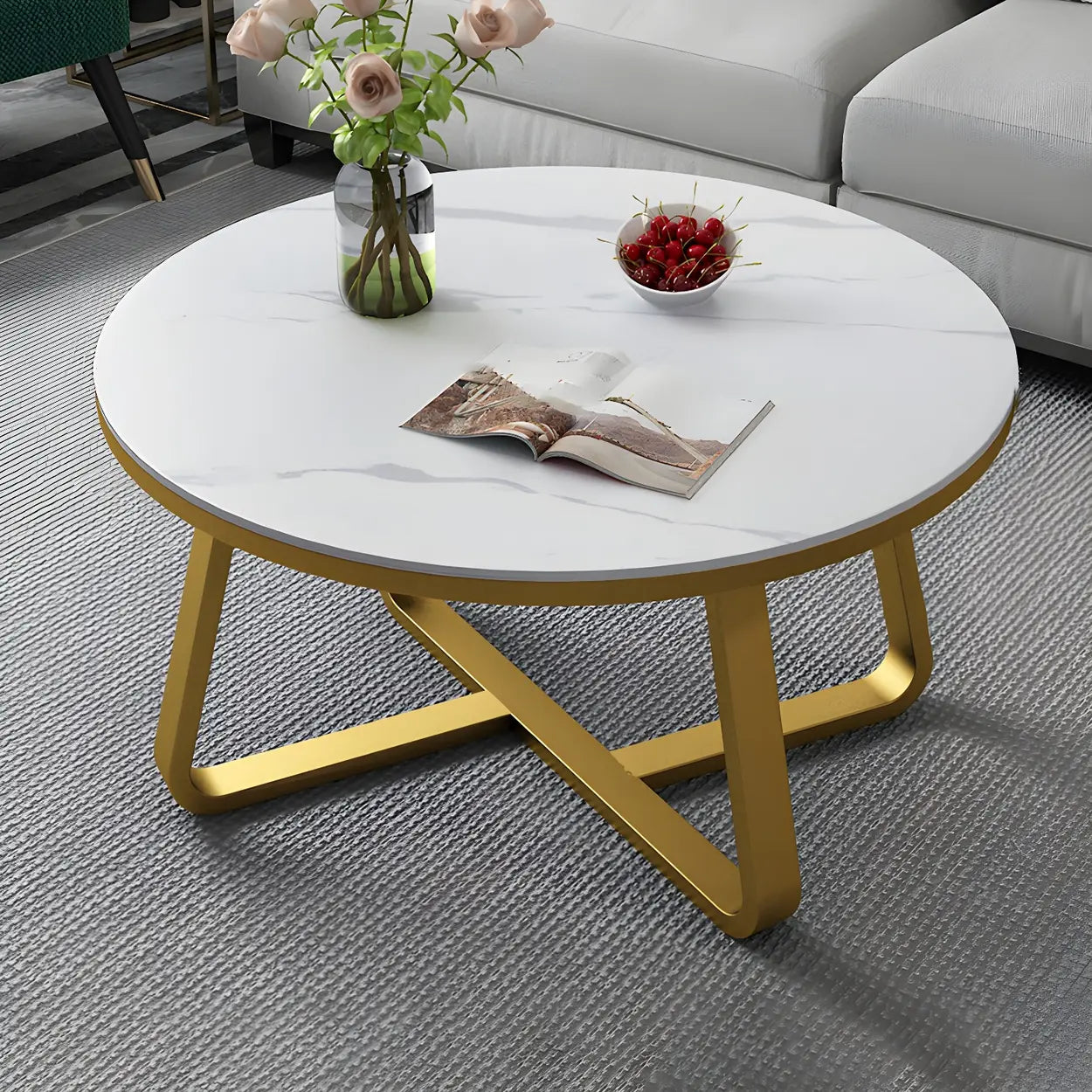
So, how tall should a coffee table be? For most living rooms, the best coffee table height is approximately the same height as the sofa seat or 1 to 2 inches lower. Since many sofa seats are around 17 to 19 inches high, a standard coffee table is often about 16 to 18 inches tall. That is the useful starting point, not a rule that fits every home.
Your ideal measurement depends on the actual seat height of your sofa, how you use the table, the depth and softness of the cushions, the body proportions of the people using the room, and whether the table has a fixed, nesting, or lift-top design. A low modern sofa may pair beautifully with a 12- to 15-inch table, while a high-seat sectional or a table used for occasional meals may work better at 18 to 20 inches.
This complete coffee table height guide explains standard dimensions, how to measure your sofa, when to choose a low or tall table, how height interacts with length and width, and how to avoid common sizing mistakes. It also includes Homebaa recommendations for low-profile, standard-height, and lift-top living room layouts.
Quick Jump Links
- Quick Answer: Standard Coffee Table Height
- Coffee Table Height Chart
- How to Measure the Right Height
- Coffee Table Height Compared to a Sofa
- Low vs. Standard vs. Tall Coffee Tables
- Best Height for Sectionals and Different Seating
- Height, Length, Width, and Spacing
- Choose Height by How You Use the Table
- How Style and Material Change Visual Height
- Common Coffee Table Height Mistakes
- Recommended Homebaa Collection and Products
- Final Buying Checklist
- Coffee Table Height FAQ
Quick Answer: What Is the Standard Coffee Table Height?
The standard coffee table height is usually 16 to 18 inches. This range works with many contemporary sofas because it places the tabletop close to the top of the seat cushion. The most reliable rule is to measure your own sofa rather than relying only on an average.
Best rule: choose a coffee table that is level with the sofa seat or up to 2 inches lower. Measure from the floor to the top of the cushion while the sofa is not occupied.
For example, if your sofa seat is 18 inches high, look first at coffee tables between 16 and 18 inches tall. If the cushions compress deeply when someone sits down, a table near 16 or 17 inches may feel more natural. If the sofa has a firm, upright seat, an 18-inch table may be easier to reach.
The phrase “how tall for a coffee table” can also refer to the visible height of the table in relation to the room. Functionally, the tabletop should be easy to reach. Visually, it should stay below the sofa back and usually close to the cushion line so the room remains open and balanced.
Useful starting ranges
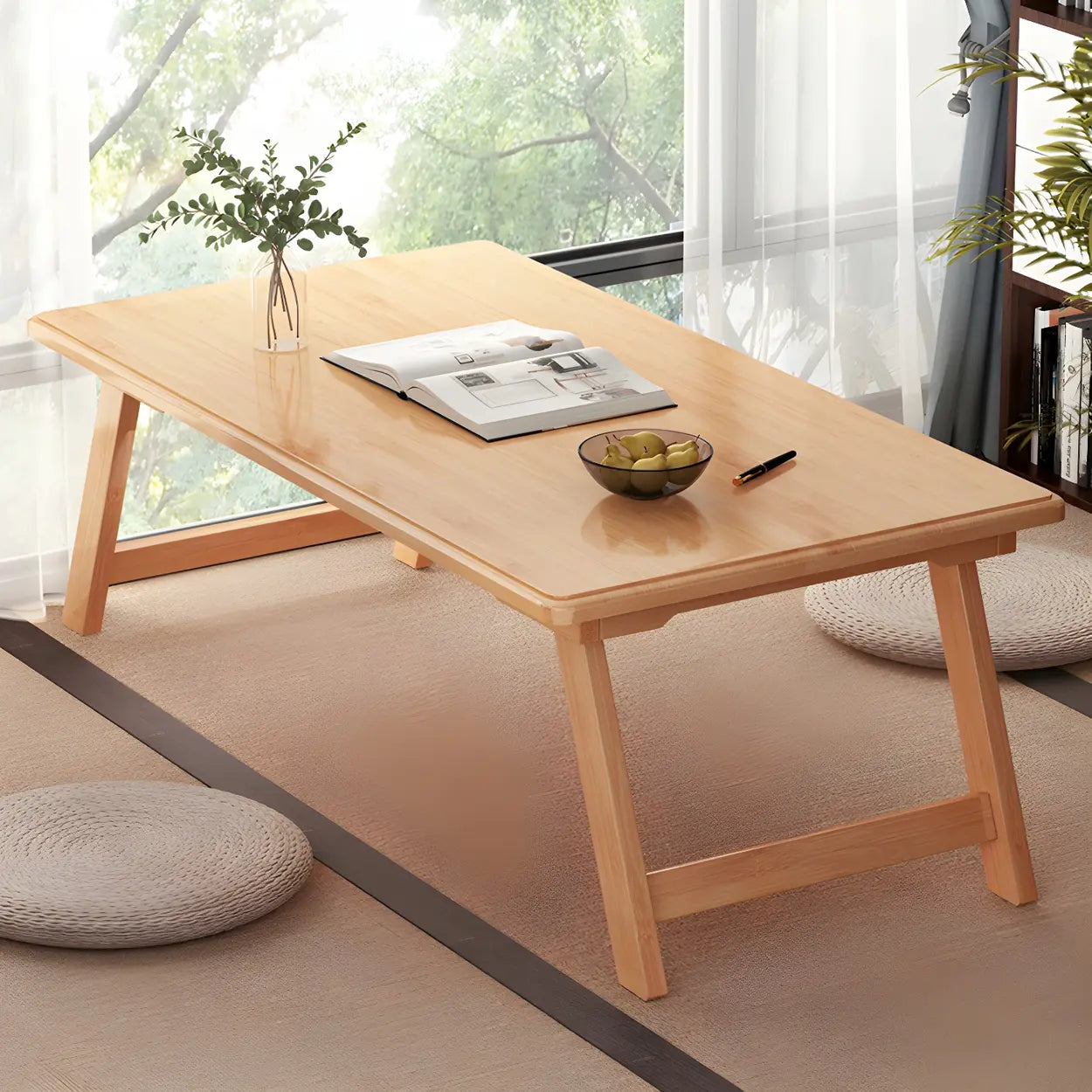
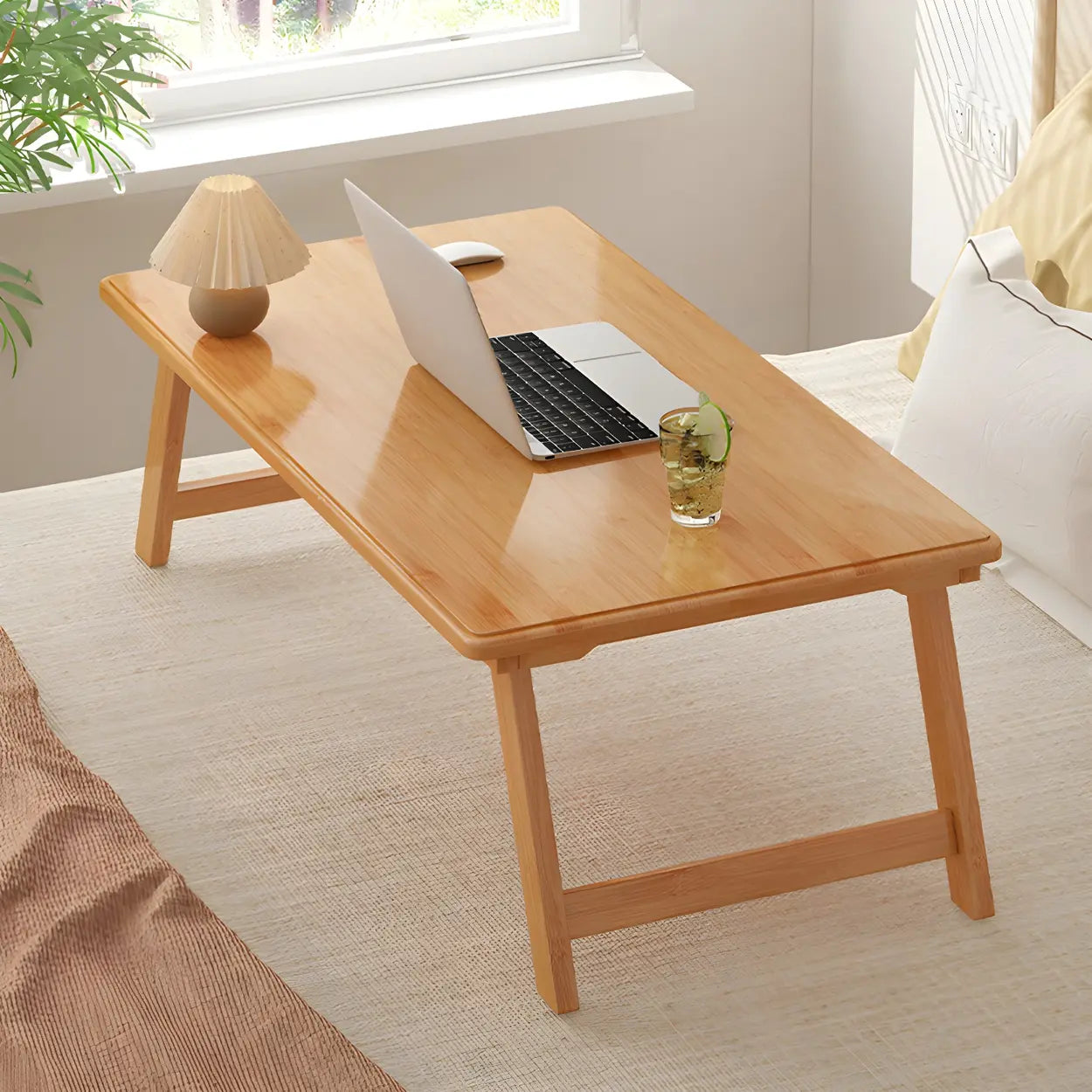
- Low-profile coffee table: about 10 to 15 inches high.
- Standard coffee table: about 16 to 18 inches high.
- Tall coffee table: about 19 to 22 inches high.
- Lift-top coffee table: often 16 to 20 inches when closed, with a raised work or dining surface when opened.
- Ottoman used as a coffee table: ideally close to the sofa seat height, depending on cushion firmness.
These ranges overlap because the correct answer depends on the furniture around the table. A 14-inch table may look perfectly proportioned beside a low modular sofa but uncomfortably short beside a traditional sofa with a 20-inch seat.
Coffee Table Height Chart by Sofa Seat Height
Use the chart below as a practical starting point. Always compare the table measurement with the sofa seat height listed by the manufacturer or measured in your home.
| Sofa Seat Height | Suggested Coffee Table Height | Typical Result |
|---|---|---|
| 15–16 inches | 12–16 inches | Works with low modern, lounge, or floor-oriented seating |
| 17 inches | 15–17 inches | Balanced for many compact and contemporary sofas |
| 18 inches | 16–18 inches | The most common standard living room pairing |
| 19 inches | 17–19 inches | Comfortable with firmer or slightly taller seating |
| 20–21 inches | 18–20 inches | Suitable for high-seat sofas and users who prefer easier reach |
| Variable or very soft cushions | Measure both unoccupied and occupied seat height | Helps prevent a table from feeling unexpectedly tall after sitting |
A table does not need to match the cushion height exactly. A difference of 1 or 2 inches is usually subtle. Larger differences become more noticeable: a table 4 or 5 inches below the cushion creates a deliberately low, lounge-like look, while a table several inches above the cushion can appear bulky unless it is designed for working, eating, or accessibility.
Why sofa seat height matters more than sofa back height
The coffee table is used from a seated position, so the cushion surface determines reach. Sofa backs vary dramatically in height and shape, but they do not usually affect whether a drink or laptop is convenient to access. Measuring the seat rather than the overall sofa height gives you a functional result.
How to Measure the Right Coffee Table Height
You can avoid most sizing mistakes with a tape measure, painter’s tape, and a few minutes of testing. Measure before choosing a shape or finish, because a beautiful table at the wrong height will remain inconvenient every day.
Step 1: Measure the sofa seat
Measure vertically from the floor to the top of the seat cushion at the front edge of the sofa. Do not measure to the frame under the cushion. Repeat the measurement in the center and near a frequently used seat if the cushions vary.
Step 2: Check cushion compression
Sit naturally on the sofa and have another person estimate or measure the occupied cushion height. Soft feather-filled or down-blend cushions can compress several inches. A table that looks slightly low when the sofa is empty may feel perfectly level once someone sits down.
Step 3: Create a cardboard mockup
Stack boxes or place a flat board on supports at the intended height. Test 14, 16, 18, and 20 inches if you are uncertain. Sit down, reach for a mug, place a laptop on the surface, and walk around the mockup. This simple test reveals more than a product photo.
Step 4: Measure clearance around the table
Height is only comfortable when the table is also positioned correctly. Leave approximately 12 to 18 inches between the coffee table and the sofa. The smaller end of the range keeps items within easy reach; the larger end provides more room for knees and movement.
Measurement tip: place the sofa and table on the rug exactly as they will be used. A thick rug pad can change the relationship between them, especially when only one piece sits fully on the rug.
How Tall Should a Coffee Table Be Compared to a Sofa?
The ideal coffee table height compared to a sofa is generally level with the seat cushion or slightly lower. This creates a clean horizontal line and allows a seated person to reach the surface without lifting the shoulder or bending too far forward.
Same height as the sofa seat
A table that is level with the cushion is practical and visually stable. It works well for family rooms, firm sofas, board games, serving snacks, and homes where the table is used frequently. It can also make standing up and setting down an item feel easier for people with limited mobility.
One to two inches below the sofa seat
This is the most versatile arrangement. The table looks relaxed, keeps sightlines open, and remains easy to reach. It suits most standard sofas and is a safe choice when you are buying online.
Three to five inches below the sofa seat
A larger drop creates a low-profile, contemporary effect. It works best with deep lounge sofas, modular seating, minimalist interiors, and rooms where the coffee table is used mainly for decor or occasional drinks. It may be less convenient for meals, laptops, puzzles, or anyone who dislikes leaning forward.
Higher than the sofa seat
A coffee table can sit 1 or 2 inches above the cushion when function justifies it. Taller tables can be easier for eating, working, crafting, and accessible reaching. However, a fixed tabletop much higher than the seat may feel intrusive. A lift-top table often provides a better solution because it stays visually lower when closed and rises only when needed.
Low, Standard, or Tall Coffee Table: Which Is Better?
There is no universally better height. Each category supports a different look and use pattern.
Low coffee tables: 10 to 15 inches
A low coffee table emphasizes horizontal space and makes a room feel calm, open, and architectural. It pairs naturally with low sofas, platform seating, Japandi rooms, minimalist interiors, and deep modular sectionals. A low top can also keep the television and fireplace sightline clear.
The tradeoff is reach. A very low coffee table may be inconvenient for older adults, taller users, meals, laptops, and frequent entertaining. Before choosing an 11- or 12-inch table, test the height from your sofa. The visual effect can be excellent, but comfort should come first.
Standard coffee tables: 16 to 18 inches
This range is popular because it balances appearance and function. It works with many sofas, supports daily items comfortably, and fits traditional, modern, rustic, and transitional rooms. When you do not have an unusual sofa or a specialized need, the standard range is the safest starting point.
Tall coffee tables: 19 to 22 inches
A tall coffee table can suit a high-seat sofa, upright seating, or a household that regularly eats and works in the living room. It can also reduce bending. The table should still feel visually related to the sofa rather than resembling a misplaced dining table.
Tall fixed tables require careful width and mass. A large 22-inch-high solid block can dominate a compact room. Open metal legs, a slim top, or a smaller footprint can make the same height feel lighter.
Lift-top coffee tables
Lift-top designs solve two needs: a standard-height surface for everyday living and a raised surface for working or dining. They are especially useful in apartments, multipurpose rooms, and homes without a dedicated desk. Check the lift direction, hinge clearance, stability, and knee space before buying.
| Height Type | Best For | Potential Drawback |
|---|---|---|
| 10–15 inches | Low sofas, minimalist rooms, visual openness | May require uncomfortable bending |
| 16–18 inches | Most standard sofas and everyday living rooms | May feel too high beside very low seating |
| 19–22 inches | High-seat sofas, easy reach, meals, hobbies | Can feel bulky or block sightlines |
| Lift-top | Working, dining, storage, compact homes | Requires clearance for the moving top |
Best Coffee Table Height for Sectionals, Chairs, and Other Seating
Sectional sofas
Measure the main seat cushions rather than the chaise edge. Most sectionals work with a coffee table at cushion height or up to 2 inches lower. If the sectional is deep and low, a 14- to 16-inch table may be more proportional than a standard 18-inch option.
Also consider how the table fits inside the sectional opening. A round or square table can work well with an L-shaped sectional, while a long rectangular or oval table often suits a wide linear sectional. Height remains important, but shape and walking clearance prevent the center of the room from feeling crowded.
Accent chairs
When accent chairs are lower or higher than the sofa, choose a coffee table height that serves the primary seating while remaining usable from the chairs. A difference of a few inches is acceptable. End tables can provide a better-height surface beside chairs that do not align with the coffee table.
Ottomans and pouffes
An upholstered ottoman can replace a coffee table when its top is firm enough to support a tray. Aim for a height close to the sofa cushion. Very soft ottomans compress, so test them with the intended tray and weight. A stable tray creates a level surface for drinks while preserving the comfort of upholstered furniture.
How Height Works with Coffee Table Length, Width, and Spacing
A well-sized coffee table is a three-dimensional decision. Height affects reach, but length and width determine whether the table fills the seating area without blocking circulation.
Length relative to the sofa
A useful starting point is a coffee table length of around one-half to two-thirds of the sofa length. A very short table can look lost in front of a long sectional, while a nearly sofa-length table may restrict access to the seats.
Width and room depth
The table should leave enough room between the sofa, chairs, fireplace, television unit, and walkways. In a narrow living room, a slim oval or rectangular table may be more comfortable than a deep square design. In a large conversation area, a wider round or square table can make every seat feel connected.
Distance from the sofa
Keep roughly 12 to 18 inches between the tabletop edge and the sofa. Test the distance while sitting. You should be able to reach the table without a deep stretch, while still having space to stand and move your legs.
Visual weight
Two tables with identical dimensions can feel very different. A thick stone top on a closed pedestal looks more substantial than a thin glass top on open legs. If you choose a taller table, a lighter frame can reduce the sense of bulk. If you choose a very low table, a broad top or solid base can keep it from disappearing visually.
Proportion shortcut: first match the tabletop height to the sofa seat, then choose a length near one-half to two-thirds of the sofa, and finally adjust the width to preserve 12–18 inches of sofa clearance and a comfortable walking path.
Choose Coffee Table Height by How You Use the Living Room
For drinks, remotes, and casual decor
A table at seat height or 1 to 2 inches lower is convenient without attracting too much visual attention. This is the best general-purpose arrangement for everyday living.
For eating in front of the sofa
A standard fixed coffee table may be too low for comfortable meals. Consider a taller table, a lift-top model, or nesting tables that can be repositioned. The raised surface should provide enough knee room and remain stable under plates and drinks.
For working from a laptop
Working for long periods at a fixed low table can strain the back and neck. A lift-top coffee table brings the surface closer and higher, making short work sessions more comfortable. It is still not a substitute for a properly adjusted desk and chair for full-time use.
For older adults or limited mobility
A table close to seat height, rather than far below it, can reduce bending. Clear knee space, rounded edges, stable construction, and adequate walking clearance also improve usability. Test the setup in person whenever possible.
How Style and Material Affect the Perceived Height
Wood coffee tables
Wood creates warmth and substance. A thick wood top or drum base appears more grounded, while tapered legs make the table feel lighter. Mid-century wood designs often sit around standard height and pair naturally with sofas on visible legs.
Round and oval tables
Curved tops soften traffic flow and are easier to move around in compact rooms. A round low table can emphasize a relaxed lounge layout, while a standard-height oval table offers more usable length without sharp corners.
Nesting coffee tables
Nesting sets intentionally use two or more heights. The tallest piece may align with the sofa seat, while the lower piece slides beneath or extends the surface. Measure the highest table for reach and the full arrangement for walking clearance.
Common Coffee Table Height Mistakes
Mistake 1: Buying by “standard height” without measuring the sofa
Standard dimensions are averages. Sofas range from very low modular seating to upright high-seat designs. Measure first, then use the average only as a reference.
Mistake 2: Measuring the sofa frame instead of the cushion
The top of the cushion is the surface your body uses. Measuring the wood or metal frame below it can lead to a table that is several inches too low.
Mistake 3: Ignoring cushion compression
A plush cushion may look 19 inches high when empty and feel closer to 16 inches when occupied. Test the seated relationship before choosing a tall table.
Mistake 4: Choosing a low table only because it looks modern
Low coffee tables photograph beautifully, but daily reach may be inconvenient. Style the room around the people who use it, not only around an image.
Mistake 5: Choosing a tall table without considering visual mass
A tall, wide, solid table can overpower a sofa. If you need extra height, consider a slim base, glass top, smaller footprint, or lift-top mechanism.
Mistake 8: Focusing on height but not distance
Even the perfect height feels inconvenient when the table is too far away. Maintain a reachable 12- to 18-inch gap while preserving enough room to stand.
Recommended Homebaa Coffee Table Collection and Products
The most useful way to shop by height is to compare the listed tabletop measurement with your sofa seat. The selections below represent three common needs: a low-profile table for lounge seating, a standard-height wood table for everyday living, and a taller lift-top option for multipurpose rooms. Product dimensions and availability can change, so confirm the current specifications on each page before ordering.

Coffee Tables Collection
Compare round, rectangular, oval, nesting, storage, lift-top, wood, glass, metal, and stone designs across a wide range of heights and room sizes.
Explore Coffee Tables
Oval Top Abstract Metal Base Low Height Coffee Table
At 14 inches high, this oval design is suited to low sofas, lounge-style seating, and interiors that benefit from an open horizontal profile.
View the Low Coffee Table
Mid-Century Modern Solid Walnut Wood Round Coffee Table
Available in 15-inch and 17-inch heights, this round walnut design offers practical standard-range options for many contemporary sofas.
View the Walnut Coffee TableFinal Coffee Table Height Buying Checklist
Before choosing your coffee table, check each point below:
- Measure the sofa seat: use the top of the cushion, not the frame.
- Start near seat height: level with the cushion or 1–2 inches lower works for most rooms.
- Test soft cushions: consider how far the seat compresses when occupied.
- Choose by use: low for a lounge look, standard for daily living, tall or lift-top for work and meals.
- Check length: roughly one-half to two-thirds of the sofa length is a useful starting point.
- Protect circulation: leave about 12–18 inches between the sofa and table, plus a comfortable main walkway.
- Account for the rug: set both pieces in their final positions before judging height.
- Review moving dimensions: confirm the open height and travel path of lift-top or nesting designs.
- Consider visual weight: solid stone and drum bases look heavier than glass or open metal frames.
- Confirm current specifications: check the product page before ordering.
The right coffee table should be easy to reach, comfortable to move around, and visually connected to the sofa. Begin with the seat-height rule, then adjust for your room, your body, and the way you actually live. A measurement that supports daily comfort will look more intentional than a fashionable height that does not function well.
FAQ: How Tall Should a Coffee Table Be?
What is the standard height of a coffee table?
The standard coffee table height is commonly around 16 to 18 inches. The best measurement is usually level with the sofa seat or up to 2 inches lower.
Should a coffee table be higher or lower than the couch?
Most coffee tables should be the same height as the couch seat or slightly lower. A table 1 to 2 inches below the cushion usually provides comfortable reach and balanced proportions.
Is 14 inches too low for a coffee table?
Fourteen inches can work well with a low-profile sofa, deep modular sectional, or lounge-style seating. It may feel inconvenient beside a standard or high-seat sofa, so compare it with the actual cushion height.
Is 20 inches too high for a coffee table?
A 20-inch coffee table can suit a sofa with a 19- to 21-inch seat, users who prefer less bending, or a room where the table supports work and meals. It may look too tall beside low seating.
Can a coffee table be taller than the sofa seat?
Yes, but usually only by a small amount unless the design has a specific purpose. A fixed top 1 or 2 inches above the cushion can be practical. For a much higher work surface, a lift-top table is often more flexible.
How do I measure sofa seat height?
Measure vertically from the floor to the top front edge of the seat cushion. Check the height while the sofa is empty, then consider how much the cushion compresses when someone sits down.
What coffee table height works with an 18-inch sofa seat?
A coffee table between 16 and 18 inches tall is a strong starting range. Choose closer to 16 inches for a relaxed look and closer to 18 inches for easier reach.
How far should a coffee table be from the sofa?
Leave approximately 12 to 18 inches between the sofa and coffee table. This keeps the surface reachable while providing room for knees, standing, and movement.
How long should a coffee table be compared to the sofa?
A useful starting point is approximately one-half to two-thirds of the sofa length. Adjust for sectional shape, nearby chairs, room width, and walking paths.
What is a low-profile coffee table height?
Low-profile coffee tables are often about 10 to 15 inches high. They work best with low seating and design styles that emphasize horizontal lines and open sightlines.
Are lift-top coffee tables taller?
Some are taller when closed, but the key feature is that the top rises to a more useful work or dining height. Review both closed and open measurements, plus the direction the top moves.
What is the best coffee table height for eating?
A fixed coffee table near 18 to 20 inches may be easier for occasional meals than a very low table, but a lift-top design usually provides a more comfortable raised surface and better knee clearance.