











![10 Best Floor Lamp for Reading [2026 Review]](http://www.homebaa.com/cdn/shop/articles/banner_c990b0a4-4743-4902-b6be-5609f7a21a90.webp?v=1766393057&width=400)



![How to Choose the Coffee Table Height? [2026 Newest Guide]](http://www.homebaa.com/cdn/shop/articles/coffee-table-height_2a1fd127-359f-4d5f-9ac1-3b232c7092a9.webp?v=1788166652&width=400)


Right lighting can affect how your room feels and functions. If you want to know how to choose a floor lamp, you need to consider both style and purpose. This guide offers practical tips to help you find a lamp that fits your space and budget.
Table of Contents
Determine the primary purpose of your floor lamp
Before you look at designs, think about why you need light. Different activities require different levels of brightness and focus.
Task lighting for reading or hobbies
If you plan to read or sew, you need focused light. These lamps often have adjustable necks, so you can direct the light exactly where you need it. This helps reduce eye strain during long periods of work.
Ambient lighting to brighten the whole room
To add general light to a dark corner, choose a lamp that spreads light widely. These lamps usually have semi-transparent shades that soften the glow. They are great for making a room feel warm and welcoming.

Accent lighting to highlight decor or create a mood
Some lamps are designed to draw attention to a specific area or piece of art. They create layers of light that add depth to your home. Use these to make a room feel cozy rather than just bright.
Pick the right floor lamp type
Floor lamps come in several standard shapes. Choosing the right one depends on your room layout and how much floor space you have available.
| Lamp type | Best use | Main benefit |
| Torchiere | General lighting | Points light up to brighten the whole ceiling. |
| Arc lamp | Over furniture | Reaches over a sofa or table without a ceiling light. |
| Club lamp | Reading/Corners | Simple, classic design that fits almost anywhere. |
| Tree lamp | Multi-purpose | Multiple heads that point in different directions. |
Classic club lamps for traditional style
A club lamp has a single pole and a standard shade. It is a reliable choice that provides a mix of task and ambient light. It is also one of the most common styles for living rooms.
Torchiere lamps for reflecting light off the ceiling
Torchieres point upward. The light bounces off the ceiling to fill the room with an indirect glow. This is a smart choice for small apartments because it doesn't take up much visual space.
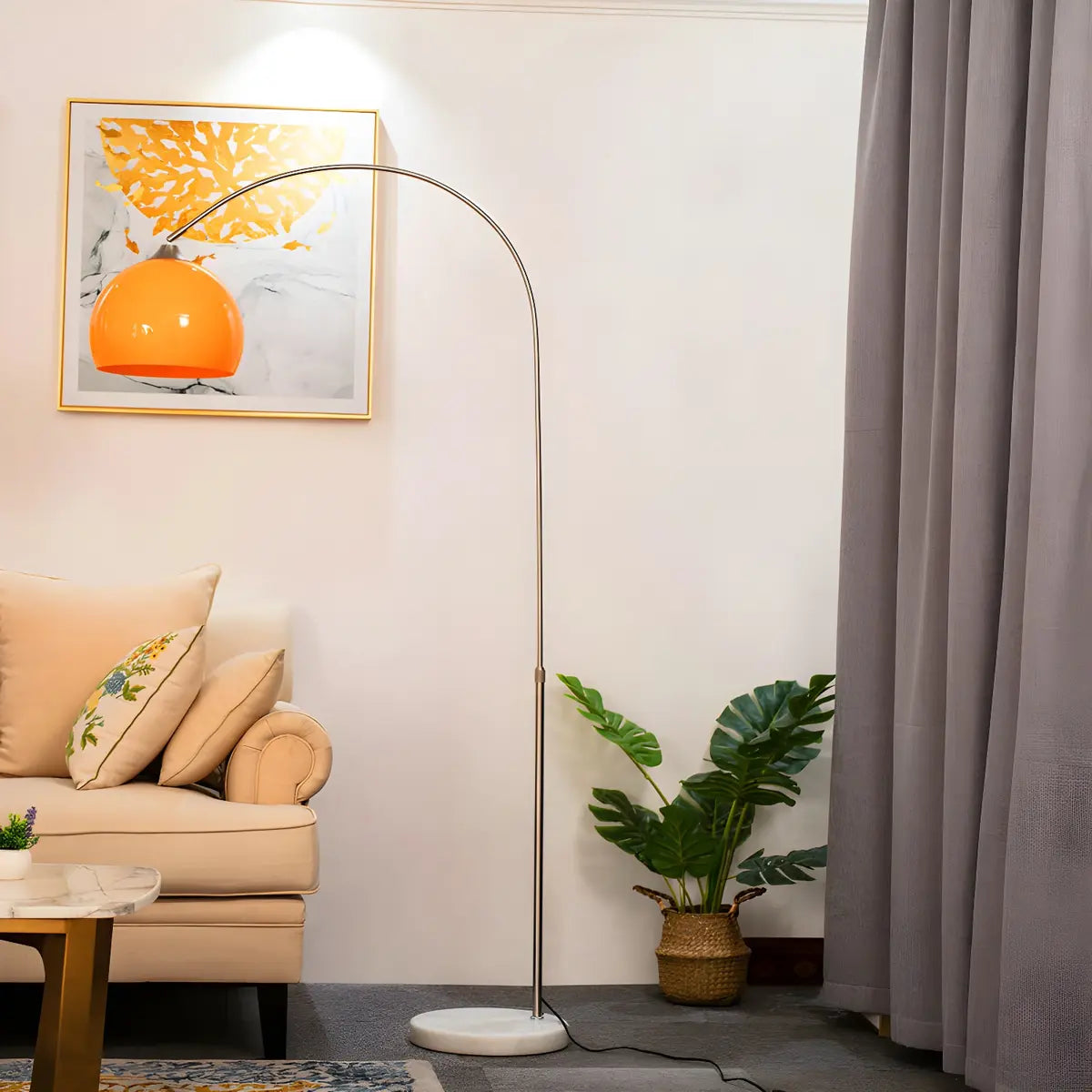
Arc lamps for reaching over sofas or tables

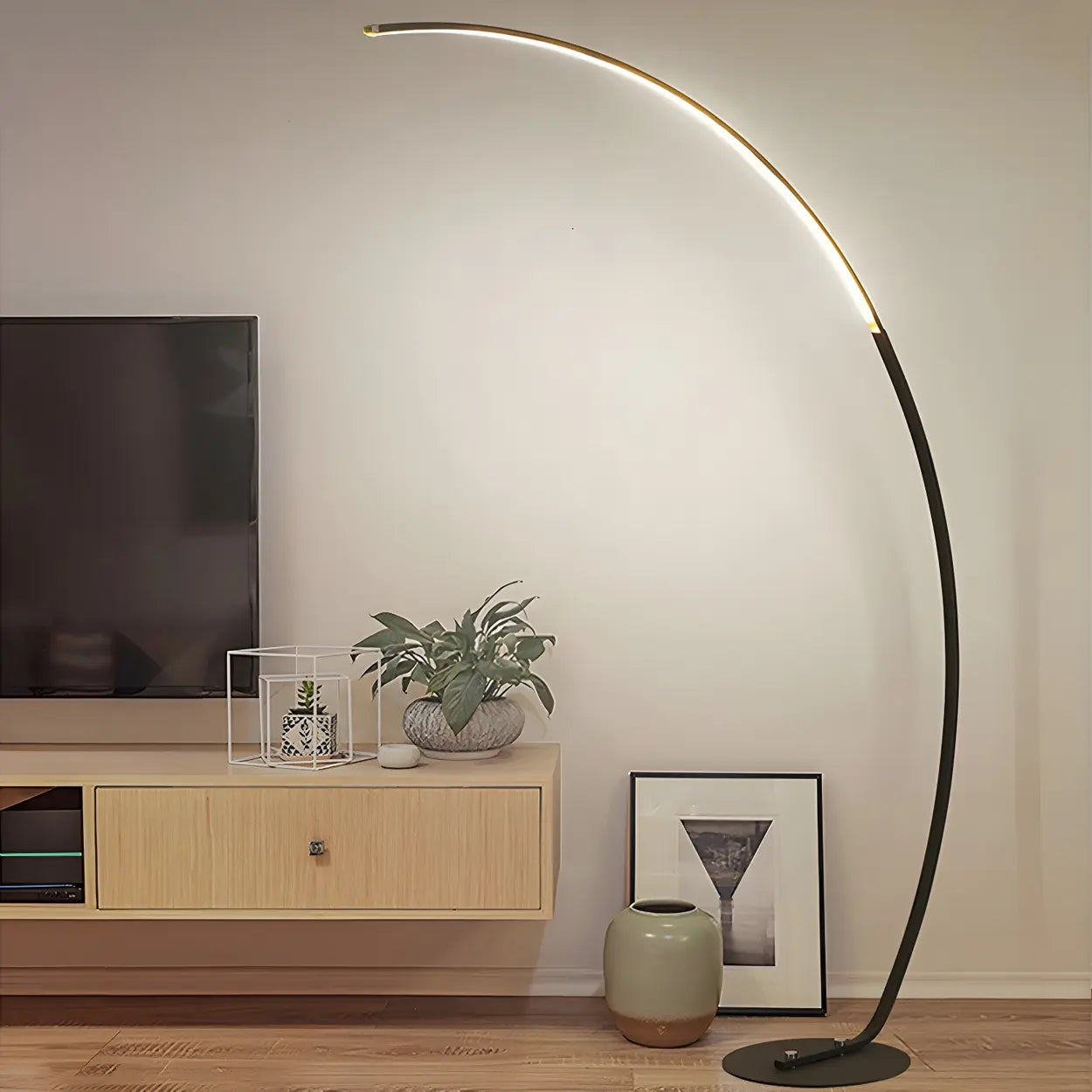
Arc lamps have a long, curved stem. They are great for lighting the center of a seating area when you cannot install a ceiling fixture. Additionally, they add a modern look to your living space.
Select the best lamp for different rooms
Each room in your house has a different vibe. You should pick a lamp that supports the specific activities that happen in those spaces.
| Room | Recommended lamp type | Light color |
| Living room | Arc or Torchiere | Warm white (3000K) |
| Bedroom | Club or Pharmacy | Very warm (2700K) |
| Home office | Tree or Pharmacy | Neutral white (4000K) |
| Reading nook | Adjustable Club | Cool white (5000K) |
Living room lighting for relaxation
In a living room, you usually want a mix of light. An arc lamp over a sectional sofa provides a great focal point, while a torchiere in the corner keeps the room from feeling too dark.

Bedroom lighting for a cozy feel
In the bedroom, light should be soft and warm to help you sleep. A simple club lamp with a fabric shade creates a gentle glow that makes the space feel calm and quiet.
Office lighting for better productivity
Working requires brighter, clearer light to stay alert. A tree lamp or an adjustable pharmacy lamp allows you to point light directly at your desk or documents without creating shadows.
Consider the size and placement
Even a beautiful lamp won't work if it is the wrong size. To help you choose, here is a quick reference guide for standard floor lamp dimensions.
| Lamp category | Average height | Base diameter | Ideal placement |
| Standard/Club | 58" - 64" | 10" - 12" | Next to an armchair or in a corner |
| Torchiere | 66" - 72" | 12" - 14" | Empty corners to bounce light off ceilings |
| Arc lamp | 64" - 84" | 14" - 18" | Behind or beside a sofa to overhang a table |
| Pharmacy lamp | 45" - 55" | 8" - 10" | Directly beside a desk or reading chair |
Finding the ideal height for eye comfort
The most important rule is to keep the bulb out of your direct line of sight. When you are sitting on a sofa, the bottom of the lampshade should be roughly at eye level. This is usually between 42 and 48 inches from the floor.
Measuring the base and clearance
A lamp base must be heavy enough to stay stable but small enough to fit your floor space. Ensure you have at least 2 to 3 feet of "walking space" around the lamp so people don't bump into it when moving through the room.
Choose the right light color and brightness
The atmosphere of your room depends heavily on the bulb you use. You should match the light color and brightness to the activity in the room.
| Light type | Color temperature | Best for | Effect |
| Warm white | 2700K - 3000K | Bedrooms & Living rooms | Cozy, relaxing, and soft |
| Neutral white | 3500K - 4100K | Kitchens & Work spaces | Clean, balanced, and natural |
| Cool white | 5000K - 6500K | Reading & Detailed tasks | Bright, energizing, and sharp |
Understanding color temperature
Color temperature is measured in Kelvin (K). Lower numbers mean the light looks yellow or orange, while higher numbers look blue. Warm light is better for winding down at night, while cool light helps you stay focused during the day.
Picking the right brightness level
Brightness is measured in lumens. For a floor lamp used for reading, look for a bulb with around 450 to 800 lumens. If the lamp is the main light source for the whole room, you may need a bulb that provides 1500 lumens or more.
Look for essential features and settings
Modern floor lamps offer more than just an "on" and "off" switch. These extra features can make your lighting much more convenient for daily use.
Adjustable brightness and dimming options
A dimmer switch allows you to change the mood of the room. High brightness is good for cleaning or working. Low light is much better for watching movies or relaxing at night before bed.
Bulb types and energy efficiency levels
The bulb you choose affects your energy bill and how often you need to replace it. Use the table below to compare the most common options available today.
| Bulb type | Energy efficiency | Average lifespan | Upfront cost |
| LED | Very high | 25,000+ hours | Moderate |
| CFL | High | 8,000 hours | Low |
| Halogen | Low | 2,000 hours | Low |
| Incandescent | Very low | 1,000 hours | Very low |
Stability and safety features for kids or pets
If you have children or pets, choose a lamp with a weighted base. This makes it much harder to knock over during play. Always ensure the cord is tucked away, so nobody trips over it.
Match the lamp with your interior design
The final step is making sure the lamp looks good with your existing furniture. The right materials and colors will tie the whole room together.
Choosing materials like metal, wood, or glass
Metal lamps look sleek and modern, while wood adds a natural, warm feel. Choose a material that matches other items in your room, such as your coffee table or door handles.

Selecting the right lampshade color and shape
White or cream shades allow the most light to pass through for a bright room. Darker shades direct the light up or down, which creates a more dramatic and focused effect in a specific area.
Conclusion
Finding the right balance between function and fashion makes your home more comfortable. Learning how to choose a floor lamp helps you create the right atmosphere for different activities. At Homebaa, we offer high-quality floor lamps at affordable prices to help you light up your home without overspending.
Frequently asked questions
How high should a floor lamp be next to a sofa?
How high should a floor lamp be next to a sofa?
The lamp should be tall enough that the shade hides the bulb from view. In most cases, the bottom of the shade should sit around eye level when seated, typically 42–48 inches from the floor.
Where is the best place to put a floor lamp in a living room?
Where is the best place to put a floor lamp in a living room?
Floor lamps work best in corners or beside seating areas. Placing one near a dark corner helps balance light and can make the room feel more open and spacious.
Can a floor lamp be the only light source in a room?
Can a floor lamp be the only light source in a room?
Yes, especially if it’s a powerful torchiere or a lamp with multiple bulbs. However, combining a floor lamp with other light sources usually creates better balance and reduces harsh shadows.
How do I choose a lamp that doesn't glare in my eyes?
How do I choose a lamp that doesn't glare in my eyes?
Choose lamps with deep shades or upward-facing light. If you can see the bare bulb while seated, the lamp is either too short or the shade is too shallow.
Should the floor lamp match the table lamps in the same room?
Should the floor lamp match the table lamps in the same room?
They don’t need to match exactly, but they should share similar style elements. Using the same metal finish or shade color helps the space feel cohesive and well designed.


