








![10 Best Floor Lamp for Reading [2026 Review]](http://www.homebaa.com/cdn/shop/articles/banner_c990b0a4-4743-4902-b6be-5609f7a21a90.webp?v=1766393057&width=400)



![How to Choose the Coffee Table Height? [2026 Newest Guide]](http://www.homebaa.com/cdn/shop/articles/coffee-table-height_2a1fd127-359f-4d5f-9ac1-3b232c7092a9.webp?v=1788166652&width=400)


Floor lamps do more than brighten a room-they shape how energy moves through your space. In feng shui, lighting affects balance and comfort. The right floor lamp in the right spot can make a room feel more welcoming, help you focus better, or create a peaceful atmosphere for rest. This guide covers practical floor lamp feng shui tips that you can use in your home.
Table of Contents
Floor Lamp Placement Principles in Feng Shui
Understanding where to place your floor lamp influences how a room feels. These core principles help you position lamps to support positive energy flow.
Lighting dark corners and empty spaces
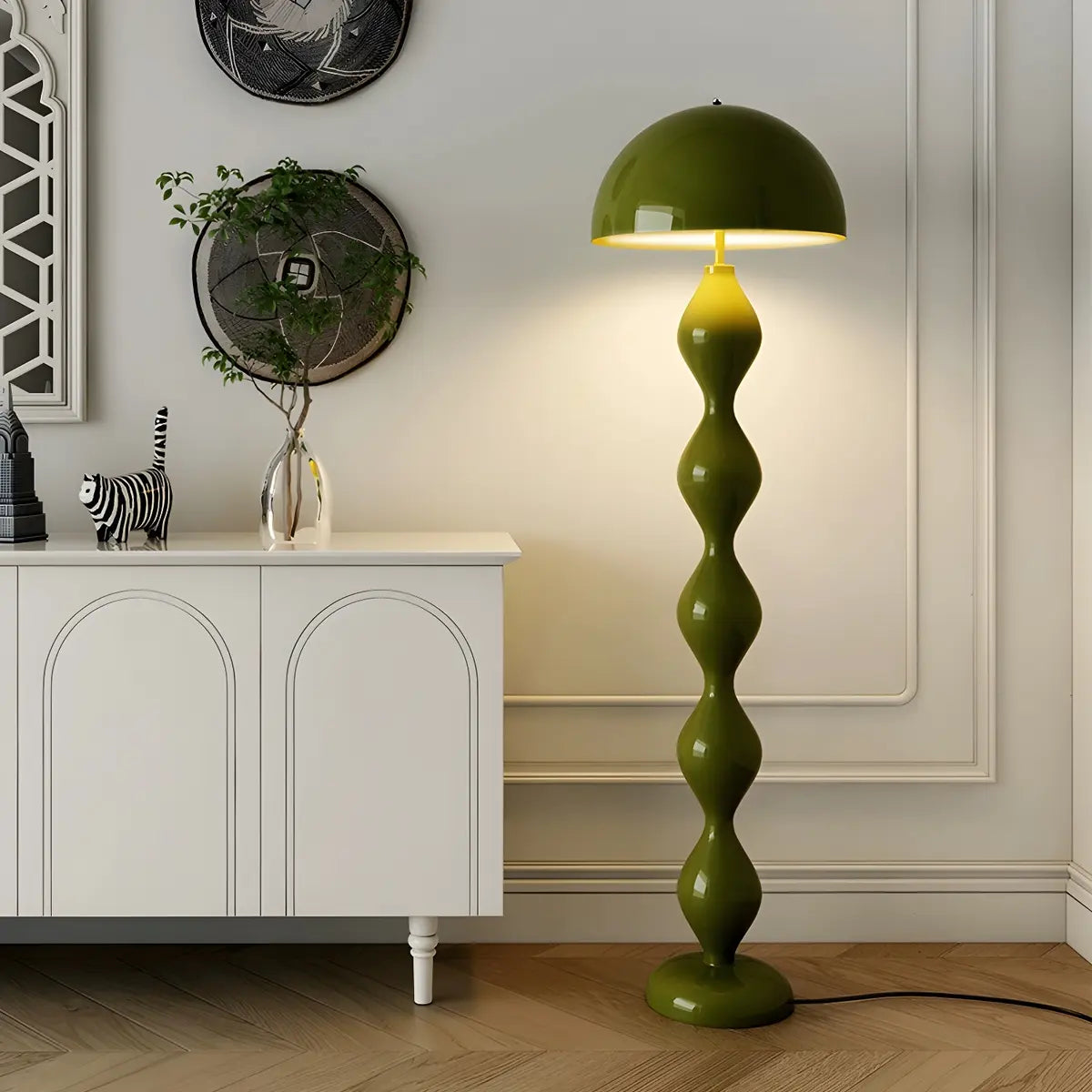
Dark corners collect stagnant energy. A floor lamp in these spots activates the area and brings it back into balance. This is especially helpful in rooms that feel uneven. By adding light to forgotten corners, you create a more complete and harmonious space.
Positioning behind seating areas

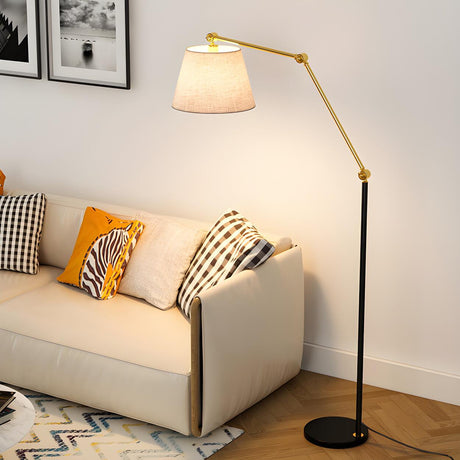
Placing a floor lamp behind your sofa or chair provides both practical light and a sense of support. In feng shui, having a solid element behind where you sit creates security and comfort. The lamp also eliminates shadows that can make a space feel less welcoming. This setup works well for reading or conversation areas.
Placement near entryways
A floor lamp near your entrance welcomes positive energy as it enters the room. It makes the space feel open and inviting from the moment someone walks in. This placement also serves a practical purpose-well-lit entryways are safer and more functional for daily use.
Spots to avoid
Some placements disrupt energy flow:
- Directly facing beds or seating (creates harsh, uncomfortable light)
- Blocking natural walking paths (forces awkward navigation)
- Between doors and windows (interrupts energy flow between openings)
Floor Lamp Style and Features for Feng Shui
The design details of your lamp affect the energy it creates. Choose features that align with how you use each space.
Curved vs angular lamp designs
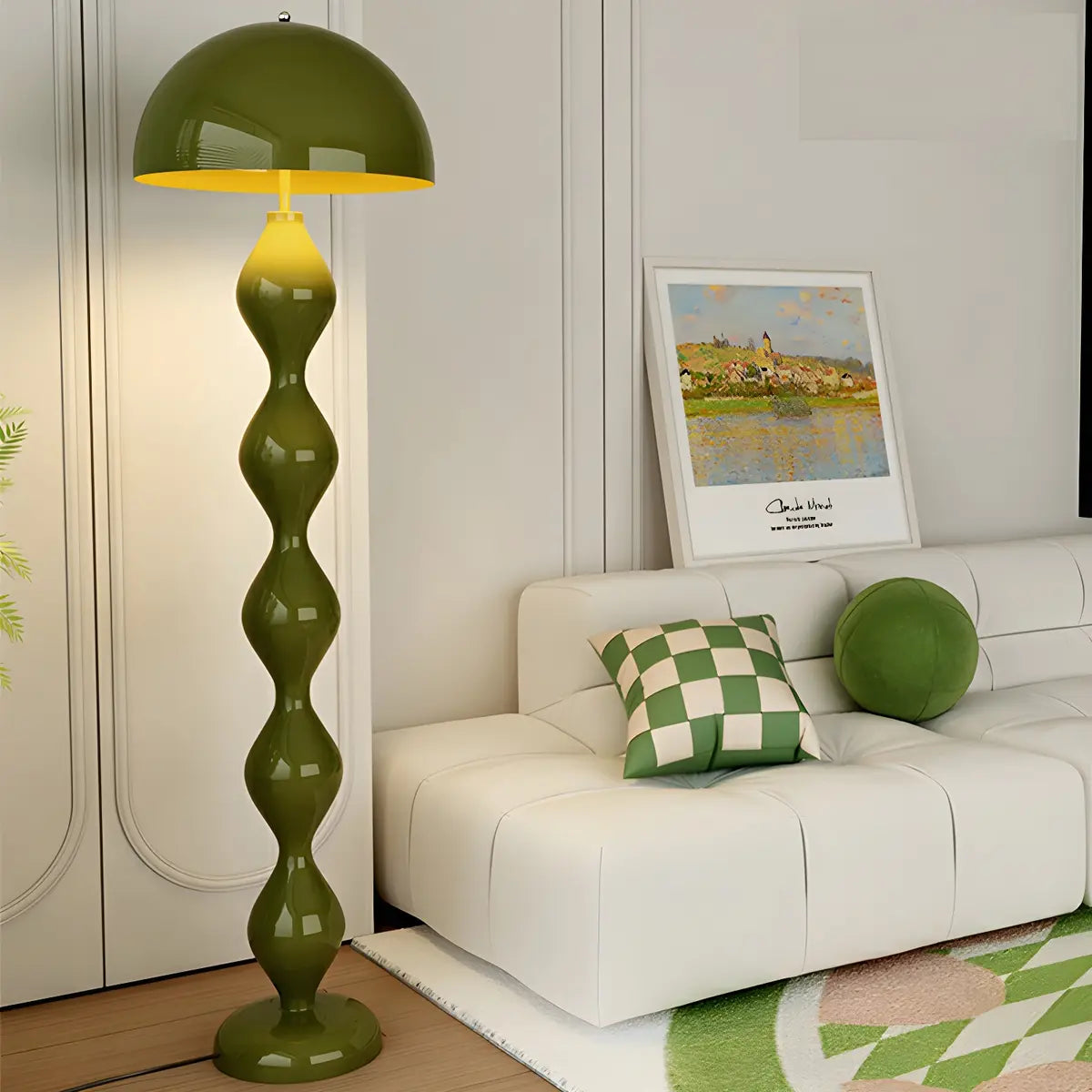
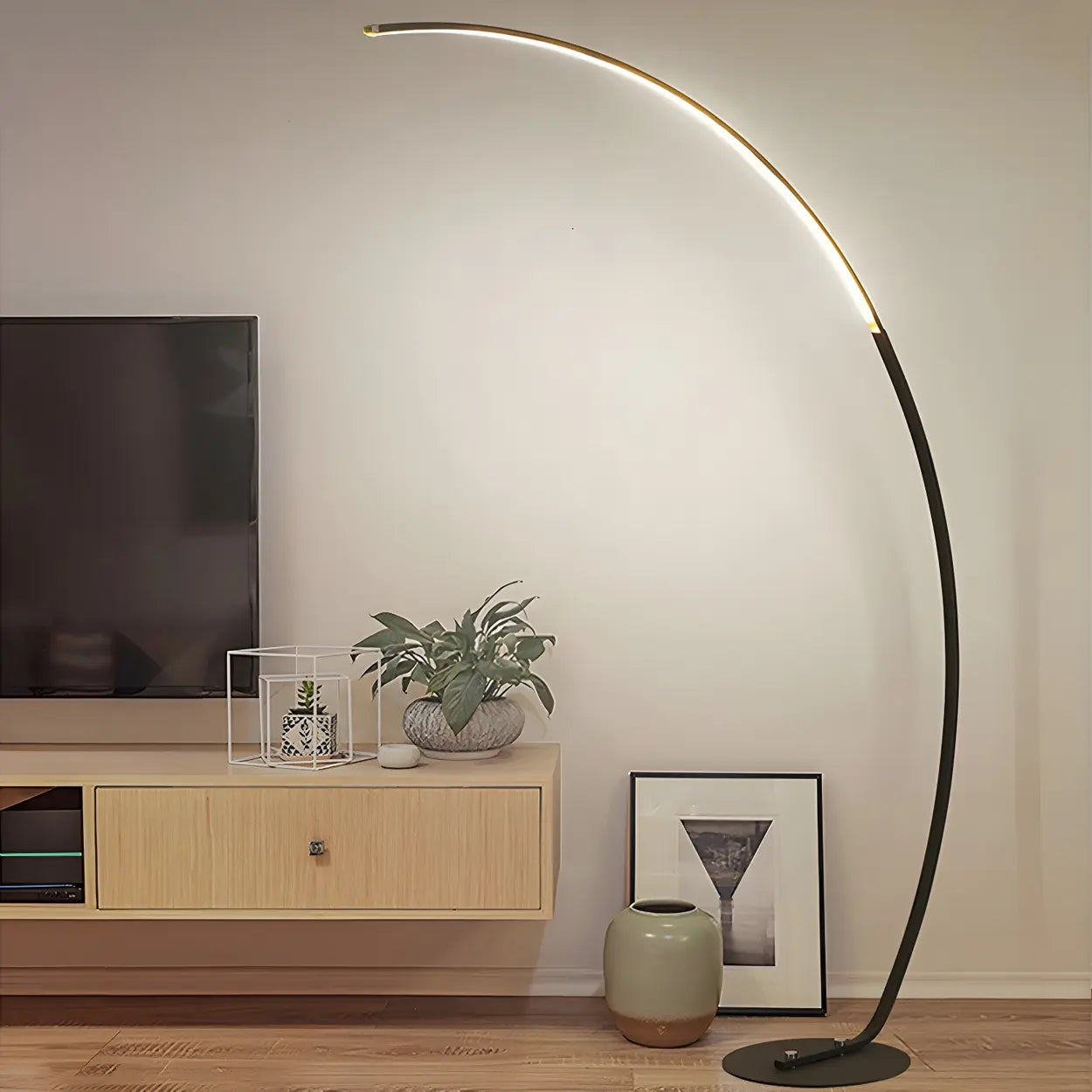
Rounded or curved lamp shades work best in relaxation spaces like living rooms and bedrooms because they promote calm, flowing energy. Angular or geometric designs suit home offices and study areas, where you need focus and mental clarity. Match the lamp shape to how you use the room.
Light temperature and brightness
Color temperature affects mood and energy:
| Light Type | Temperature | Best For |
| Warm light | 2700-3000K | Living rooms, bedrooms |
| Cool light | 4000-5000K | Home offices, task areas |
| Dimmable | Variable | Flexible spaces |
Material selection
Different materials support different areas of your life in feng shui. Wood lamps work well in health and family areas, bringing natural, grounding energy. Metal lamps suit work and study spaces, promoting clarity and precision. Make sure the lamp is in good condition-broken or chipped lamps represent damaged energy.
Floor Lamp Feng Shui by Room Type
Each room has specific needs based on its function. Here's how to position floor lamps in common spaces.
Living room setup
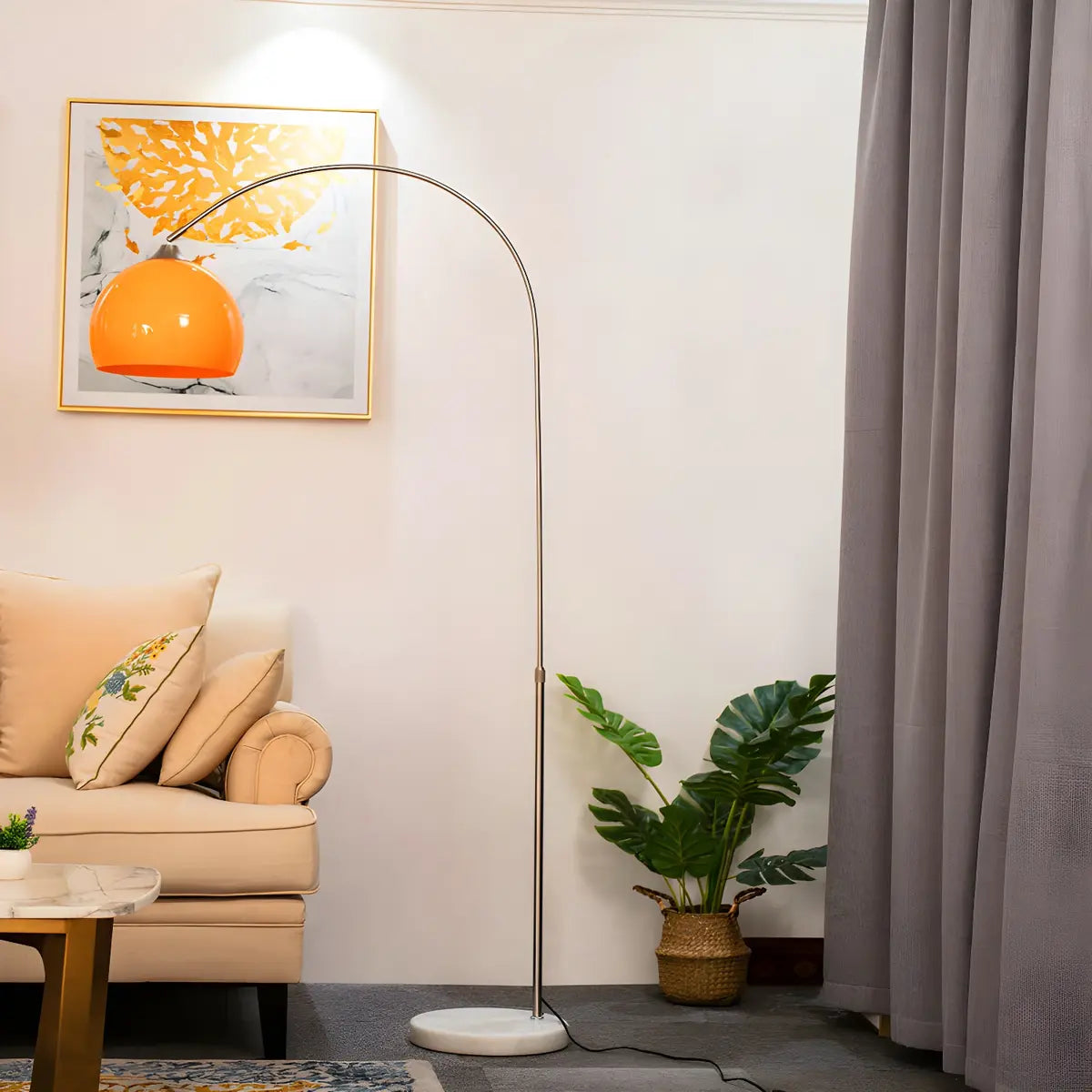
In living rooms, corner placement is traditional for wealth and prosperity in feng shui. Position floor lamps near seating areas where people gather to encourage conversation and connection. This creates warm pools of light that make the space feel intimate and welcoming.

Bedroom lighting
Bedrooms need soft, indirect light only. If you share the room with a partner, place matching lamps on both sides of the bed to maintain relationship balance and equality. Avoid bright or harsh lighting that disrupts the calm energy needed for rest.
Home office positioning
Place your floor lamp on the left side of your desk to boost creativity and new ideas. Make sure the light is bright enough to keep your energy levels up throughout the workday. Proper lighting in a home office prevents fatigue and maintains productivity.
Reading nook arrangement
For reading areas, position the lamp over your shoulder so light falls directly on your book or device. Choose an adjustable lamp that lets you direct light exactly where you need it. This prevents eye strain and creates a comfortable reading experience.
Common Floor Lamp Feng Shui Mistakes
Even with good intentions, these common errors can disrupt the energy in your space. Avoid these pitfalls to maintain better flow.
Using harsh overhead lighting only
Relying only on ceiling lights creates imbalance and harsh energy in a room. Overhead lighting casts shadows and feels cold. Floor lamps add softer, layered light that makes spaces feel more comfortable and lived-in. Mix different light sources for better energy flow.
Keeping burned-out bulbs
A dead bulb represents stagnant or blocked energy. Replace burned-out bulbs right away to maintain positive flow in your space. This simple task has a bigger impact on room energy than many people realize.
Overcrowding with too many lamps
More isn't always better. Too many floor lamps create visual chaos and confuse the energy in a room. One well-placed lamp often works better than multiple poorly positioned ones. Focus on quality placement rather than quantity.
Conclusion
Floor lamp feng shui combines practical lighting with energy principles to create spaces that feel better to live in. Small changes like moving a lamp to a dark corner or switching to warmer bulbs can shift how a room feels. At Homebaa, we offer diverse floor lamp styles at affordable prices to match your feng shui needs-from curved designs for bedrooms to angular styles for offices. Browse our collection to find the right piece for your space and budget.
Frequently Asked Questions
Which direction should a floor lamp face?
Which direction should a floor lamp face?
Point the light away from direct eye level to prevent glare. Aim it toward walls or corners rather than open pathways to illuminate the space effectively.
What color floor lamp is best for feng shui?
What color floor lamp is best for feng shui?
Neutral tones like white, beige, black, or wood finishes work well. Match colors to the room’s purpose—earth tones for bedrooms, metallics for offices—and avoid harsh contrasts.
Can I put a floor lamp in the bedroom?
Can I put a floor lamp in the bedroom?
Yes, but use soft, warm light and position lamps away from direct view of the bed. Fabric shades help diffuse light gently, avoiding bright or cool bulbs that disrupt sleep.
How many floor lamps should be in one room?
How many floor lamps should be in one room?
One or two strategically placed lamps usually suffice. Larger rooms can have more, but each lamp should serve a clear purpose to maintain balance.
Do LED bulbs affect feng shui?
Do LED bulbs affect feng shui?
No, the bulb type doesn’t matter. Focus on light quality—warm LEDs (2700–3000K) work best for a harmonious feel.
Should floor lamps match in pairs?
Should floor lamps match in pairs?
Yes, especially in bedrooms where symmetry supports balance. In living areas, varied lamps can work if they share style elements and don’t clash visually.