












![10 Best Floor Lamp for Reading [2026 Review]](http://www.homebaa.com/cdn/shop/articles/banner_c990b0a4-4743-4902-b6be-5609f7a21a90.webp?v=1766393057&width=400)



![How to Choose the Coffee Table Height? [2026 Newest Guide]](http://www.homebaa.com/cdn/shop/articles/coffee-table-height_2a1fd127-359f-4d5f-9ac1-3b232c7092a9.webp?v=1788166652&width=400)


Getting your floor lamp placement right makes your room more comfortable and functional. The wrong spot creates glare, blocks walkways, or leaves you squinting at your book. The right placement provides the exact lighting you need while keeping your space organized. This guide covers practical placement strategies for different rooms and purposes.
Table of Contents
Where to Place Floor Lamps in Different Rooms?
Different rooms need different lighting approaches based on how you use them.
Living room
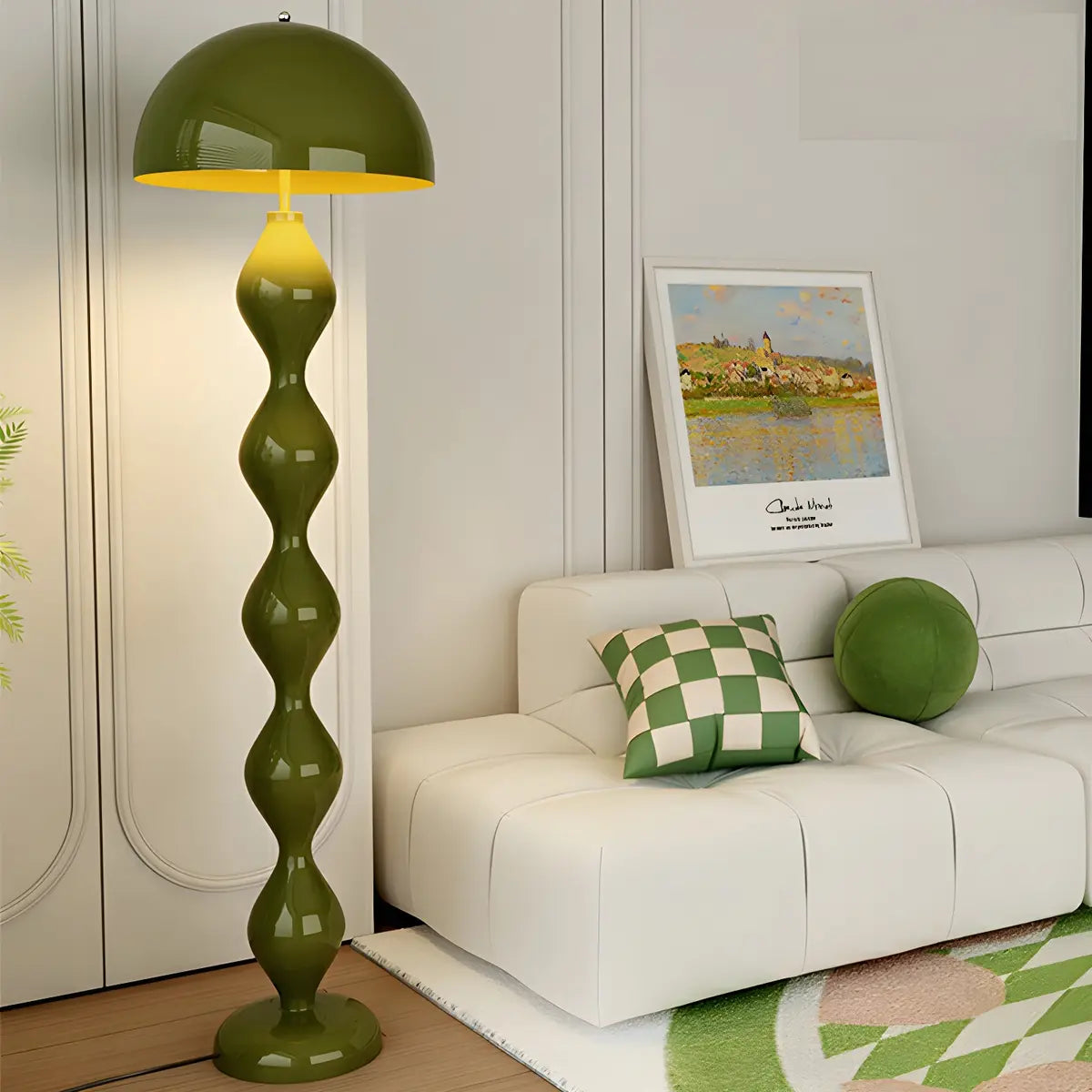
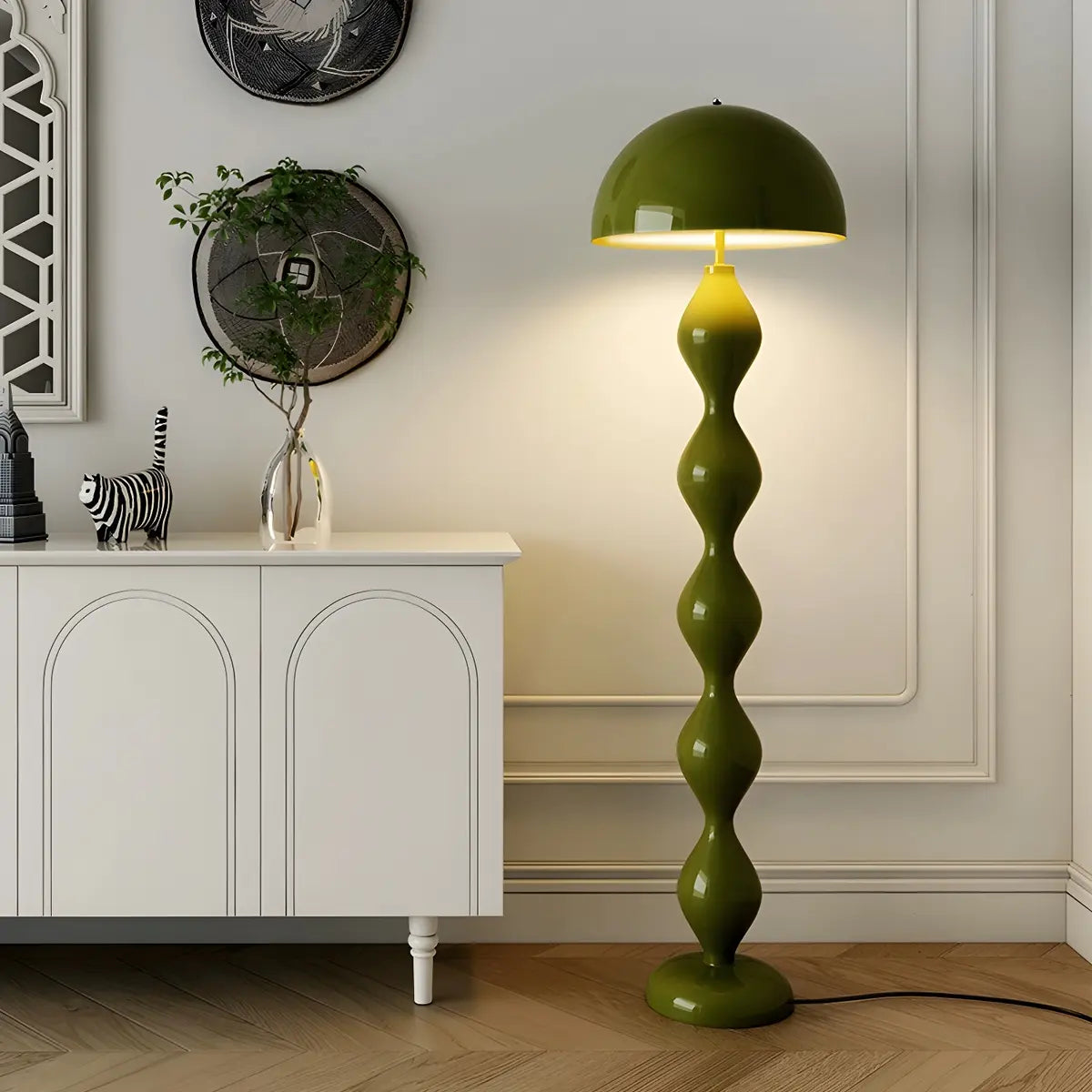
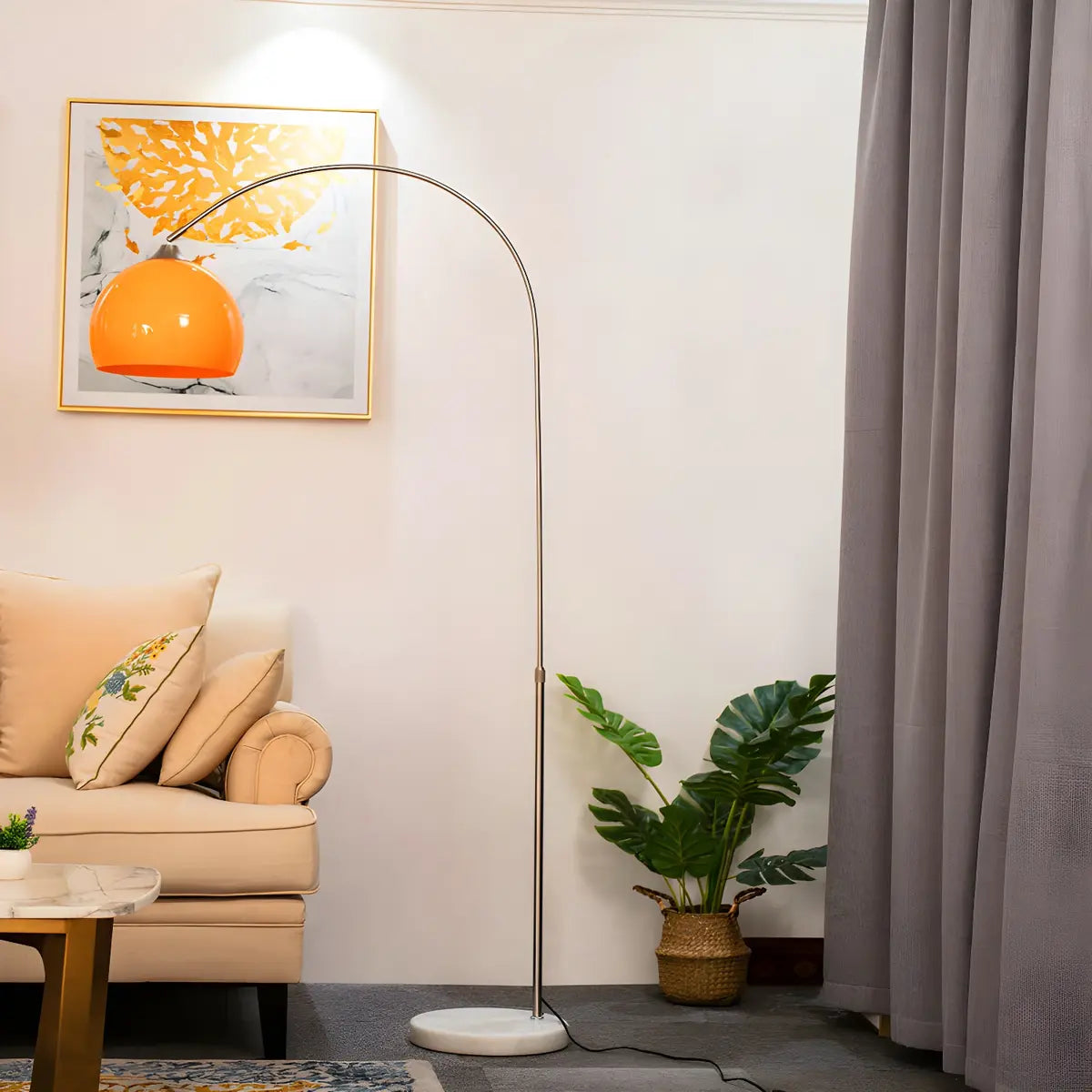
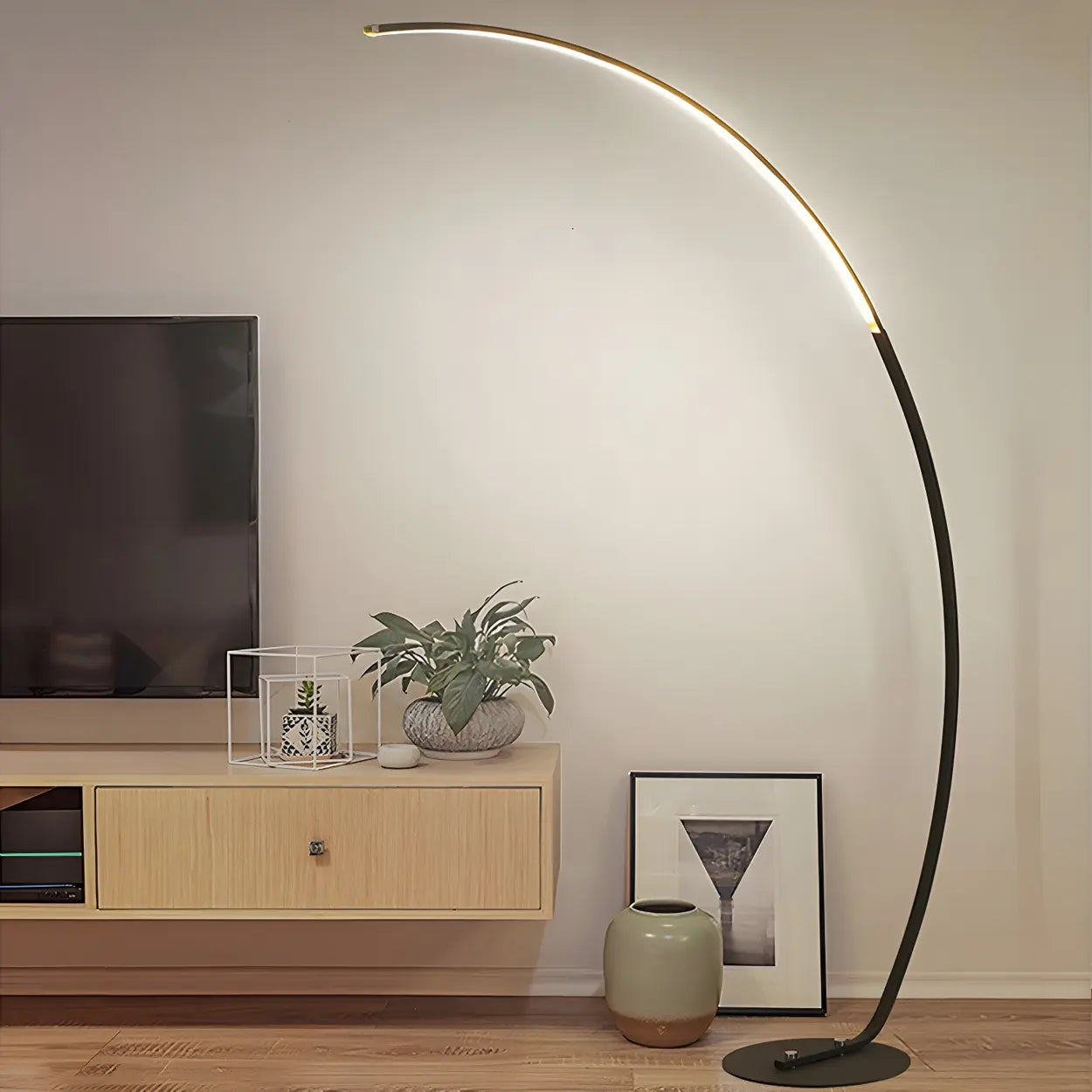
Position floor lamps beside seating areas where you'll actually use the light. Place an arc lamp behind or beside your sofa to cast light over the seating area without taking up floor space. Put a floor lamp near your reading chair, about 15-20 inches from the seat edge. For balance, add a lamp on one side of the room if you have a table lamp on the other.

Bedroom
Bedrooms work best with floor lamps in corners or beside chairs. If you're placing one near your bed, position it within arm's reach for easy switching, but not so close that you'll knock it over. A lamp with an adjustable head works well for bedside reading. Keep the base at least 6 inches from your mattress edge.
Home office
Your home office needs focused task lighting. Place a floor lamp beside or slightly behind your desk to illuminate your workspace without creating screen glare. Position it on the opposite side of your dominant hand-if you're right-handed, put it on your left to prevent shadows when writing. Keep the light source about 15 inches from your desk edge.
Reading corner
Create a comfortable reading nook by placing a floor lamp directly beside your chair. The lamp should be close enough that you can reach the switch without getting up. Position it so the light comes from behind and over your shoulder, typically 20-24 inches from the chair's center. The bottom of the lampshade should sit roughly at eye level when you're seated.
Floor Lamp Placement by Purpose
Your lighting goals determine where your floor lamp should go.
Reading and task lighting
Task lighting requires precise placement:
- Position the bulb 40-42 inches from the floor for comfortable reading height
- Place the lamp 10-15 inches to the side and slightly behind where you sit
- Keep the bulb out of your direct sight line to prevent glare
- Angle prevents shadows on your book or work surface
Ambient room lighting
For general room lighting, place torchiere lamps in corners to bounce light off the ceiling. This creates soft, indirect illumination throughout the space. You can also position a tall floor lamp behind furniture to add fill light without the fixture becoming a focal point. Spread multiple floor lamps around larger rooms-aim for one lamp per 100 square feet.

Accent and mood lighting
Use floor lamps to highlight architectural features or artwork. Place an uplight-style lamp in a corner to draw attention to ceiling height. Position spotlights 3-4 feet away from a wall to wash it with light. For mood lighting, choose lamps with dimmers and place them where they'll create warm pools of light.
Floor Lamp Placement Rules by Room Size
Room dimensions change how you should arrange your lighting.
Small spaces
In compact rooms, choose slim-profile floor lamps that fit into tight corners or behind furniture. Arc lamps work well in small spaces because they curve over seating without requiring floor space where the light actually falls. Stick to one or two lamps in rooms under 150 square feet. Place them where they'll provide the most function, like beside your most-used chair.

Large open areas
Big rooms need multiple light sources to feel balanced. Place floor lamps in conversation areas to create intimate zones within the larger space. Keep at least 8-10 feet between lamps to avoid over-lighting specific areas. In open-plan spaces, use floor lamps to visually define different zones - a floor lamp beside a sofa signals "living area," while one near a desk marks "workspace."
Corner solutions
Corners are natural spots for floor lamps since they're out of traffic flow and near electrical outlets. Place a tall torchiere in a dark corner to brighten the entire room. Use corners beside furniture-next to a sofa end, or beside a chair-for functional lighting that doesn't waste space. Leave 4-6 inches between the lamp base and walls to prevent scuff marks.
Floor Lamp Distance and Height Guidelines
Proper measurements ensure your floor lamps work effectively. The table below provides quick references for common scenarios.
| For / From | Recommended Distance / Height | Primary Purpose |
| General: From Furniture | 8-12 inches away | Prevents bumping, maintains function |
| General: From Walls | 6-12 inches away | Allows cord space, prevents heat damage |
| For Reading | Bulb 40-42 inches from floor | Reduces eye strain |
| For Ambient Light | Bulb 60-72 inches from floor | Spreads light widely |
| For Task Lighting | Bulb 50-55 inches from floor | Effectively illuminates work surface |
| Beside a Chair | 15-20 inches from seat center | Optimal light for reading |
| Behind a Sofa | At least 6 inches from sofa back | Prevents obstruction, allows access |
Never push a lamp flush against a wall-it creates hot spots and makes changing bulbs difficult.
Common Floor Lamp Placement Mistakes
Avoid these frequent errors when positioning your floor lamps.
Blocking pathways
Keep all floor lamps outside main traffic paths-at least 24 inches from doorways and hallway routes. In small rooms, use corners or spots behind furniture. Test your placement by walking through the room normally; if you need to sidestep or squeeze past, move the lamp.
Creating glare on screens
Never place a floor lamp where it reflects off TV screens or computer monitors. Position lamps to the side of screens, not behind or directly in front. The light should illuminate the space around your screen without creating bright spots on it.
Placing too far from outlets
Floor lamps work best within 6 feet of outlets. Extension cords create tripping hazards and look messy. When you must use an extension cord, secure it along baseboards with cord clips-never stretch it across open floor space.
Ignoring room traffic flow
Watch how people move through your space before committing to lamp placement. A lamp that's fine during quiet reading time might block the path during busy periods. Place lamps where they enhance function without interfering with daily movement patterns.
Conclusion
Smart floor lamp placement combines function with aesthetics-putting light exactly where you need it while enhancing your room's overall feel. Start with your room's purpose, consider how you use the space, and position lamps to support those activities. At Homebaa, we offer diverse floor lamp styles at affordable prices for every space and need. Visit us to find the right lighting solution for your home.
FAQ
How far should a floor lamp be from a couch?
How far should a floor lamp be from a couch?
Place the lamp 8–12 inches from the edge of the couch. This keeps it within easy reach while preventing bumps. For reading, positioning it closer to about 10 inches works best.
Can you put a floor lamp behind a TV?
Can you put a floor lamp behind a TV?
No. Placing a floor lamp directly behind a TV causes eye strain due to high contrast. It’s better to position lamps to the side or use dedicated bias lighting behind the screen.
What height should a floor lamp be next to a chair?
What height should a floor lamp be next to a chair?
For reading, choose a lamp where the bulb sits about 40–42 inches from the floor. The bottom of the shade should be near eye level when seated to reduce glare.
Should floor lamps go in corners?
Should floor lamps go in corners?
Yes. Corners are ideal because they keep lamps out of walkways, make use of unused space, and are often close to outlets. Tall torchiere lamps work especially well here.
How many floor lamps should a room have?
How many floor lamps should a room have?
A good rule is one floor lamp per 100 square feet. Small rooms usually need one or two, while larger spaces benefit from three or more for balanced lighting.


