










![10 Best Floor Lamp for Reading [2026 Review]](http://www.homebaa.com/cdn/shop/articles/banner_c990b0a4-4743-4902-b6be-5609f7a21a90.webp?v=1766393057&width=400)



![How to Choose the Coffee Table Height? [2026 Newest Guide]](http://www.homebaa.com/cdn/shop/articles/coffee-table-height_2a1fd127-359f-4d5f-9ac1-3b232c7092a9.webp?v=1788166652&width=400)


There are many floor lamp types available for home lighting. Each design serves a specific purpose, from brightening a whole room to providing light for reading. This guide covers the most common types of floor lamps and explains how they function in a typical house to help you choose the right one.
Table of Contents
7 Common Floor Lamp Types
Understanding the physical design of each lamp helps in deciding where it fits best. Here are the primary styles found in most homes.
| Floor Lamp Type | Lighting Direction | Best Placement |
| Traditional | Downward and Outward | Beside a lounge chair |
| Torchiere | Upward | Dark corners of a room |
| Arc | Overhead | Over a sofa or coffee table |
| Tripod | Outward/Diffused | Large open living spaces |
| Tree | Multiple Directions | Reading areas or hobby rooms |
| Pharmacy | Focused/Downward | Beside a desk or bed |
| With Table | Downward/Task | Small apartments or bedsides |
Traditional floor lamps

A traditional floor lamp is a simple and functional design. It features a straight vertical pole made of metal or wood, supported by a weighted base. A shade sits at the top to cover the bulb. The shade is usually a drum or cone shape, which helps diffuse the light so it does not hurt your eyes. People often place these in corners to provide general light that spreads across the walls.
Torchiere floor lamps

The torchiere is easily recognized by its upward-facing, bowl-shaped shade. Instead of spreading light sideways, it directs all the illumination toward the ceiling. The light then bounces off the ceiling and reflects back into the room. This provides a soft, indirect light that can fill a large area without causing glare on screens or mirrors. It is a good choice for rooms that do not have built-in ceiling lights.
Arc floor lamps

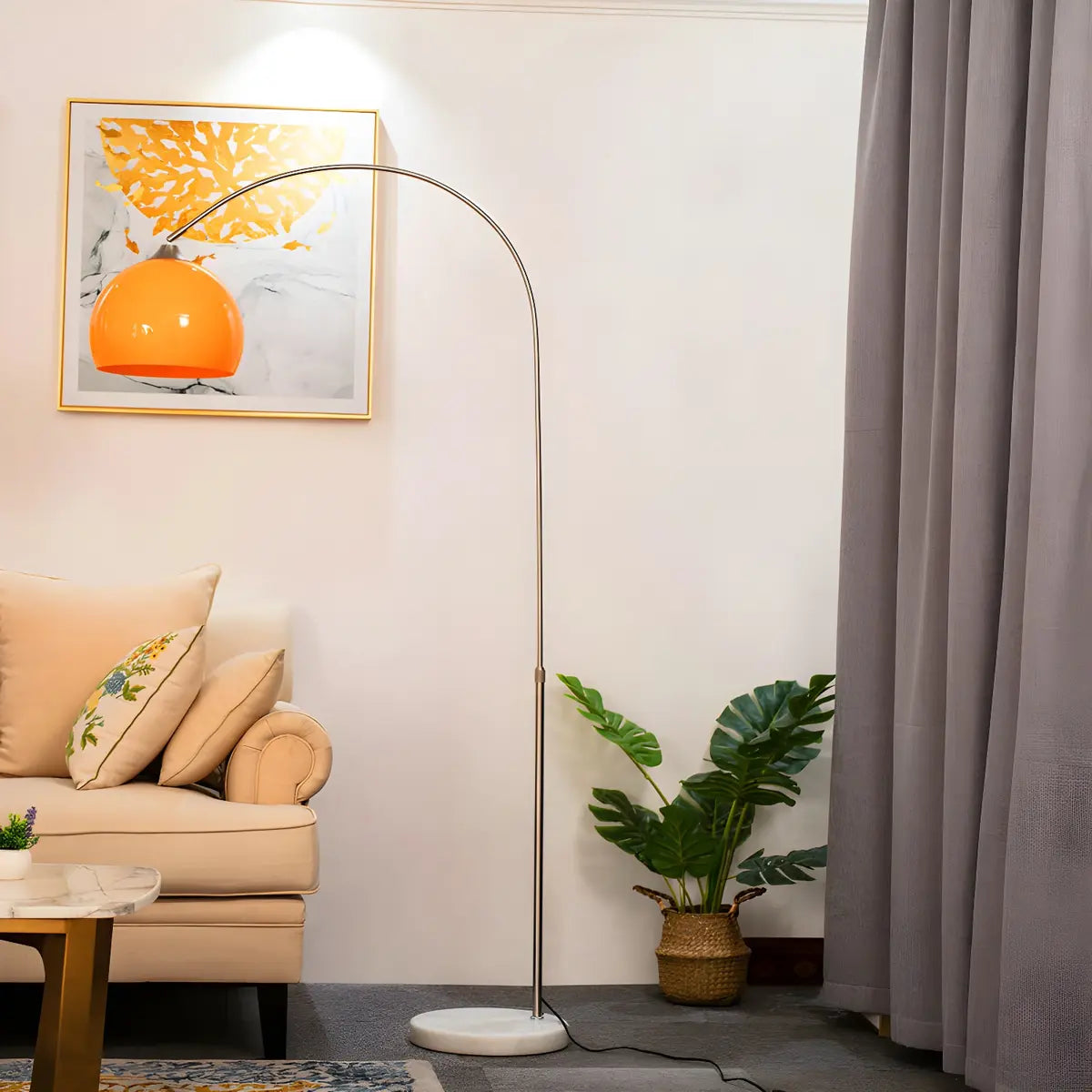
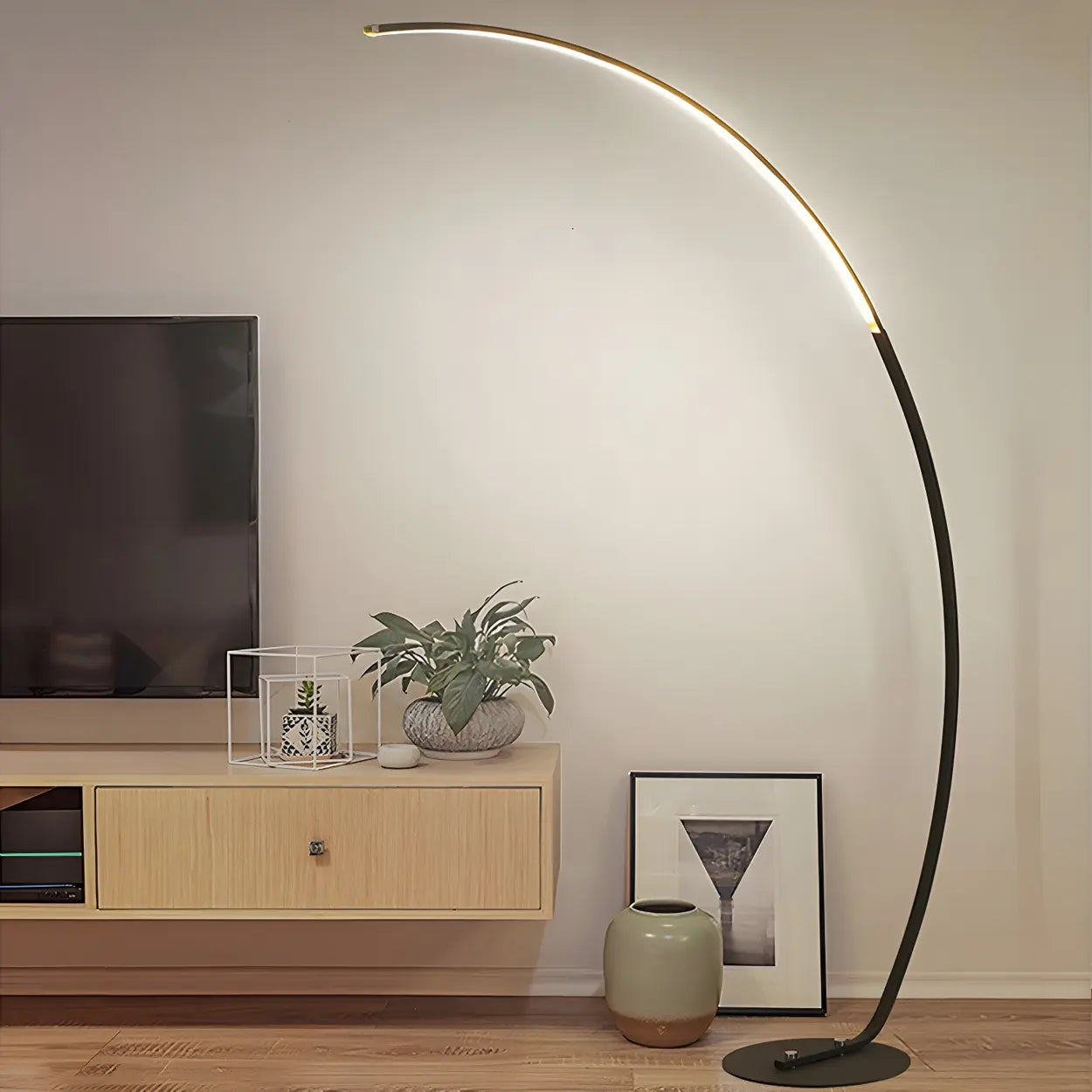
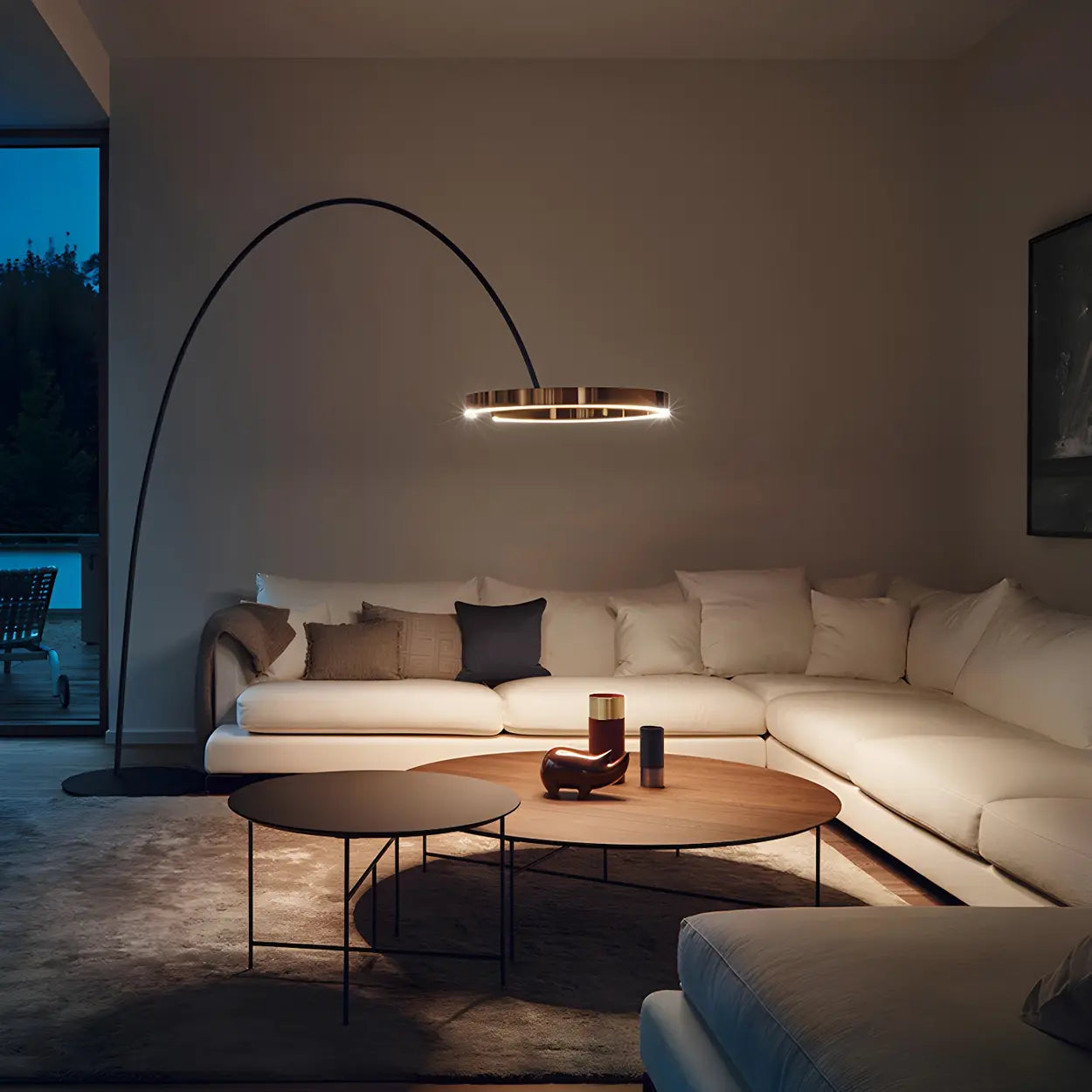
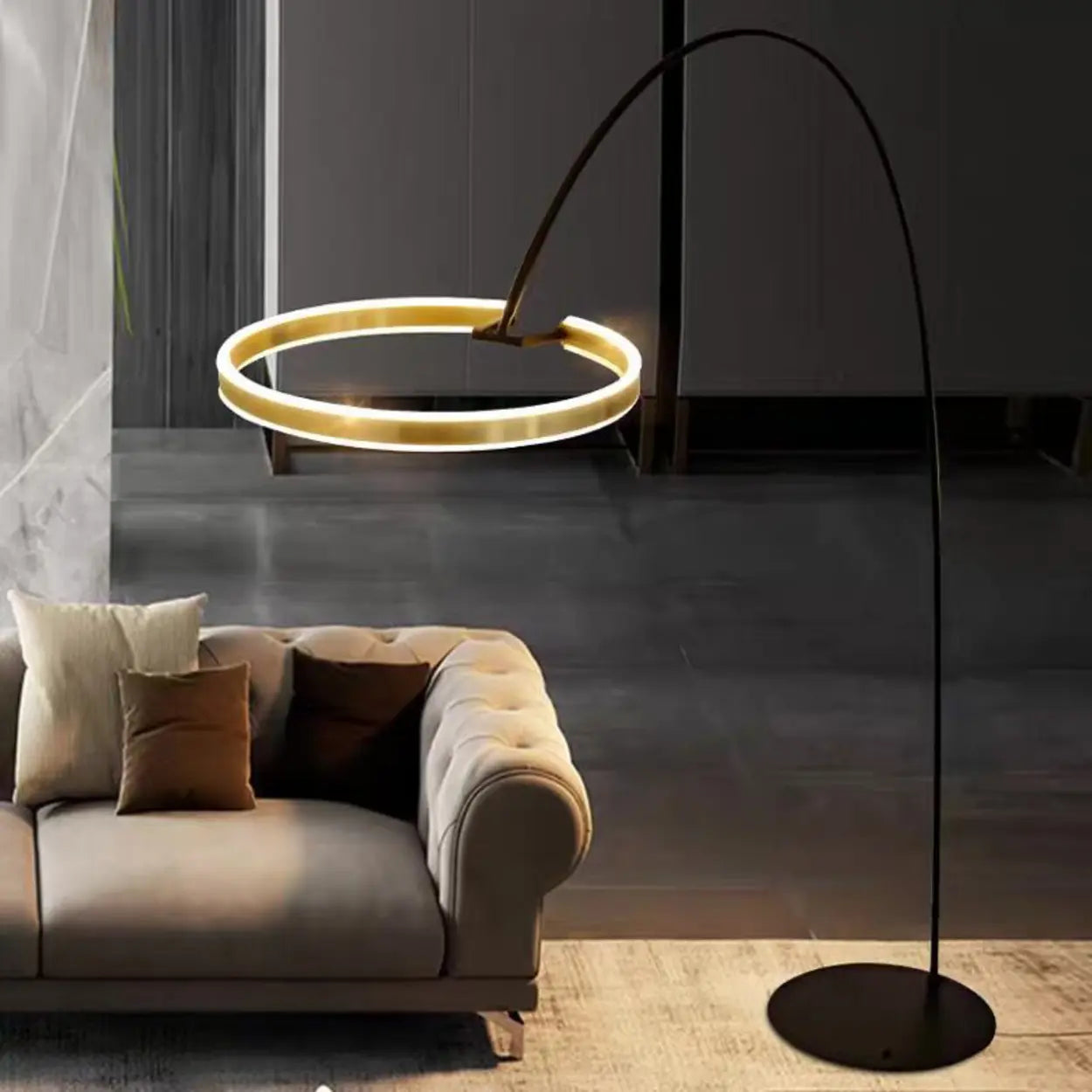
Arc floor lamps have a long, curved arm that extends out from the base. This design allows the light bulb to hang over a specific spot, even if the base is several feet away. For example, you can tuck the base behind a sectional sofa and have the light hang directly over the center of the seating area. Because they are often quite large, they work well in rooms with high ceilings.
Tripod floor lamps

Unlike the standard single-pole lamp, the tripod floor lamp has three legs that meet at the top. This structure makes the lamp very stable and prevents it from tipping over easily. Tripod lamps usually have a larger footprint, meaning they take up more floor space. They are often used as a decorative piece in a living room because the three-leg design is visually interesting.
Tree floor lamps

A tree floor lamp has one main pole with several smaller branches sticking out at different heights. Each branch has its own light bulb and a small shade. Most tree lamps allow you to move the branches or rotate the shades. This is helpful if you want to point one light at a book you are reading while pointing another toward a dark corner or a painting on the wall.
Pharmacy floor lamps

Pharmacy floor lamps are generally shorter than other types. They feature a thin, adjustable arm and a metal shade that directs light in a very narrow beam. These are designed for tasks that require a lot of light, such as sewing, writing, or reading small print. The metal shade prevents light from leaking out the sides, so it only shines exactly where you point it.
Floor lamps with tables

This type combines a lamp with a piece of furniture. A small shelf or a circular table is attached to the middle of the lamp pole. These are very practical for small spaces because you do not need to buy a separate side table. You can use the built-in surface to hold a phone, a cup of coffee, or a TV remote while the lamp provides light from above.
How to Pick the Right Floor Lamp Type for Your Room?
Selecting the right model depends on what you plan to do in the room and how much space you have. Using the right types of floor lamps ensures your space is functional.
Choosing for general room brightness
If your room feels dark and you want to add more light overall, look for torchieres or traditional lamps with light-colored shades.
- Torchieres are the most effective for brightening a whole room because they use the ceiling to spread light.
- Traditional lamps work well for filling in shadows in the corners of a room.
Selecting for reading and hobbies
When you need to see details, you need task lighting. Standard shaded lamps might not be bright enough for things like crafts or reading.
- Pharmacy lamps provide a concentrated beam that reduces eye strain.
- Tree lamps allow you to adjust the angle of the light, which is useful if you change positions while working.
Picking for furniture layout and style
The layout of your furniture can limit where you put a lamp.
- Arc lamps are the best solution when you cannot fit a lamp base right next to your chair. The curved arm reaches over the furniture.
- Floor lamps with tables are the right choice for tight spaces where every inch of floor space is valuable.
Final Thoughts
Understanding different floor lamp types helps you find the right lighting for your home. Each model has a specific function, whether you need to light a corner or a desk. Homebaa offers various types of floor lamps that are durable and affordable.
Frequently Asked Questions
What is the standard height for floor lamps?
What is the standard height for floor lamps?
Most floor lamps are between 58 and 64 inches tall. When seated, the bottom of the lampshade should be around eye level to prevent the bulb from shining directly into your eyes.
Where should I place a floor lamp in a living room?
Where should I place a floor lamp in a living room?
Common placements include corners to reflect light off walls, beside a sofa for reading, or behind a chair to add layered lighting to the seating area.
Can I use LED bulbs in floor lamps?
Can I use LED bulbs in floor lamps?
Yes, most modern floor lamps work with LED bulbs. LEDs stay cool, use less energy, and last longer. Just confirm the bulb base matches the socket, usually a standard E26.
How do I hide floor lamp cords?
How do I hide floor lamp cords?
Use small cord clips to secure the wire along the back of the lamp pole, hide it under a rug, or use a cord cover that blends with your floor or baseboard color.
Which lamp is best for a dark corner?
Which lamp is best for a dark corner?
A torchiere floor lamp works best for dark corners. Its upward-facing light reflects off the ceiling and walls, filling the space with soft, even illumination.


