












![10 Best Floor Lamp for Reading [2026 Review]](http://www.homebaa.com/cdn/shop/articles/banner_c990b0a4-4743-4902-b6be-5609f7a21a90.webp?v=1766393057&width=400)



![How to Choose the Coffee Table Height? [2026 Newest Guide]](http://www.homebaa.com/cdn/shop/articles/coffee-table-height.webp?v=1766393873&width=400)


When shopping for furniture, you might notice the words modern and contemporary used as the exact same term. This creates confusion and can easily lead to buying pieces that clash. Understanding modern vs contemporary design helps you pick decor that naturally fits together. One concept refers to a specific time in history, while the other describes what is trending right now.
Table of Contents
What Is Modern Interior Design?

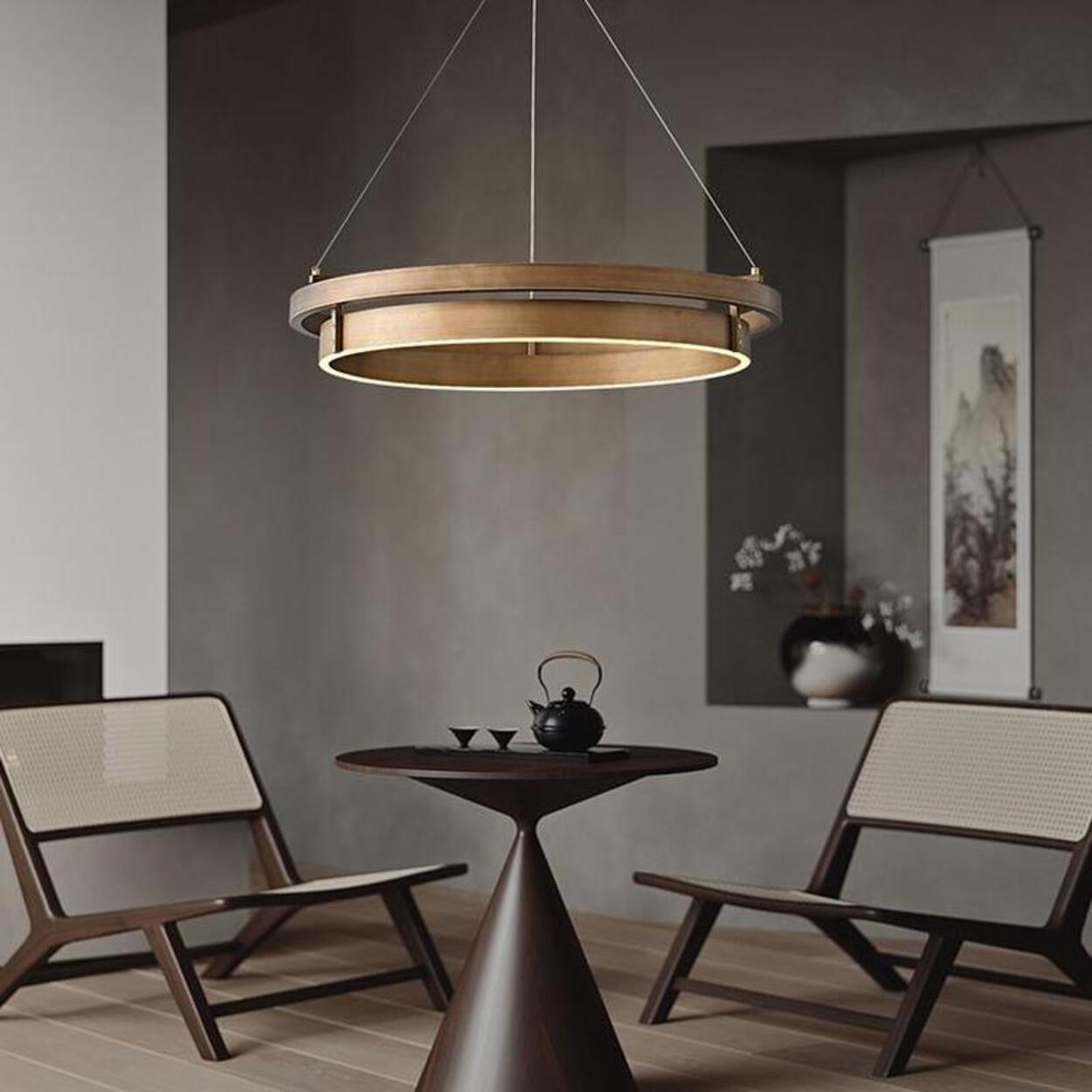
Modern design began around the 1920s and peaked in the 1950s after growing from the Bauhaus movement. Designers during this era moved away from heavy, carved details. They focus instead on creating practical pieces for everyday living. Here are the key features of modern design:
- Function over form: Every piece of furniture has a clear, practical purpose.
- Clean lines: Spaces feature strong horizontal and vertical lines without extra frills.
- Earthy colors: Palettes rely on warm neutrals like rust, brown, and olive green.
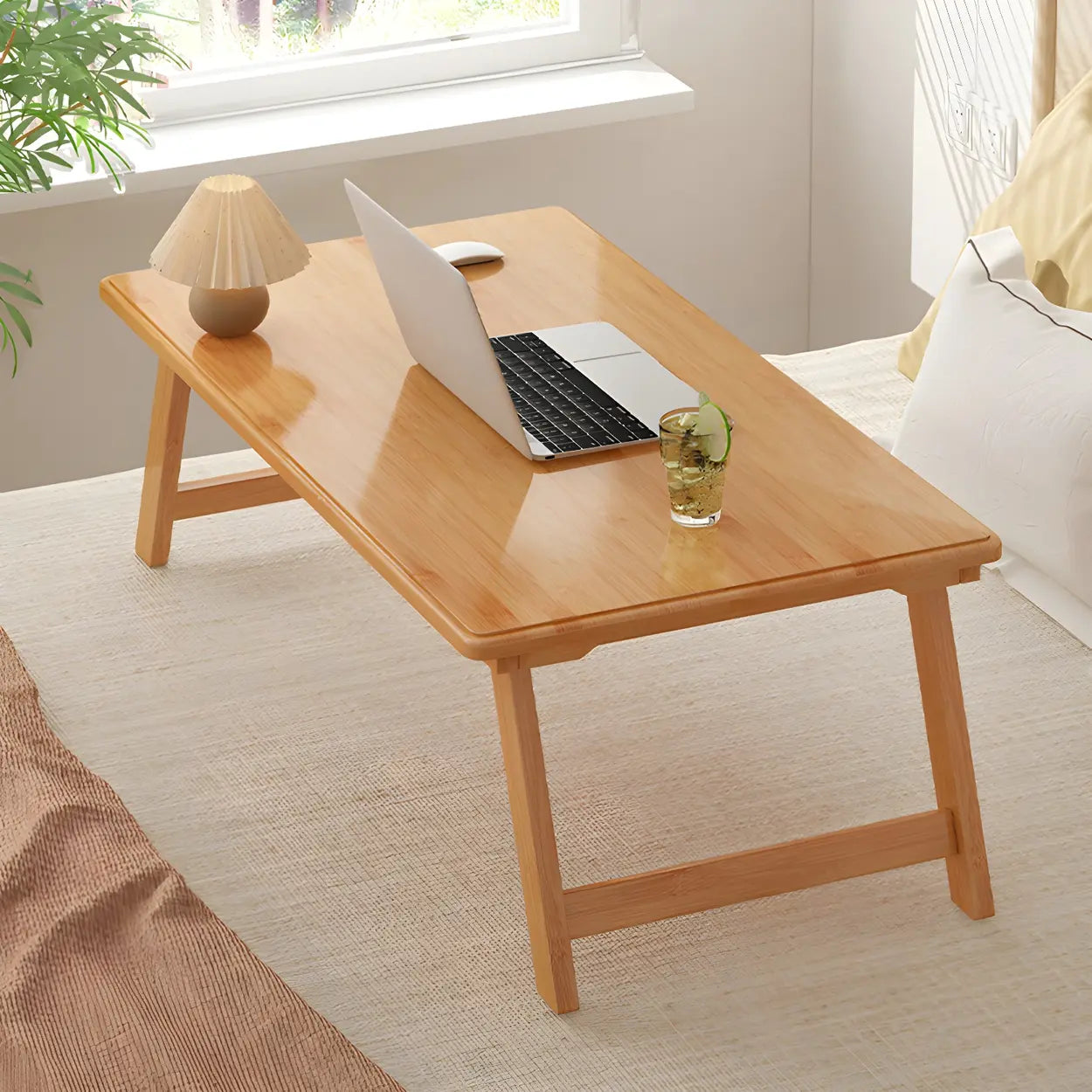
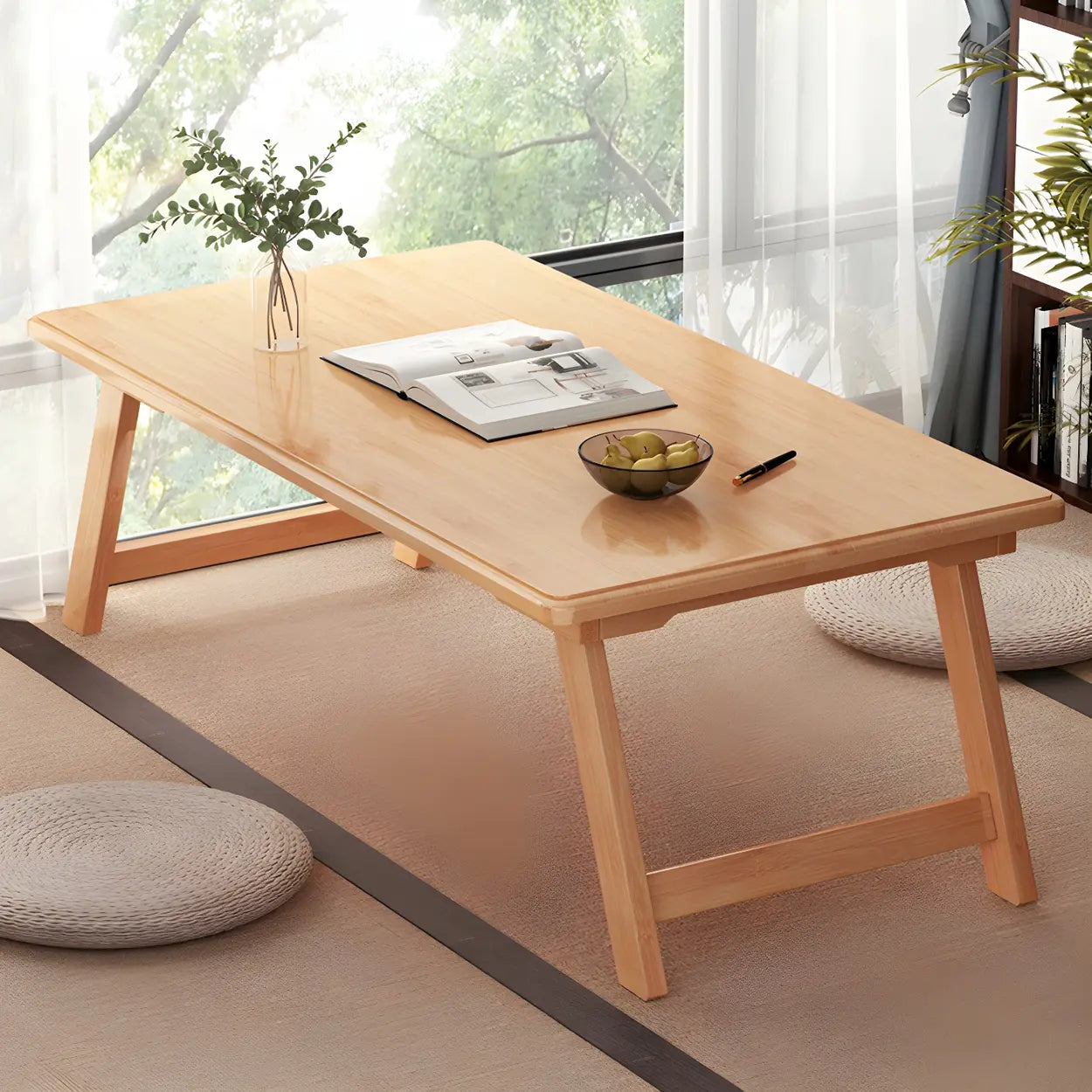
- Natural materials: Rooms use plenty of exposed wood, leather, and natural stone.
What Is Contemporary Style?

Unlike modernism, "contemporary" does not belong to a specific time period. Contemporary simply means of the moment, representing the styles, materials, and colors trending right now. Because it reflects the present, this design approach borrows elements from various eras. It then constantly shifts as new ideas and manufacturing methods become available. Here are the key features of contemporary design:
- Stark contrasts: Palettes heavily feature black, white, and cool grays.
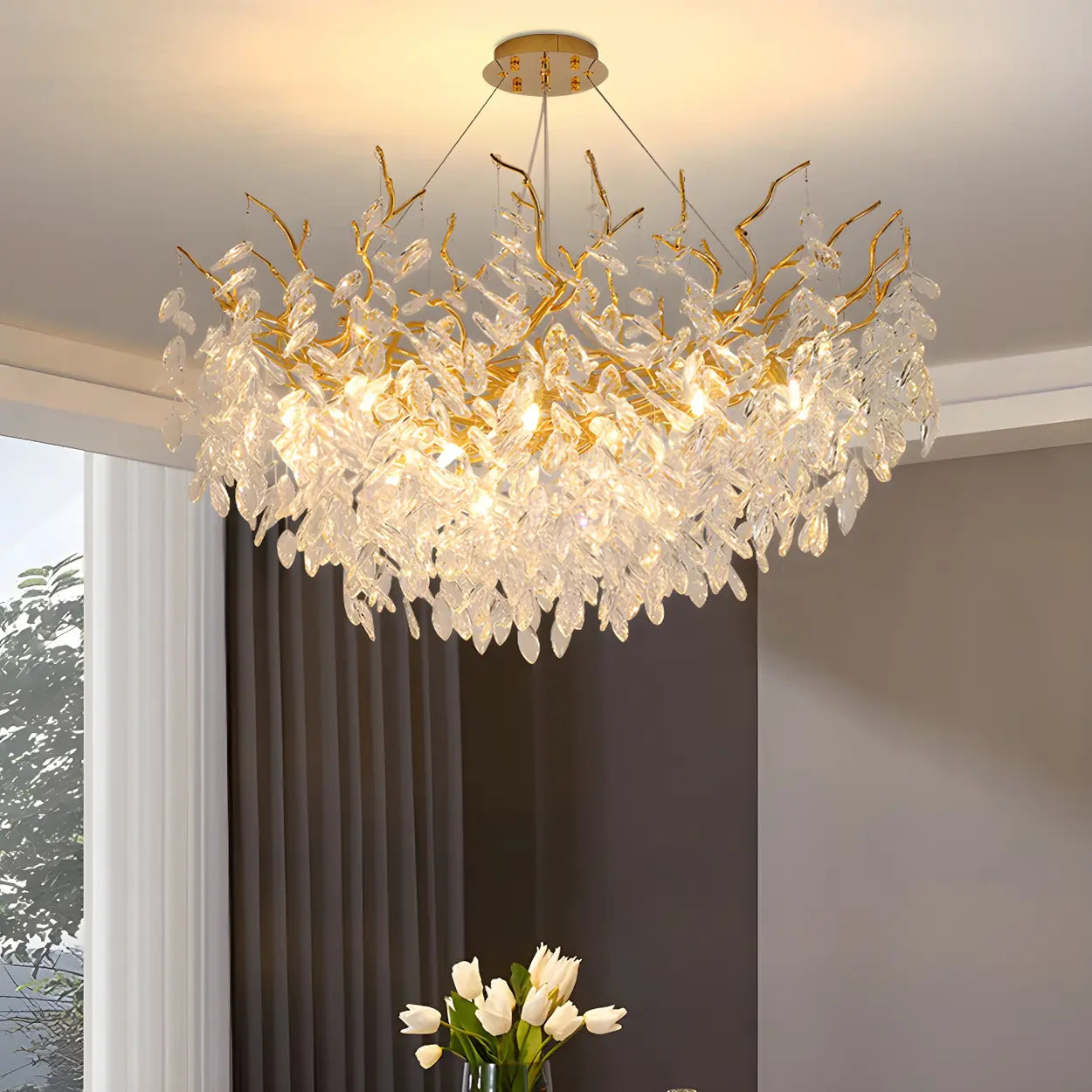
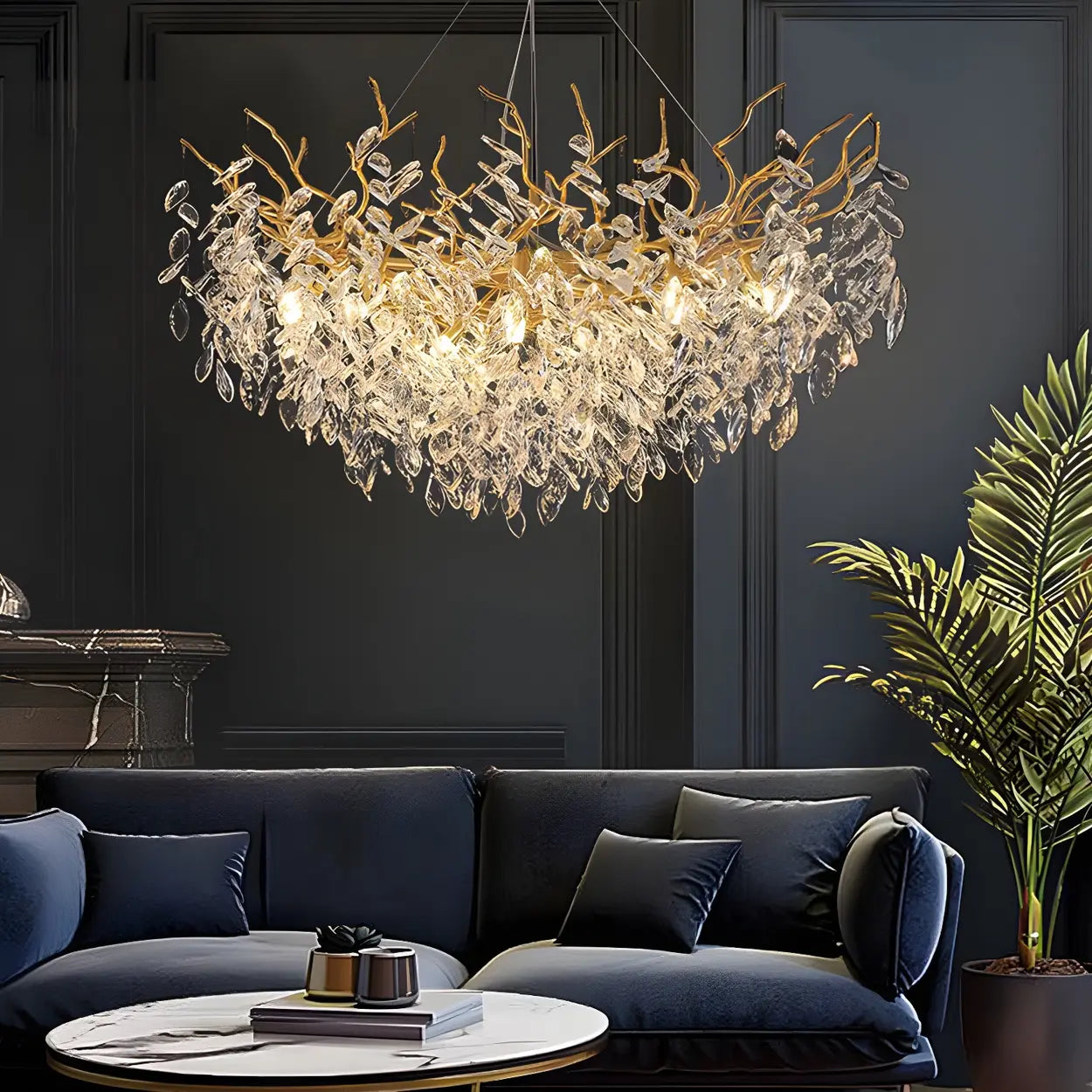
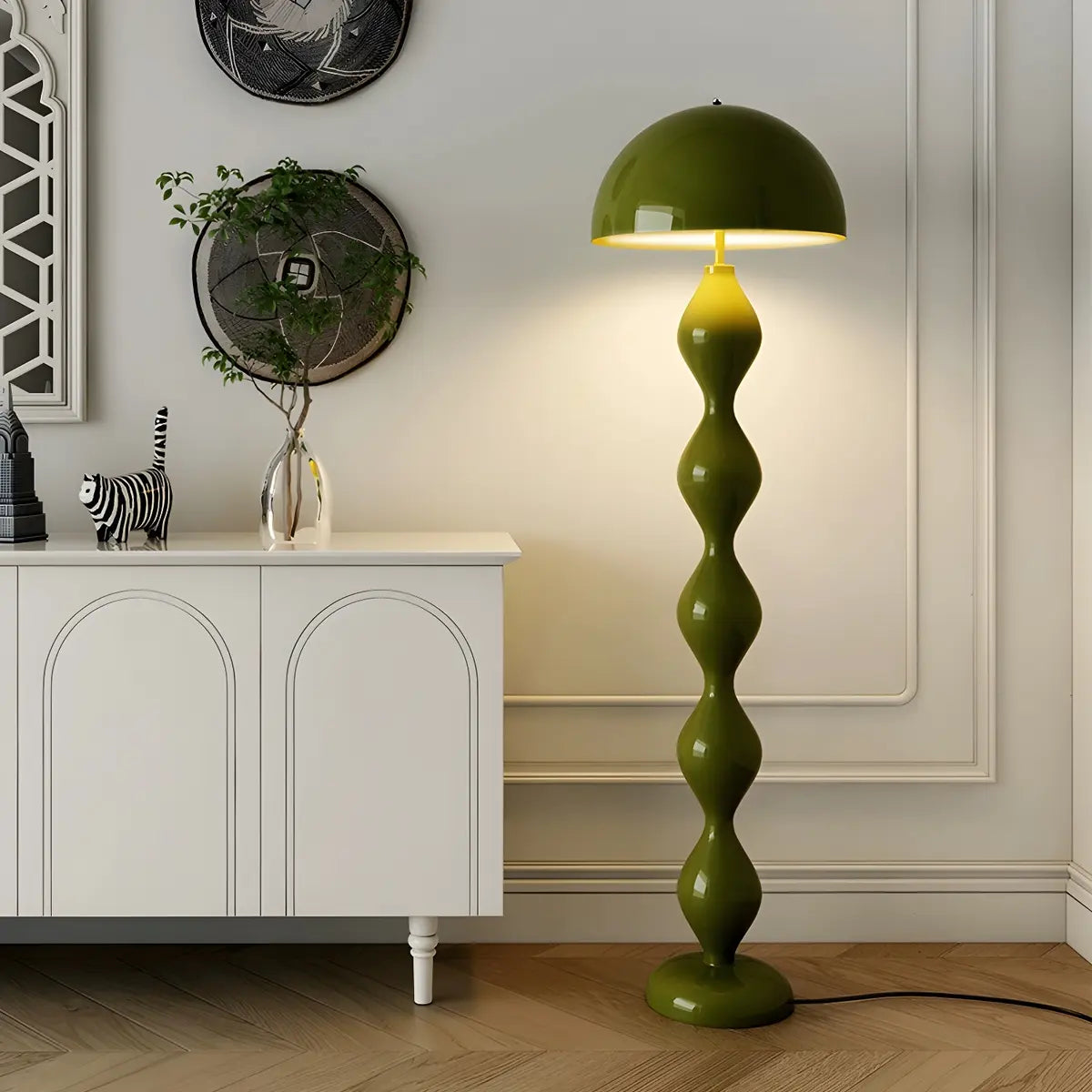
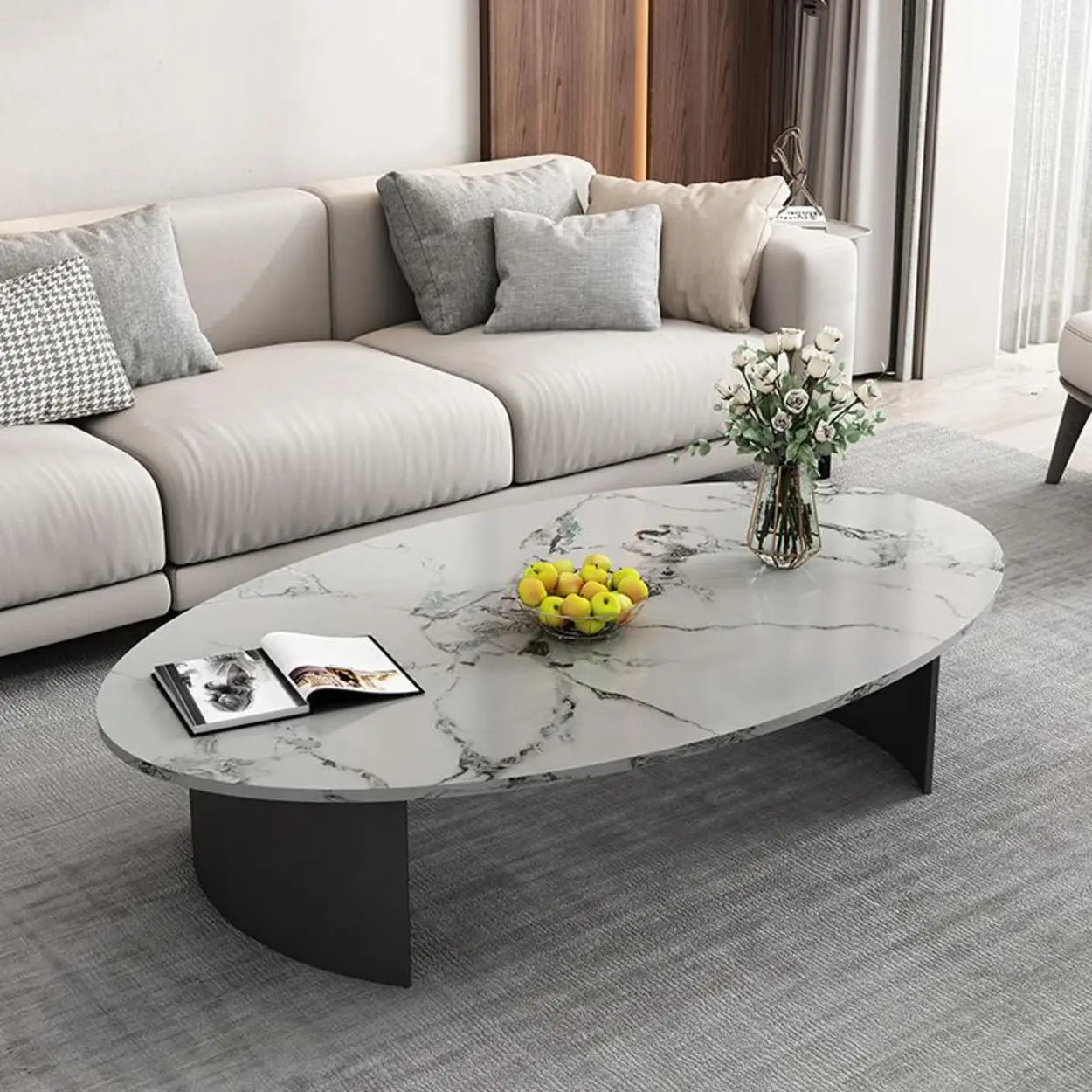
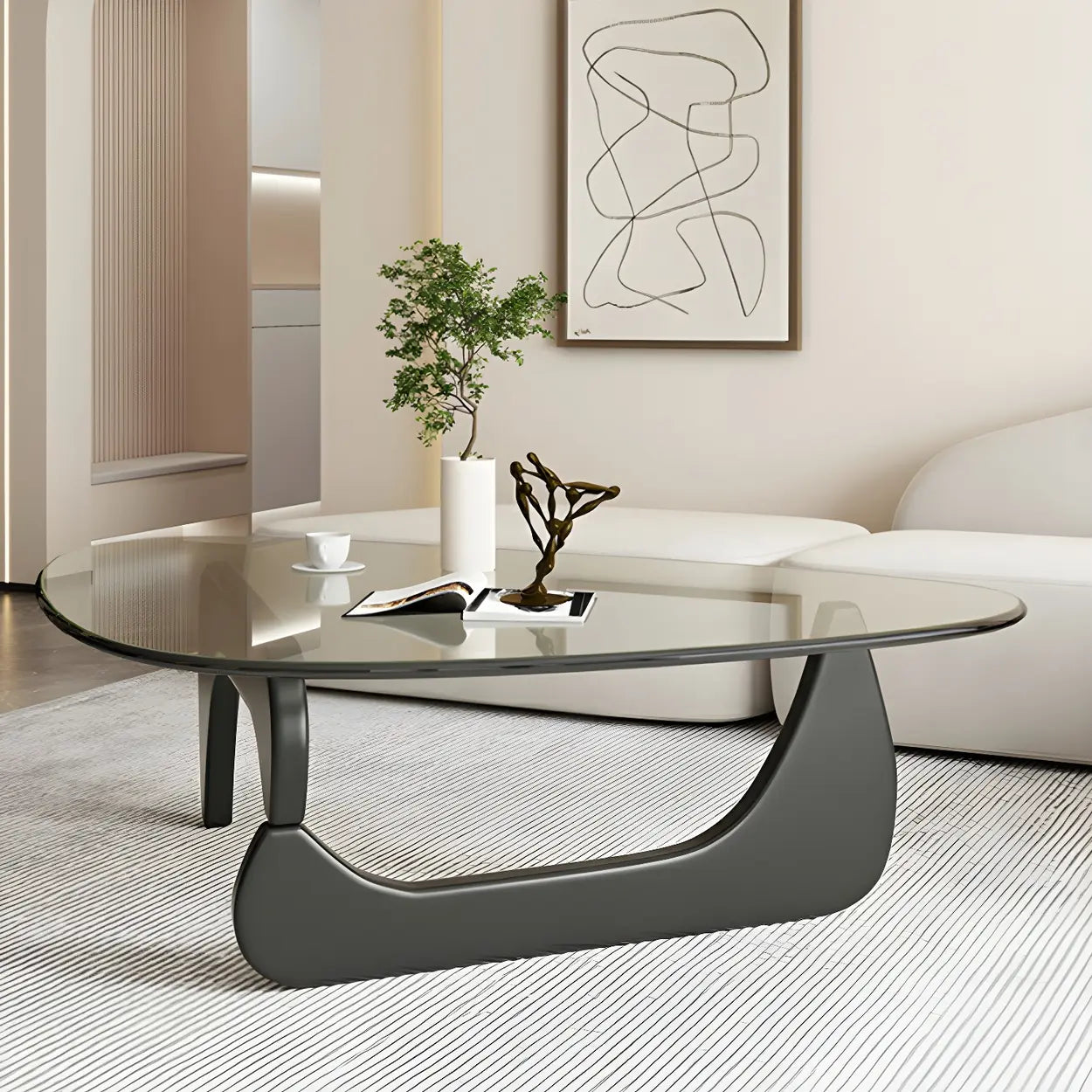
- Curved lines: Furniture often includes sweeping curves and organic shapes.
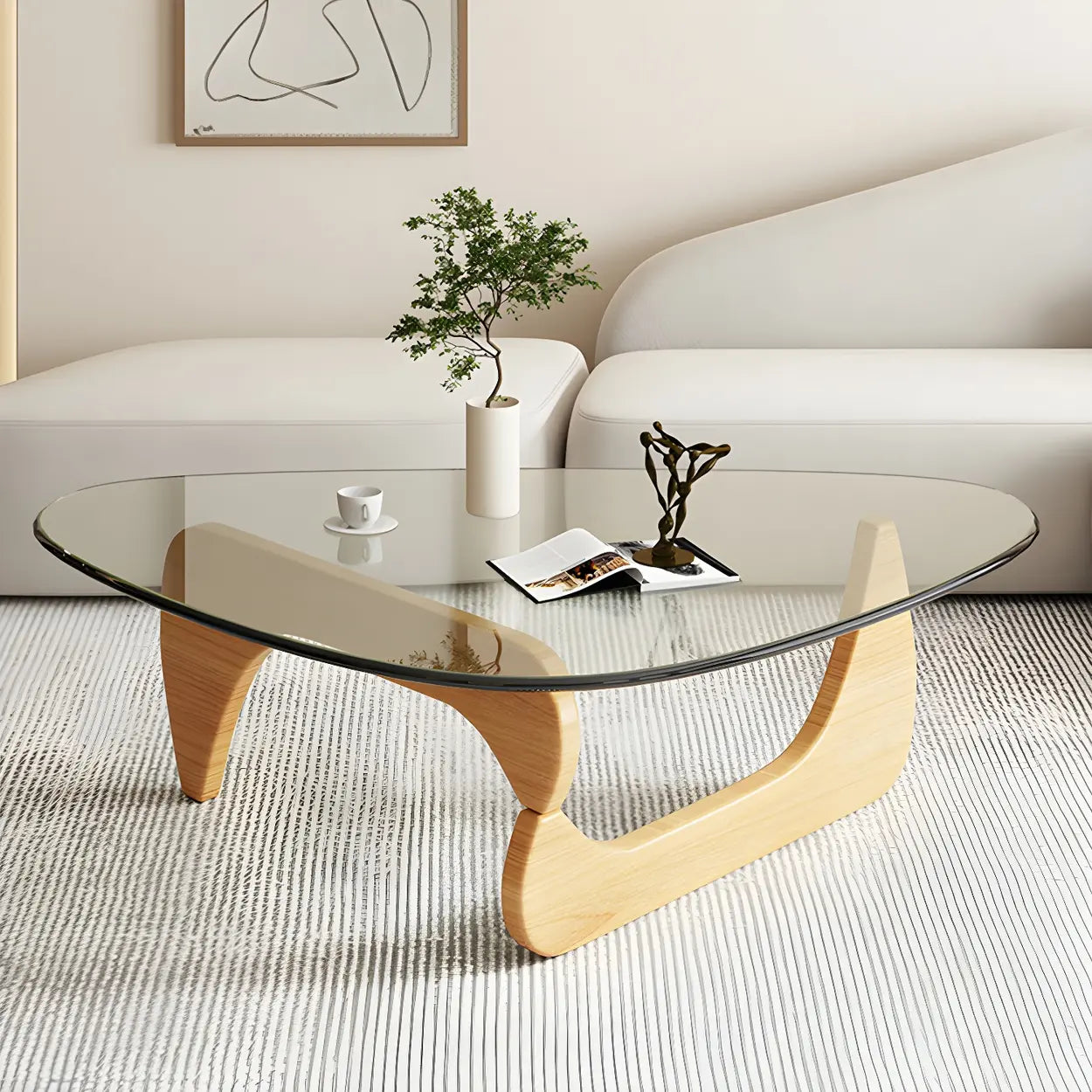
- Industrial materials: You will see a lot of clear glass, polished concrete, and chrome.
- Minimalist layout: The space feels very open, with few decorative items.
Key Differences Between Modern and Contemporary Styles
While both styles favor uncluttered spaces, they look and feel quite different when placed side by side. Here is a quick comparison table before we look at the specific details.
| Feature | Modern Interior Design | Contemporary Interior Design |
| Time Period | 1920s to 1950s | Right now (Constantly changing) |
| Color Palette | Warm, earthy neutrals | Black, white, and cool grays |
| Materials | Wood, leather, natural stone | Glass, metal, polished concrete |
| Lines | Straight and crisp | Curved and fluid |
Color palettes and undertones
Modern rooms rely on warm colors found outdoors in nature. Base tones like brown, rust, and mustard yellow are often used to warm up the space. On the other hand, contemporary spaces usually stick to a strict black, white, and gray foundation. A bright accent color is then occasionally added to these contemporary rooms to create visual interest.
Materials and natural vs industrial textures
A modern home highlights the natural grain of solid wood and the soft texture of leather, elements that make a space feel grounded and inviting. In contrast, a contemporary interior feels more industrial. It relies heavily on materials developed through newer technology. For example, fiberglass, stainless steel, and polished concrete are often used.
Furniture shapes and structural lines
Modern furniture usually sits low to the ground with straight, boxy edges to create a highly structured look in your living room or bedroom. Contemporary furniture breaks those rigid rules by introducing softer, more fluid shapes. You will frequently find sweeping curves, rounded chair backs, and asymmetrical tables in these updated spaces.
Decorative elements and accessories
Modern design keeps decoration to a strict minimum. If an item does not serve a practical function, it generally does not belong in a modern room. Contemporary design proves to be a bit more flexible with decor. It often allows for large, bold art pieces or abstract sculptures that act as a visual focal point.
Space layout and lighting design
Both styles favor open floor plans rather than traditional, closed-off rooms. Modern design prioritizes large, bare windows to let in as much natural sunlight as possible. While contemporary spaces also appreciate natural light, they rely heavily on dramatic, high-tech fixtures like track lighting or LED strips to highlight specific areas.
How to Choose Between Modern and Contemporary?
Picking a design direction depends entirely on your personal taste and the types of materials you want to live with every day.
Choose modern interior design if:
- You prefer warm, earthy colors over stark blacks and whites.
- You want furniture made from natural materials like solid wood and leather.
- You like straight, clean lines and low-profile furniture.
- Functionality is your top priority for every item you buy.
Choose contemporary interior design if:
- You like high-contrast colors, especially cool grays, black, and white.
- You want your home to reflect current trends and feel very updated.
- You prefer curved lines, abstract art, and unique shapes.
- You enjoy industrial materials like glass, metal, and polished concrete.
Conclusion
Choosing between modern vs contemporary design relies on the atmosphere you want to create in your everyday life. Modern style feels grounded, with natural wood and clean, straight lines. Contemporary style is more current and flexible, often using bold contrasts. When you understand these differences, it becomes much easier to choose furniture that matches your vision.
Frequently Asked Questions
What is the main difference between modern and contemporary interior design?
What is the main difference between modern and contemporary interior design?
Modern design refers to a specific period (roughly the 1920s–1950s) and emphasizes natural materials and clean lines. Contemporary design reflects current trends, constantly evolving and often incorporating industrial materials and bold contrasts.
Can you mix modern furniture with contemporary home decor?
Can you mix modern furniture with contemporary home decor?
Yes, these styles blend well because both favor simplicity and minimal clutter. For example, pairing a modern wood table with contemporary metal chairs creates a balanced and visually interesting space.
Is mid-century modern the same as modern design?
Is mid-century modern the same as modern design?
No. Mid-century modern is a subset of modern design, referring specifically to styles from about 1945 to 1969, known for low-profile furniture and warm wood materials.
Which design style, modern or contemporary, is better for small spaces?
Which design style, modern or contemporary, is better for small spaces?
Both styles suit small spaces due to their clean, uncluttered approach. Modern design may have a slight advantage because it prioritizes function, ensuring every piece serves a purpose.
Why is contemporary interior design always changing?
Why is contemporary interior design always changing?
Contemporary design reflects the present moment, so it evolves with cultural trends, new materials, and technology. What is considered contemporary today may become a defined style in the future.


