









![10 Best Floor Lamp for Reading [2026 Review]](http://www.homebaa.com/cdn/shop/articles/banner_c990b0a4-4743-4902-b6be-5609f7a21a90.webp?v=1766393057&width=400)



![How to Choose the Coffee Table Height? [2026 Newest Guide]](http://www.homebaa.com/cdn/shop/articles/coffee-table-height_2a1fd127-359f-4d5f-9ac1-3b232c7092a9.webp?v=1788166652&width=400)


You are ready to buy furniture for your home, and you keep seeing the terms "modern" and "mid-century modern" in online stores. While the names sound alike, modern vs mid-century modern design creates completely different environments in your living space. Figuring out the differences will stop you from buying mismatched items that clash. This guide helps you identify each style so you can choose the right pieces for your daily life.
Table of Contents
What Is Mid-Century Modern Style?

Mid-century modern design developed between the 1940s and 1960s. It focuses on highly functional furniture, simple layouts, and a strong visual connection to nature. This style brings a warm, slightly retro, and relaxed feel to your home.
Key Features:
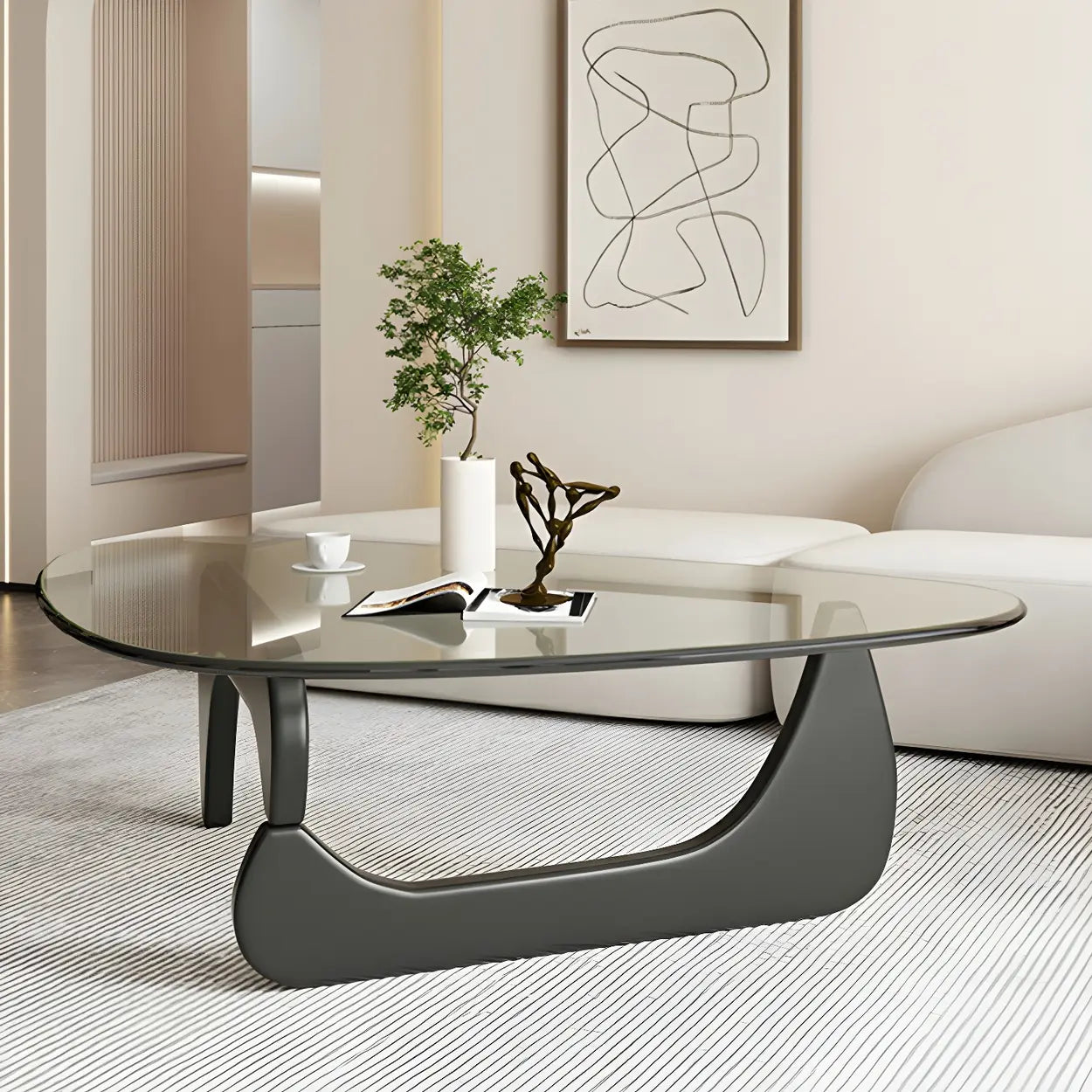
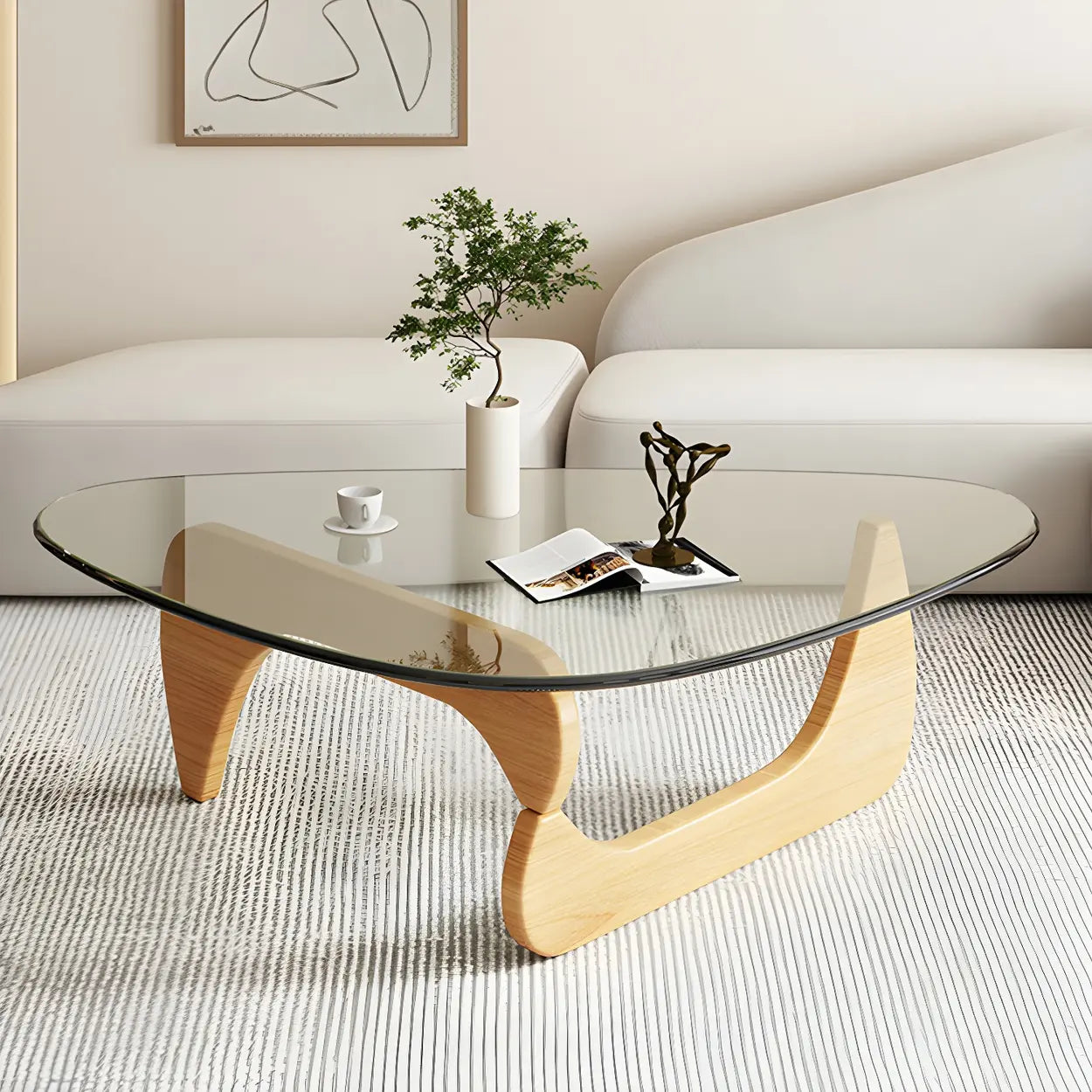
- Organic, curved shapes that mimic nature
- Raised furniture on tapered wooden legs
- Warm wood materials like teak, walnut, and oak
- A mix of natural wood and man-made materials like plastic
What Is Modern Interior Design?

Modern interior design comes from an earlier movement in the early 20th century. It strips away all extra decoration to focus strictly on the practical purpose of the room. The look is highly structured, stark, and leaves no room for clutter.
Key Features:
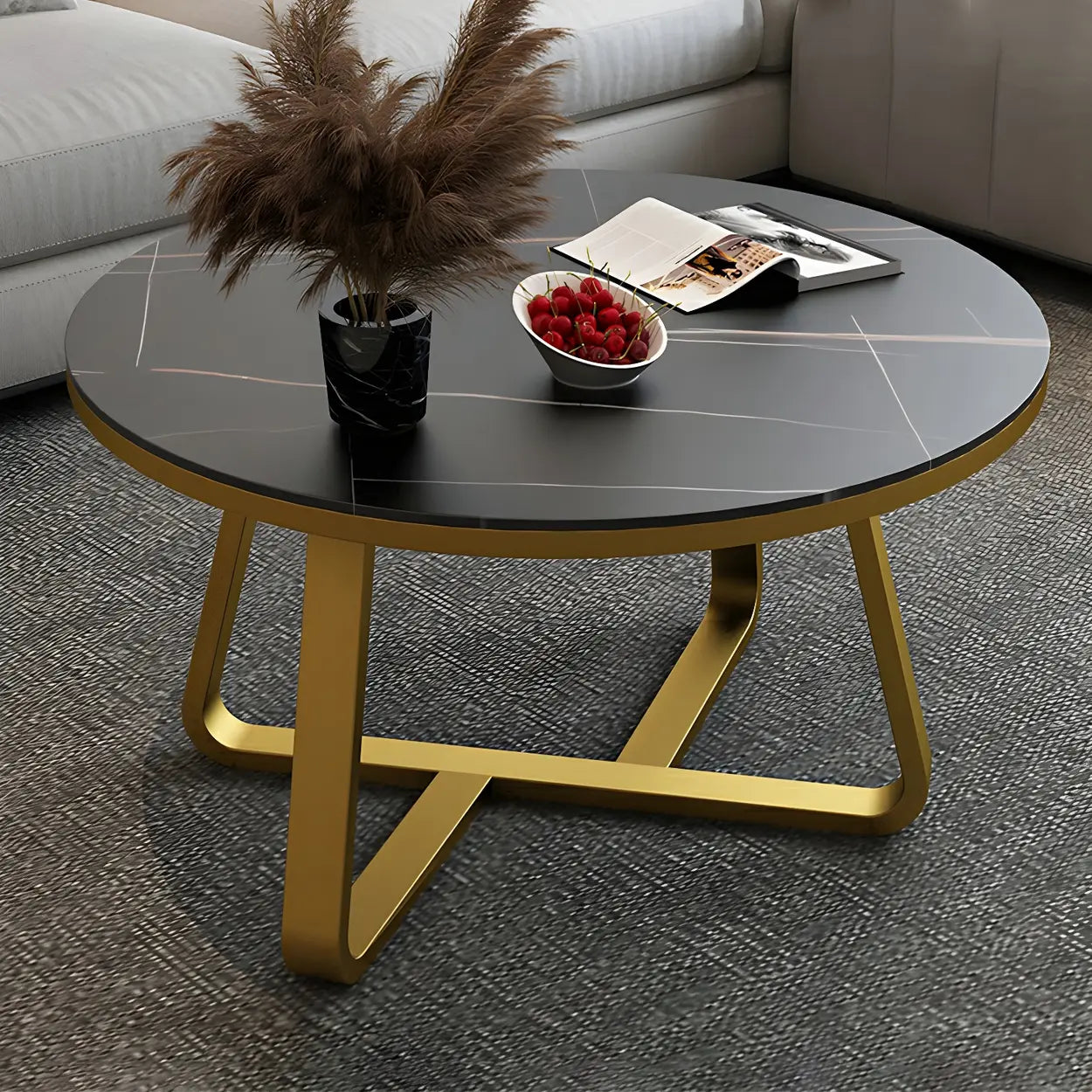
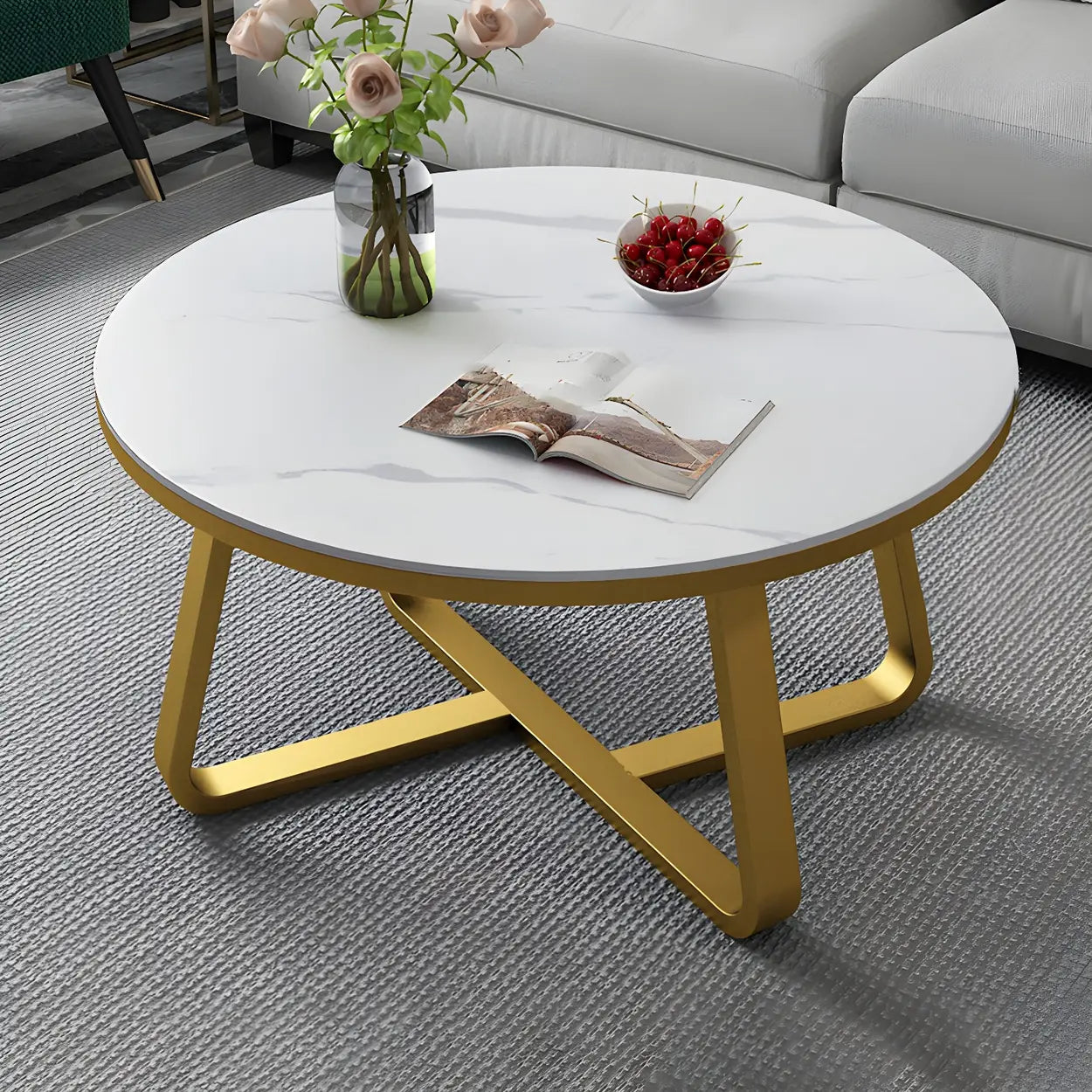
- Strict, straight geometric lines and sharp angles
- Neutral color palettes focused on black, white, and gray
- Heavy use of industrial materials like steel, glass, and concrete
- Zero unnecessary decorative items
Modern vs. Mid-Century Modern: Key Differences
When evaluating modern vs mid-century modern, a direct comparison makes the distinct traits of each style clear. Here is a quick breakdown, followed by a closer look at each category.
| Feature | Modern Design | Mid-Century Modern Design |
| Materials | Glass, steel, concrete | Natural wood, fiberglass, plastic |
| Colors | White, black, gray | Mustard yellow, olive green, rust orange |
| Shapes | Straight lines, sharp angles | Organic curves, rounded edges |
| Decor | Minimal to none | Functional retro accents |
| Mood | Stark, industrial, disciplined | Warm, relaxed, inviting |
Materials and textures used
Modern design relies on hard, cold materials like polished steel, glass, and exposed concrete, which are often left deliberately unfinished to emphasize their industrial quality. Mid-century modern takes a warmer approach, pairing teak or walnut wood with smooth plastics and fiberglass.

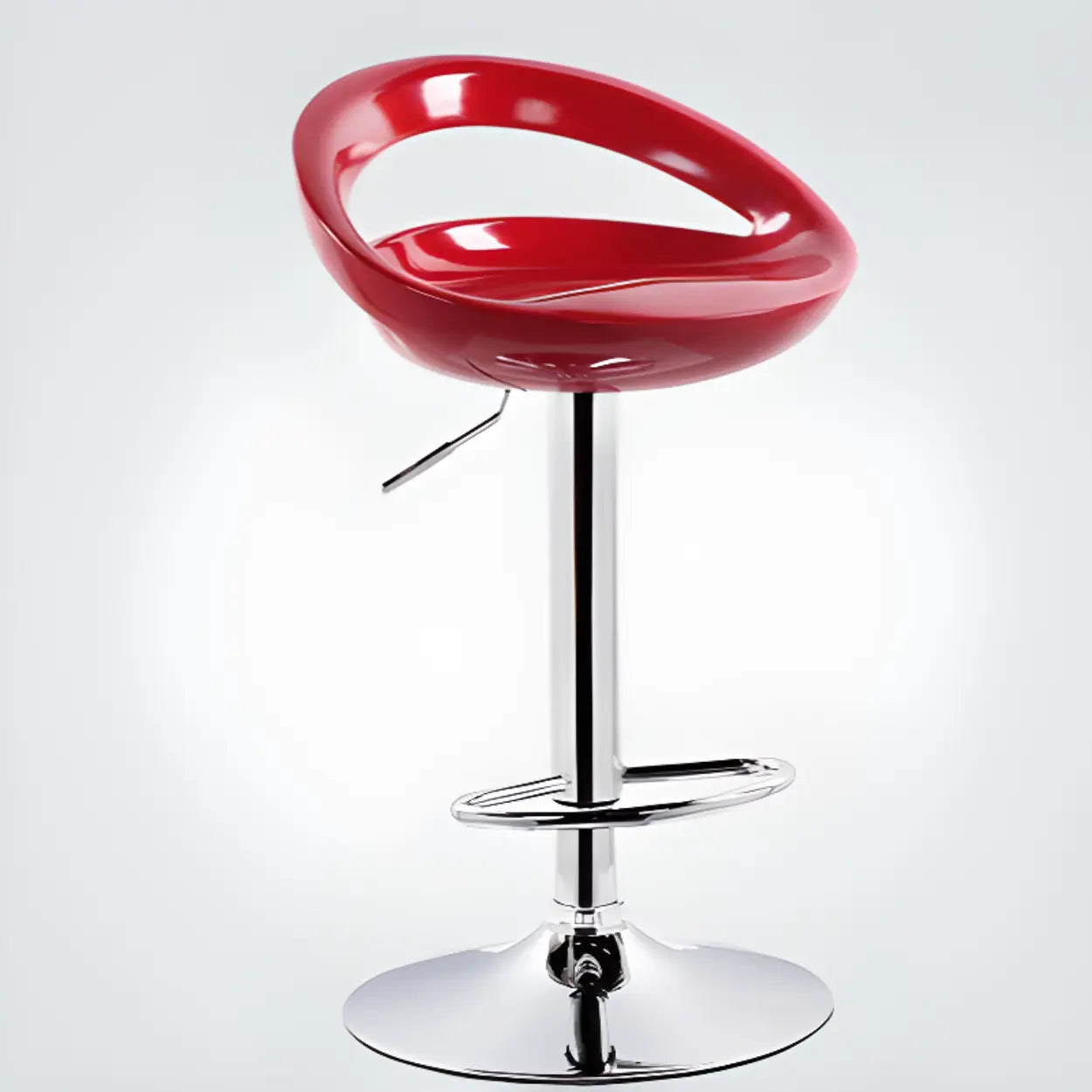
A molded plastic shell chair mounted on slim wooden legs is a classic example of this style — the contrast between the manufactured seat and the natural material underneath is entirely intentional.
Color palettes and tones
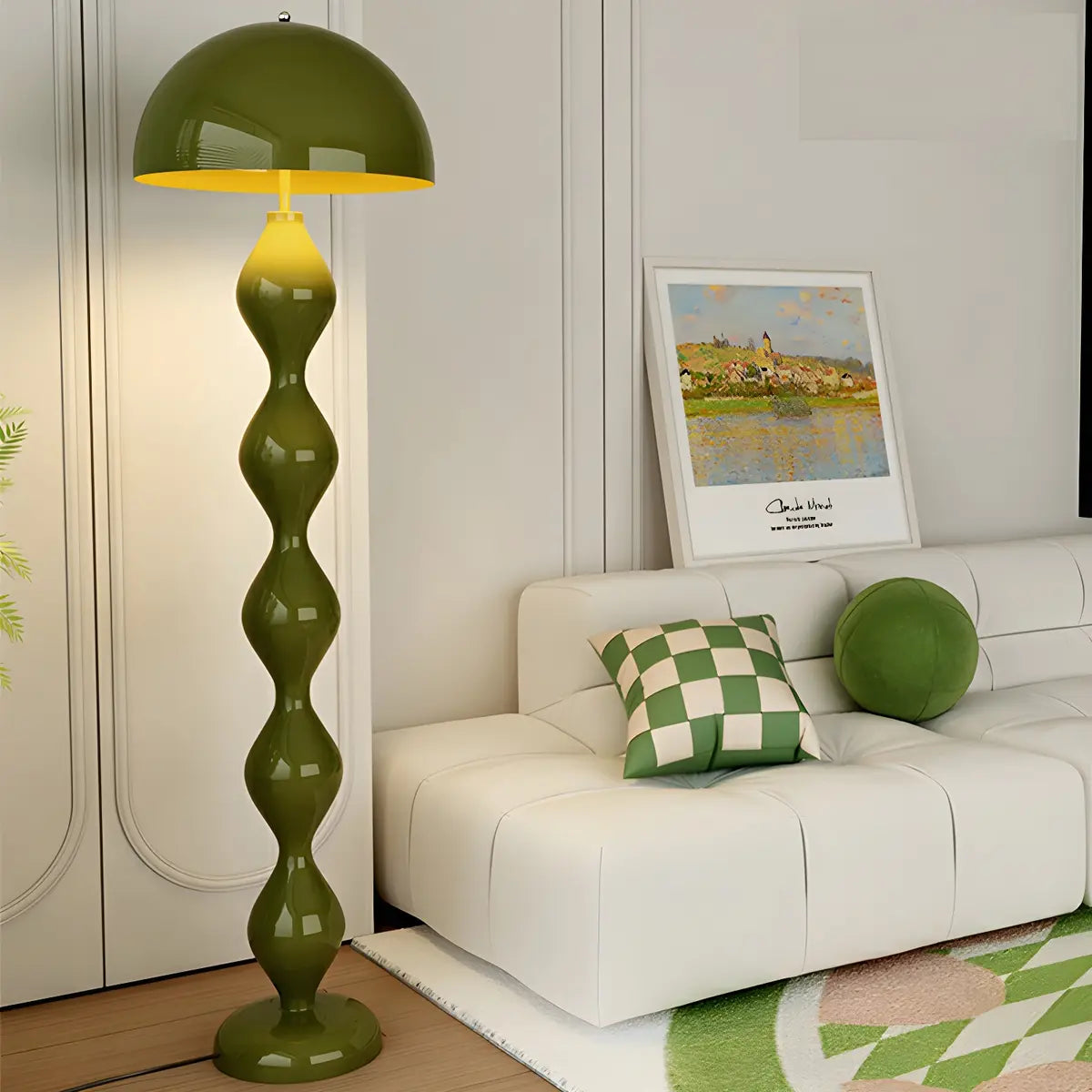
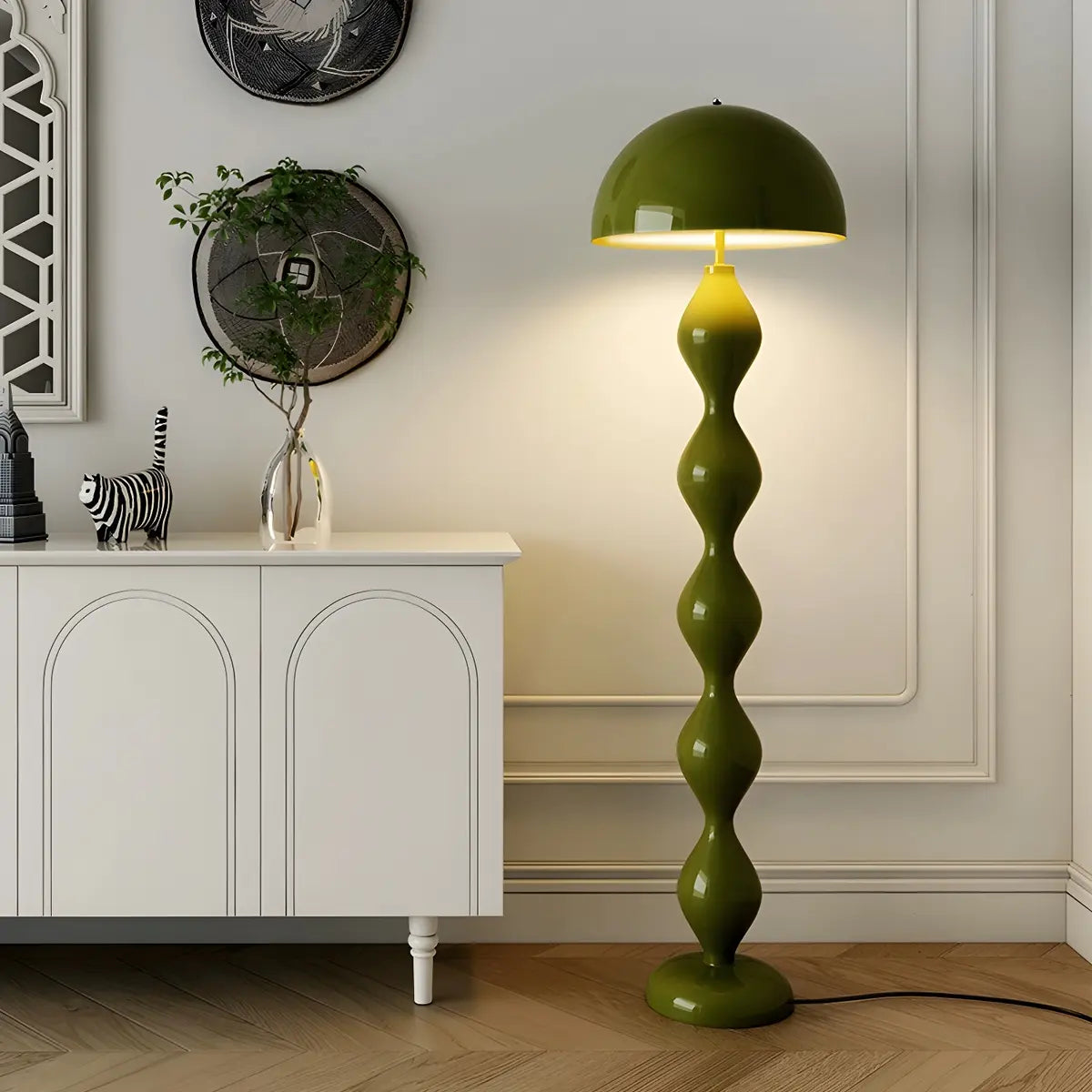
Modern spaces stick to white, black, and gray, which creates a calm but sometimes cold atmosphere. Mid-century modern brings in earthy tones like mustard yellow, olive green, and burnt orange, usually through upholstery or a single accent wall. These colors are easy to refresh with a new rug or cushions without redecorating the whole room.
Shapes and geometric lines
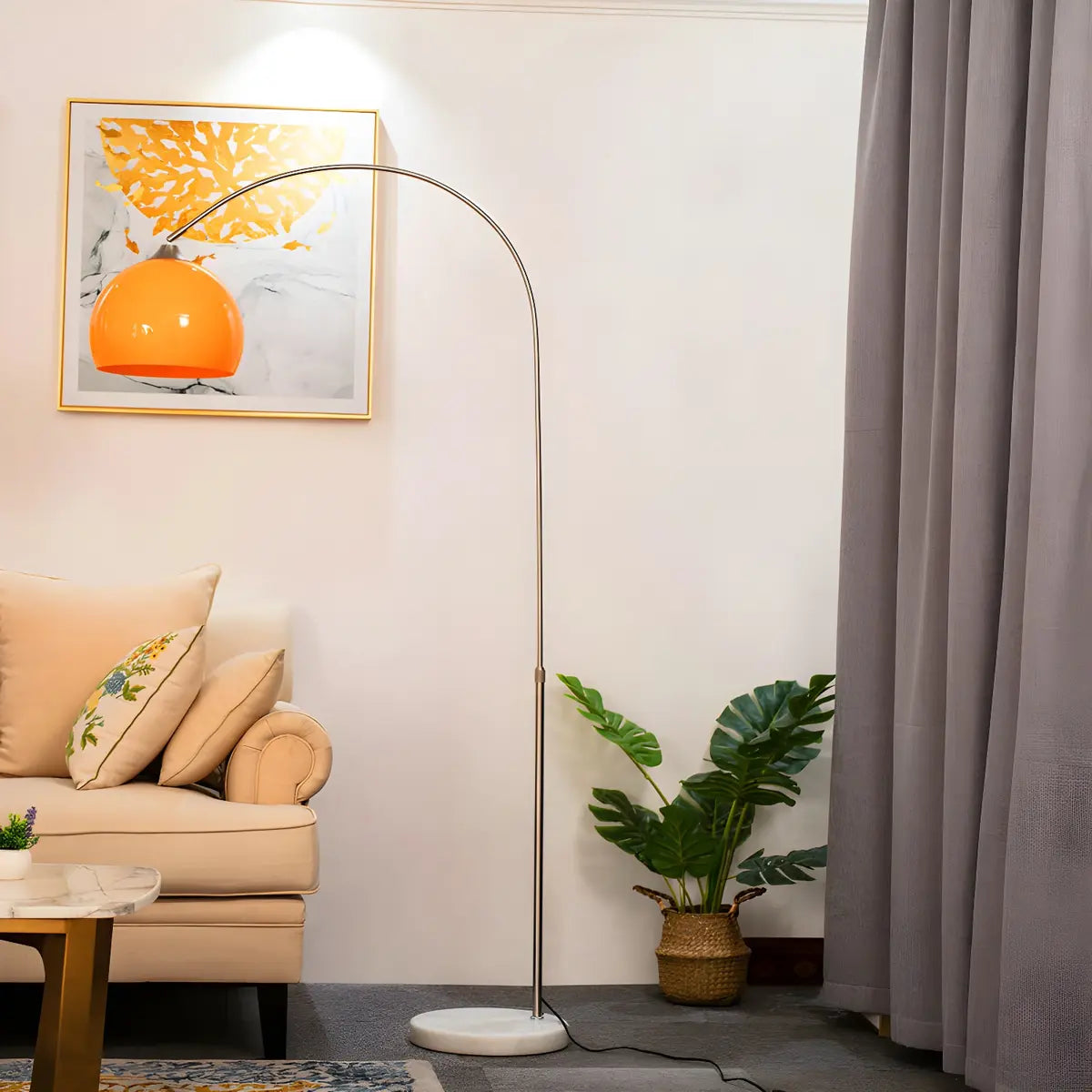
Modern furniture favors sharp, straight edges — rectangular sofas, flat-backed chairs, and cylindrical light fixtures with no ornamentation. Mid-century modern softens the room with curves: rounded sofa arms, body-hugging chair backs, and globe-shaped pendant lights.

The difference is especially easy to spot when comparing table lamps. Modern versions are typically angular and geometric, while mid-century modern ones feature tapered shades and contoured bases.
Decor and ornamentation
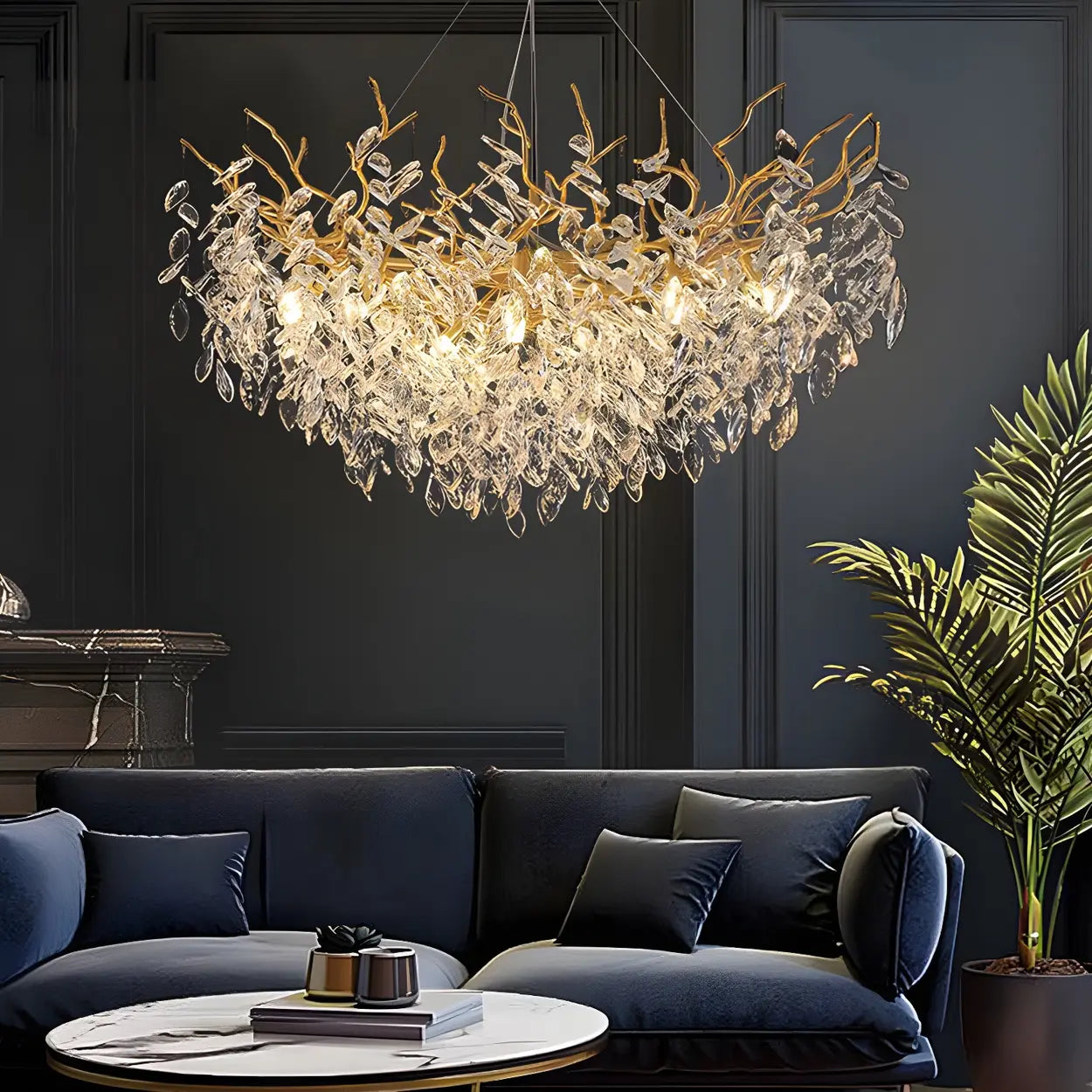
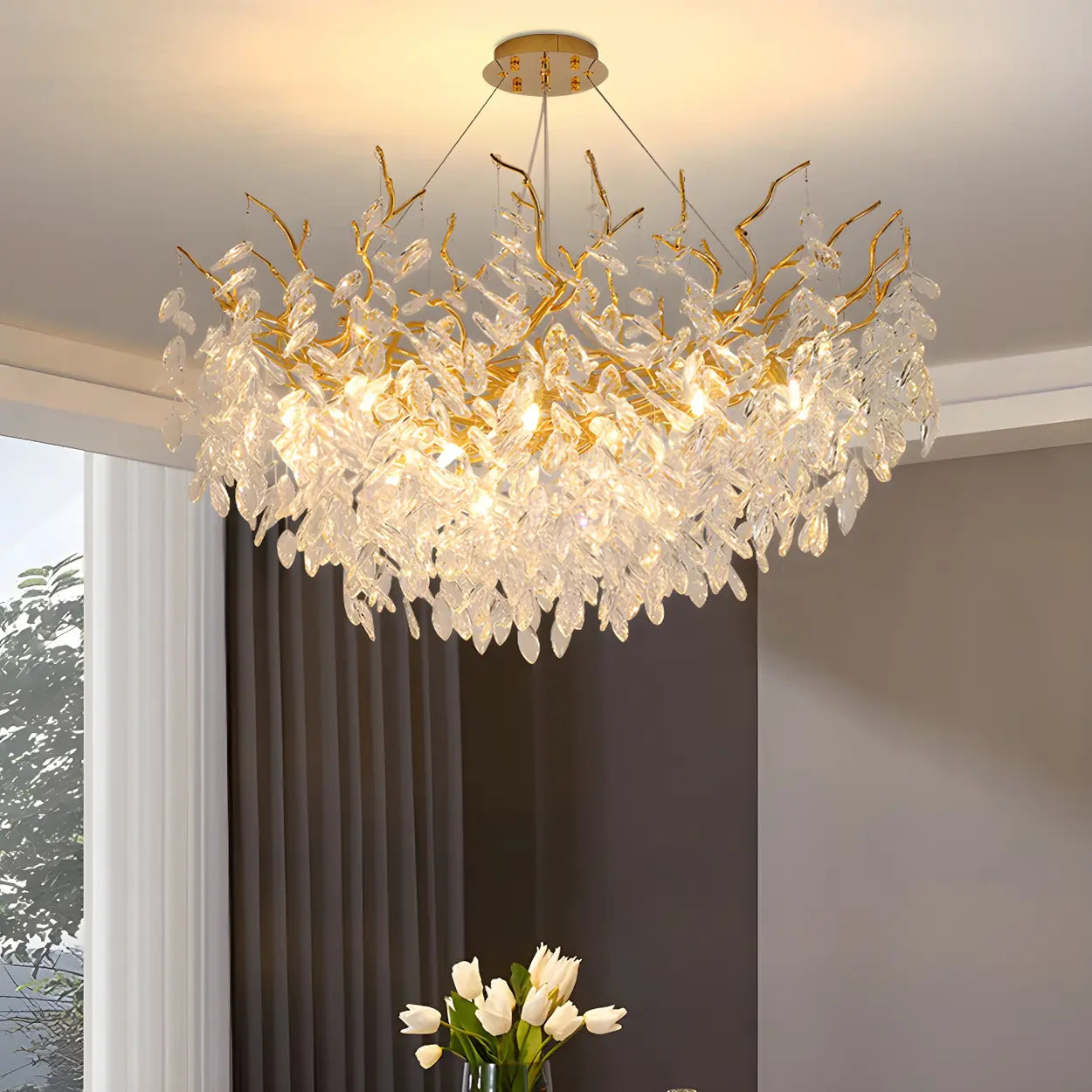
Modern design keeps surfaces completely clear, and lighting tends to be recessed or finished in matte black with no visible detail. Mid-century modern allows a few functional statement pieces — think tripod floor lamps, sunburst wall clocks, or pendant lights with decorative ribbing or hanging glass accents. The goal is a collected feel rather than a decorated one.
Overall mood and atmosphere
A modern room feels disciplined and distraction-free, making it a strong choice for a home office or studio. A mid-century modern room feels warmer and more inviting, which suits a family living room or dining space where comfort matters. The natural materials and softer shapes make it feel approachable in a way that strict modern design rarely achieves.
How to Choose Between Modern and Mid-Century Modern Styles
Deciding on modern vs mid-century modern comes down to your daily habits, the type of home you live in, and the atmosphere you want to build.
Choose modern design if…
- You live in an industrial loft or a space with exposed concrete floors.
- You want a highly disciplined, completely clutter-free environment.
- You prefer simple black, white, and gray color schemes.
- You enjoy the clean, sharp look of metal, glass, and straight angles.
Choose mid-century modern if…
- You live in a standard home or apartment and want to make it feel warmer.
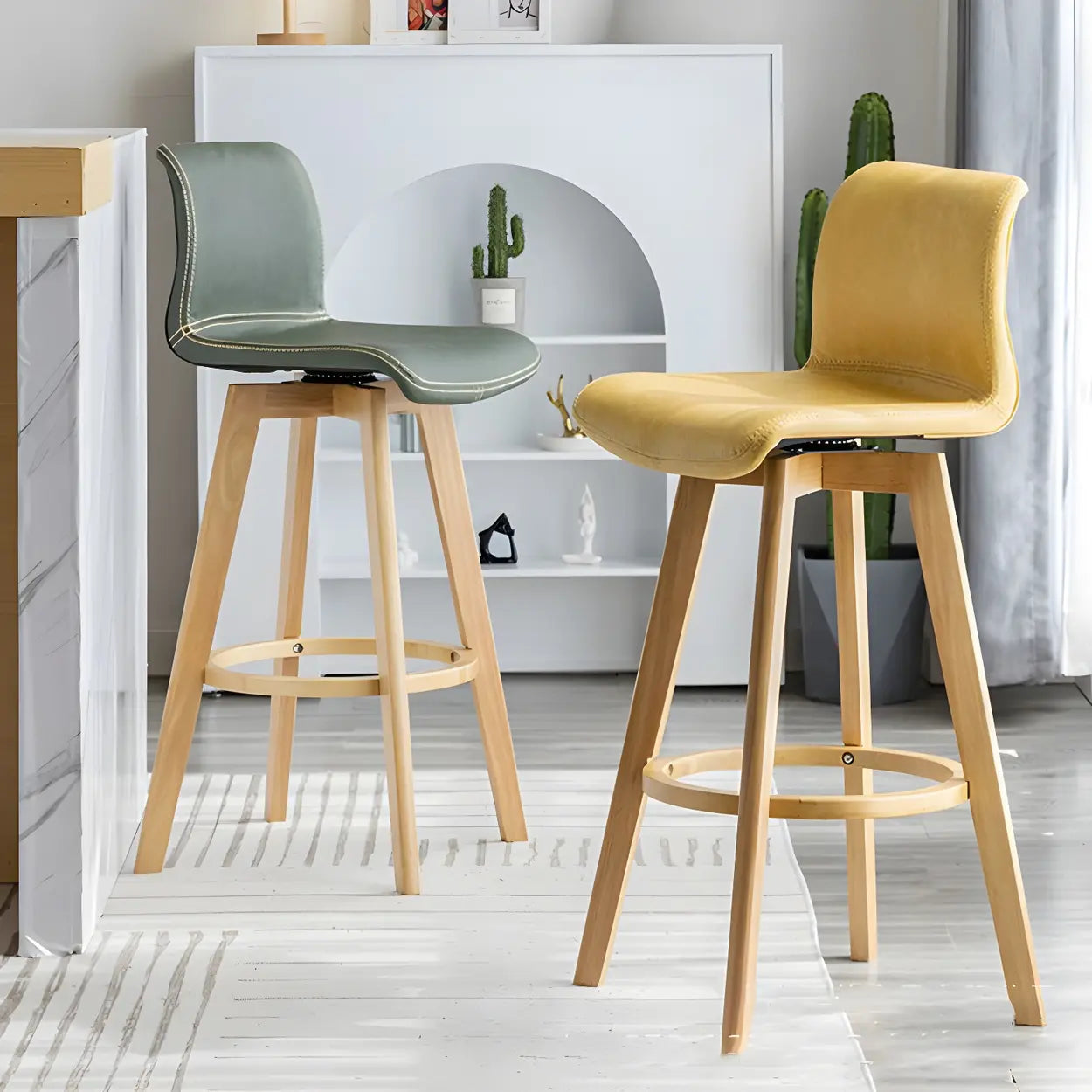
- You like furniture with natural wood grains and raised, tapered legs.
- You want to easily add subtle, earthy colors to your room.
- You prefer smooth, rounded shapes over sharp, strict corners.
Conclusion
Knowing exactly what separates modern vs mid-century modern saves you time and money when shopping for your home. You can now approach your interior design project with a clear direction rather than guessing what looks good together. Pick the approach that matches your daily habits to build a practical, comfortable space.
Frequently Asked Questions
What is the main difference between modern and mid-century modern design?
What is the main difference between modern and mid-century modern design?
Modern design emphasizes straight lines, neutral colors, and industrial materials like steel and glass. Mid-century modern design features organic curves, earthy tones, and warm wood combined with man-made materials.
Is mid-century modern interior design still in style in 2026?
Is mid-century modern interior design still in style in 2026?
Yes. Mid-century modern remains popular because of its clean lines, functional layouts, and warm materials, which fit well in contemporary homes without feeling outdated.
Can I mix modern and mid-century modern furniture in one room?
Can I mix modern and mid-century modern furniture in one room?
Yes, these styles blend well together. Start with a neutral modern base, then add mid-century pieces like wooden chairs or sideboards to introduce warmth and character.
What is the difference between contemporary and modern design?
What is the difference between contemporary and modern design?
Modern design refers to a specific historical style from the early to mid-20th century. Contemporary design reflects current trends and often combines elements from multiple styles, including modern.
Is modern or mid-century modern better for small apartments?
Is modern or mid-century modern better for small apartments?
Both styles work well in small spaces, but mid-century modern furniture often has raised legs that expose more floor area, helping a compact apartment feel more open and spacious.


