









![10 Best Floor Lamp for Reading [2026 Review]](http://www.homebaa.com/cdn/shop/articles/banner_c990b0a4-4743-4902-b6be-5609f7a21a90.webp?v=1766393057&width=400)



![How to Choose the Coffee Table Height? [2026 Newest Guide]](http://www.homebaa.com/cdn/shop/articles/coffee-table-height.webp?v=1766393873&width=400)


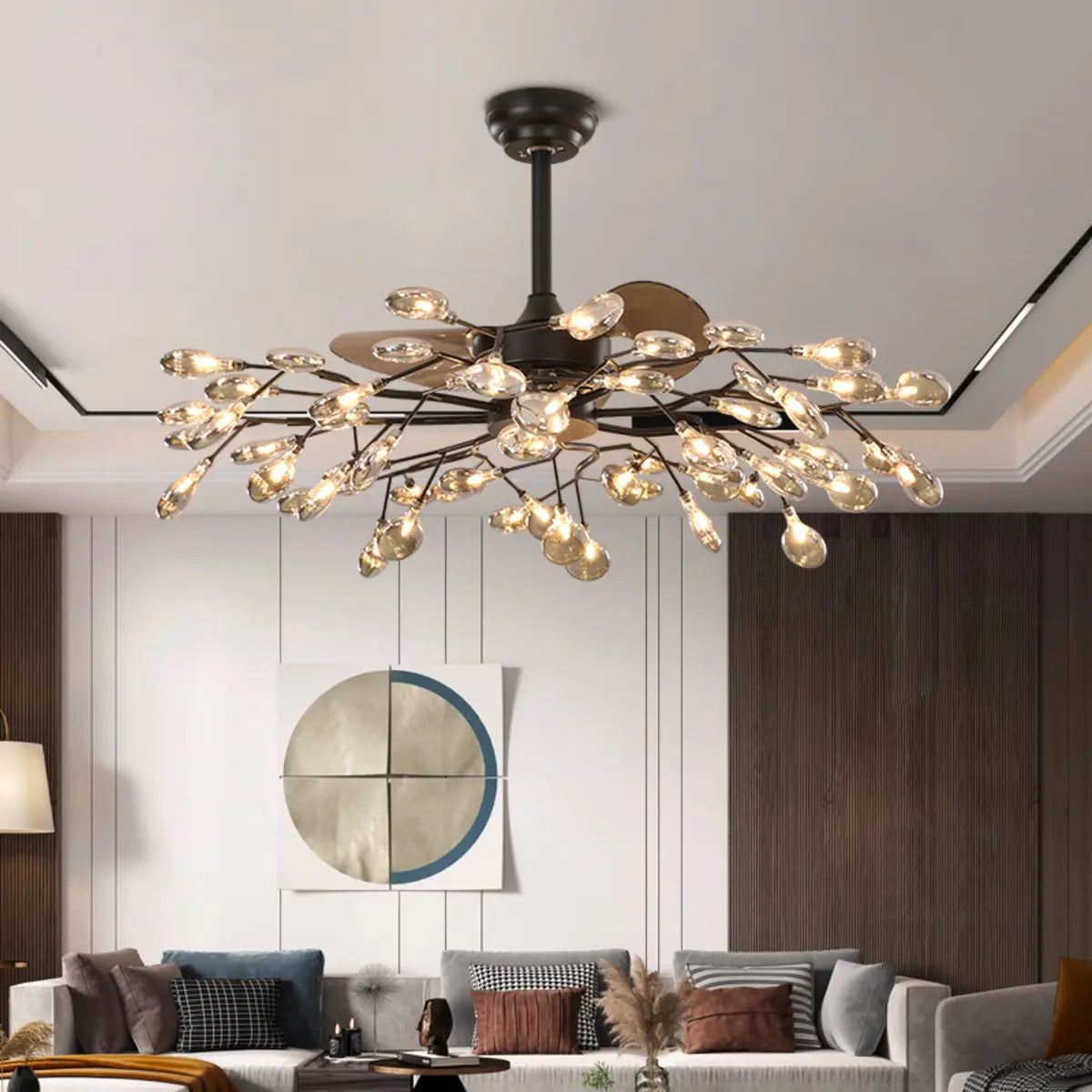


Pendant lights and floor lamps are two of the most common lighting choices for home spaces, but they work in very different ways. A pendant light hangs from the ceiling and focuses light downward, while a floor lamp stands on the ground and is easy to move around. If you're choosing between pendant light vs floor lamp for your space, this guide covers the key differences and helps you figure out which one fits your needs.
Table of Contents
Pendant Light: How It Works and Where It Shines?

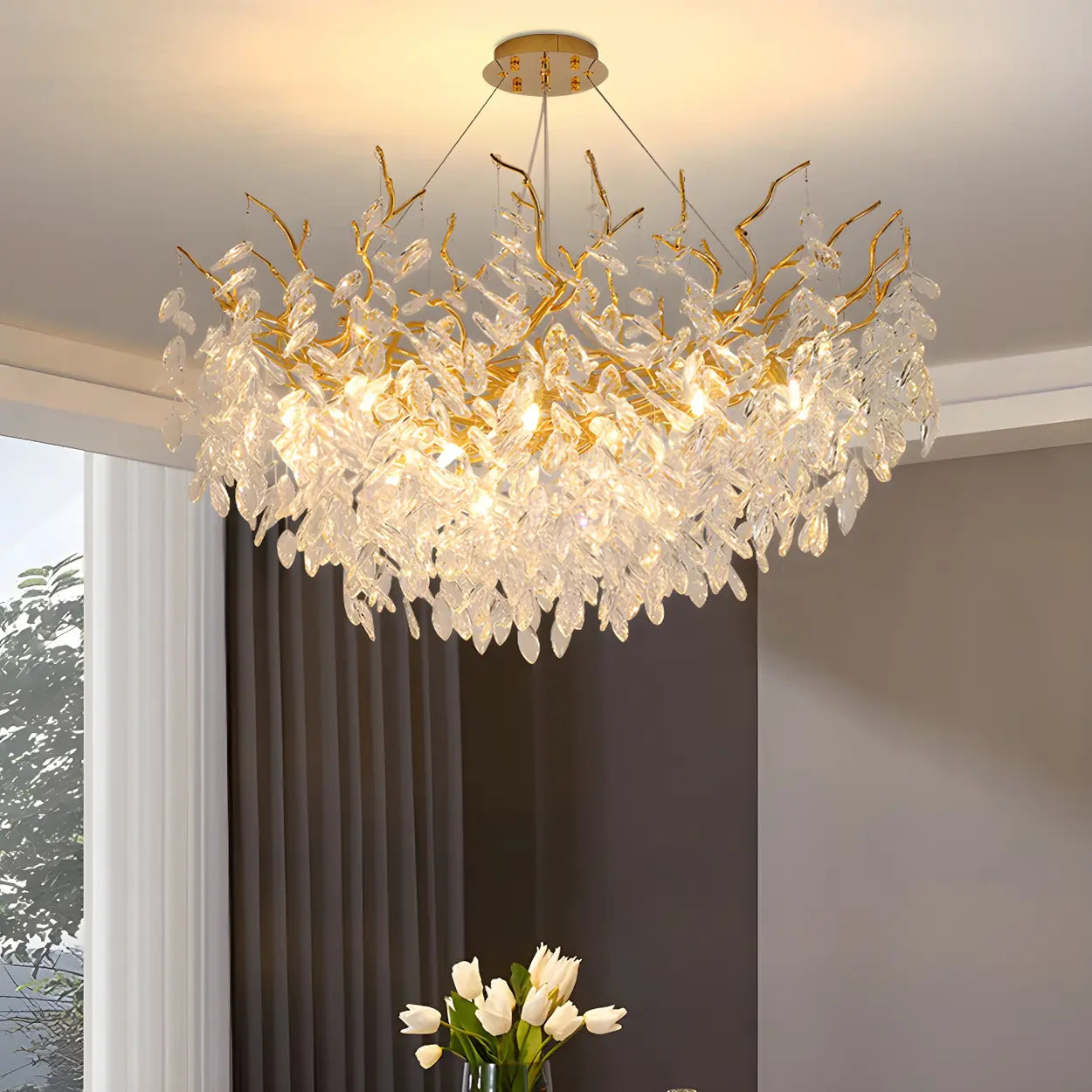
A pendant light is a ceiling-mounted hanging light fixture that directs light downward. It's hardwired into the ceiling and stays in a fixed position, making it a permanent part of the room's lighting setup.
Common uses:
- Over a dining table
- Above a kitchen island
- In an entryway or hallway
Why people choose pendant lights:
- They free up floor space
- They create a strong visual focal point
- They add height and structure to a room
Floor Lamp: How It Works and Where It Shines?

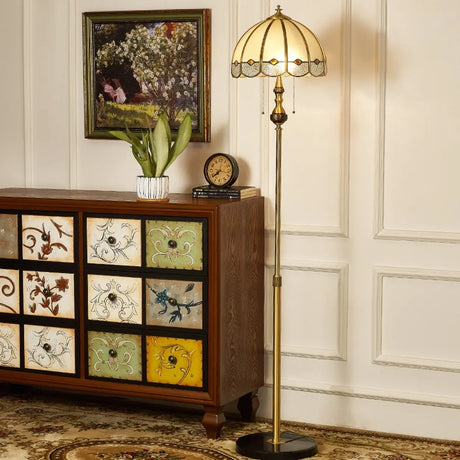
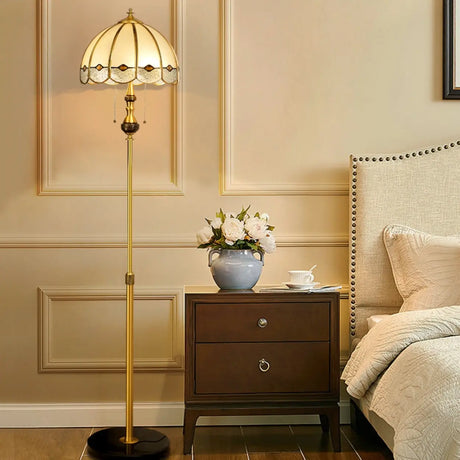
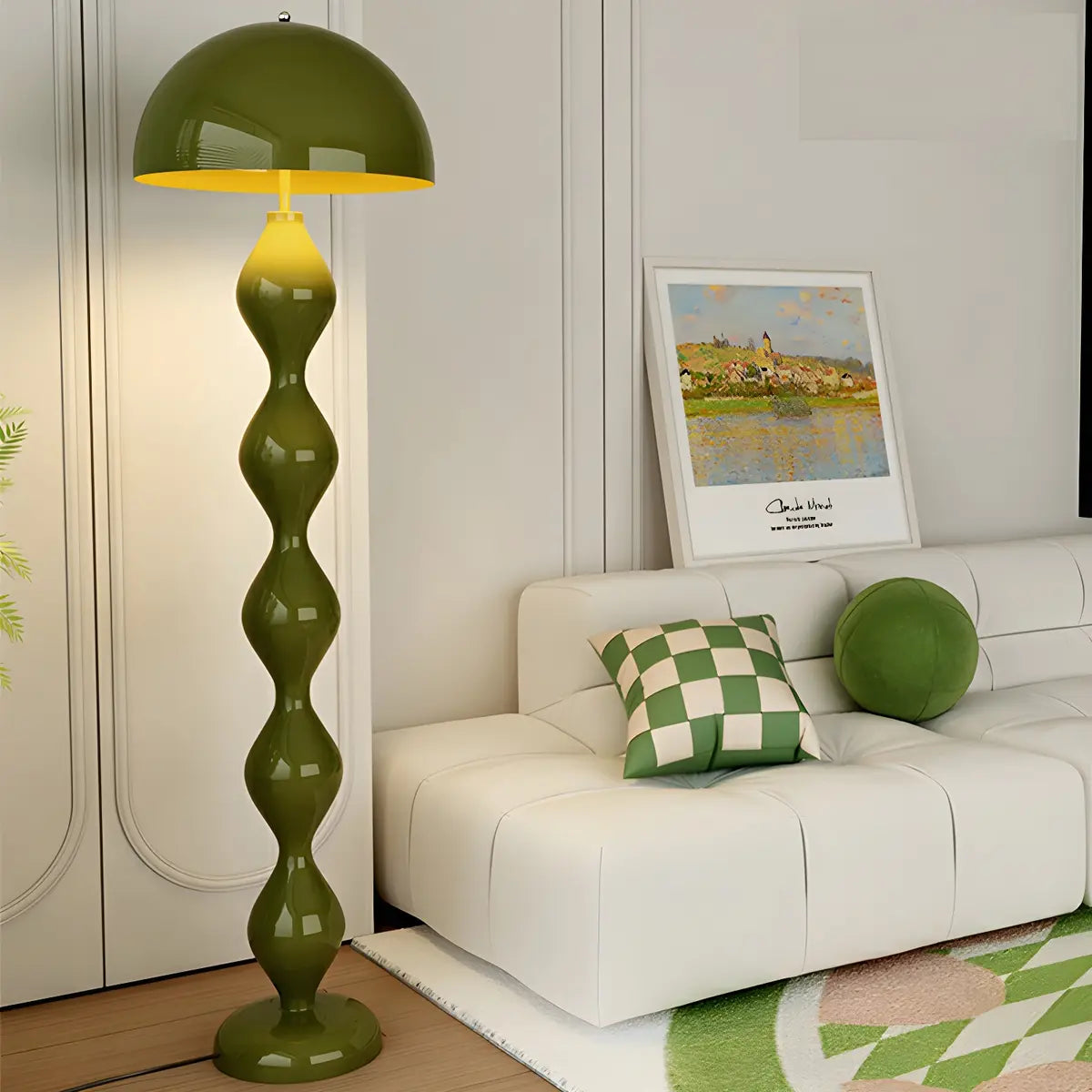
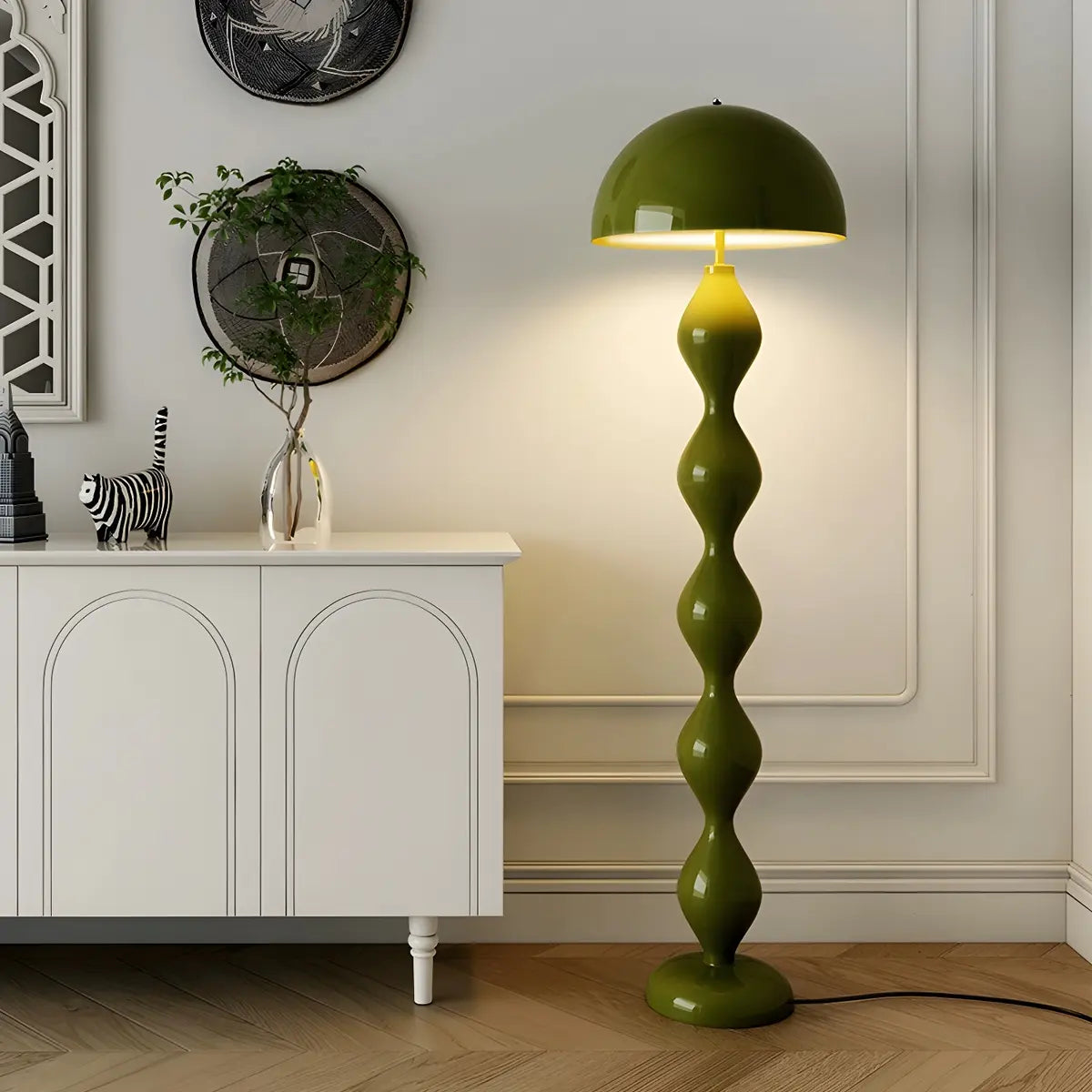
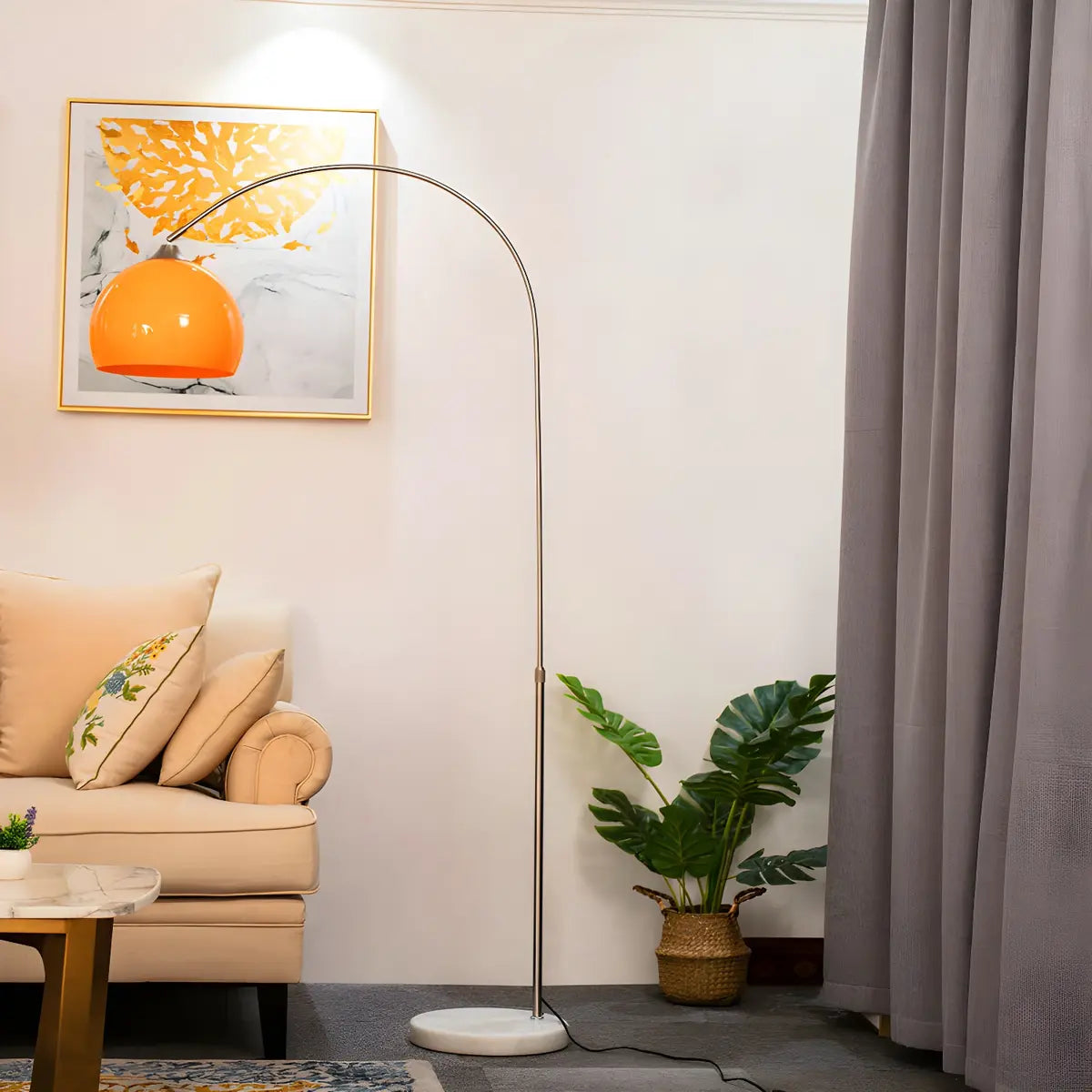
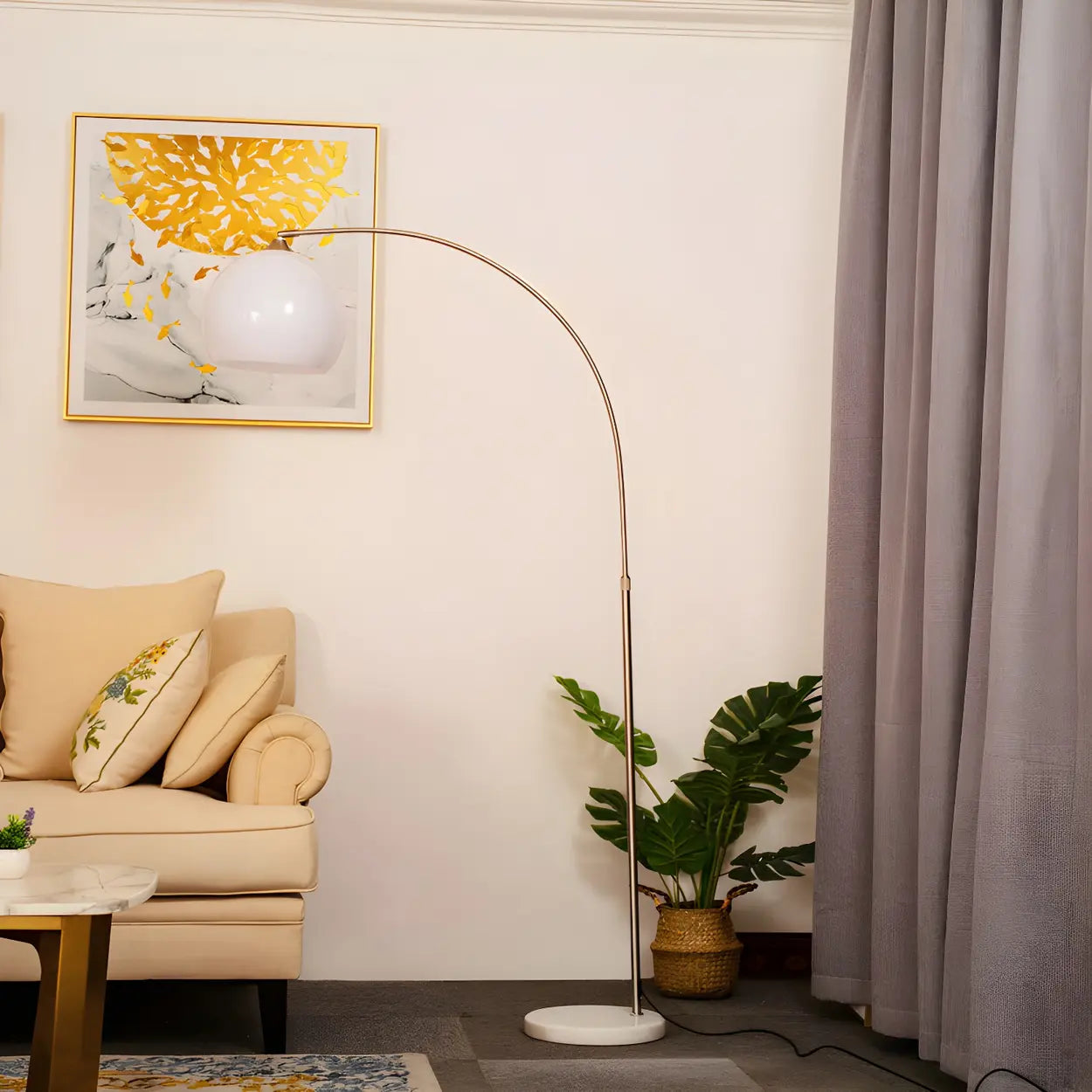
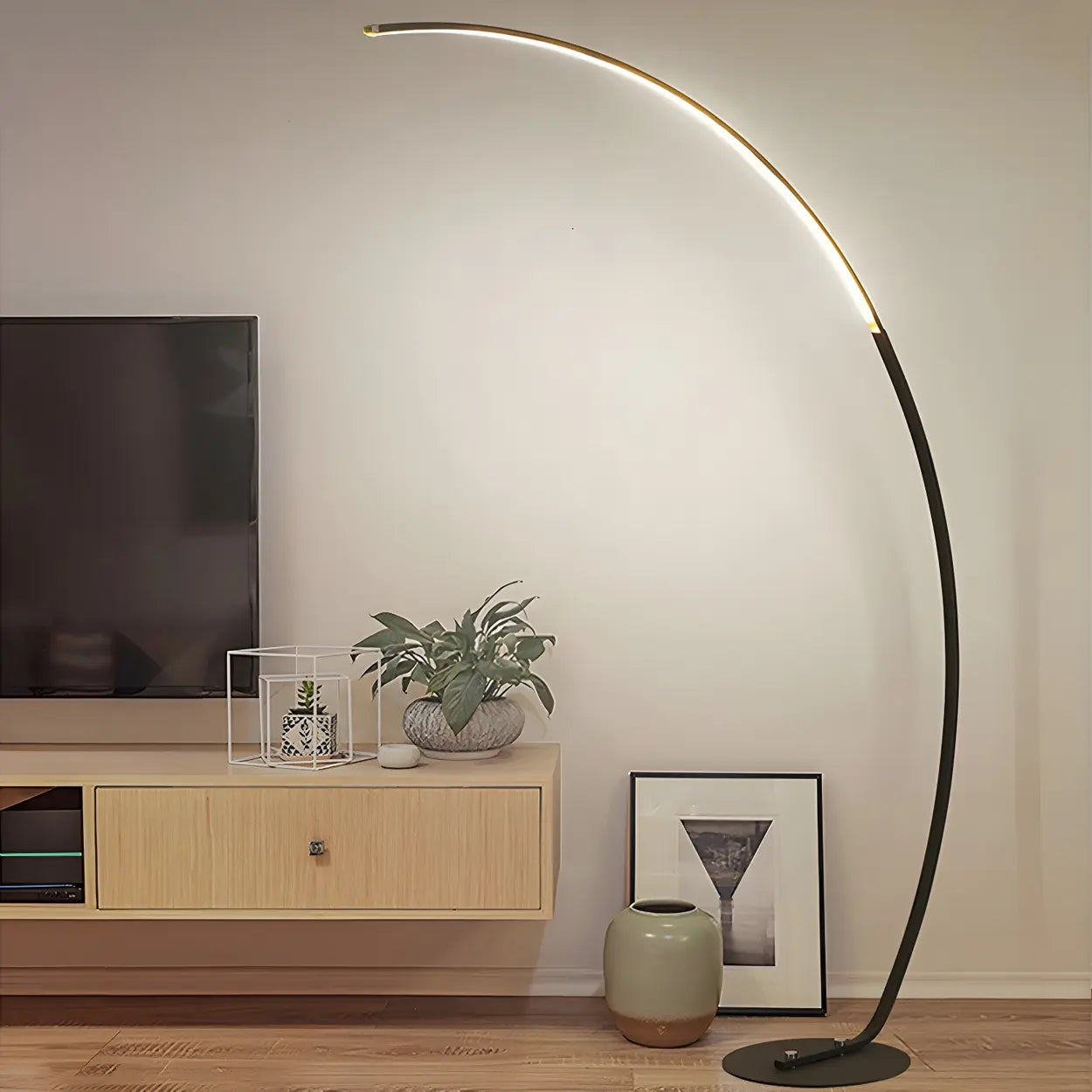
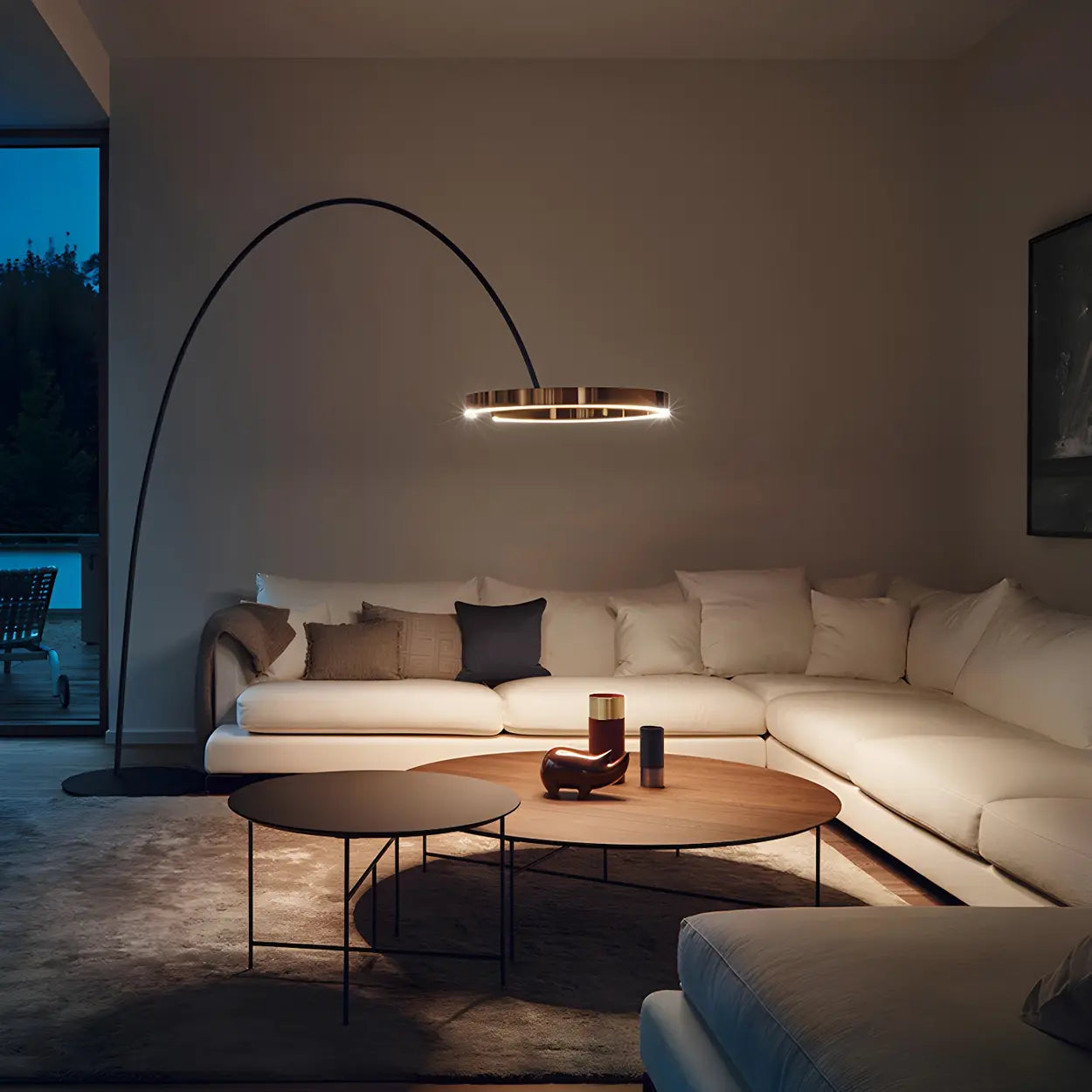
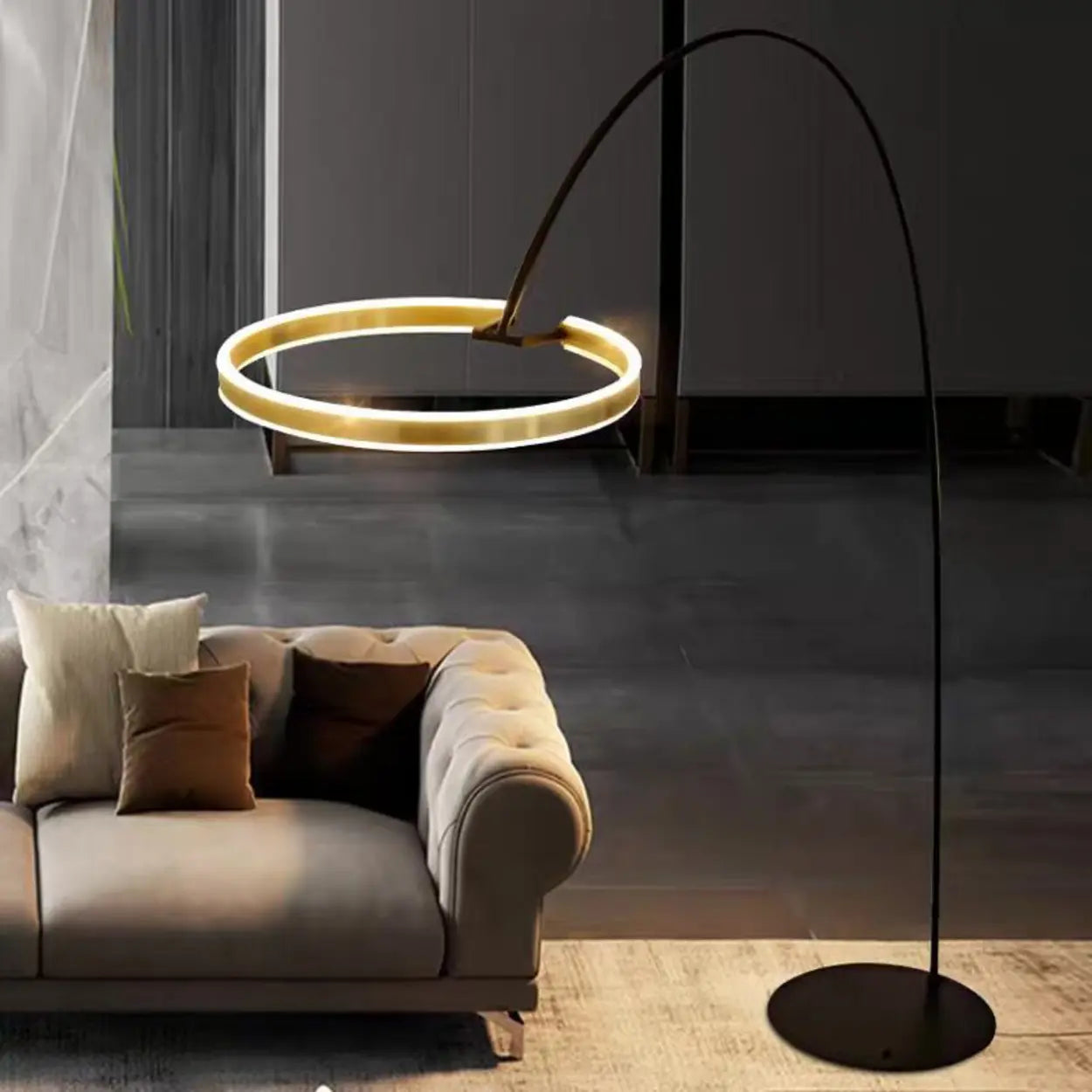
A floor lamp is a freestanding, plug-in standing lamp that sits on the floor. Depending on the shade style, it can cast soft ambient light across a room or direct light downward for reading.
Common uses:
- Living room corners
- Beside a sofa or armchair
- Next to a bed or reading nook
Why people choose floor lamps:
- No installation needed
- Easy to move around
- Good for adding warm, layered lighting
Pendant Light vs Floor Lamp: Key Differences
These two lighting options look different, cost differently, and work differently. Here's a closer look at how they compare across the factors that matter most.
Installation and setup
| Pendant Light | Floor Lamp | |
| Installation | Requires ceiling wiring, may need an electrician | Plug-in, no tools needed |
| Setup time | Hours to a full day | Minutes |
| Best for | Permanent spaces | Renters, flexible setups |
| Position | Fixed once installed | Move it anytime |
Lighting type and coverage
Pendant lights cast focused, directional light. That makes them well-suited for task lighting areas like a kitchen island or dining table, where you need light concentrated in one specific spot.
Floor lamps are more flexible. A shade that faces upward bounces light off the ceiling for soft ambient lighting that fills the room. A shade that faces downward works well as a reading lamp. You can also adjust the position based on what you need.
Design and visual impact
Pendant lights draw the eye upward. A well-placed hanging light becomes part of the room's design, not just a light source. They work especially well in open-plan spaces where you want to define a zone, like a dining area within a larger living space.

Floor lamps tend to blend in more. They add warmth and fill out a corner without competing with other design elements. If you want a light fixture that supports the room rather than standing out, a floor lamp is a lower-key choice.
Space and placement flexibility
| Pendant Light | Floor Lamp | |
| Placement | Fixed to ceiling | Anywhere near an outlet |
| Room layout changes | Not flexible | Move it as needed |
| Floor space used | None | Small footprint |
| Repositioning | Requires rewiring | Lift and place |
Cost and long-term value
Pendant lights cost more upfront. The fixture itself can range from $50 to several hundred dollars, and if you need an electrician, add $100 to $200 or more for installation. That said, pendant lights are durable and don't take up any floor space.
Floor lamps are cheaper to get started with. Solid options start around $40 to $150. There's no installation cost, and you can take the lamp with you if you move. The trade-off is that a standing lamp takes up floor space and may feel less permanent.
Ceiling height compatibility
Pendant lights need enough clearance to hang safely. As a general rule:
- Over a dining table: at least 30 to 36 inches above the table surface
- In a hallway or open area: at least 7 feet of clearance from the floor
- Ceilings under 8 feet: pendant lights can feel cramped or become a safety issue
Floor lamps have no ceiling requirements. They work in any room regardless of ceiling height.
When to Choose a Pendant Light?
A pendant light is a good fit if:
- You have a dining table, kitchen island, or entryway that needs focused task lighting
- You want the ceiling light fixture to be part of the room's design
- Your ceiling is 8 feet or higher
- You're comfortable with a fixed installation
When to Choose a Floor Lamp?
A floor lamp makes more sense if:
- You need extra ambient light in a living room, bedroom, or reading corner
- You're renting or don't want to deal with ceiling wiring
- You want a plug-in lamp you can move around
- You're working with a smaller budget
Can You Use Both in the Same Room?
Yes, and it often works better than using just one. This is called layered lighting, where different light sources handle different jobs in the same space.
A practical example: in a dining room, a pendant light over the table handles the main task lighting, while a floor lamp in the corner adds softer ambient light for when you're not eating. The two complement each other without overlapping.
If one light source leaves part of the room feeling dim or flat, adding the other type is usually a simple fix.
Conclusion
Pendant light vs floor lamp comes down to how you use your space. Pendant lights are a solid choice when you need focused ceiling lighting in a fixed spot and want the fixture to add to the room's look. Floor lamps are easier to set up, more flexible, and work well for adding ambient or reading light anywhere you need it. For most rooms, using both gives you the most balanced lighting. If you're looking for pendant lights or floor lamps, Homebaa carries a wide range of styles at prices that won't stretch your budget.
FAQ
Which is better for a small room, a pendant light or a floor lamp?
Which is better for a small room, a pendant light or a floor lamp?
A pendant light is often better for small rooms because it keeps the floor clear and reduces visual clutter. However, a slim floor lamp placed in a corner can work well if ceiling wiring is not available.
Can a floor lamp replace overhead lighting?
Can a floor lamp replace overhead lighting?
Sometimes. A floor lamp with a bright bulb and upward-facing shade can provide enough light for living rooms or bedrooms. In task-focused spaces like kitchens, it usually works best as supplemental lighting rather than the main source.
Are pendant lights hard to install?
Are pendant lights hard to install?
Not necessarily. If a ceiling junction box already exists, installation can be fairly simple for someone comfortable with basic electrical work. If new wiring is needed, hiring an electrician is usually the safer option.
Which gives more light, a pendant light or a floor lamp?
Which gives more light, a pendant light or a floor lamp?
The amount of light depends more on the bulb brightness and fixture design than the type itself. Pendant lights usually focus light downward in one area, while floor lamps tend to spread softer ambient light across the room.
Is a pendant light or a floor lamp easier to move and replace?
Is a pendant light or a floor lamp easier to move and replace?
A floor lamp is much easier to move because it only needs to be unplugged and relocated. Pendant lights are fixed ceiling fixtures and usually require rewiring if you want to move them.
Do pendant lights work in low-ceiling rooms?
Do pendant lights work in low-ceiling rooms?
Usually not. Standard pendant lights need enough hanging space to maintain safe clearance. In rooms with ceilings under 8 feet, flush-mount or semi-flush ceiling lights are often a better choice.