










![10 Best Floor Lamp for Reading [2026 Review]](http://www.homebaa.com/cdn/shop/articles/banner_c990b0a4-4743-4902-b6be-5609f7a21a90.webp?v=1766393057&width=400)





![How to Choose the Coffee Table Height? [2026 Newest Guide]](http://www.homebaa.com/cdn/shop/articles/coffee-table-height_2a1fd127-359f-4d5f-9ac1-3b232c7092a9.webp?v=1788166652&width=400)


Lighting shapes how a room feels and functions every day. When evaluating a floor lamp vs ceiling light, the main difference lies in how they distribute illumination across a space. Ceiling fixtures provide broad overhead coverage for the whole room, while floor units offer targeted light right where you need it. Understanding these basic functions helps you plan a practical lighting setup.
Table of Contents
Floor Lamp vs Ceiling Light: Key Differences
Before picking a floor lamp or ceiling light, it helps to understand how these two lighting types operate. The following sections break down their core features and practical applications.
Light coverage and spread
Ceiling lights cast a wide beam downwards, illuminating the entire room evenly. This makes them suitable for general ambient lighting so you can walk around safely.

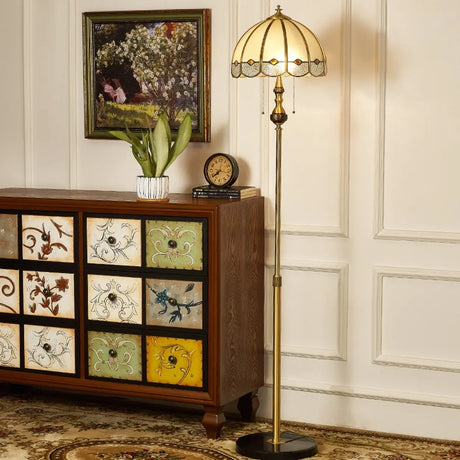
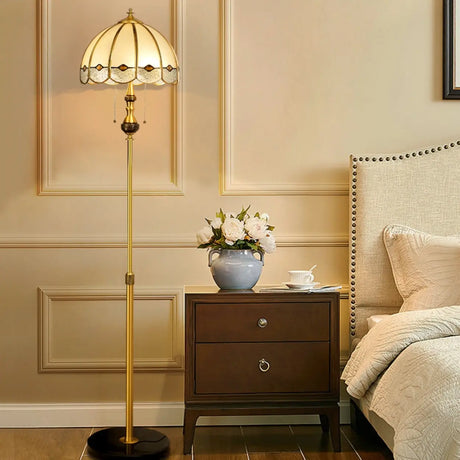
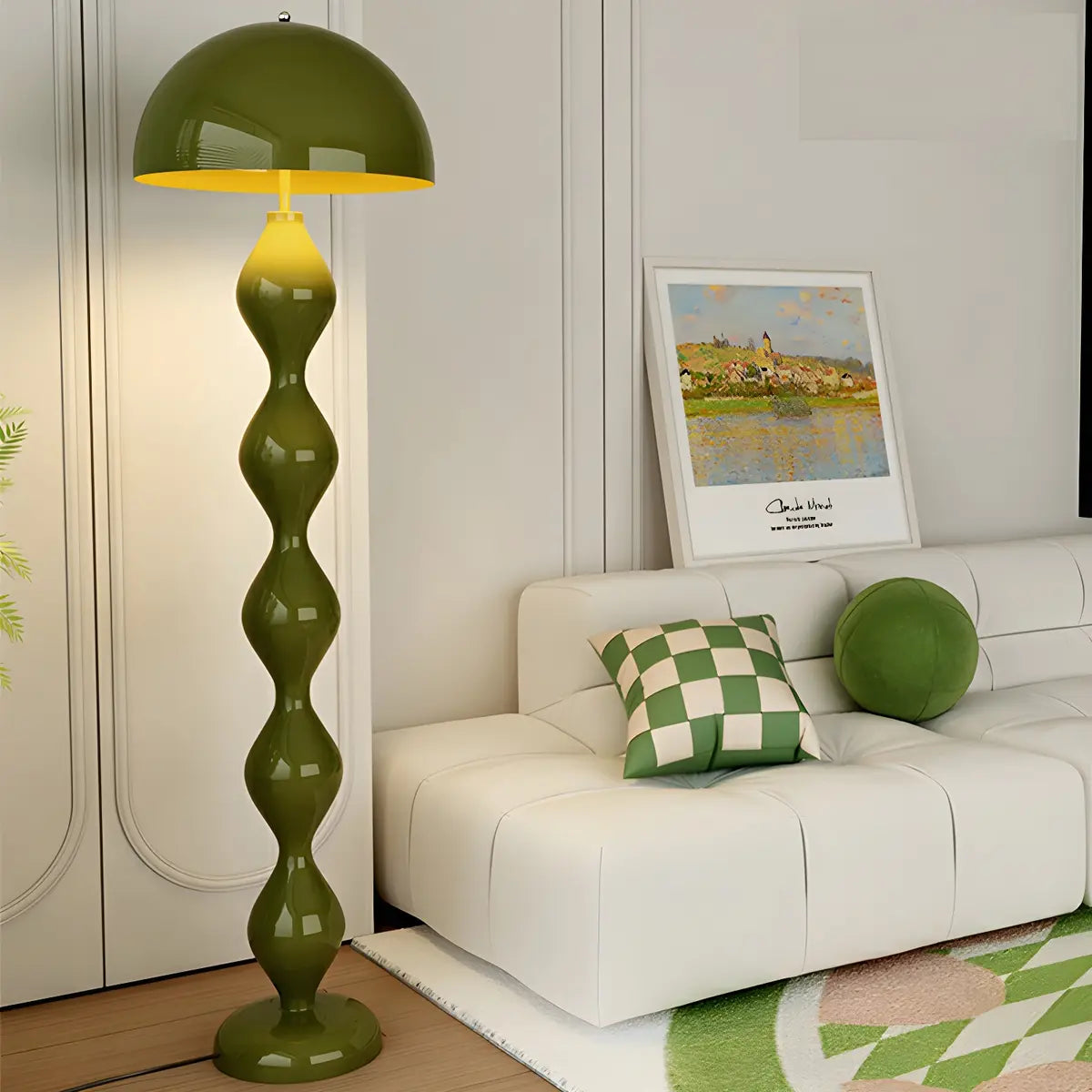
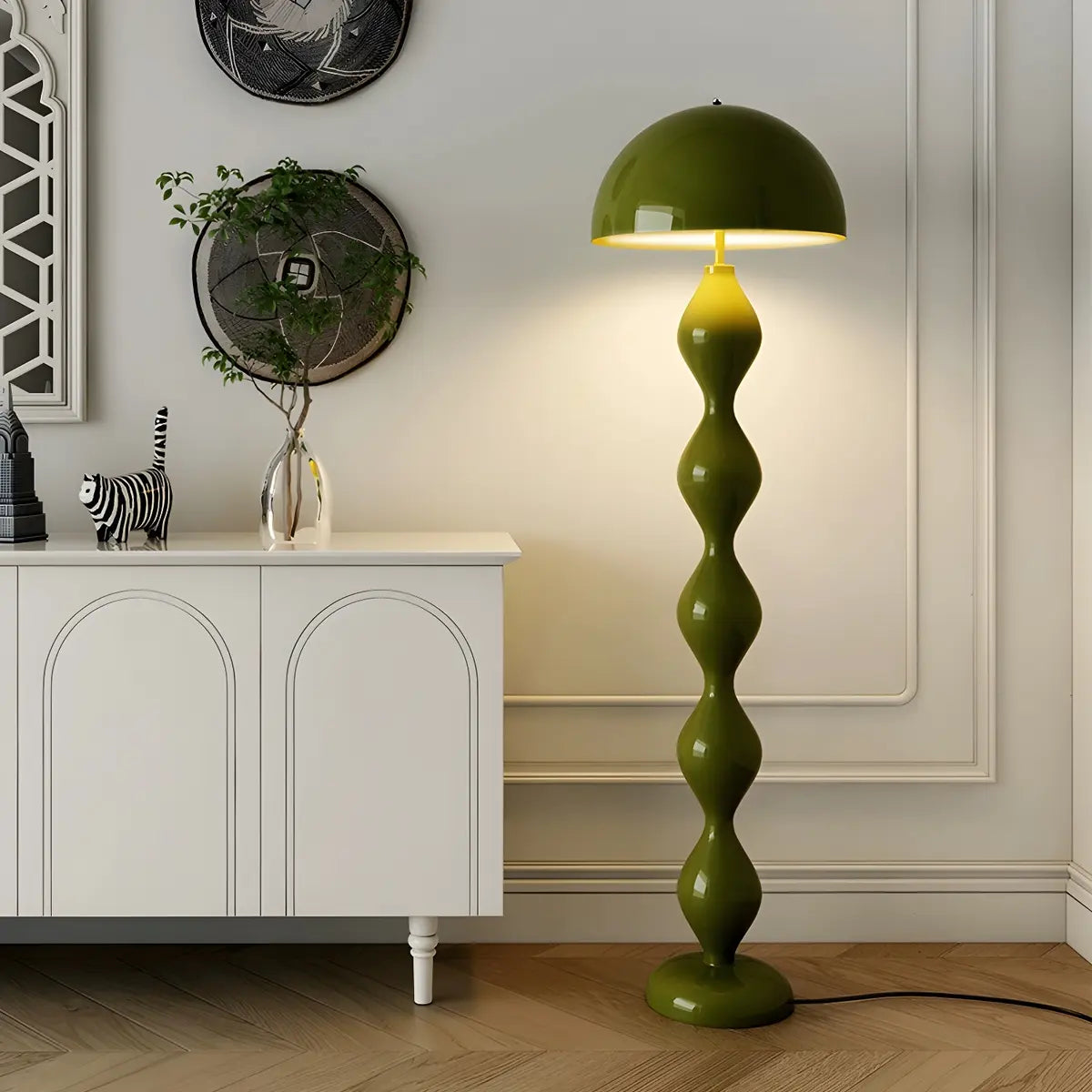
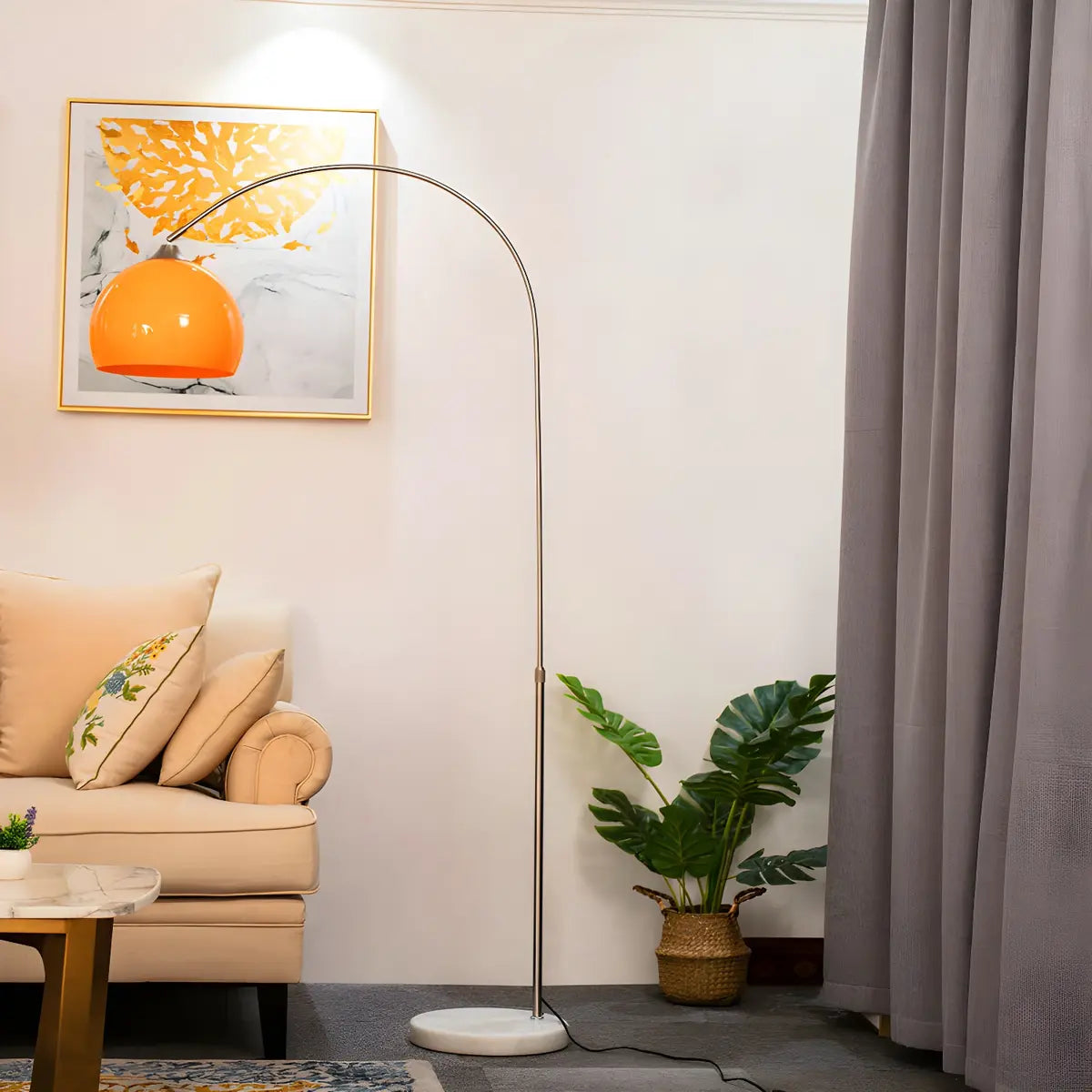
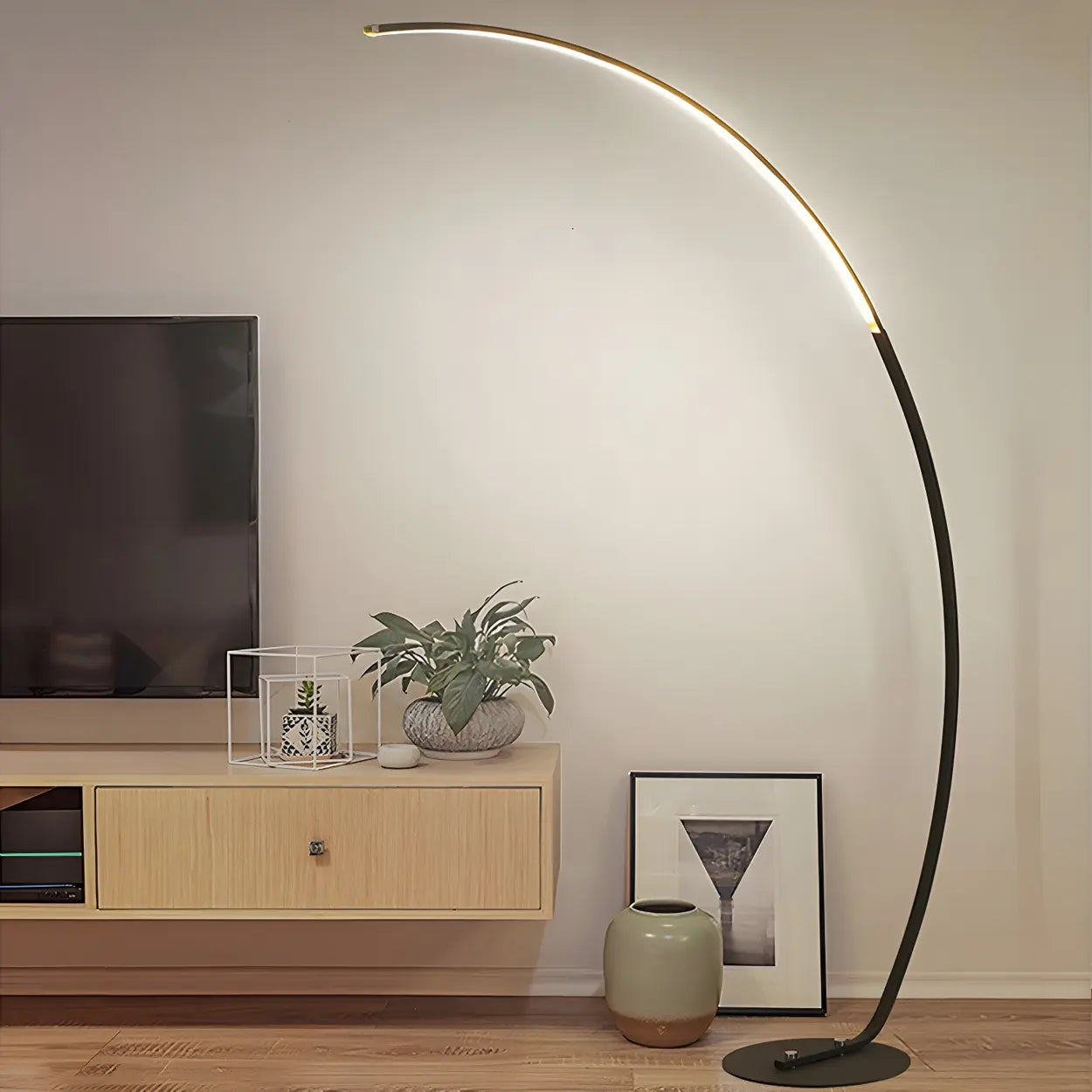
Floor lamps have a narrower spread. They direct light upwards, downwards, or sideways, illuminating specific corners or seating areas rather than the whole room.
Brightness and intensity
Ceiling fixtures are generally built to light up large areas, whereas freestanding lamps provide softer light. The table below compares their typical brightness features.
| Feature | Floor Lamp | Ceiling Light |
| Bulb Capacity | Usually holds a single bulb | Often holds multiple bulbs |
| Light Intensity | Softer, lower intensity | High intensity, very bright |
| Main Purpose | Localized visibility | Full room visibility |
Installation and setup
Floor lamps require zero installation. You simply unpack the fixture, plug it into a standard wall outlet, and turn it on. This makes them highly useful for immediate lighting without any extra labor costs.
Ceiling lights require hardwiring into your home. You usually need to hire an electrician to safely connect them to your electrical grid. This process takes more time, planning, and often involves cutting into your drywall.
Flexibility and portability
You can easily move a floor lamp from the living room to the bedroom. It adapts quickly to changing furniture layouts, making it highly versatile. If you move to a new house, the lamp comes with you.

Ceiling lights are permanent fixtures. Once installed, their position remains fixed for years. If you want to change the room layout later, the overhead light might no longer be centered over your new seating area.
Style and room aesthetics
Floor lamps stand at eye level and act as visible furniture pieces. They add texture and vertical interest to empty room corners. You can easily use them to complement your existing sofa or rug.
Ceiling fixtures often blend into the room or hang high above as central visual points. A modern chandelier can anchor a dining room, while recessed lighting stays completely hidden in the ceiling.
Cost and budget
Your budget will heavily influence your choice, as the total costs differ between the floor lamps and ceiling lights.
| Cost Factor | Floor Lamp | Ceiling Light |
| Fixture Price | Low to moderate | Moderate to high |
| Installation Fee | None (plug-in) | High (electrician needed) |
| Maintenance | Easy bulb changes at ground level | Requires a ladder for upkeep |
When to Choose a Floor Lamp or Ceiling Light?
Selecting the floor lamp vs ceiling light requires looking at your current space constraints and daily habits. Here are clear scenarios for when each lighting type works best.
Choose a floor lamp if…
- You rent an apartment and cannot change the hardwiring.
- You need extra light next to a reading chair or desk.
- Your room lacks built-in overhead fixtures.
- You want to add soft, warm lighting for relaxing in the evening.
- You like to rearrange your furniture frequently.
Choose a ceiling light if…
- You need to light up a large, open space like a kitchen or main living area.
- You have low ceilings and want to save floor space.
- You are building a new home or doing a major renovation.
- You want a single wall switch by the door to illuminate the entire room instantly.
Can You Use a Floor Lamp and Ceiling Light Together?
Yes, combining both fixtures is a highly practical way to light a room. This approach is called layered lighting, and it ensures your space adapts to different activities. The overhead light serves as the base layer, giving you clear visibility when cleaning or hosting guests. The freestanding lamp acts as a secondary layer. When you want to wind down in the evening, you can turn off the bright overhead fixtures. Switching on just the lamp creates a softer environment for watching television or having a quiet conversation.
Conclusion
Choosing a ceiling light vs floor lamp comes down to your current home wiring and how much flexibility you need. Both fixtures serve distinct purposes in keeping your daily routines well-lit and practical. If you want to upgrade your space, Homebaa offers a wide selection of both lighting types. Their affordable and stylish fixtures make it easy to find exactly what your room is missing.
FAQ
Is a floor lamp or ceiling light better for living room lighting?
Is a floor lamp or ceiling light better for living room lighting?
A ceiling light works best for general illumination and safe movement, while a floor lamp adds focused and ambient lighting near seating areas. Using both together creates the most balanced setup.
Can a floor lamp replace a ceiling light in small spaces or apartments?
Can a floor lamp replace a ceiling light in small spaces or apartments?
Yes, a bright floor lamp can replace overhead lighting in small spaces. Models with upward-facing shades can reflect light off the ceiling to illuminate the entire room.
Which is better for reading: a floor lamp or a ceiling light?
Which is better for reading: a floor lamp or a ceiling light?
A floor lamp is better for reading because it provides direct, focused light near your seating position, reducing shadows and eye strain compared to overhead lighting.
Do floor lamps or ceiling lights use less electricity?
Do floor lamps or ceiling lights use less electricity?
Energy use depends on the bulb type and wattage, not the fixture. Two lights using the same wattage and bulb type will consume the same amount of electricity.
When should you choose a ceiling light instead of a floor lamp?
When should you choose a ceiling light instead of a floor lamp?
Ceiling lights are better for large or high-traffic areas like kitchens, hallways, and dining rooms, where even, wide illumination is needed for safety and daily tasks.
How do you combine floor lamps and ceiling lights for layered lighting?
How do you combine floor lamps and ceiling lights for layered lighting?
Use the ceiling light for general ambient lighting, then add floor lamps near seating areas for task and accent lighting. This layered approach allows flexible control over brightness and mood.