








![10 Best Floor Lamp for Reading [2026 Review]](http://www.homebaa.com/cdn/shop/articles/banner_c990b0a4-4743-4902-b6be-5609f7a21a90.webp?v=1766393057&width=400)



![How to Choose the Coffee Table Height? [2026 Newest Guide]](http://www.homebaa.com/cdn/shop/articles/coffee-table-height_2a1fd127-359f-4d5f-9ac1-3b232c7092a9.webp?v=1788166652&width=400)


Table of Contents
Find Your Perfect Lamp: Quick Quiz
Answer 5 simple questions to discover whether a floor lamp or table lamp is best for your needs.
Question 1: Which room are you shopping for?
Quick Comparison Table
| Feature | Floor Lamp | Table Lamp |
| Space requirements | Needs floor space, no furniture required | Needs table, desk, or nightstand |
| Light coverage | Wider area, higher reach | Focused area, lower reach |
| Mobility | Easy to move, just unplug | Easy to move if surface available |
| Stability | Can tip over easily | More stable on surfaces |
| Cost range | $30-$300+ | $20-$200+ |
| Best rooms | Living rooms, reading corners | Bedrooms, offices, side tables |
Key Differences: Floor Lamp vs Table Lamp
Here's where floor lamps and table lamps really differ in practical use.
Space requirements
Floor lamps need about 1-2 square feet of floor space but don't require any furniture. They work well in corners or next to seating where you don't have tables. Table lamps need a stable surface like a nightstand, end table, or desk. In small rooms where every piece of furniture counts, this difference matters.
Light coverage and reach
Floor lamps typically stand 60-72 inches tall, putting light at eye level or above. This height spreads light across a wider area. Table lamps usually sit 24-30 inches high on furniture, creating focused lighting that doesn't spread as far across a room.

Mobility and flexibility
Floor lamps move anywhere you have an outlet and floor space. You can test different spots until you find what works. Table lamps are equally portable, but you're limited by where you have furniture.
Installation and setup
Floor lamps plug directly into wall outlets. The main challenge is managing a cord that runs along the floor. Table lamps have shorter cords since they sit closer to walls, and the furniture often hides the cord completely.
Stability and safety
| Safety Factor | Floor Lamp | Table Lamp |
| Tipping risk | Higher center of gravity, easier to knock over | Low and stable, harder to tip |
| Cord hazards | Cord runs along floor | Cord usually hidden by furniture |
| Child/pet safety | More vulnerable to bumps | Generally safer option |
| Best placement | Corners or behind furniture | Any stable surface |
Cost and value
Floor lamps range from $30 for basic models to $300+ for designer pieces. Most quality floor lamps cost $60-120. Table lamps start around $20 and go up to $200 for high-end options, with most falling in the $35-80 range. You can buy 2-3 table lamps for the price of one good floor lamp.
Style and visual impact
Floor lamps are tall and occupy vertical space, making them noticeable focal points. Table lamps act as decorative accents that complement your furniture. You can mix different table lamp styles in one room more easily than you can with floor lamps.
Choosing the Right Lamp for Each Room
Different rooms have different lighting needs. Here's what works best in common spaces.
Living room lighting
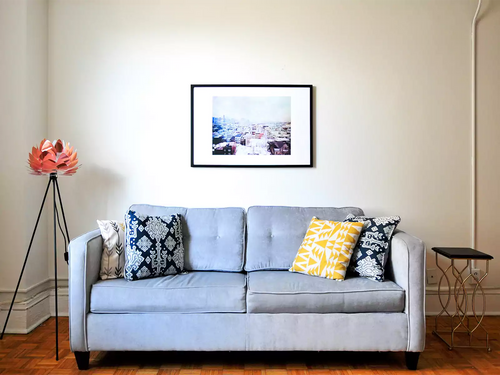
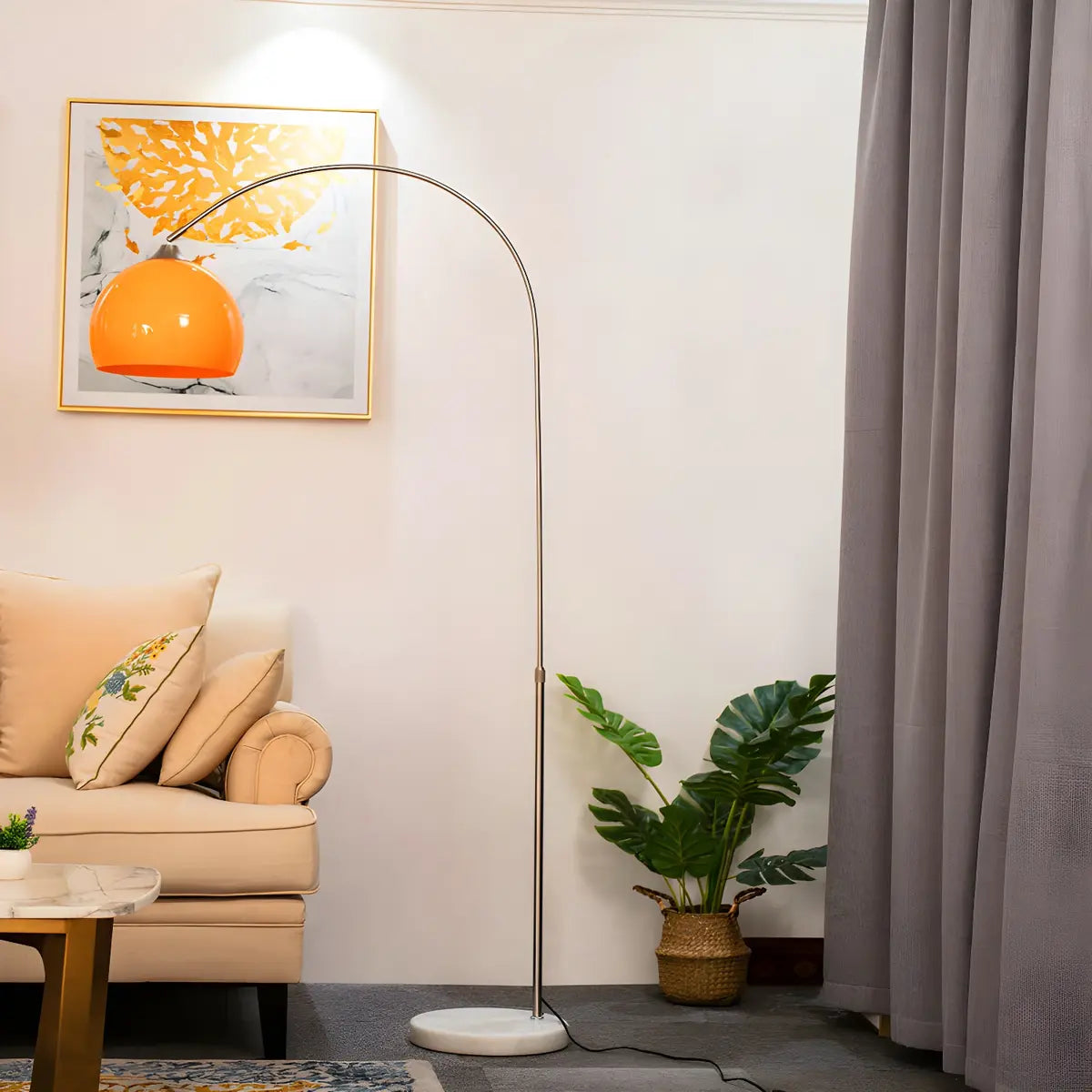
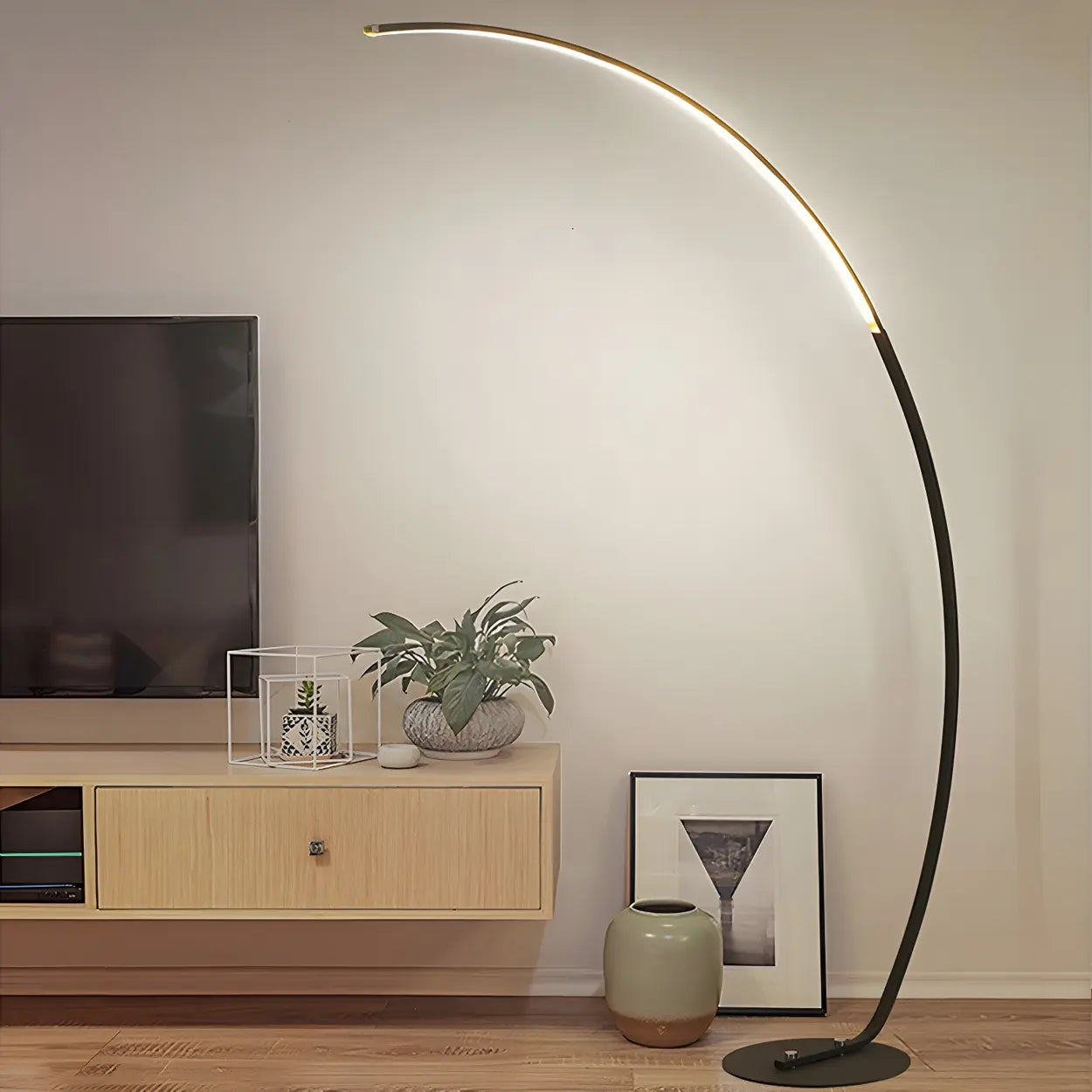
Floor lamps provide ambient lighting for seating areas without cluttering tables. Position one behind a sofa or next to an armchair. Arc floor lamps can light the center of a room from a corner position. Table lamps work on end tables but provide more limited coverage.
Bedroom lighting
Table lamps work best on bedside tables-you can read in bed and turn off the light without getting up. Floor lamps fit in bedrooms if you have a reading chair or limited nightstand space, but table lamps are the more practical choice for most bedrooms.

Home office lighting
Table lamps put light exactly where you need it for computer work or reading documents. Floor lamps can supplement office lighting behind your desk chair, but for task lighting at your desk, a table lamp works better.
Reading nook lighting
Floor lamps fit well next to reading chairs, providing over-the-shoulder lighting without needing a side table. Table lamps work if your reading spot includes a small side table, but many reading nooks are just a chair in a corner.
Quick Decision Guide: Which Lamp Is Right for Your Space?
Use these guidelines to match lamp types to your specific needs.
Choose floor lamps if you:
- Have limited furniture surfaces but available floor space
- Need to light larger areas or seating zones
- Have empty corners that need functional lighting
- Prefer keeping tabletops clear
- Need reading light next to chairs without side tables
Choose table lamps if you:
- Have nightstands, desks, or end tables already in place
- Need focused task lighting for reading or work
- Work in smaller rooms where floor space is tight
- Have young children or pets that might knock over tall lamps
- Want multiple light sources around a room
Use both types when:
- Creating layered lighting with different light levels
- Designing larger rooms that need both ambient and task lighting
- You have both empty corners and furniture surfaces available
Conclusion
The floor lamp vs table lamp decision comes down to your space layout and lighting needs. Floor lamps work best when you need ambient lighting without extra furniture, while table lamps handle focused task lighting on existing surfaces. When you're ready to upgrade your lighting, Homebaa offers both floor lamps and table lamps in various styles, all built with quality materials at affordable prices.
FAQs
How tall should a floor lamp be in relation to my furniture?
How tall should a floor lamp be in relation to my furniture?
Most floor lamps range from 58-64 inches in height. The bottom of the shade should position light just above shoulder level when seated (approximately 48-52 inches from the floor). This creates ideal illumination for reading without casting shadows.
Can I use different lamp styles in the same room?
Can I use different lamp styles in the same room?
Yes, different lamp styles can work beautifully together when they share at least one common element—similar shade shapes, complementary materials, or a unified color scheme. This connection creates cohesion without requiring matching sets.
How many watts/lumens do I need for different activities?
How many watts/lumens do I need for different activities?
Reading or detailed tasks typically require 450-800 lumens (equivalent to traditional 40-60W incandescent bulbs). Ambient lighting can use lower outputs of 200-400 lumens. Modern LED options allow you to achieve these light levels with significantly lower wattage.
How do I maintain my lamps for longevity?
How do I maintain my lamps for longevity?
Dust shades regularly with a soft brush attachment, check connections quarterly, and inspect cords for wear. Felt pads under lamp bases protect both flooring and furniture surfaces. Clean glass or metal components with appropriate non-abrasive cleaners to maintain finish quality.