








![10 Best Floor Lamp for Reading [2026 Review]](http://www.homebaa.com/cdn/shop/articles/banner_c990b0a4-4743-4902-b6be-5609f7a21a90.webp?v=1766393057&width=400)



![How to Choose the Coffee Table Height? [2026 Newest Guide]](http://www.homebaa.com/cdn/shop/articles/coffee-table-height_2a1fd127-359f-4d5f-9ac1-3b232c7092a9.webp?v=1788166652&width=400)


You picked dark hardwood floors for a reason. That rich, deep color adds warmth and character that lighter floors just don't have. But a lot of people find that their dark floors end up looking flat or shadowy, and the culprit is almost always the lighting. This guide breaks down how layered lighting works, which fixtures to use, and how to apply it room by room.
Table of Contents
Why Dark Hardwood Floors Need Layered Lighting?
Dark wood absorbs light instead of reflecting it. That means a single overhead light leaves most of the floor in shade, hides the grain, and makes the whole room feel heavier than it should.

Layered lighting spreads light from multiple sources and angles, which brings out the texture and warmth in the wood. It also helps balance the room so the floor feels like a design choice rather than a dark void. If you're still deciding on floors, the wood species, finish, and undertone all affect how well different lighting setups work. Browsing dark hardwood floor options by finish and species is a good starting point before finalizing your lighting plan.
The Three Layers of Lighting for Dark Floors
Layered lighting is built on three types of light, each doing a different job. Here's a quick breakdown before getting into the details:
| Layer | Role | Examples |
| Ambient | General room brightness, the base layer | Chandeliers, flush mount lights, natural light |
| Accent | Highlights floor texture and depth | Wall sconces, track lights, under-furniture LEDs |
| Task | Focused light for specific activities | Floor lamps, table lamps |
Using all three together is what creates a room that feels well-lit and balanced, rather than bright in some spots and dark in others.
Ambient Lighting For Dark Hardwood Floors
Ambient lighting is the starting point. It sets the overall brightness level that everything else builds on.
Choosing the right overhead fixtures
The right fixture depends largely on ceiling height. Here's a simple guide:
- Standard ceilings (8 to 9 ft): Flush mount lights and semi-flush mount lights are practical choices. They spread light evenly without hanging too low.
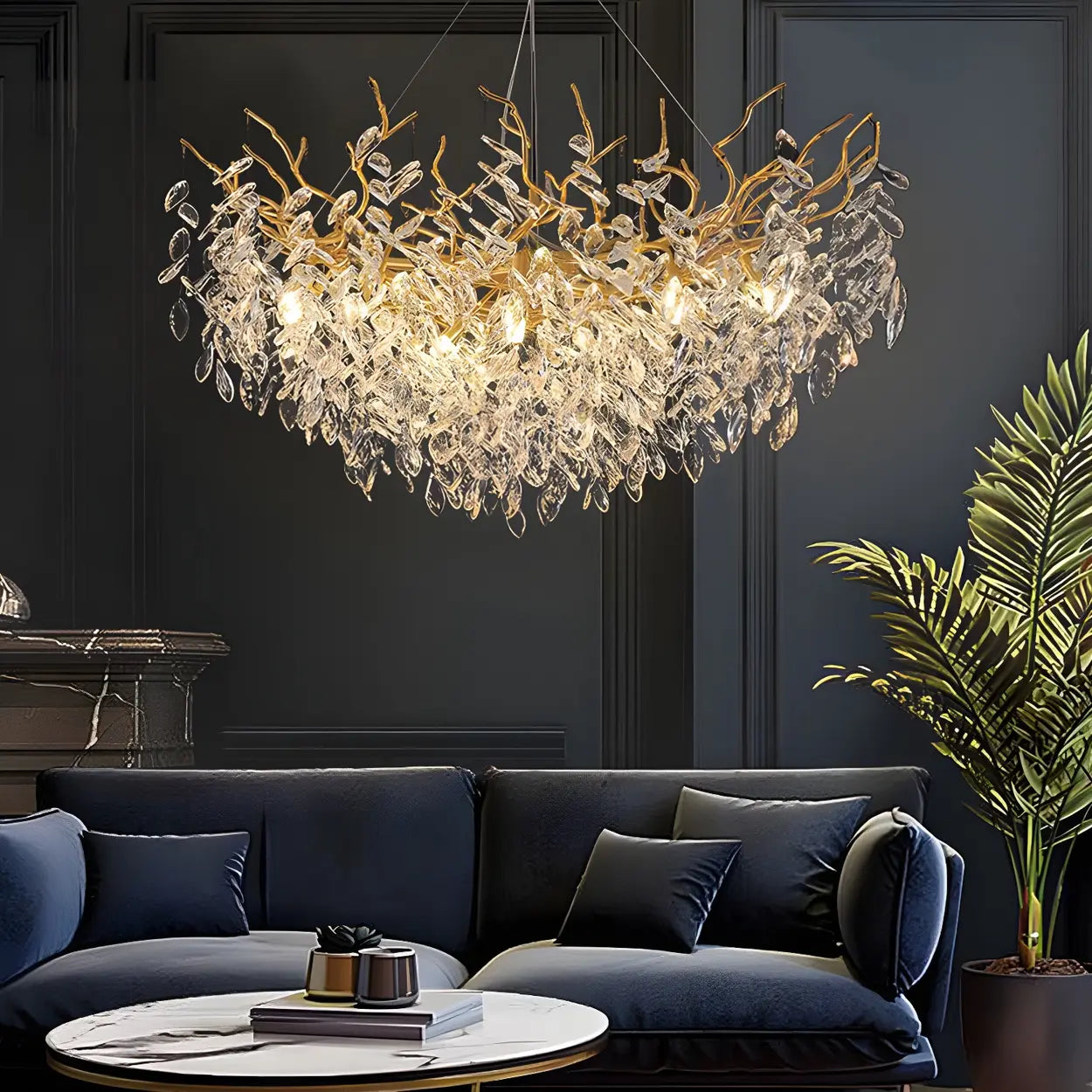
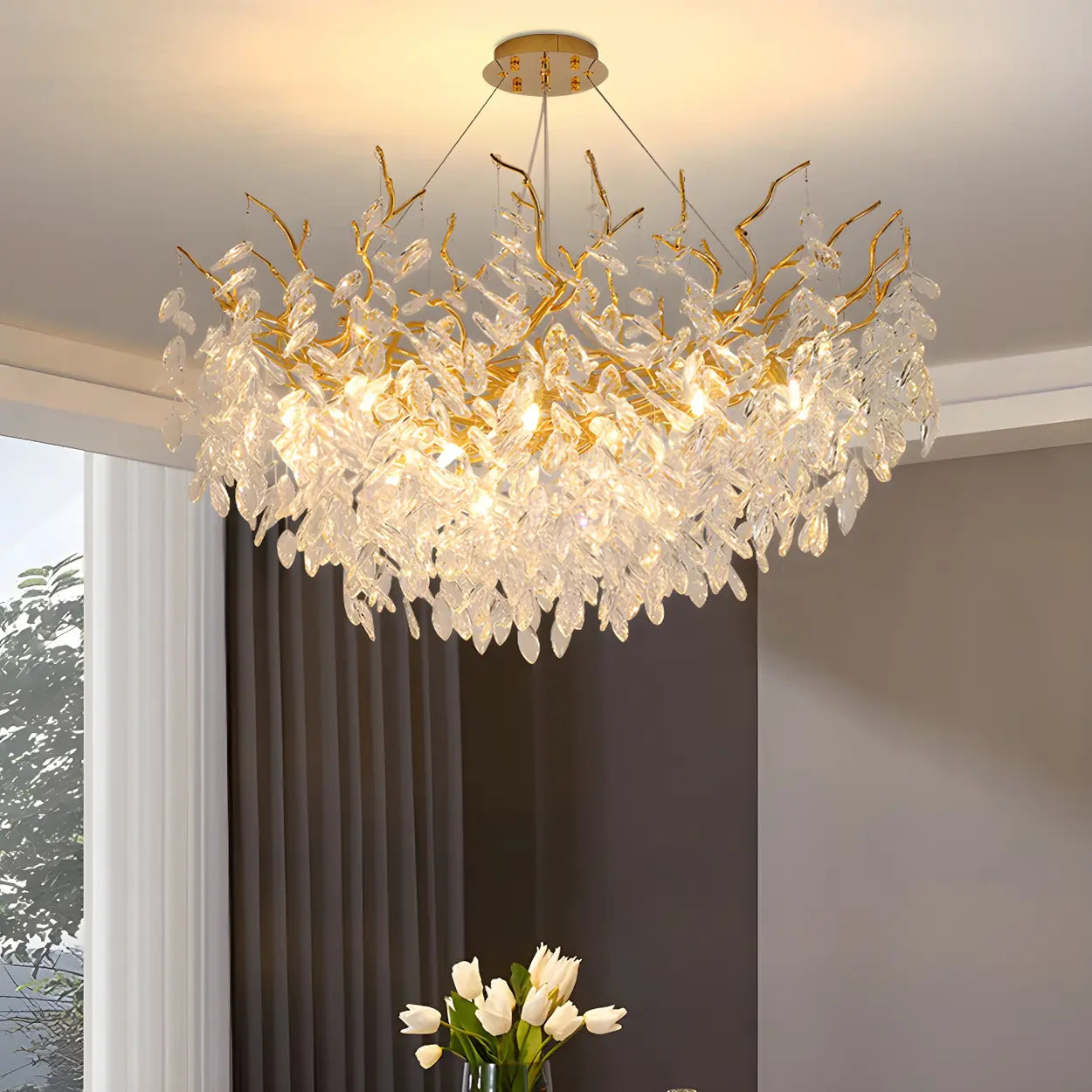
- Higher ceilings (10 ft+): Chandeliers and pendant lights work well here. They fill more vertical space and add a warm downward glow that suits dark wood tones.
One thing worth keeping in mind: bulb color temperature (covered below) has a bigger impact on how your dark floors look than the fixture style itself. 
Making the most of natural light
Natural light shifts throughout the day, and that affects how dark floors read in the room. Cool morning light can make warm-toned wood look slightly gray, while afternoon sun tends to bring out more of the richness in the wood. Sheer curtains are a good option for softening direct sunlight without blocking it entirely. If your room has windows on only one wall, the light tends to pool in one area. Adding mirrors or lighter wall colors on the opposite side can help even things out.
Accent Lighting To Make Your Dark Floors Stand Out
Once the ambient layer is in place, accent lighting is what really brings dark hardwood to life. It creates depth and makes the grain visible in a way overhead lighting alone can't.
Wall sconces and directional lighting
Wall sconces positioned lower on the wall can cast light at a shallow angle across the floor. This is called floor grazing, and it highlights the texture of the wood in a way that overhead fixtures simply can't replicate. Track lights offer more flexibility if you want to adjust the direction or coverage over time.
Under-furniture lighting
LED strips under sofas, beds, or kitchen cabinets add a soft glow right at floor level. The effect is subtle: the furniture appears to float slightly, and the floor gains depth. It's one of the more affordable accent options and relatively straightforward to install.
Task Lighting That Complements Dark Hardwood
Task lighting is functional first, but placement still matters for how the overall room looks and feels.
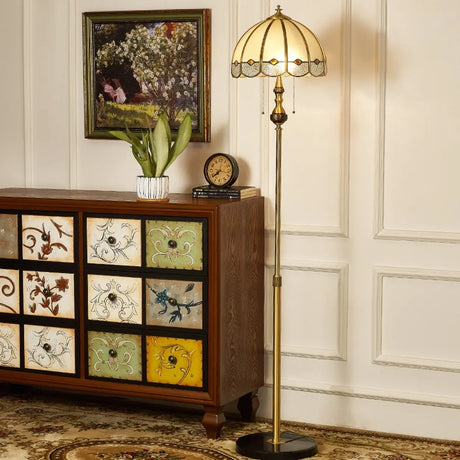
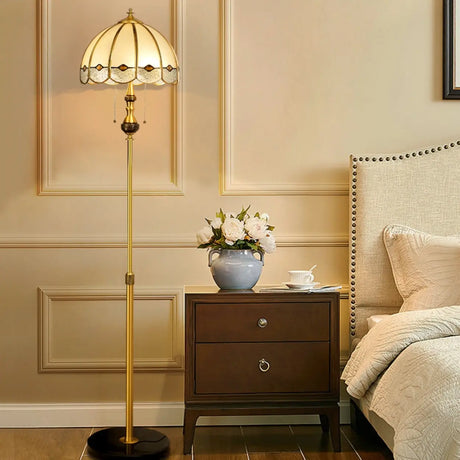
Floor lamps
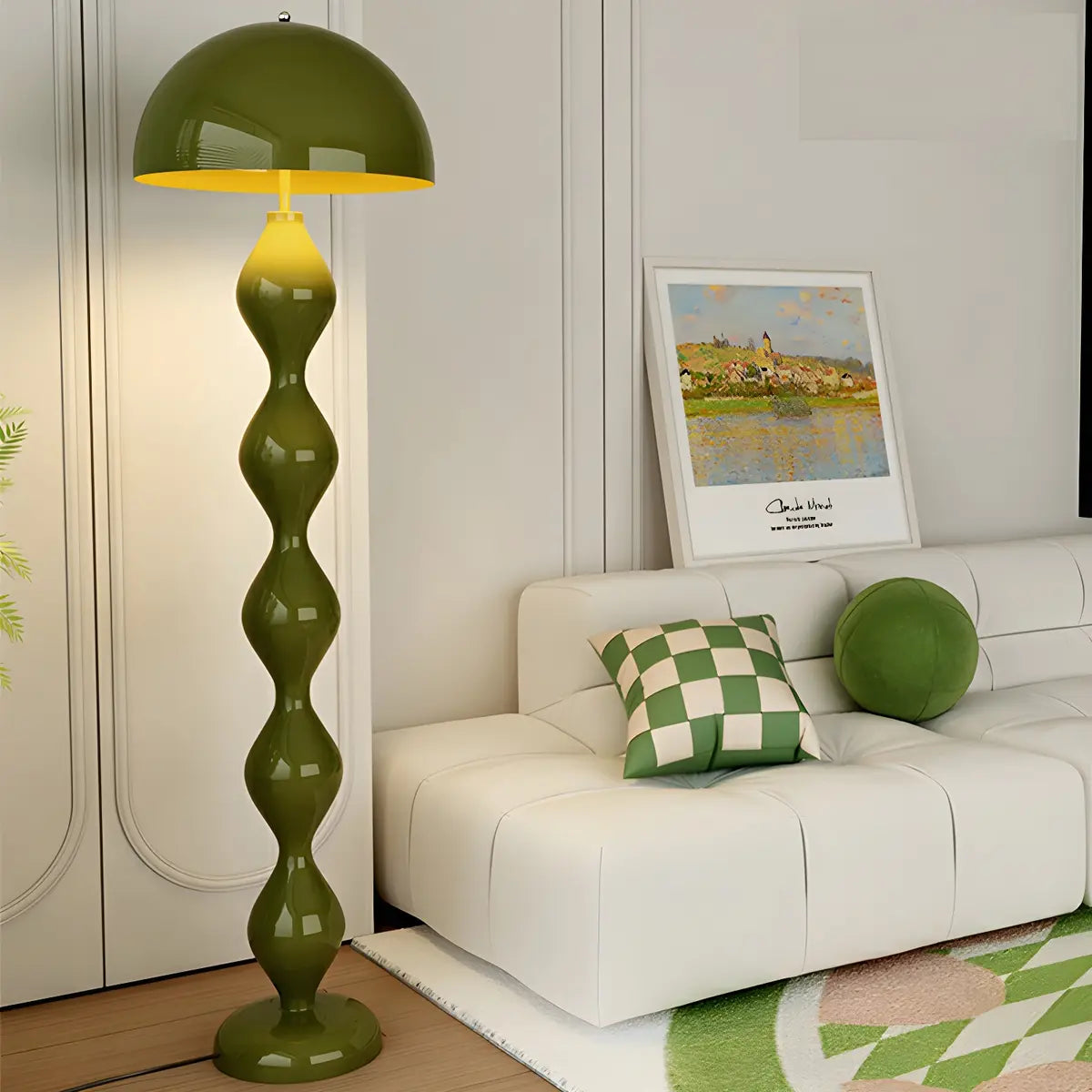
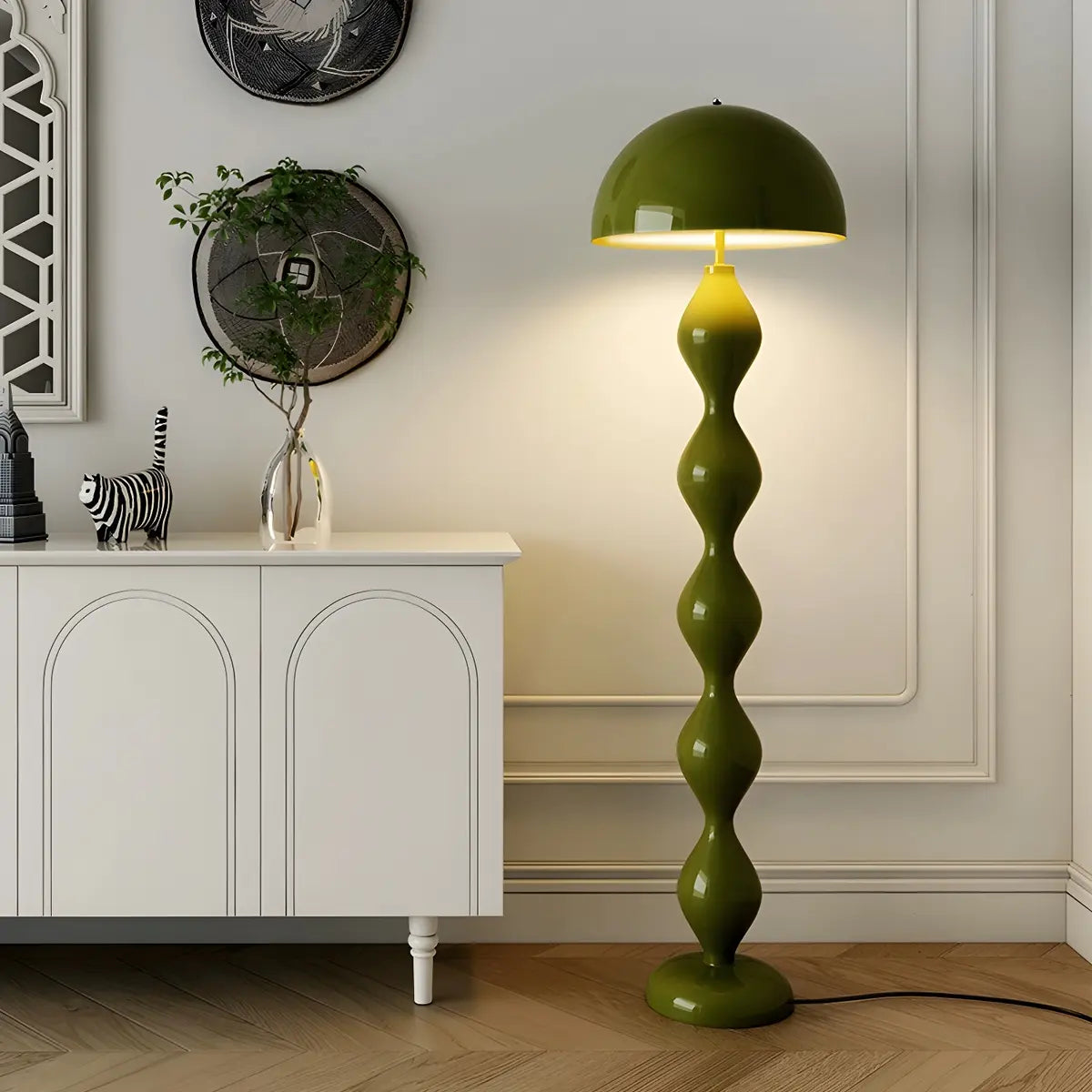
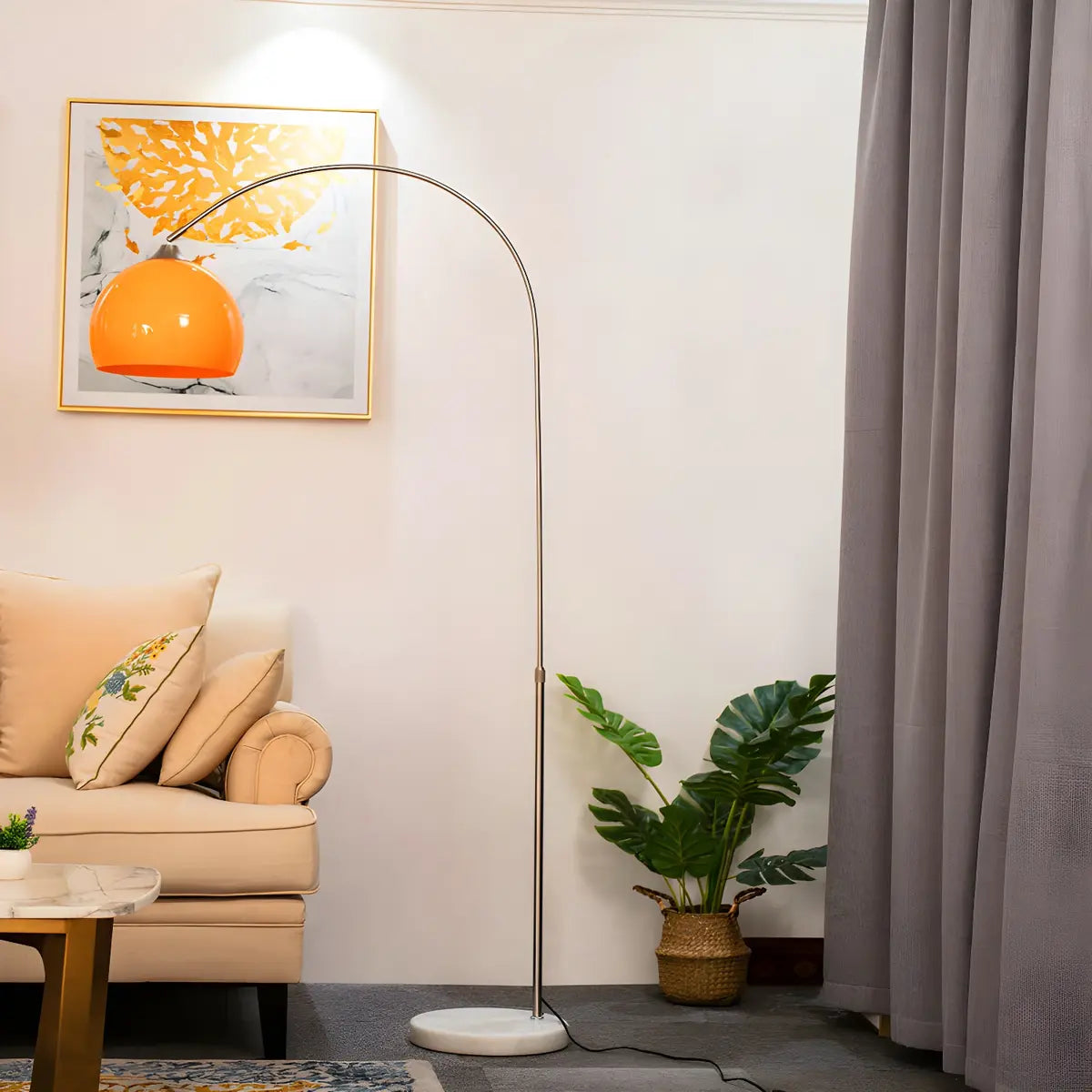
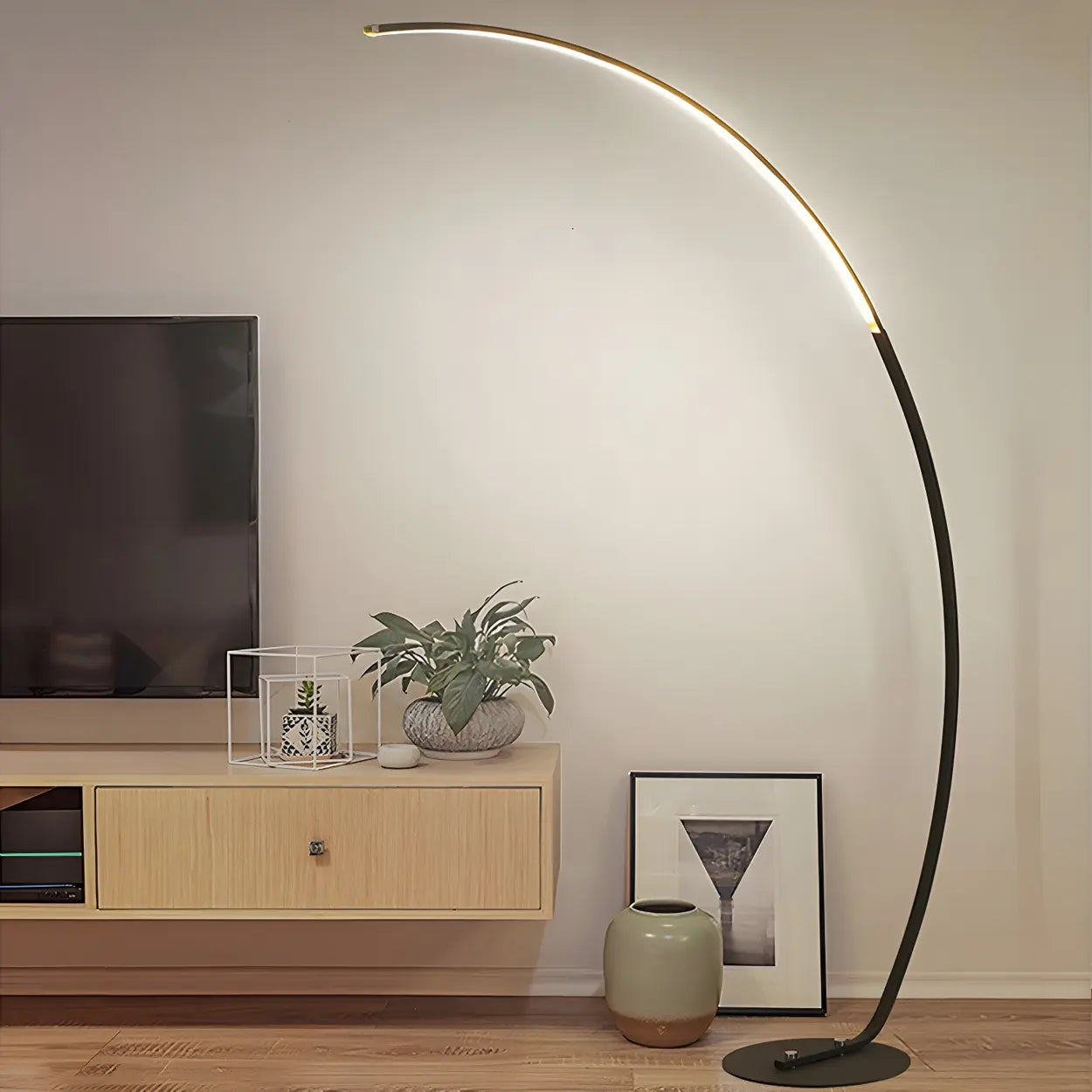
Floor lamps placed in corners help fill in areas that overhead fixtures miss, and they contribute to the ambient layer as well. For reading spots, positioning a floor lamp slightly behind and to the side of your seat avoids casting shadows directly onto the floor in front of you.
Table lamps

Table lamps on side tables or nightstands bring light down to eye level. Lampshades in warm tones like cream, linen, or amber tend to give off a softer light that complements dark wood flooring well.
The Right Bulb Color Temperature for Dark Wood Floors
Bulb color temperature is measured in Kelvin (K), and it's one of the most overlooked factors when lighting a room with dark hardwood. The 2700K to 3000K range (warm white) tends to work best for dark wood floors. It mimics the warmth of incandescent light and enhances the undertones in wood species like walnut, espresso, and dark oak. Bulbs above 4000K shift toward cool white, which tends to make dark floors look gray and flat.
| Color Temperature | Light Tone | Effect on Dark Hardwood |
| 2700K | Warm white | Enhances warm tones, brings out grain detail |
| 3000K | Soft white | Balanced warmth, works well in most rooms |
| 4000K | Neutral white | Starts to cool down wood tones noticeably |
| 5000K+ | Cool / daylight | Makes dark floors look gray and dull |
If your room gets a lot of natural daylight, staying around 3000K tends to give a more consistent look across different times of day.
Room-By-Room Lighting Ideas for Dark Hardwood Floors
The layered approach applies in every room, but the mix of fixtures shifts depending on the space. Here's a practical starting point for each one.
Living room
A chandelier or pendant light as the main ambient source pairs well with a floor lamp in the corner and wall sconces on either side of a fireplace or focal wall. The sconces at lower height graze light across the floor and help show off the wood grain.
Kitchen
Pendant lights over an island bring focused light to the work surface and add warmth to the floor below. Overhead ceiling lights handle the ambient layer. Under-cabinet lighting is mainly functional, but it also adds a low-level accent layer that works well with dark wood flooring.
Bedroom
A flush mount or semi-flush mount light keeps the ceiling uncluttered. Table lamps on nightstands cover task lighting, and a floor lamp in the corner rounds out the layered setup without taking up much visual space.
Hallway and entryway
Narrow hallways with dark floors can feel tight without enough light. Wall sconces spaced evenly along the wall draw the eye down the length of the floor and help open up the space. Track lights are worth considering if you want more flexibility in how you angle the light.
Conclusion
Dark hardwood floors look best when the lighting is built up in layers: ambient for overall brightness, accent to bring out the wood grain, and task lighting where you need it. Getting the bulb color temperature right ties it all together. If you're looking for fixtures to get started, Homebaa carries a wide range of ceiling lights, wall sconces, floor lamps, table lamps, and more at affordable prices, so finding something that fits your style and budget is pretty easy.
FAQ
What color temperature bulbs work best for dark hardwood floors?
What color temperature bulbs work best for dark hardwood floors?
Warm white bulbs in the 2700K to 3000K range work best for dark hardwood floors. They enhance the warm undertones of the wood and make the grain more visible, avoiding the cold, gray effect of higher color temperatures.
Can dark hardwood floors make a room feel too dark?
Can dark hardwood floors make a room feel too dark?
Yes, especially with poor lighting. Using multiple light sources at different heights and warm-toned bulbs helps keep the room balanced. Floor-level accent lighting can also add depth.
What type of lighting makes a room with dark floors look bigger?
What type of lighting makes a room with dark floors look bigger?
Evenly distributed lighting helps open up the space. Wall sconces, floor-grazing accent lights, and warm overhead fixtures reduce shadowy corners and make the room feel more expansive.
Are recessed lights or pendant lights better for dark hardwood floors?
Are recessed lights or pendant lights better for dark hardwood floors?
Both work well depending on the situation. Recessed lights provide even ambient illumination, while pendant lights add focused warmth. Using both together often gives the best result.
Does natural light fade or damage dark hardwood floors?
Does natural light fade or damage dark hardwood floors?
Yes, prolonged UV exposure can cause fading or color changes over time. Using UV-filtering window film or sheer curtains can protect the floors while still allowing natural light in.
How many light sources do I need in a room with dark hardwood floors?
How many light sources do I need in a room with dark hardwood floors?
A good starting point is three: one ambient, one accent, and one task light. Larger or open-plan rooms may need more to cover corners and avoid uneven lighting.