






![10 Best Floor Lamp for Reading [2026 Review]](http://www.homebaa.com/cdn/shop/articles/banner_c990b0a4-4743-4902-b6be-5609f7a21a90.webp?v=1766393057&width=400)



![How to Choose the Coffee Table Height? [2026 Newest Guide]](http://www.homebaa.com/cdn/shop/articles/coffee-table-height_2a1fd127-359f-4d5f-9ac1-3b232c7092a9.webp?v=1788166652&width=400)


Ambient lighting is the base layer of light in a room. It provides general illumination that lets you move around safely and sets the overall mood. Unlike task lighting for specific activities, ambient lighting fills your space with soft, even light. You don't need expensive renovations to improve it. Simple additions like floor lamps or LED strips can change how your rooms look and feel.
Table of Contents

Floor Lamps For Flexible Ambient Light
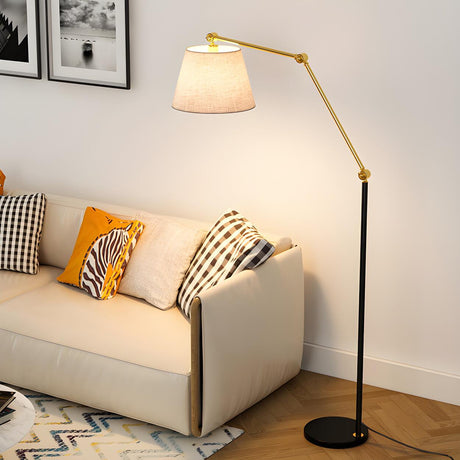
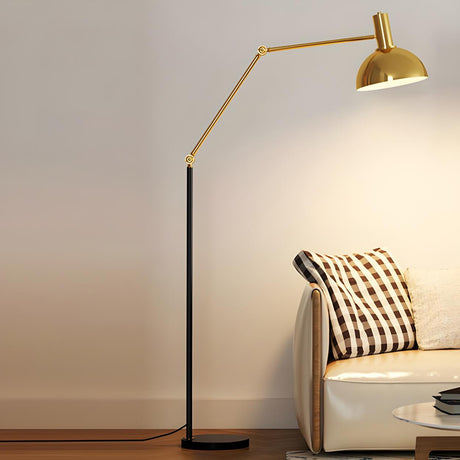
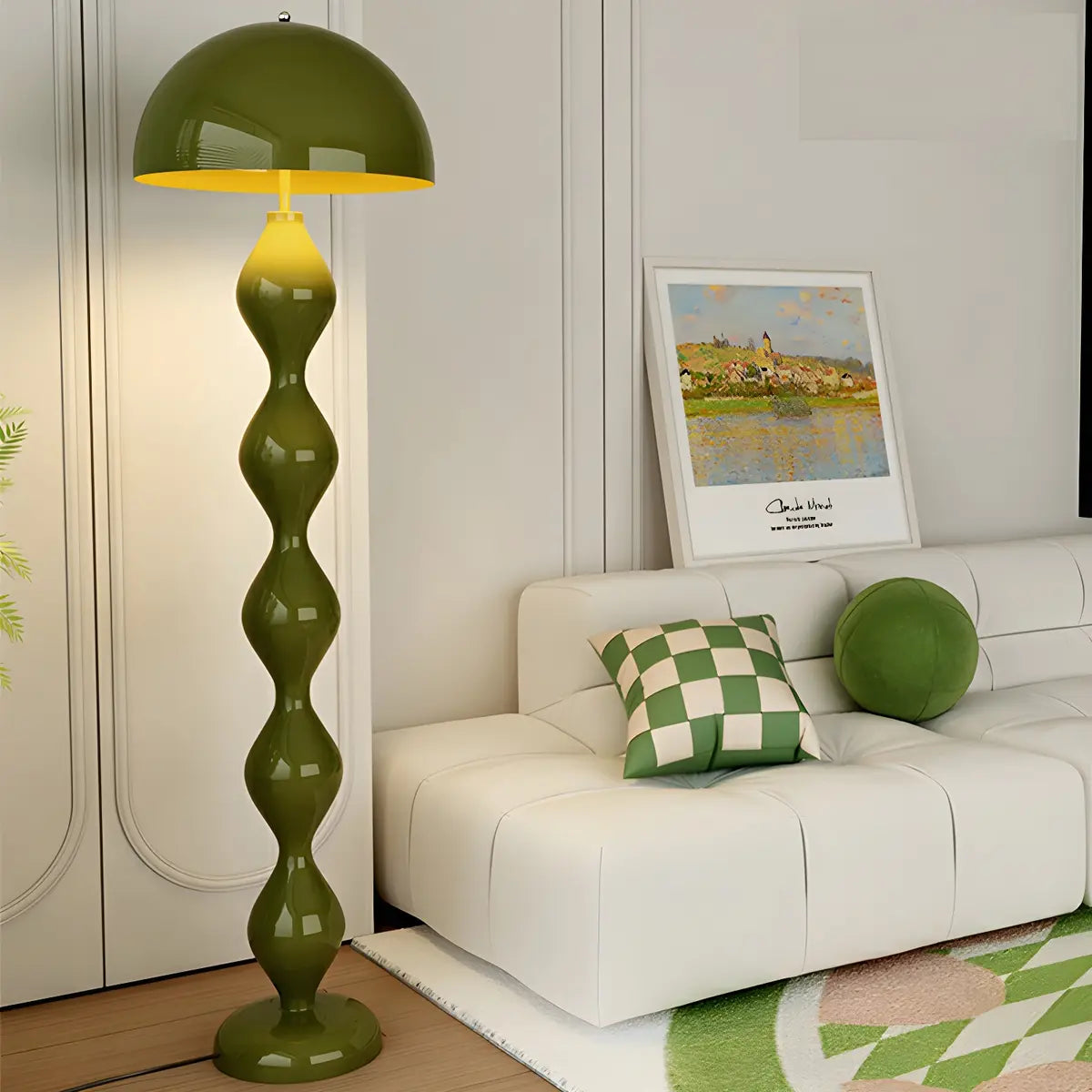
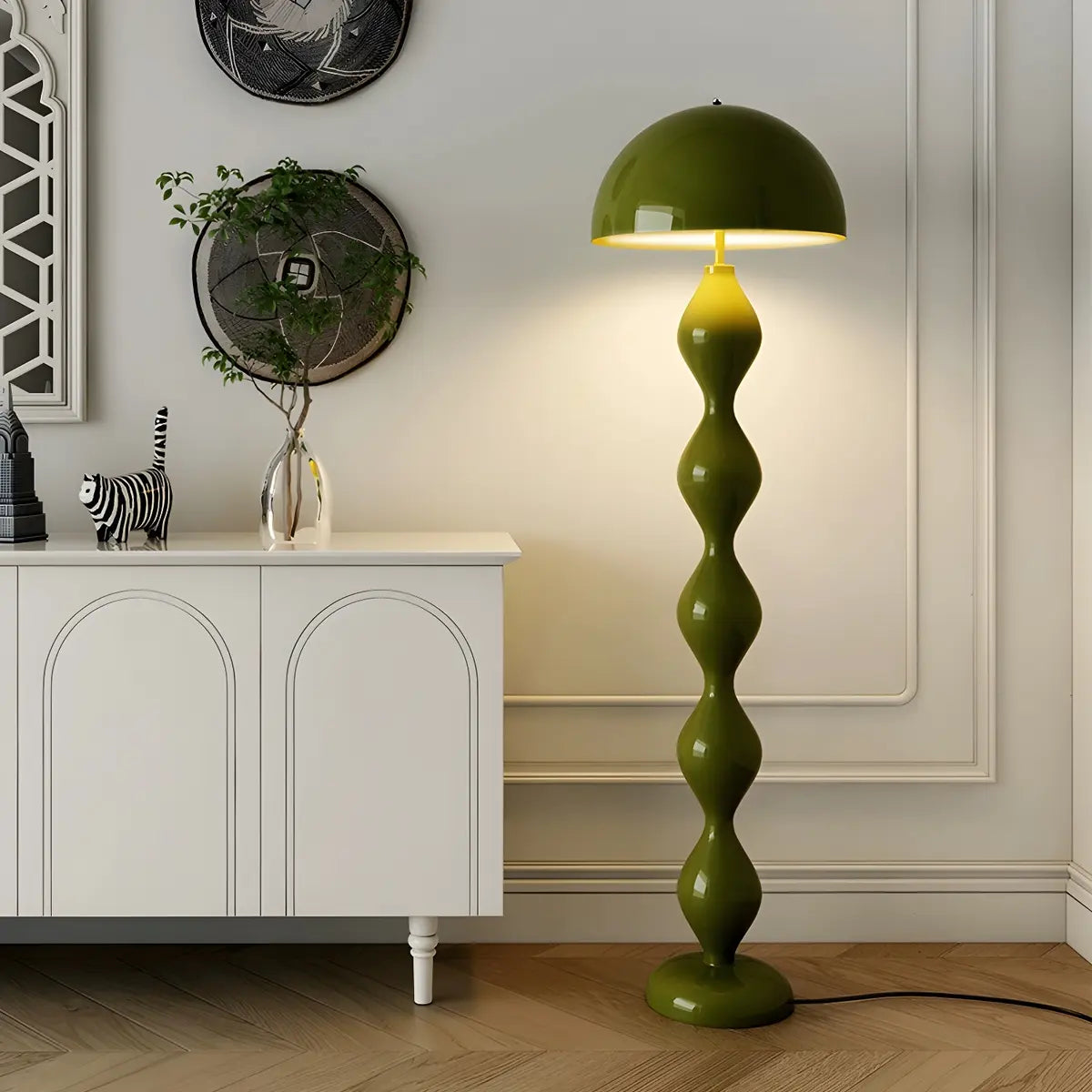
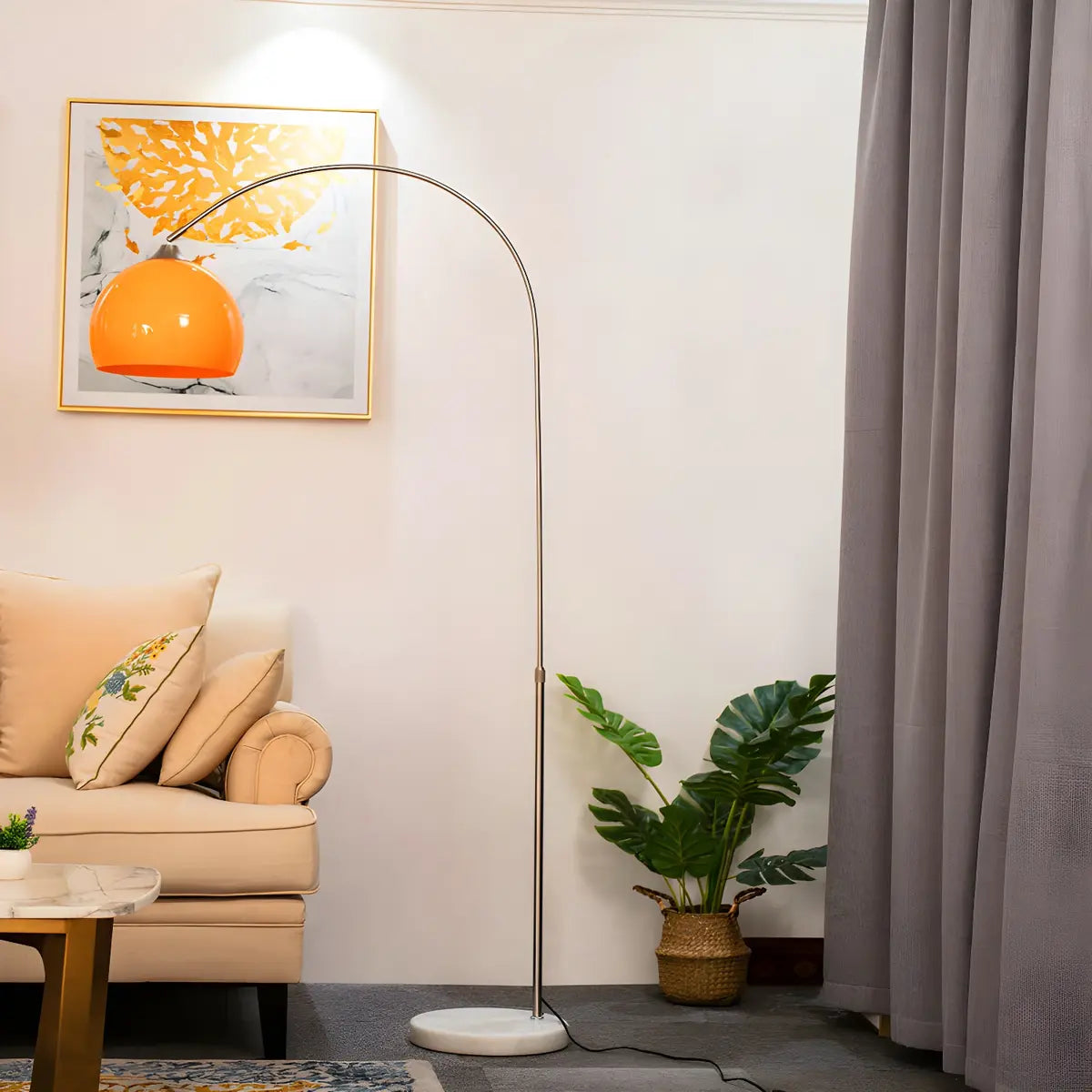
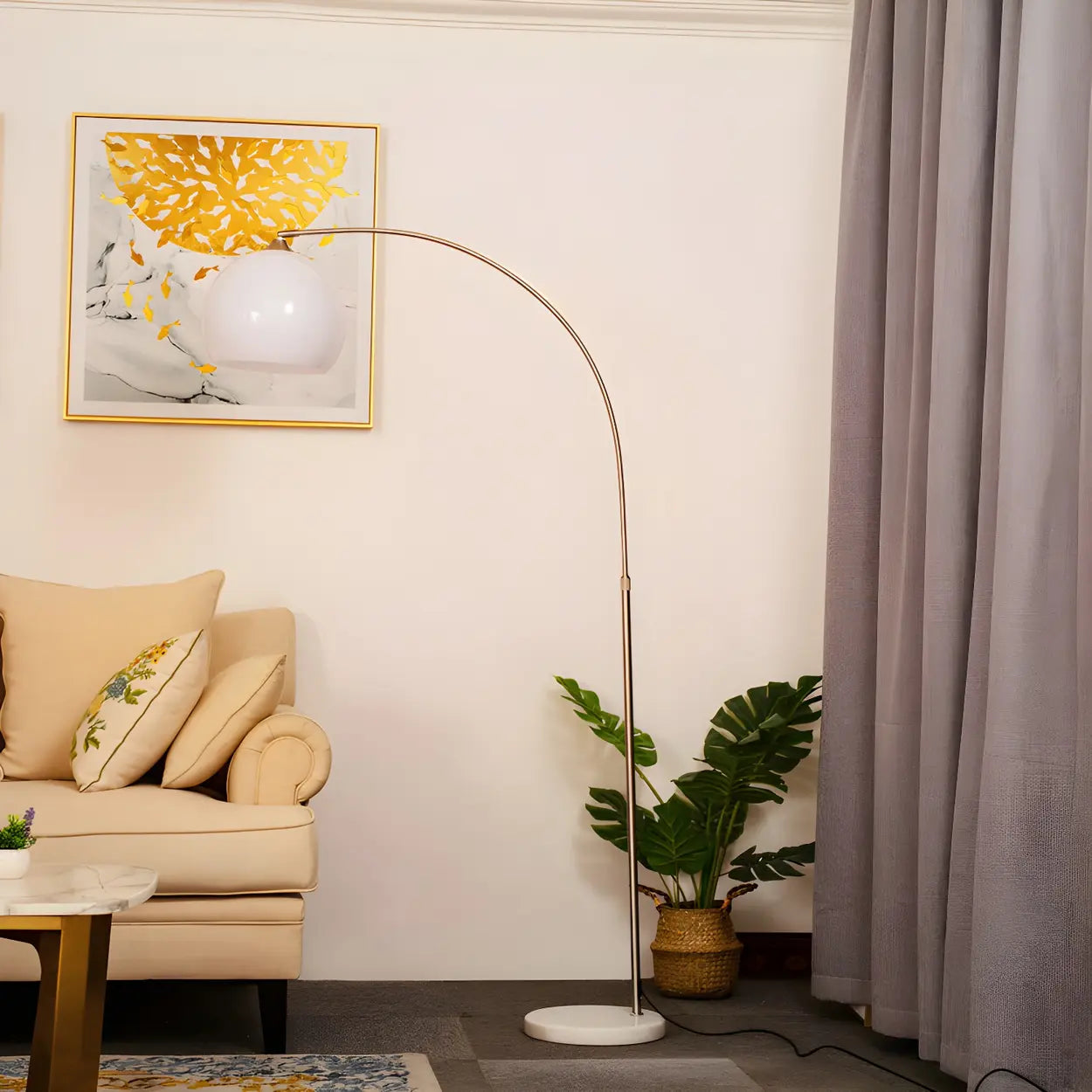
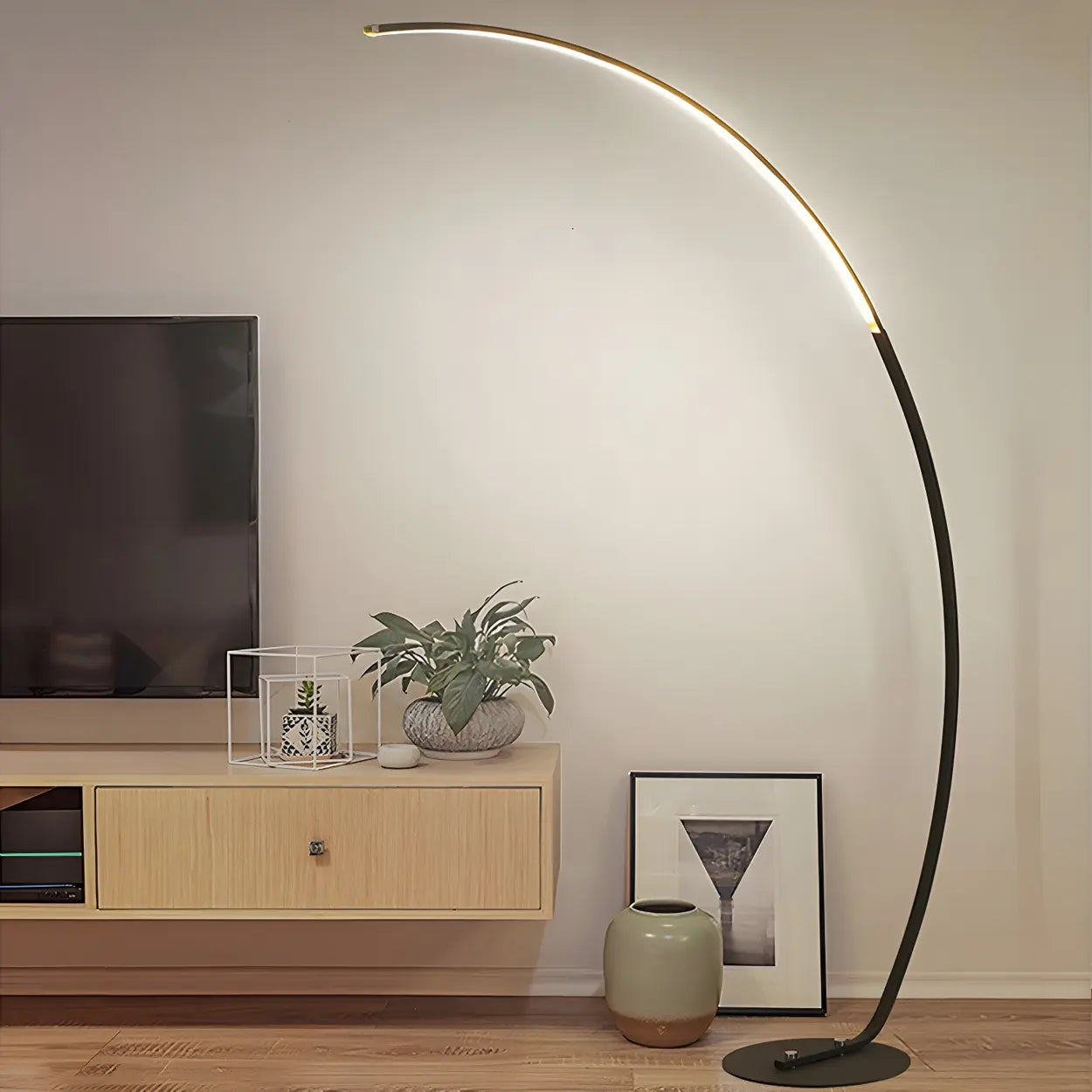
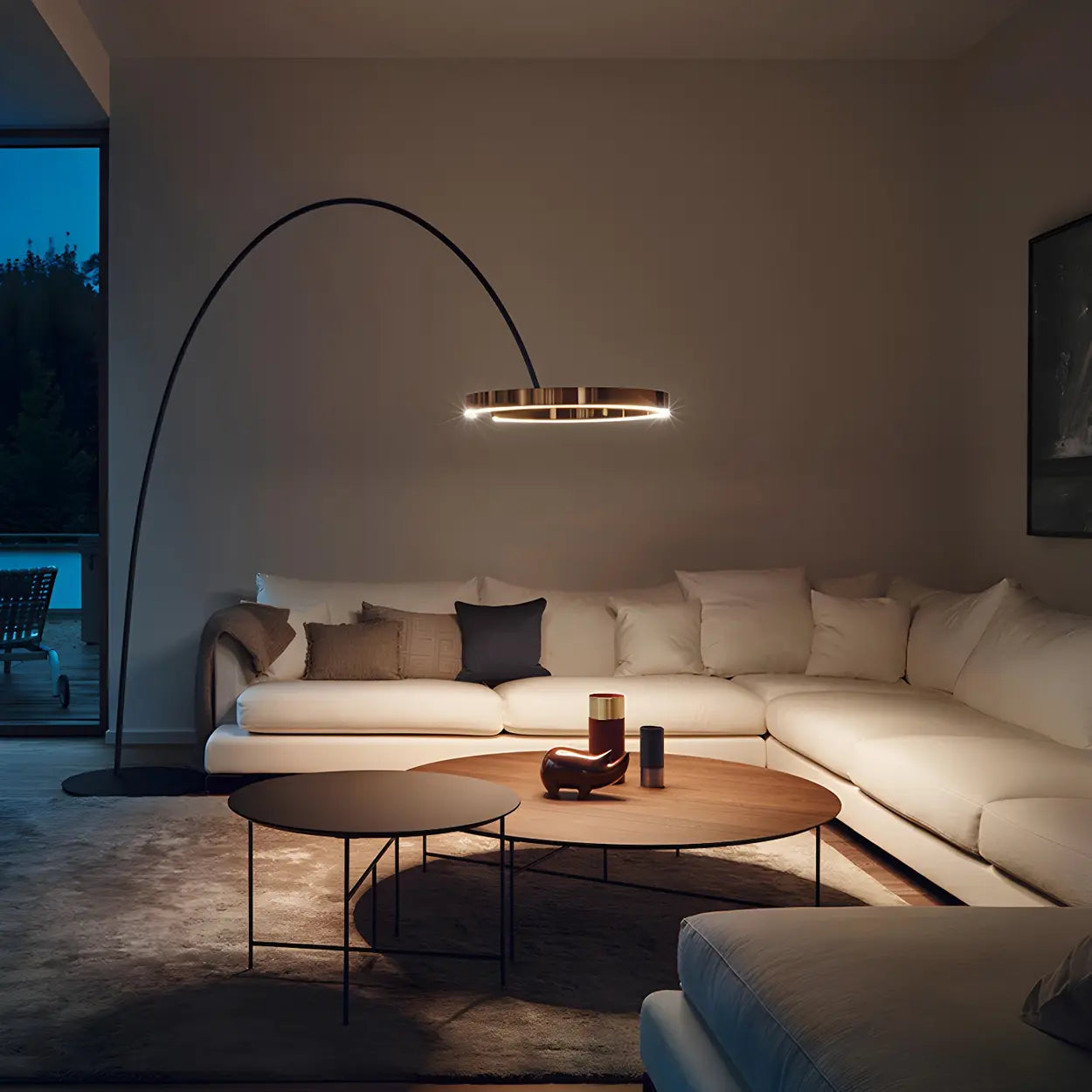
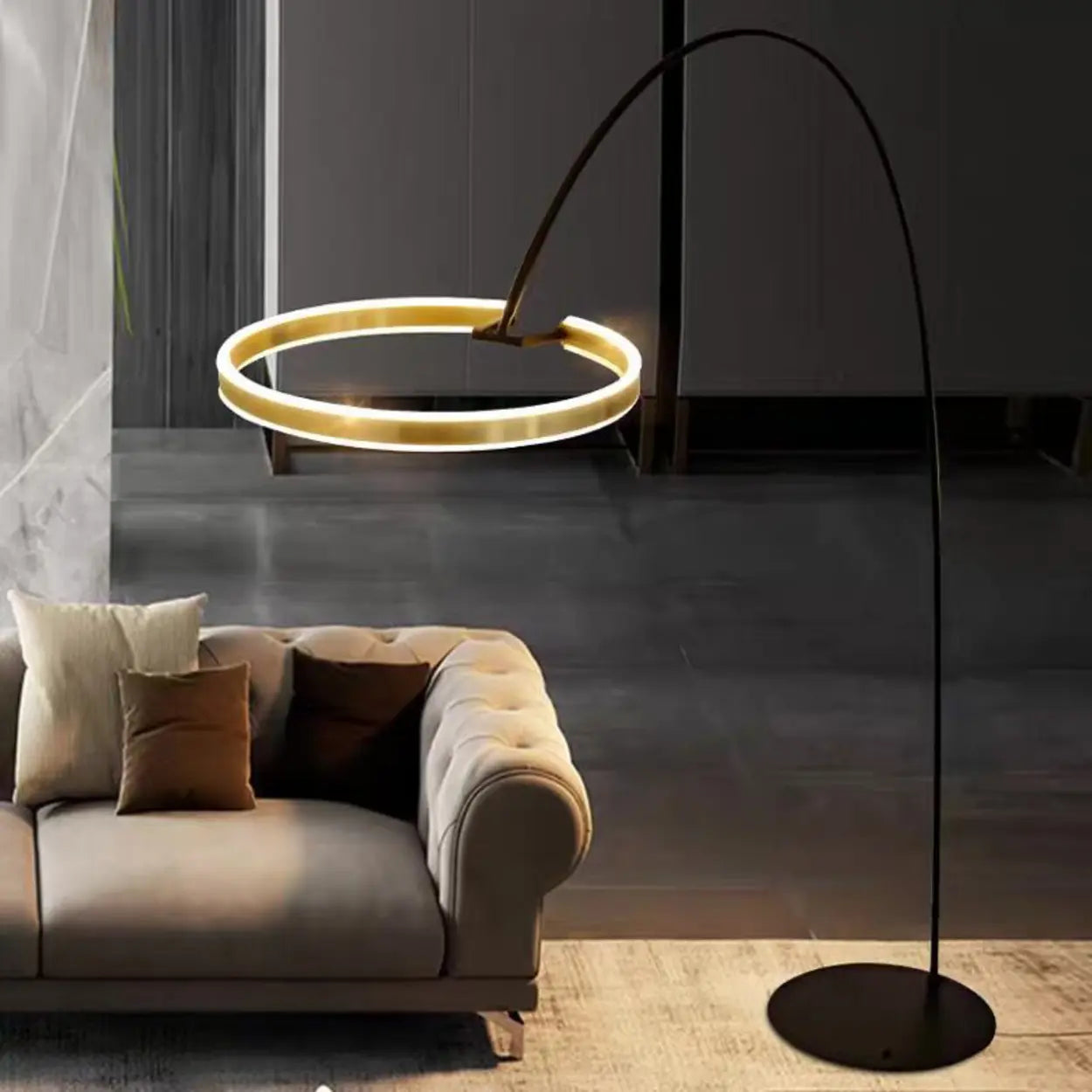
Floor lamps are one of the easiest ways to add ambient lighting. Arc floor lamps curve over seating areas and spread light from above without installation. Torchiere floor lamps point upward and bounce light off the ceiling for even coverage. Meanwhile, multi-head options let you direct light in different directions. The best part is they're movable and affordable, so you can reposition them when you rearrange furniture.
Wall Sconces For Soft, Indirect Lighting
Wall sconces wash your walls with light rather than pointing it directly into the room. Upward-facing sconces bounce light off the ceiling for a gentle effect, while downward-facing ones create a cozy glow along the walls. Place them in hallways, bedrooms, or living rooms where you want ambient light without overhead fixtures. Beyond providing illumination, they also serve as decorative elements.


Table Lamps Paired Strategically
Multiple table lamps create pockets of ambient light that blend together. Put one on each nightstand in your bedroom or position a pair on side tables in your living room. The key is choosing lamps with similar brightness levels and warm-toned bulbs. You can match the styles for a coordinated look. This approach gives you flexible control over your room's brightness.
LED Strip Lights For Hidden Ambient Glow
LED strip lights create ambient lighting by hiding the source and bouncing light off surfaces. Install them under kitchen cabinets, behind your TV, or along the top of bookshelves. Some people run them in cove ceilings for architectural lighting. For living spaces, choose warm white LED strips (2700K-3000K) to maintain a cozy feel. Most come with adhesive backing for easy installation.


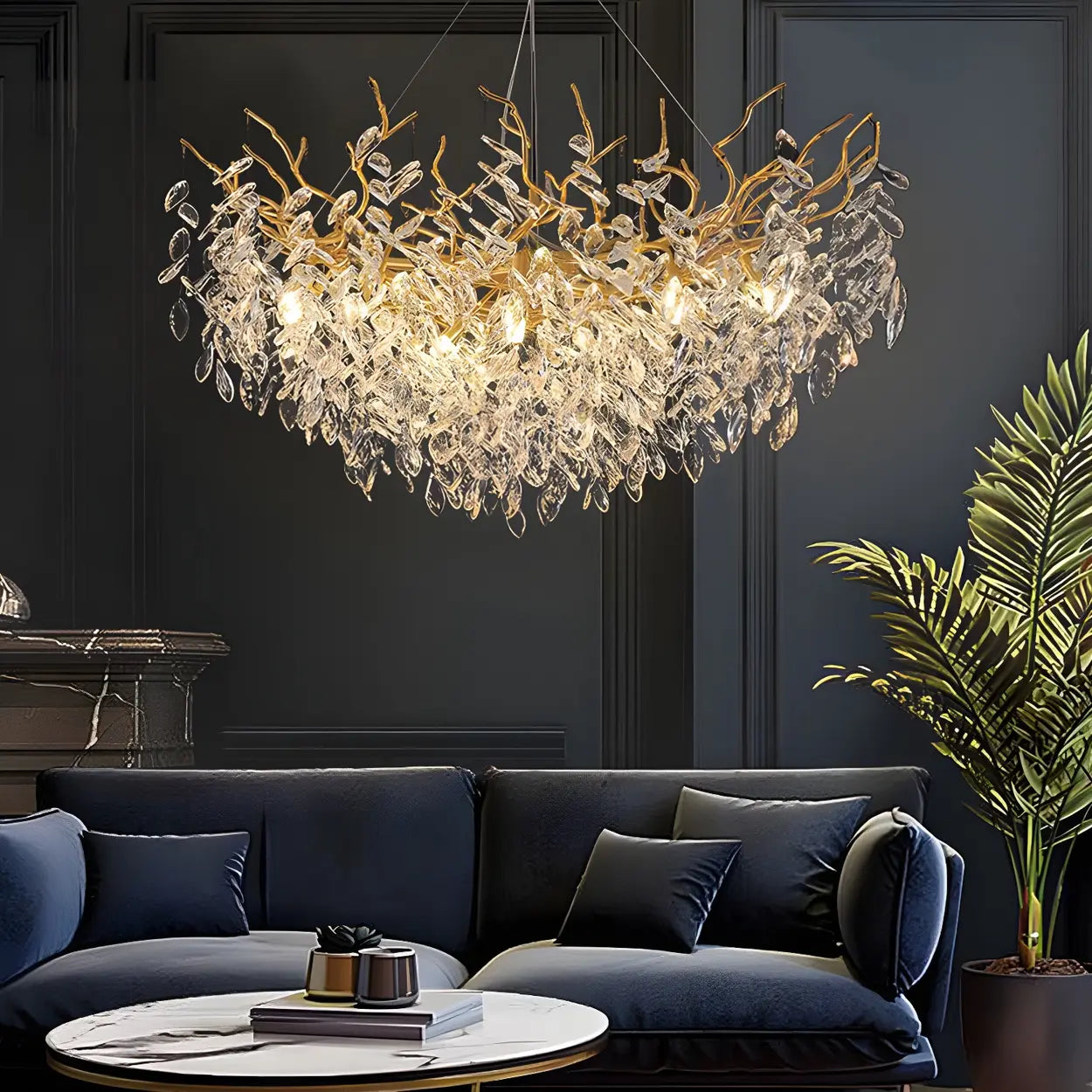
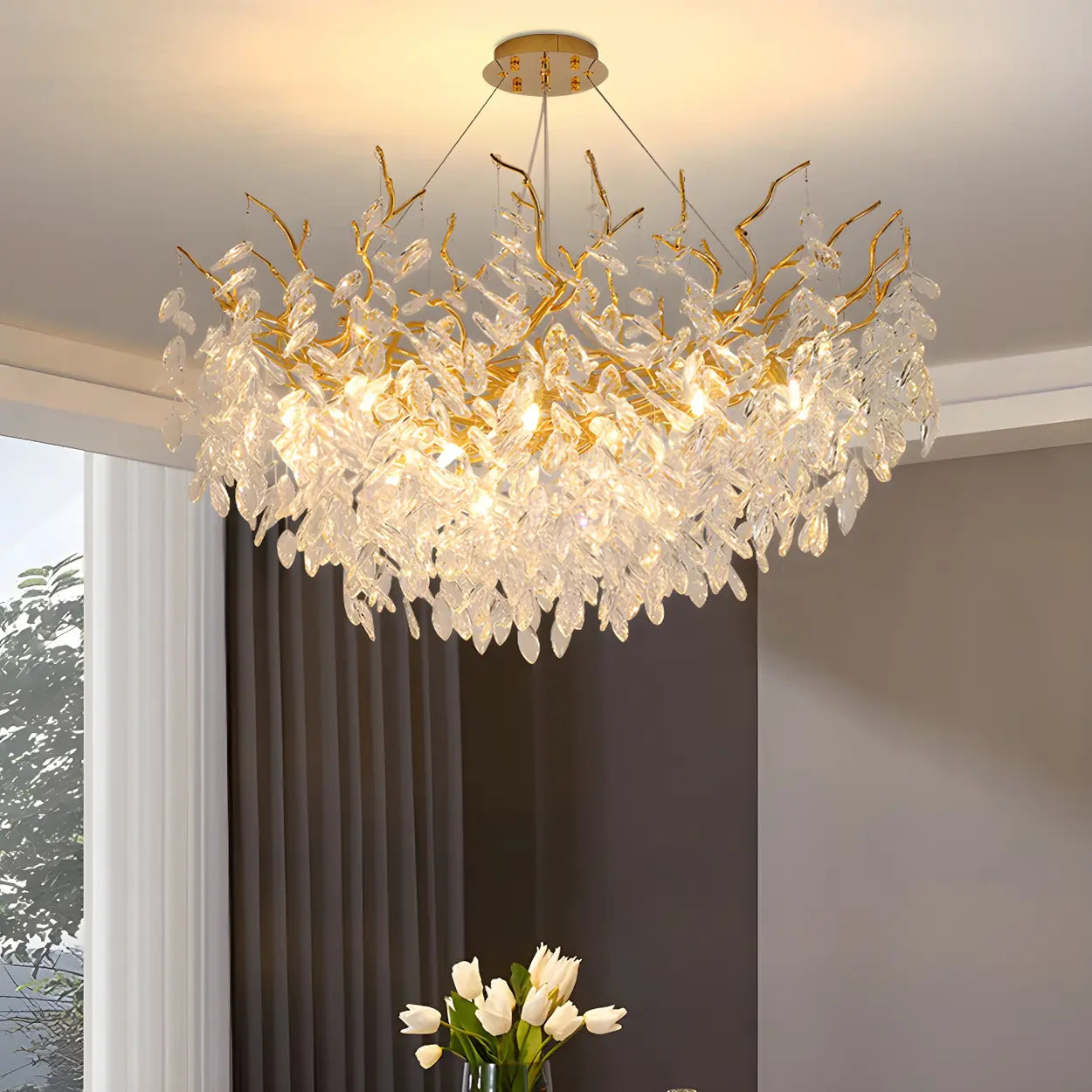
Pendant Lights With Diffused Shades
Pendants with fabric shades, frosted glass, or paper lantern designs diffuse light in all directions. Hang them in bedrooms, reading nooks, or entryways where you want soft general lighting. The shade material determines how light spreads. Unlike clear glass versions that focus light downward, frosted or fabric-covered pendants create gentle ambient glow throughout the space.
String Lights For Cozy Ambient Atmosphere
Indoor string lights create soft ambient lighting in bedrooms, living rooms, or home offices. Drape them along a bookshelf, weave them through a headboard, or hang them across a wall. Warm white bulbs work best, creating a relaxing glow similar to candlelight. They work particularly well as secondary ambient lighting in the evening when full brightness feels too harsh.


Recessed Lighting On Dimmer Switches
Recessed lighting becomes versatile ambient light with dimmer switches. Lower the brightness to create soft background lighting instead of bright overhead light. Space recessed lights evenly across your ceiling for uniform coverage. When you combine them with other sources like floor lamps, you can adjust each layer independently. This lets you create the right atmosphere for different activities.
Salt Lamps And Decorative Glowing Objects
Himalayan salt lamps and decorative light objects add ambient lighting through their warm glow. Place them on nightstands, office desks, or living room shelves for small pools of soft light. Light-up globes and illuminated sculptures serve similar purposes. These work best as part of a layered lighting scheme where they add character and warmth rather than primary illumination.

Conclusion
Good ambient lighting makes your home more comfortable. Start with floor lamps that you can move and adjust as needed, then layer in wall sconces, table lamps, or LED strips to build up the light gradually. At Homebaa, we offer a wide range of floor lamps in different styles, from modern arc designs to classic torchieres. Our lighting solutions combine quality construction with affordable prices, making it easy to create the ambient atmosphere you want.
FAQ
What's the difference between ambient and mood lighting?
What's the difference between ambient and mood lighting?
Ambient lighting provides overall, even light for everyday use. Mood lighting is softer and more decorative, focused on creating atmosphere rather than clear visibility.
How bright should ambient lighting be?
How bright should ambient lighting be?
Most living spaces need about 1,500–3,000 lumens total, depending on room size. For example, a 150 sq ft bedroom needs around 1,500 lumens, while a 300 sq ft living room needs closer to 3,000. Dimmer switches help fine-tune brightness.
Can I use floor lamps as my main ambient light?
Can I use floor lamps as my main ambient light?
Yes. Floor lamps—especially arc and torchiere styles—can serve as primary ambient lighting. In medium-sized rooms, one or two lamps with 800–1,200 lumens each are usually sufficient.
Do I need ambient lighting in every room?
Do I need ambient lighting in every room?
Yes. Every room needs ambient lighting, though the level varies. Bedrooms and living rooms benefit from softer, adjustable light, while kitchens and bathrooms need brighter ambient lighting paired with task lighting.
What color temperature is best for ambient lighting?
What color temperature is best for ambient lighting?
Warm white bulbs between 2700K and 3000K are ideal. They create a cozy, relaxing feel similar to traditional incandescent light. Cooler temperatures are better suited for workspaces.
How many light sources should one room have?
How many light sources should one room have?
Most rooms work best with 2–4 ambient light sources. For example, a living room may combine a floor lamp, table lamps, and wall sconces to allow flexible lighting throughout the day.