











![10 Best Floor Lamp for Reading [2026 Review]](http://www.homebaa.com/cdn/shop/articles/banner_c990b0a4-4743-4902-b6be-5609f7a21a90.webp?v=1766393057&width=400)



![How to Choose the Coffee Table Height? [2026 Newest Guide]](http://www.homebaa.com/cdn/shop/articles/coffee-table-height_2a1fd127-359f-4d5f-9ac1-3b232c7092a9.webp?v=1788166652&width=400)


Pendant lights are a popular choice for home decor, but they don't work in every space. If you have low ceilings, no existing junction box, or simply want to keep your sightlines clear, hanging a fixture might be impractical. Fortunately, there are many pendant light alternatives that solve these challenges while keeping your room well-lit and stylish.
Table of Contents

Flush Mount Lights
When to choose: Low ceilings (under 8 feet) or rooms where you need maximum headroom.
Flush mount lights sit directly against the ceiling, making them a safe choice for rooms with low clearance. Unlike pendants that hang down, these fixtures keep the space open and prevent people from bumping their heads. They provide wide, even illumination across the room. This makes them practical for hallways, bedrooms, or basements where ceiling height is limited. Additionally, they help small rooms feel more open by maximizing vertical space.
Semi-Flush Mount Lights
When to choose: Standard 8-foot ceilings where you want some decorative appeal without losing headroom.
If your ceiling is too low for a pendant but you still want a decorative touch, semi-flush mounts work well. These fixtures hang slightly below the ceiling, usually 4 to 8 inches. This gap allows light to reflect off the ceiling surface for a brighter, softer effect. They work well in entryways or dining areas with standard ceiling heights. As a result, you get visual interest without obstructing the view across the room.


Recessed Lighting
When to choose: Modern spaces where you want a clean, minimal look with no visible fixtures.
Recessed lighting, often called can lights, installs completely inside the ceiling. This creates a streamlined look with no protruding parts. These lights work well in modern kitchens or bathrooms where you want bright light without visual clutter. While they lack the decorative element of pendants, they make small rooms feel larger and more open. They're most useful for providing general lighting across a large area.
Linear Island Lights
When to choose: Kitchen islands or long dining tables where multiple pendant lights would be impractical.
Instead of wiring three separate pendants over a kitchen island, a linear island light uses a single long fixture. This approach requires only one junction box, which simplifies installation and reduces potential damage to your ceiling. It provides uniform light across the entire counter surface. Moreover, it creates a sleek focal point that aligns with modern design trends without the visual clutter of multiple hanging lights.


Chandeliers
When to choose: Large rooms with high ceilings where a single pendant would look too small or provide insufficient light.
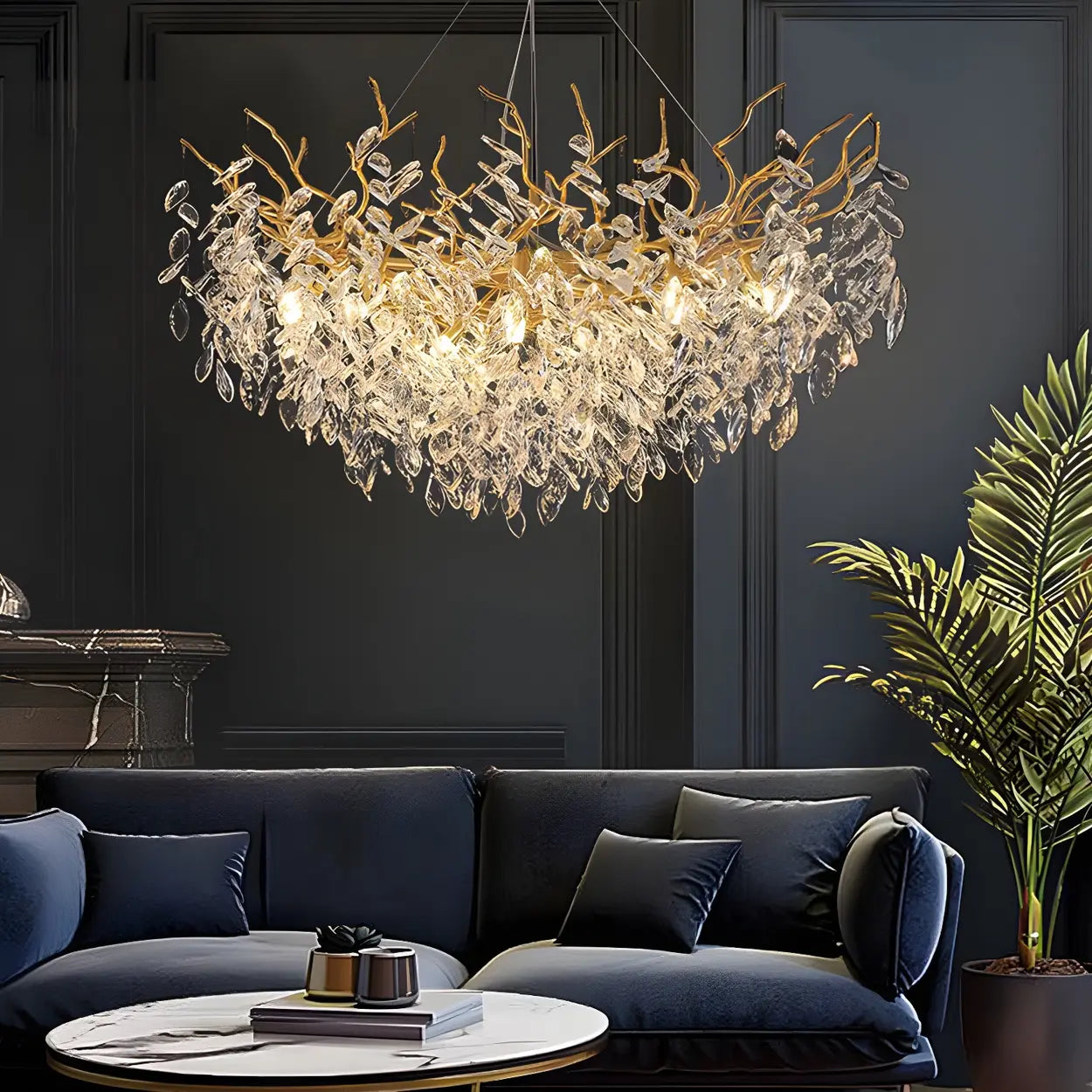
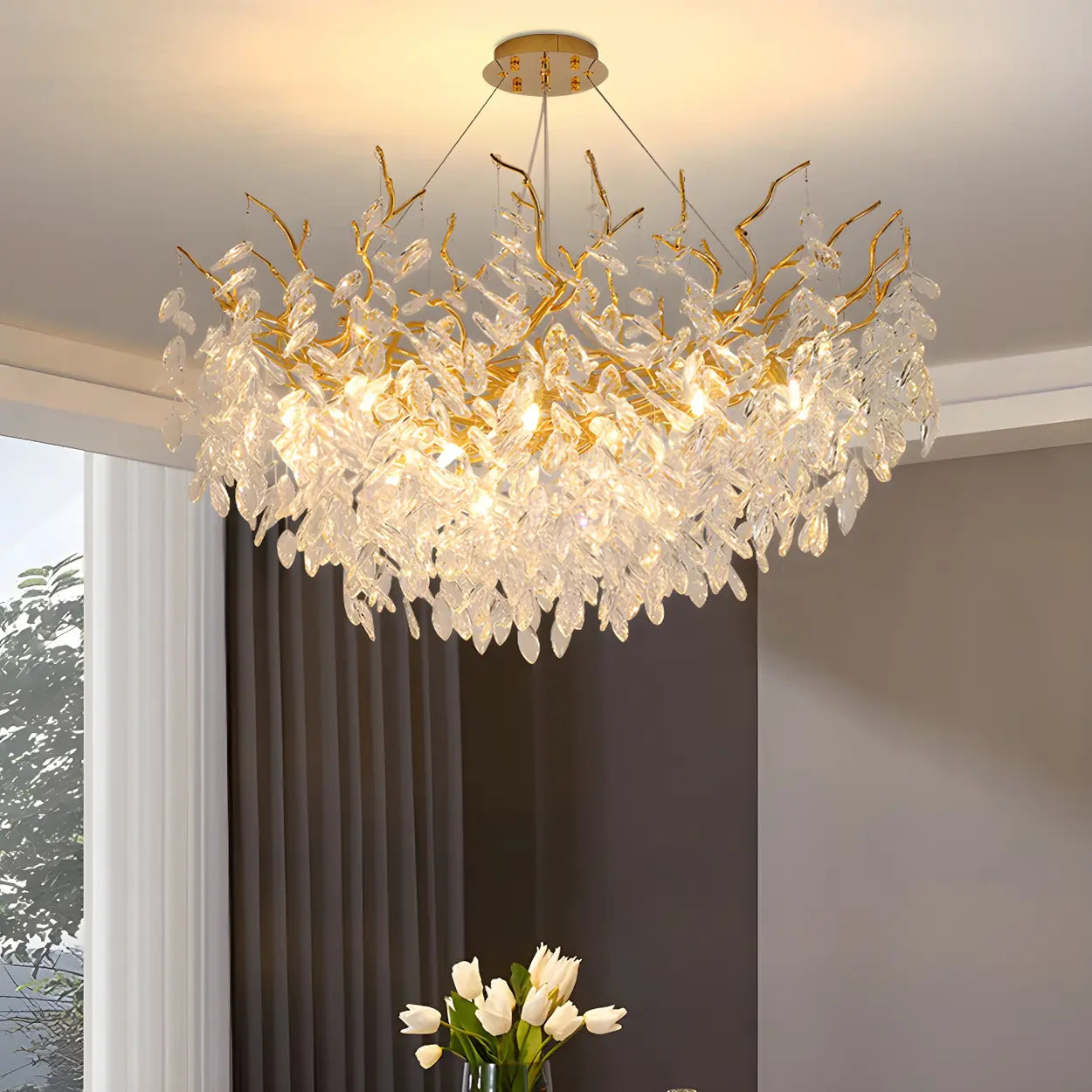
When a single pendant feels too small for a large room, a chandelier offers a more substantial option. These multi-bulb fixtures act as a central focal point, delivering more brightness and visual weight to the space. They suit formal dining rooms or foyers where you have the vertical space to accommodate them. A chandelier fills the room both visually and functionally better than a simple hanging light.
Fandeliers
When to choose: Bedrooms or living rooms in warm climates where you need both lighting and air circulation.
Fandeliers combine the cooling power of a ceiling fan with the look of a decorative light fixture. If you need air circulation in a room, a standard pendant light cannot help you. These units often feature retractable blades, looking like a stylish light when the fan is off and keeping the room comfortable when it's on. This dual-purpose fixture is useful for homes in warmer climates where ceiling fans are needed year-round.


Track Lighting
When to choose: Kitchens with multiple work zones or rooms where you need adjustable, directional lighting.
Track lighting offers flexibility that fixed pendants cannot match. It allows you to aim individual light heads where needed and adjust them anytime without moving the fixture. This is useful for kitchens with multiple work zones or for highlighting artwork on walls. Therefore, you get total control over where light falls in the room. It provides an industrial, functional look that suits creative spaces or modern interiors.
Wall Sconces
When to choose: Narrow rooms, bedside lighting, or bathrooms where overhead fixtures cast unwanted shadows.
Wall sconces move the light source from the ceiling to the walls, freeing up overhead space completely. They work well as alternatives to bedside pendants, saving room on your nightstand while providing focused reading light. This option adds layers to your lighting design. Furthermore, wall sconces are useful in narrow corridors or bathroom vanities where ceiling lights might cast shadows on your face.


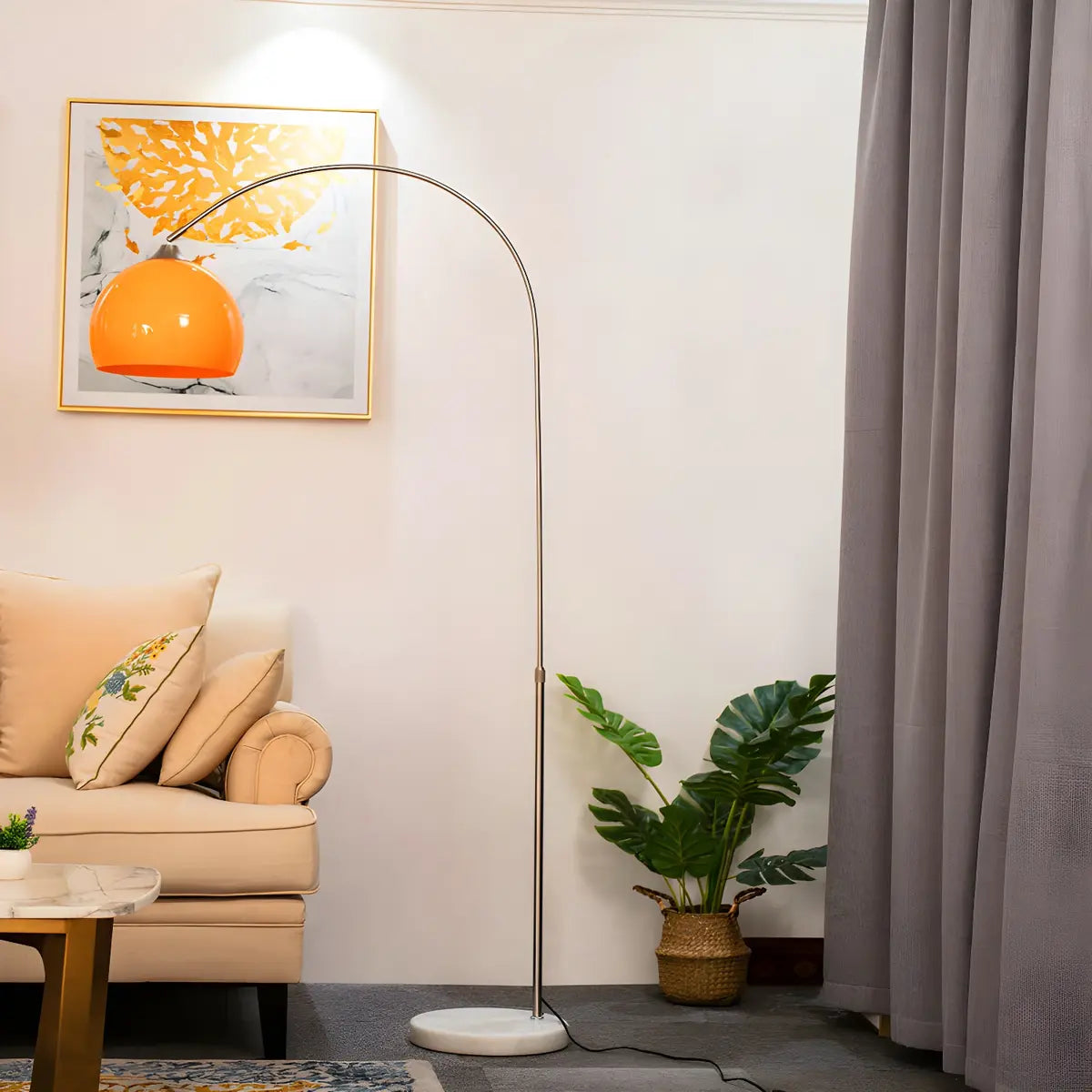
Arc Floor Lamps
When to choose: Rental homes or rooms without ceiling junction boxes over dining areas or seating zones.
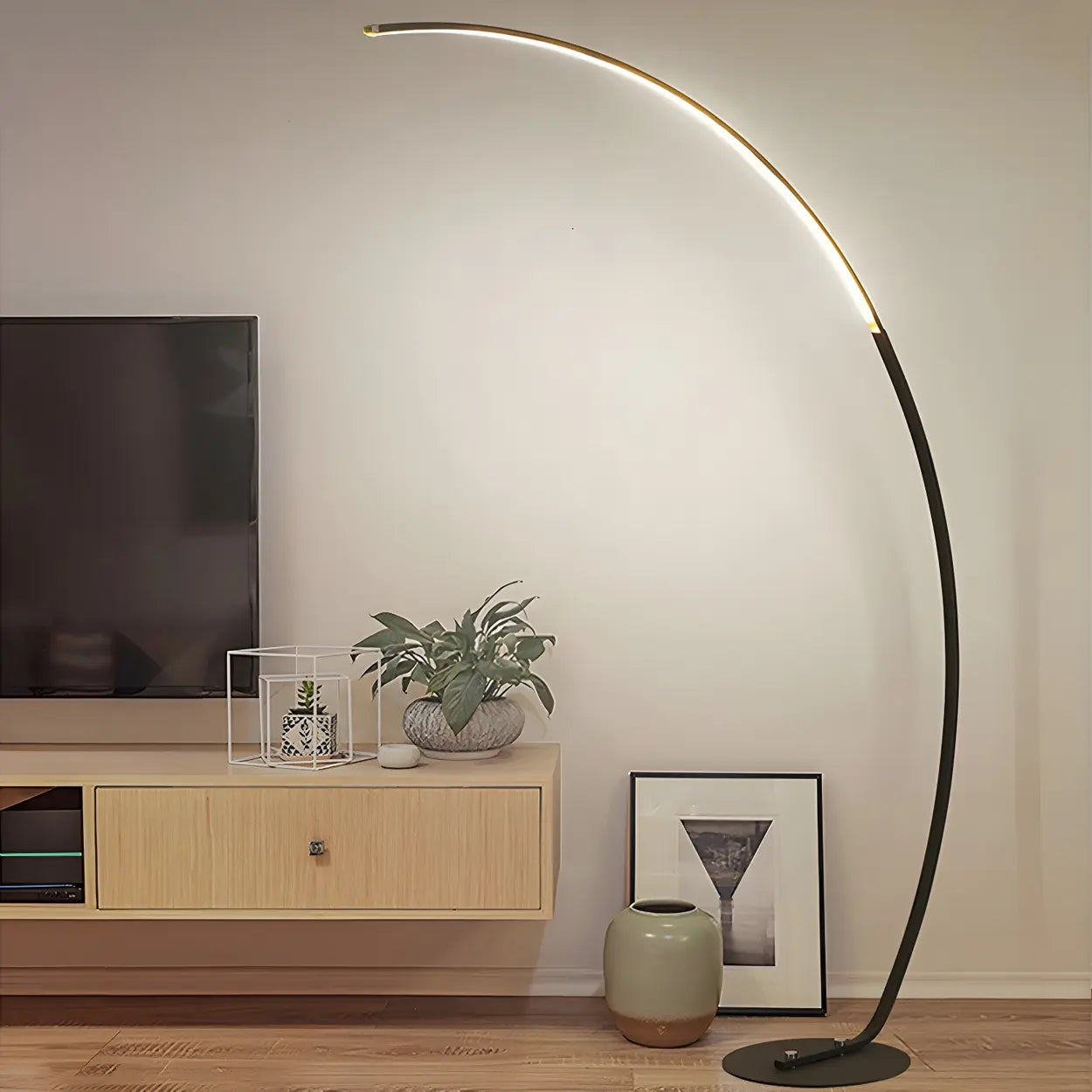
An arc floor lamp features a long, curved arm that positions the bulb directly over a table or sofa. This is a practical solution for renters or homeowners who lack a ceiling junction box over their dining area. You get the overhead lighting effect of a pendant without hiring an electrician or cutting into drywall. It's also easy to move and reposition whenever you rearrange your furniture.
Table Lamps
When to choose: Desks, side tables, or reading nooks where you need focused task lighting without installation.
For focused task lighting, a simple table lamp is often more practical than a hardwired hanging fixture. You can place them on desks, side tables, or consoles to provide brightness exactly where you sit or read. They require zero installation and are easy to swap out if you decide to change your decor style later. This is the most accessible way to add light to a dark corner without any electrical work.

Conclusion
Choosing the right fixture depends on your room's height, wiring situation, and specific lighting needs. For a wide selection of stylish options, Homebaa offers affordable, high-quality fixtures that fit various budgets and styles. Whether you need a low-profile flush mount or a functional fandelier, exploring the Homebaa catalog will help you find the right match for your home.
FAQ
What is the best lighting for low ceilings?
What is the best lighting for low ceilings?
Flush mount and recessed lighting are the best choices for low ceilings. They stay close to or inside the ceiling, maximizing headroom and preventing the space from feeling cramped.
How can I light a kitchen island without pendant lights?
How can I light a kitchen island without pendant lights?
You can use a linear island light for a clean, modern look with a single installation point. Track lighting is another good option if you want adjustable light aimed at specific prep or cutting areas.
Can I use a floor lamp for dining table lighting?
Can I use a floor lamp for dining table lighting?
Yes. Arc floor lamps are designed for this purpose. Their curved arms allow the light to extend over the dining table, creating a pendant-like effect without ceiling wiring.
Is a chandelier better than pendant lights?
Is a chandelier better than pendant lights?
It depends on the space. Chandeliers work best in larger rooms where you want a bold focal point and more overall light. Pendant lights are better suited for smaller areas or focused task lighting.
How can I replace bedside pendant lights without wiring?
How can I replace bedside pendant lights without wiring?
Table lamps are the easiest no-install option. Plug-in wall sconces are another good alternative, as they only need wall mounting near an outlet and do not require hardwiring.


