






![10 Best Floor Lamp for Reading [2026 Review]](http://www.homebaa.com/cdn/shop/articles/banner_c990b0a4-4743-4902-b6be-5609f7a21a90.webp?v=1766393057&width=400)



![How to Choose the Coffee Table Height? [2026 Newest Guide]](http://www.homebaa.com/cdn/shop/articles/coffee-table-height_2a1fd127-359f-4d5f-9ac1-3b232c7092a9.webp?v=1788166652&width=400)


If you are researching living room lighting feng shui, you are probably trying to figure out how light affects the energy in your space and what changes are actually worth making. In feng shui, light is one of the main ways qi (life energy) moves through a room, and the living room is where that energy tends to gather the most. This guide covers the core rules, the best fixture types, placement tips, and color temperature choices.
Table of Contents
Feng Shui Rules for Living Room Lighting
Good feng shui lighting does not require expensive fixtures. It starts with a few practical principles that work in most homes.
Letting in as much natural light as possible
Natural light is the strongest source of qi in any space. Keep windows clean and avoid heavy drapes that block sunlight during the day. If your living room does not get much natural light, layering artificial lighting becomes more important.
Layering ambient, task, and accent lighting
Relying on a single light source creates uneven energy — a single ceiling light often leaves corners dark and creates uneven brightness across the room. Here is what each layer does:
| Lighting Type | Purpose | Example |
| Ambient | Overall brightness | Ceiling light, flush mount |
| Task | Focused activities | Reading lamp, table lamp |
| Accent | Highlights and depth | Wall sconce, LED strip |
Aim for at least one source at each level — ceiling, floor, and table height — so no part of the room is left in shadow.
Keeping brightness balanced, not too harsh, not too dim
A room that is too bright can feel unsettled, while a room that is too dim feels heavy and low-energy. Aim for a soft, even level of brightness that makes the space feel comfortable without being overwhelming.
Making sure every bulb works, no flickering or dead lights
In feng shui, flickering or burnt-out bulbs represent stagnant or broken energy. Replacing them promptly helps keep the energy in the room moving.
Best Lights for a Feng Shui Living Room
There is no single right fixture for a feng shui living room. What matters is how different light sources work together across different heights and functions.
| Fixture | Position | What It Does |
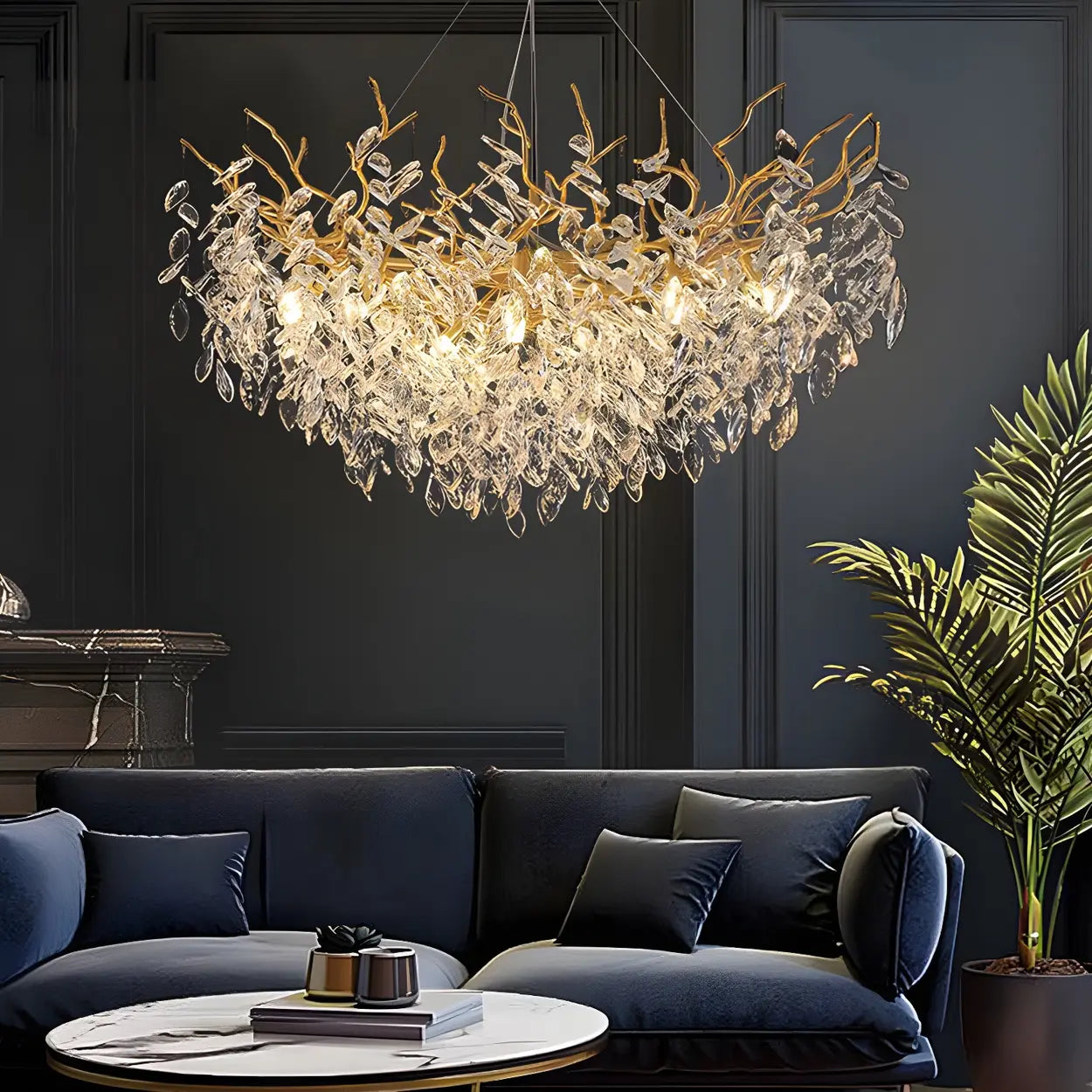
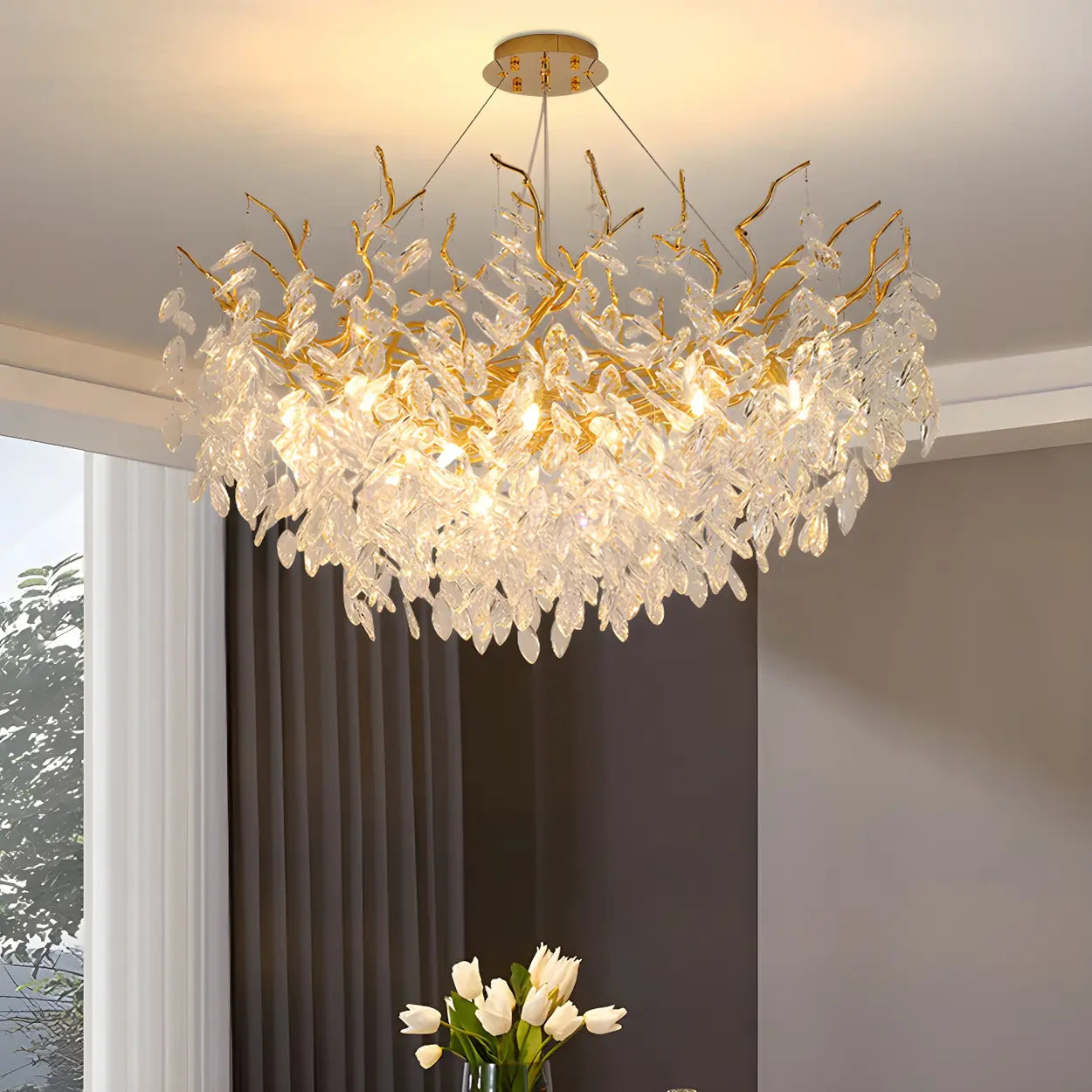
| Ceiling light / flush mount | Overhead | Main ambient layer; use a diffuser to soften output and avoid harsh downward beams |
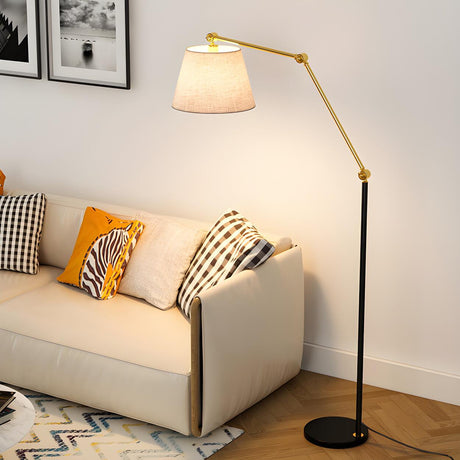
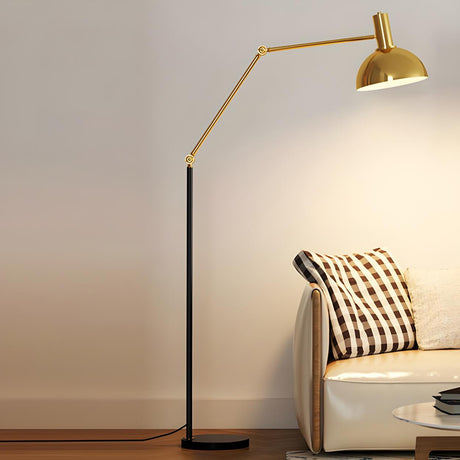
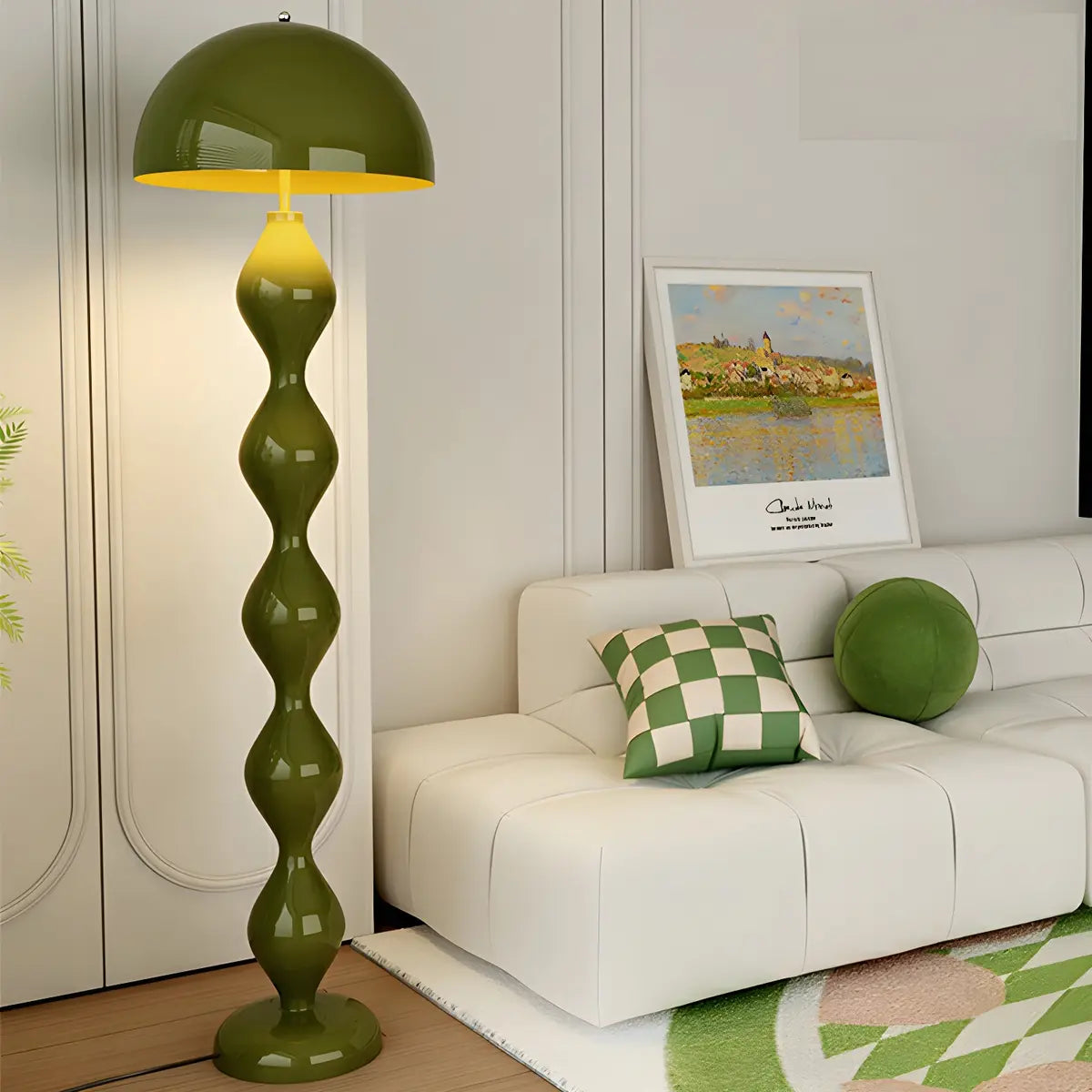
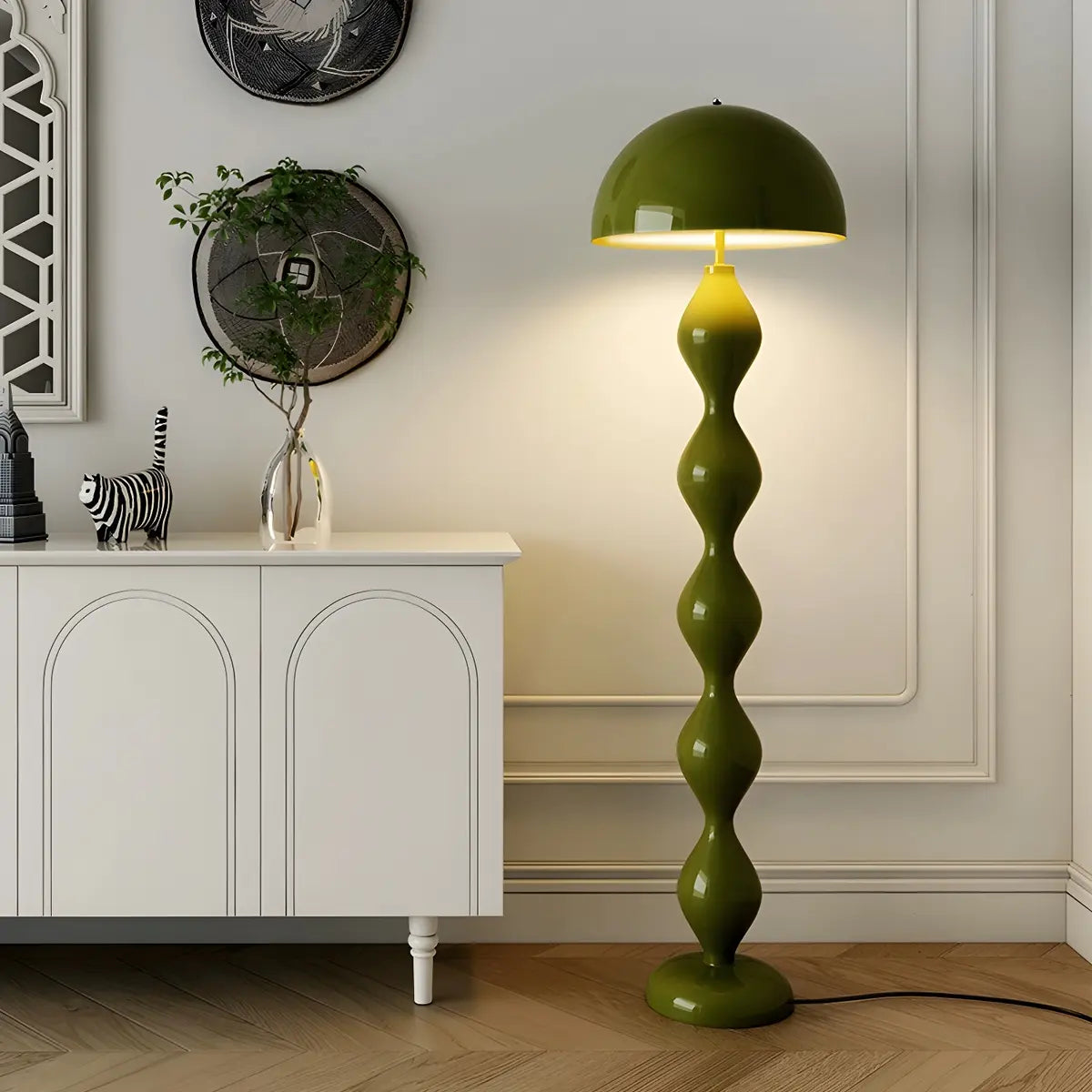
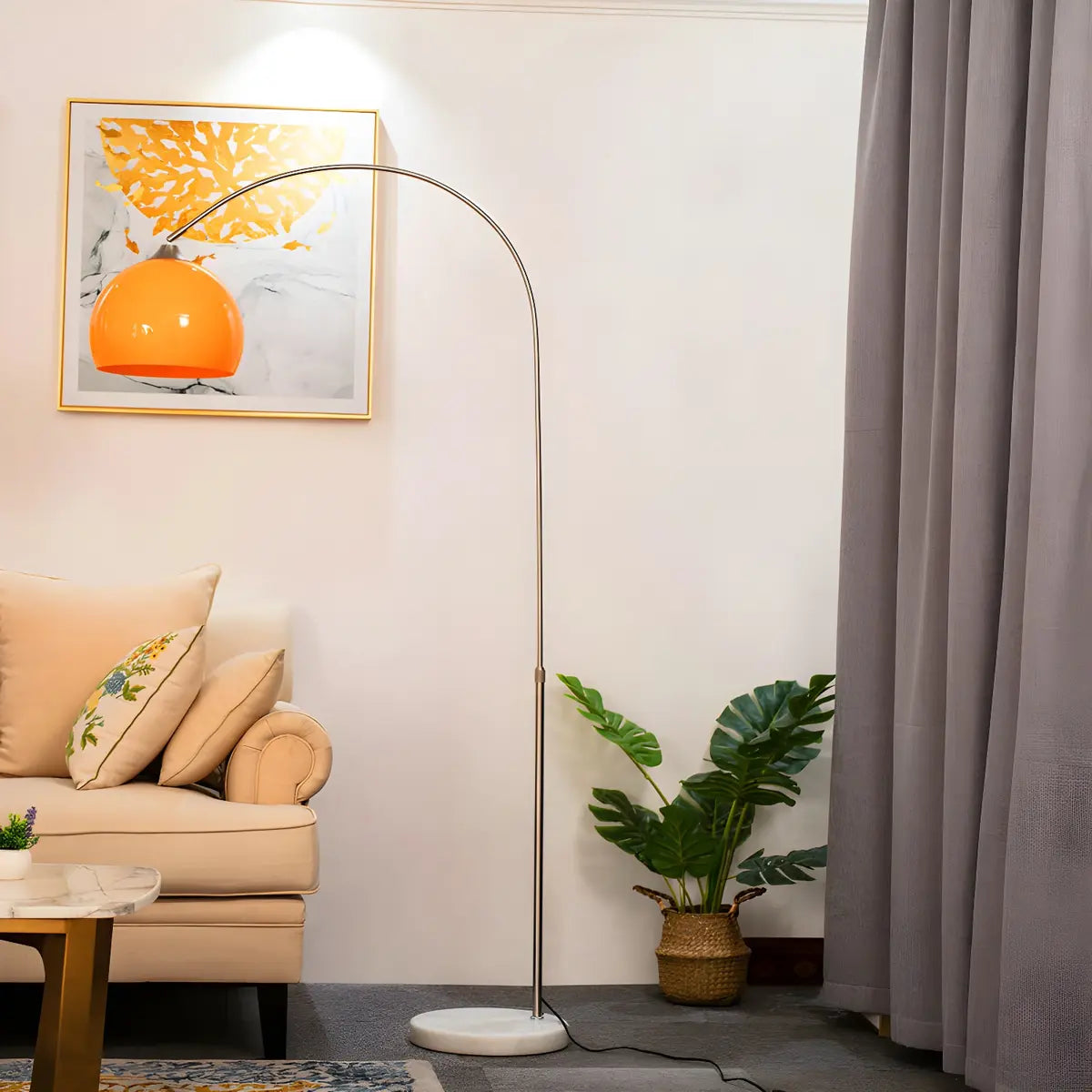
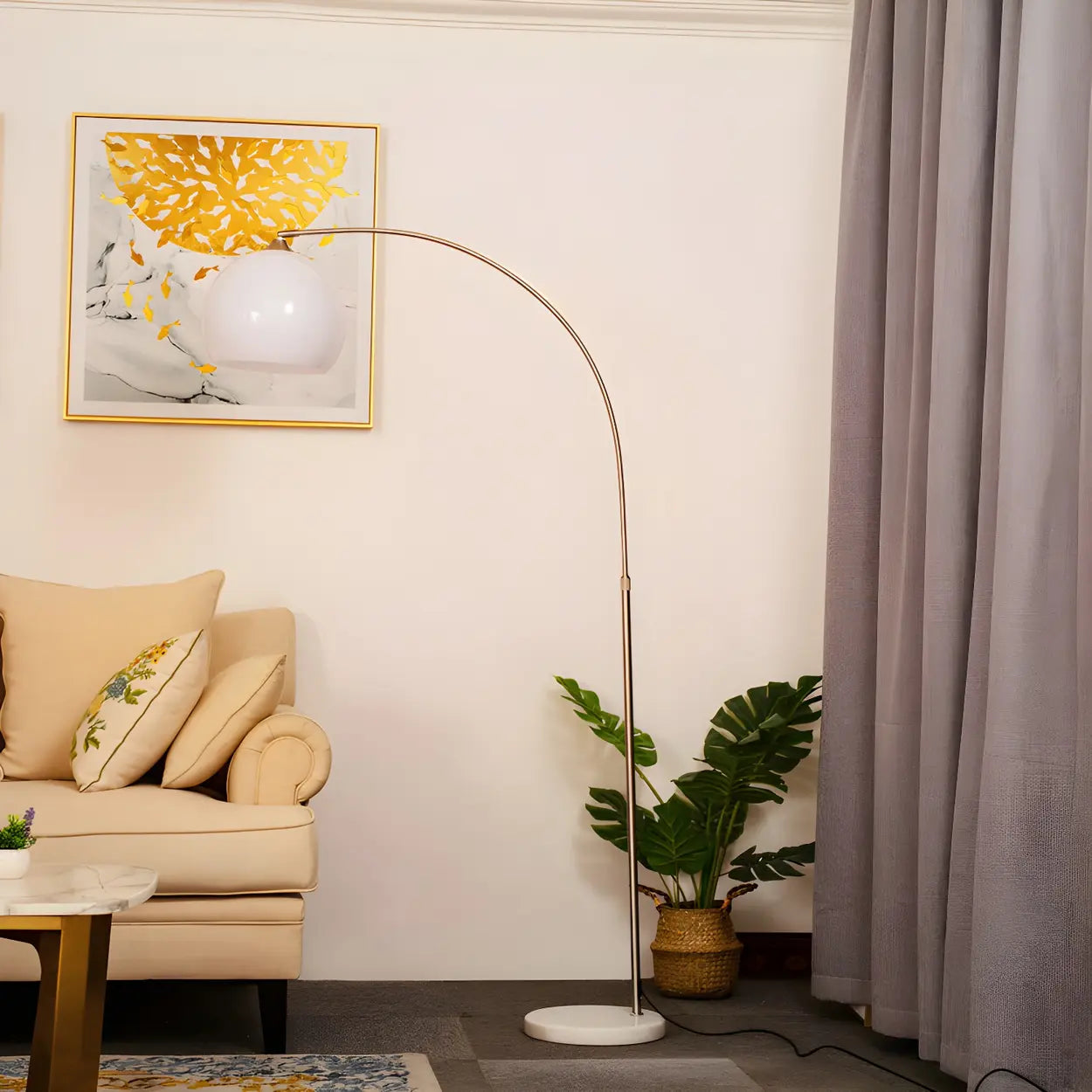
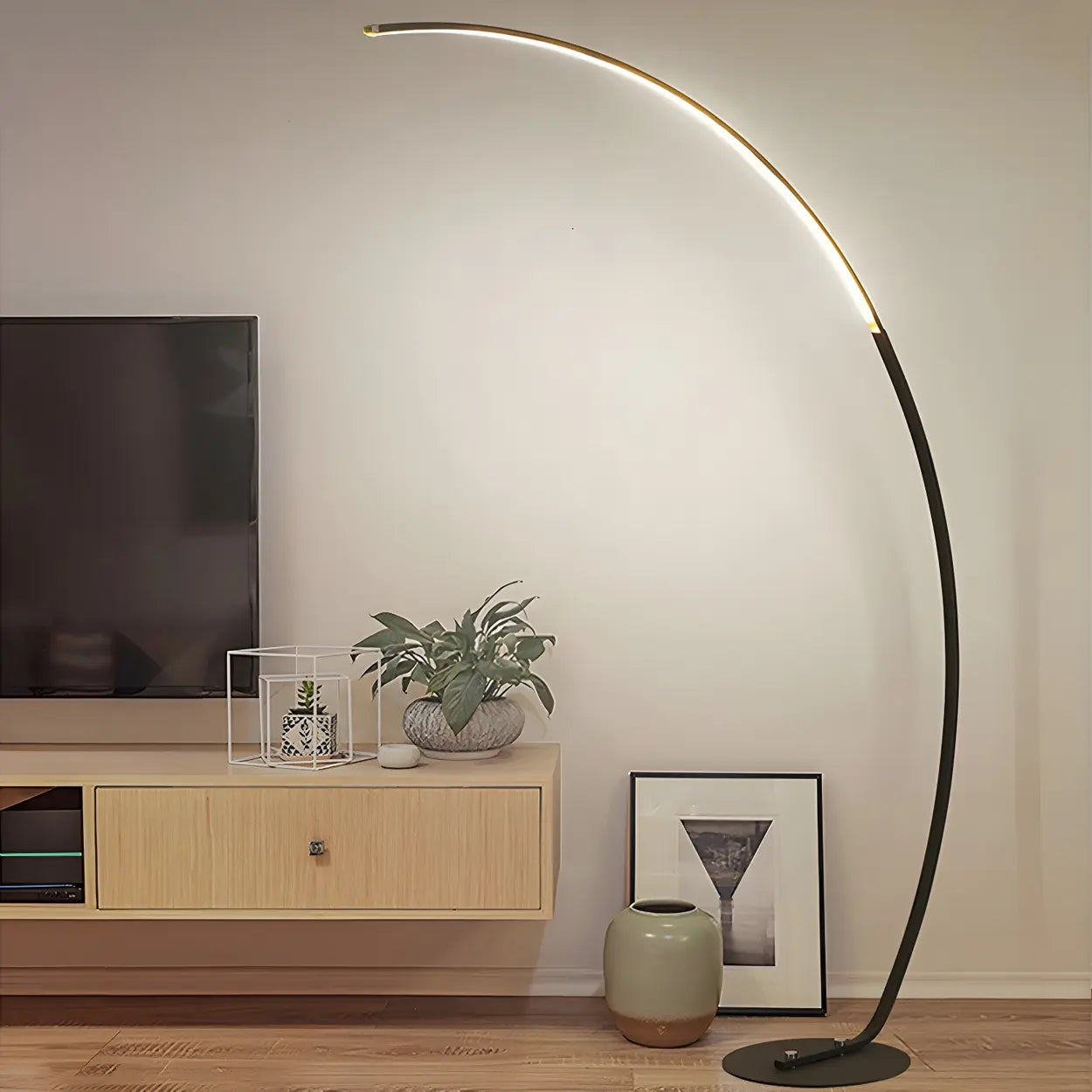
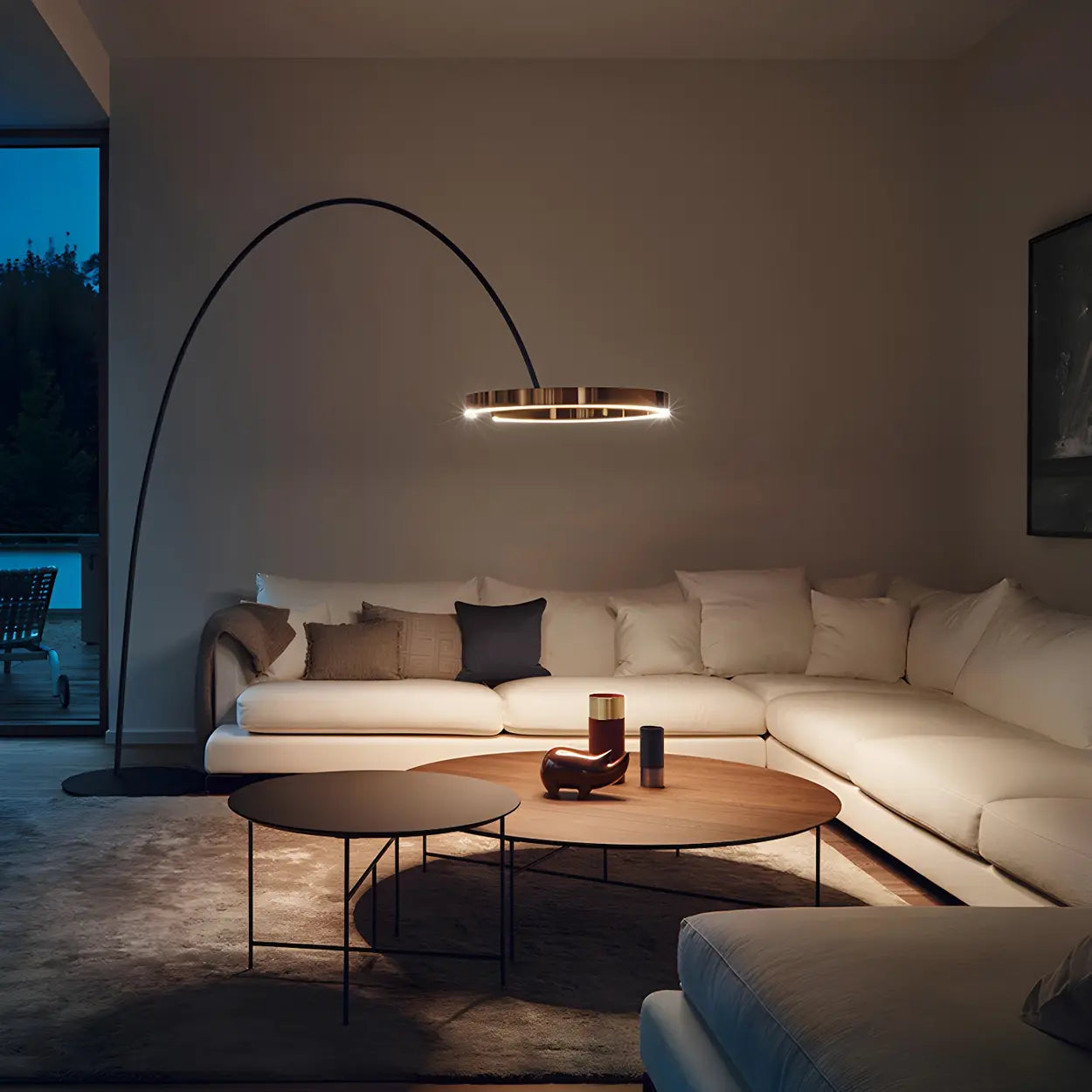
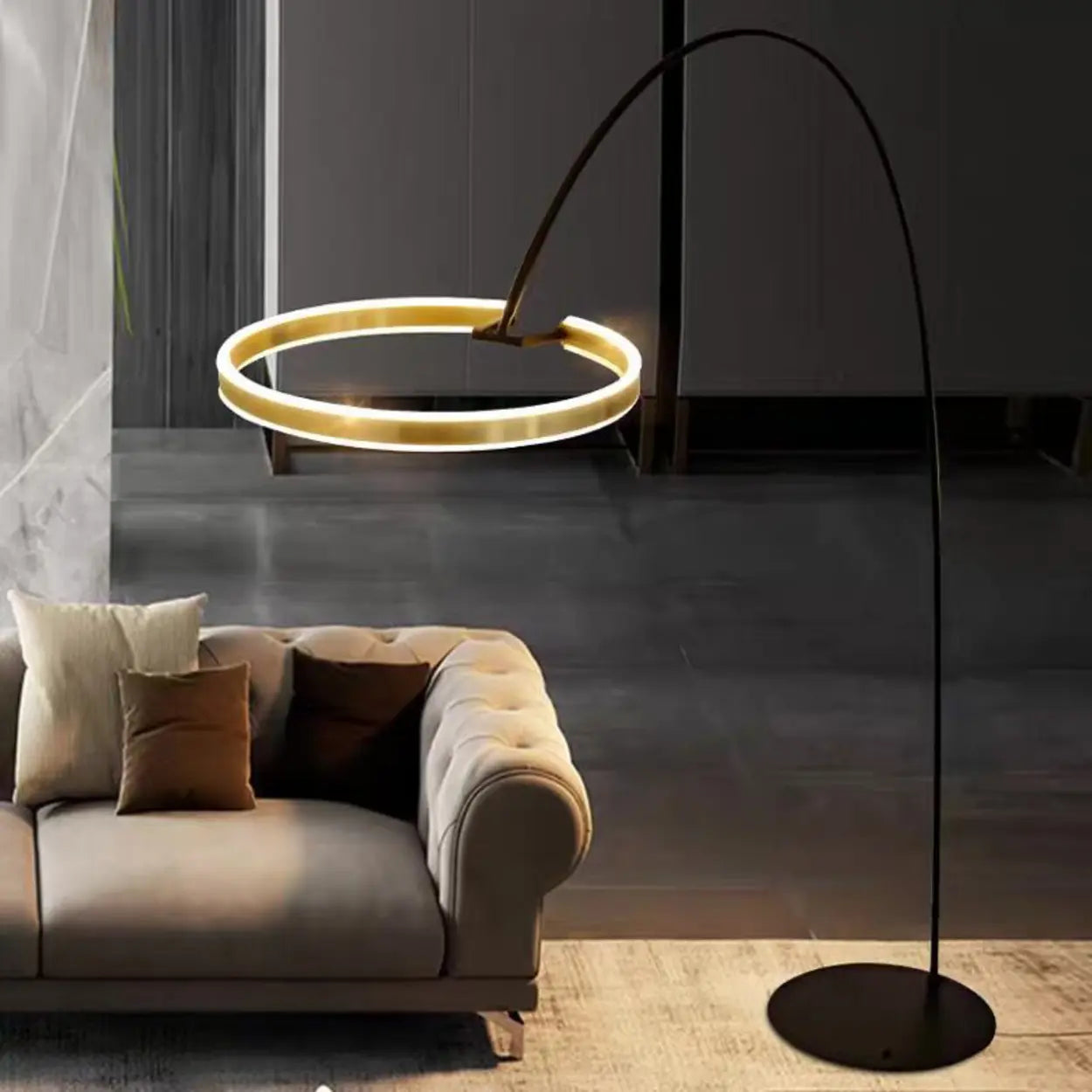
| Floor lamp / table lamp | Floor and surface level | Adds warmth, fills dark corners, and creates a softer layer of light at eye level |
| Wall sconce / accent light | Mid-height | Spreads brightness between ceiling and floor; highlights plants, art, or shelves |
| Dimmer switch | Any circuit | Lets you shift between brighter social settings and lower, wind-down levels as needed |
Feng Shui Lighting Placement in the Living Room
Choosing the right lights is only part of the picture. Where you place them also affects how energy moves through the space.
Lighting dark corners to clear stagnant energy
Dark corners are one of the most common feng shui concerns in a living room. In feng shui, a dark corner is associated with stagnant qi, which can make the whole room feel heavier. A floor lamp or a small table lamp placed in a dark corner helps activate that area and keeps energy circulating.
Avoiding direct light over seating areas
Placing a bright overhead fixture directly above where people sit can create an uncomfortable, pressured feeling. Positioning overhead lights toward the center of the room or using indirect lighting around seating areas tends to feel more settled.
Pairing mirrors with light sources

A mirror placed near a light source reflects and spreads light around the room, which helps brighten a space without adding more fixtures. In feng shui, mirrors also help expand the sense of space. Just be mindful of what the mirror reflects, since it doubles whatever it faces.
Placing lights to support the commanding position
In feng shui, the commanding position is the spot where you can see the door without being directly in line with it. It is considered the most stable position in a room. Lighting the area around the commanding position, whether a sofa or armchair, helps reinforce that sense of stability.
What Color Light Works Best for Feng Shui?
The color temperature of a bulb affects the mood of a room as much as the fixture itself.
| Color Temperature | Light Appearance | Best For |
| 2700K | Warm white, soft glow | Living rooms, relaxation areas |
| 3000K | Warm white, slightly brighter | Living rooms, general use |
| 4000K | Cool white, neutral | Kitchens, home offices |
| 5000K+ | Daylight, sharp and bright | Task-heavy spaces, not living rooms |
Warm white light in the 2700K to 3000K range creates a soft, inviting glow that fits the social and relaxed nature of a living room. Cool white or daylight bulbs (4000K and above) tend to feel cold and sharp in this context — keep them for task-focused areas like kitchens or home offices.
Matching light tone to your bagua area
The bagua is a feng shui energy map that divides a space into areas, each linked to a life area and an element:
- South (fire element): warm and bright light supports this zone well
- West and northwest (metal element): softer, more neutral light is a better fit
- East and southeast (wood element): natural light and warm tones work well here
- North (water element): gentle, low light suits the calmer energy of this zone
Checking which bagua area your living room falls in can help you choose a bulb tone that feels more intentional.
Conclusion
Getting living room lighting feng shui right does not require a full renovation. Swap in warm white bulbs (2700K–3000K), add a lamp to any dark corner, layer at least three light sources at ceiling, floor, and table height, and avoid placing strong overhead lights directly above seating. Small adjustments, but they shift how the room feels to be in.
FAQ
How many light sources do I need in a feng shui living room?
How many light sources do I need in a feng shui living room?
At least three light sources at different heights—ceiling, floor, and table level—are recommended. This layered lighting helps keep energy balanced and prevents dark corners.
What bulb color temperature is best for a living room?
What bulb color temperature is best for a living room?
Warm white bulbs in the 2700K to 3000K range are best for living rooms. They create a soft, welcoming atmosphere that supports relaxation and social interaction.
Is a single ceiling light bad feng shui?
Is a single ceiling light bad feng shui?
Yes, a single overhead light often creates uneven lighting and leaves corners dark. Adding floor and table lamps helps balance brightness throughout the room.
Where should I place lamps in my living room for good feng shui?
Where should I place lamps in my living room for good feng shui?
Place lamps in darker corners first to avoid stagnant energy. Also light seating areas evenly without relying on strong overhead lighting directly above them.
Do dimmer switches make a difference in feng shui?
Do dimmer switches make a difference in feng shui?
Yes, dimmers allow you to adjust lighting levels based on activity. Brighter light works for social time, while softer light supports relaxation and balance.
What lighting mistakes most commonly disrupt feng shui in a living room?
What lighting mistakes most commonly disrupt feng shui in a living room?
Common mistakes include leaving corners dark, relying on a single harsh ceiling light, placing strong lights directly above seating, and using overly cool white bulbs throughout the space.