











![10 Best Floor Lamp for Reading [2026 Review]](http://www.homebaa.com/cdn/shop/articles/banner_c990b0a4-4743-4902-b6be-5609f7a21a90.webp?v=1766393057&width=400)



![How to Choose the Coffee Table Height? [2026 Newest Guide]](http://www.homebaa.com/cdn/shop/articles/coffee-table-height_2a1fd127-359f-4d5f-9ac1-3b232c7092a9.webp?v=1788166652&width=400)


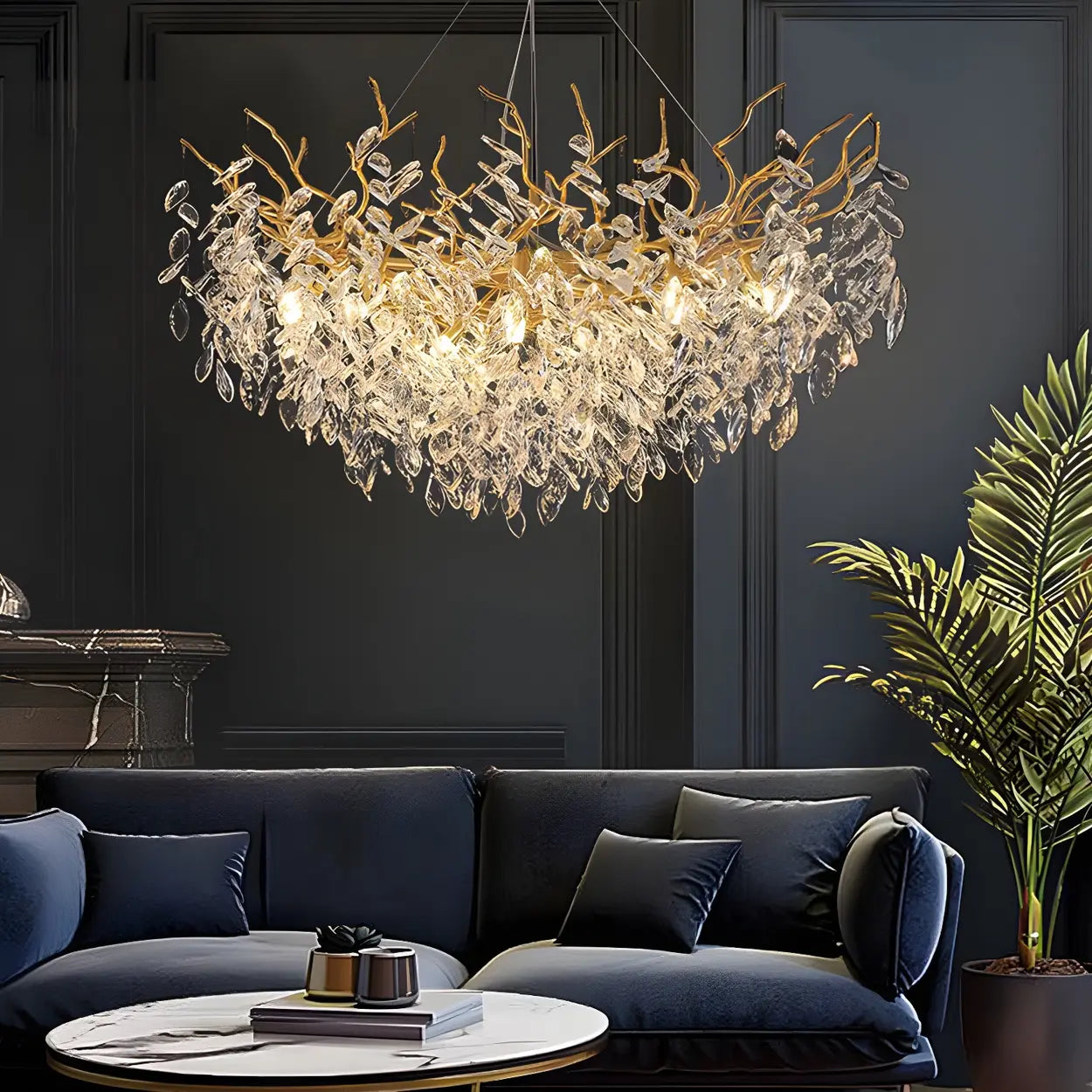
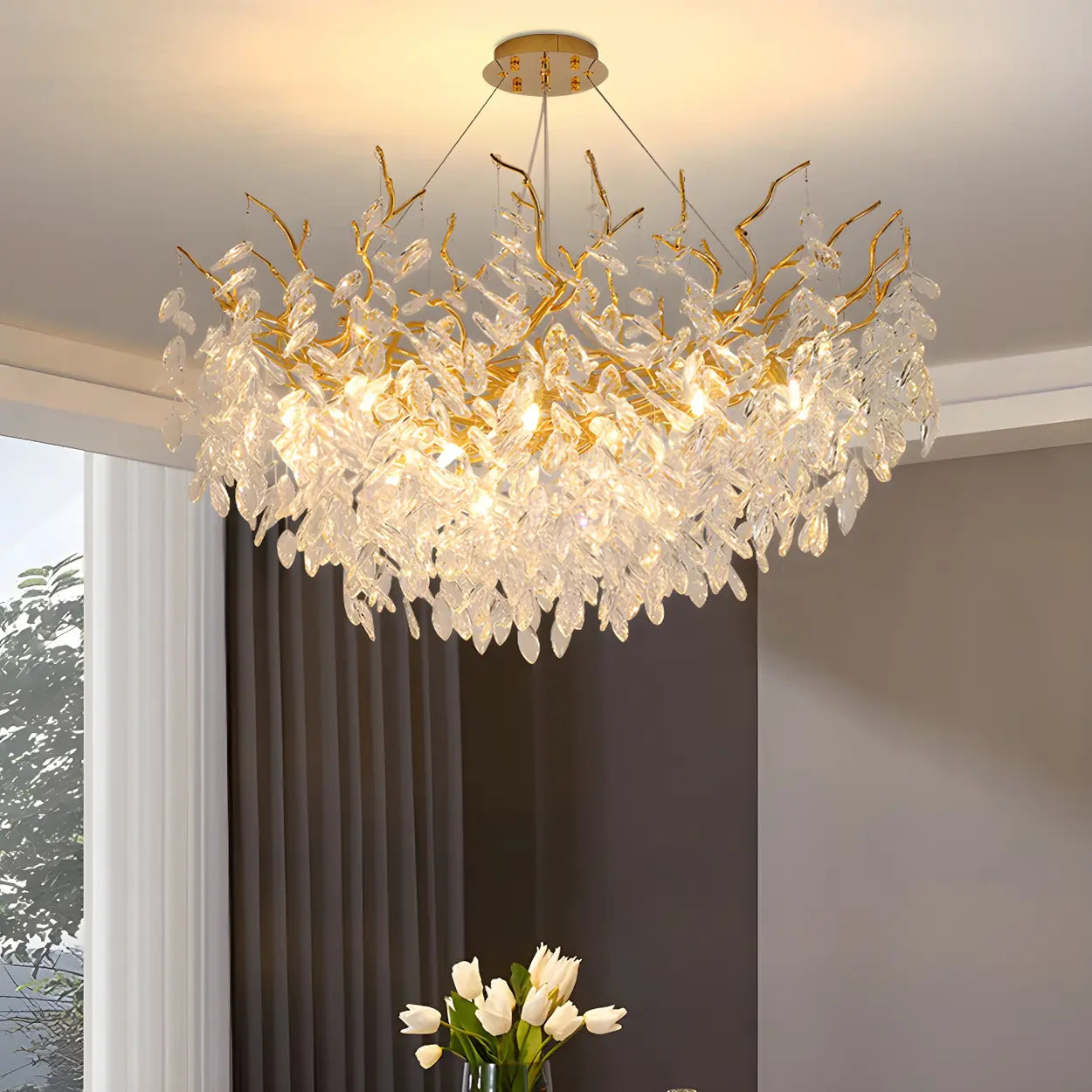
Island lights provide task lighting for cooking and help define the visual style of your kitchen. Getting the size, placement, and brightness right ensures your island is both useful and attractive. This guide covers the practical steps to select the pendant lights for your kitchen island.
Table of Contents
Determine the Right Size for Your Kitchen Island
Start by measuring your island to find the correct fixture size. If the lights are too small, they will not provide enough illumination. If they are too large, they can make the work area feel cramped and cluttered.
Calculate the diameter based on island width
A helpful rule is to measure the width of your island and subtract 12 inches. The resulting number is the maximum width for a pendant light. For example, on a 36-inch wide island, choose an island light no wider than 24 inches. This leaves 6 inches of open space on each side so the light does not hang over the edge.

Consider the visual weight of the pendant light
The material of the light changes how big it looks in the room. A solid metal dome has more "visual weight" than a clear glass globe. If you pick a heavy, solid material, stay on the smaller side of your measurements. If the light is made of thin wires or transparent glass, you can go slightly larger without overwhelming the space.
Balance the scale with your ceiling height
The height of your ceiling dictates how tall the actual light fixture should be. If the fixture is too short for a high ceiling, it looks out of place. Use the following data to match your light fixture height to your ceiling:
| Ceiling Height | Suggested Fixture Height |
| 8 Feet | 12 – 18 inches |
| 9 Feet | 18 – 24 inches |
| 10 Feet | 24 – 30 inches |
| 12+ Feet | 30+ inches or multi-tier |
Decide on the Number of Pendants
The length of your kitchen island determines how many lights you need to cover the surface evenly. Using an odd number of lights often looks more balanced, but two lights can work well for shorter counters.
| Island Length | Number of Pendants | Recommended Fixture Width |
| 4 – 5 Feet | 2 Lights | 10 – 14 inches |
| 6 – 8 Feet | 3 Lights | 12 – 18 inches |
| 9 – 10 Feet | 3 Large or 4 Medium | 18 – 24 inches |
| 11+ Feet | 4+ Lights or Linear | Varies by style |
Get the Spacing and Height Right
Proper placement keeps the light where you need it and ensures you can see across the kitchen without obstruction. Follow these measurements to position your fixtures accurately.
- Hanging height: Position the bottom of the pendant 30 to 36 inches above the countertop.
- Eye level: Ensure the bottom of the shade is not directly in your line of sight when standing.
- Center spacing: Keep about 24 to 30 inches between each light, measuring from the center of one bulb to the next.
- End clearance : Leave at least 6 to 12 inches of space between the light and the edge of the island.
Spacing the lights too far apart creates dark spots on the counter. Spacing them too closely makes the kitchen look busy. If you have a sink in your island, try to center one light directly over it for better visibility while washing dishes.
Set a Realistic Budget for Your Lighting
Kitchen lighting prices change based on the materials used and the complexity of the design. Use the table below to compare different price points and styles.
| Category | Typical Materials | Common Styles | Price Range (Per Light) |
| Budget | Painted steel, thin glass | Industrial, Minimalist | $40 – $100 |
| Mid-Range | Brushed brass, seeded glass | Modern Farmhouse, Nordic | $120 – $300 |
| Premium | Hand-blown glass, marble, crystal | Luxury, Art Deco | $450 – $800+ |
Investing in mid-range fixtures often provides the best balance of durability and style. These lights usually feature better electrical components and thicker glass, which makes them easier to clean and maintain over time.
Match the Style with Your Kitchen Decor
The lights should blend with the existing elements in your room, such as cabinets, floors, and hardware.
Choose materials that complement your cabinet hardware

Look at your drawer pulls and faucet. If you have matte black handles, choosing black pendant lights creates a cohesive look. You do not have to match the metals exactly, but staying in the same color family helps the room feel organized.
Select a shape that fits your kitchen’s design theme
The shape of your light can change the mood of the kitchen:
- Lanterns: Best for traditional or farmhouse kitchens.
- Globes: Work well in modern or mid-century designs.
- Domes: Provide a classic or industrial feel and focus light downward.
- Cylinders: Save space in narrow kitchens and offer a sleek, contemporary look.
Use glass shades to solve visual clutter
Many designers prefer glass shades for specific functional reasons rather than just style. In kitchens with low ceilings or small footprints, a solid metal light acts like a visual wall, cutting the room in half. Glass shades are transparent, allowing your eyes to see the entire kitchen. This prevents the "cluttered" feeling that often happens when you hang multiple large objects in a small workspace.
Consider the Function and Type of Light
A kitchen island is a workspace, so the quality of the light is just as important as the look of the fixture. You need to consider how bright the light is (lumens) and the color of the light (Kelvin).
| Light Feature | Measurement | Best for Kitchen Islands |
| Brightness | Lumens | 30 – 40 lumens per square foot |
| Color Temperature | Kelvin (K) | 3000K – 3500K (Neutral White) |
| Color Rendering | CRI | 90+ (Makes food look natural) |
Prioritize task lighting for food preparation
Since you use the island for chopping and prepping food, the light must point downward. Look for fixtures with open bottoms or semi-transparent shades. Avoid lights that only provide a soft, ambient glow, as these will not be bright enough for safe knife work.
Look for dimmable options for a better atmosphere
Dimmable lights allow you to adjust the brightness based on the time of day. You can use full brightness for cooking and then dim the lights for a relaxed dinner or a midnight snack. Ensure your light bulbs and the wall switch are both compatible with dimming technology.
Conclusion
Choosing the right kitchen island lighting involves balancing measurements with your personal style. By focusing on the correct height, spacing, and brightness, you can create a space that is easy to work in and looks great. If you need stylish and reliable options, Homebaa provides high-quality island lights at affordable prices, helping you get the look you want without overspending.
FAQs
How high should I hang pendants above my island?
How high should I hang pendants above my island?
Hang pendant lights so the bottom of each fixture sits 30–36 inches above the countertop. This height provides good task lighting while keeping sightlines across the kitchen clear.
What is the best spacing for three pendant lights?
What is the best spacing for three pendant lights?
Space pendants 24–30 inches apart, measured from the center of each fixture. Make sure the outer pendants are at least 6 inches in from the edges of the island.
How much should I expect to spend on a good quality pendant?
How much should I expect to spend on a good quality pendant?
A good-quality pendant light typically costs between $120 and $300. Mid-range fixtures usually offer better finishes, materials, and long-term durability.
Can I mix different metal finishes in my kitchen?
Can I mix different metal finishes in my kitchen?
Yes. Mixing metals is common and stylish—for example, black pendants with brass hardware. To keep the look cohesive, limit your design to two metal finishes.
How many lumens do I need for a kitchen island?
How many lumens do I need for a kitchen island?
Plan for about 30–50 lumens per square foot. A standard 6-foot island usually needs around 1,500–2,500 total lumens distributed across all pendant lights.
Should the lights be centered based on the island or the sink?
Should the lights be centered based on the island or the sink?
Always center pendant lights based on the full length of the island. Centering on an off-center sink can make the lighting layout look uneven.


