










![10 Best Floor Lamp for Reading [2026 Review]](http://www.homebaa.com/cdn/shop/articles/banner_c990b0a4-4743-4902-b6be-5609f7a21a90.webp?v=1766393057&width=400)



![How to Choose the Coffee Table Height? [2026 Newest Guide]](http://www.homebaa.com/cdn/shop/articles/coffee-table-height.webp?v=1766393873&width=400)


Dining chairs do more than fill the space around a table. They shape how comfortable meals feel, how balanced the dining room looks, and how well your home works for everyday routines, family dinners, weekend hosting, and quiet coffee breaks. A dining table may be the center of the room, but the chairs decide whether people actually want to sit, stay, and enjoy the moment.
If you are searching for how to choose dining chairs, the best answer starts with three practical questions: Do the chairs fit your table? Are they comfortable enough for the way you dine? Do they match the room’s style without making the space feel crowded? Once you understand dining chair height, seat width, material, back support, arm clearance, and table proportion, choosing the right dining room chairs becomes much easier.
This guide explains how to choose dining chairs for different table shapes, room sizes, lifestyles, and design styles. You will learn standard dining chair dimensions, how much space to leave between chairs, when to choose upholstered dining chairs, when leather or faux leather is easier to maintain, whether armchairs are right for your table, and how to mix dining chairs without making the room look random.
At the end, you will also find Homebaa collection and product recommendations with direct shopping links to help you move from planning to purchase with more confidence.
Quick Jump Links
- Quick Answer: How to Choose Dining Chairs
- Dining Chair Dimensions and Size Guide
- How to Match Dining Chairs with Your Table
- How to Choose Comfortable Dining Chairs
- Best Dining Chair Materials
- Dining Chair Styles by Interior Design
- Best Dining Chairs for Small Spaces
- How to Mix and Match Dining Chairs
- Common Dining Chair Buying Mistakes
- Recommended Homebaa Collections and Products
- Final Dining Chair Buying Checklist
- FAQ
Quick Answer: How to Choose Dining Chairs
The best dining chairs should fit your dining table, support your body comfortably, leave enough space for movement, and match your home’s design style. As a starting point, look for a seat height of about 18 inches for a standard dining table that is about 28 to 30 inches high. This usually leaves enough legroom between the seat and the underside of the tabletop.
For most homes, a good dining chair should also have a practical seat width, a comfortable seat depth, a stable frame, and a backrest that supports relaxed sitting. If you often host long meals, upholstered dining chairs or cushioned dining chairs may be worth choosing. If you have kids, pets, or a busy kitchen dining area, easy-to-clean faux leather, leather, wood, or performance-style upholstery may be more practical.
Simple rule: before buying dining chairs, measure the table height, the space between table legs, the room walkway, and the chair width. A beautiful chair can still be the wrong choice if it cannot slide under the table or leaves guests too close together.
A reliable dining chair buying process looks like this: measure first, choose the right chair type, compare materials, check comfort details, confirm how many chairs fit, then choose a style that works with your dining table and room. This prevents the most common mistake: buying chairs based only on appearance and realizing later that they are too tall, too wide, too hard to clean, or too bulky for the space.
Dining Chair Dimensions and Size Guide
Dining chair dimensions are the foundation of a good dining setup. The most important measurements are seat height, seat width, seat depth, overall height, and arm height if the chair has arms. These details decide whether the chair feels natural with your table and whether guests have enough room to sit comfortably.
Standard dining chair height
Most standard dining chairs have a seat height around 18 inches from the floor. This works well with a standard dining table height of about 28 to 30 inches. The goal is to leave enough space between the top of the seat and the bottom of the table so people can sit naturally without their legs feeling trapped.
If your dining table has a thick apron, storage drawer, pedestal edge, or unusually low tabletop, check clearance carefully. A chair that looks standard may still feel uncomfortable if the table structure blocks your knees.
Seat width
Seat width affects both comfort and how many chairs fit around the table. Many dining chairs range from about 18 to 22 inches wide. Narrower chairs are useful for small dining rooms and apartments. Wider chairs feel more generous, but they may reduce the number of people you can seat.
Seat depth
Seat depth affects posture. A seat that is too shallow may feel unsupportive, while a seat that is too deep may make shorter users lean back awkwardly. For everyday dining, a moderate seat depth often works best because it supports relaxed sitting without turning the chair into a lounge chair.
Back height
High-back dining chairs create a more formal look and provide a stronger visual presence. Low-back or open-back dining chairs make a room feel lighter and more casual. In small spaces, lower or open-back chairs can help preserve sightlines and keep the dining area from feeling crowded.
Arm height
If you want dining armchairs, check whether the arms can slide under the table. Measure from the floor to the underside of the table, then compare that with the chair’s arm height. If the arms are too high, the chair may stick out and take up more room than expected.
| Measurement | Common Starting Point | Why It Matters |
|---|---|---|
| Seat height | About 18 inches | Pairs well with most 28–30 inch dining tables |
| Seat width | About 18–22 inches | Controls comfort and how many chairs fit |
| Seat depth | Moderate depth for upright sitting | Helps guests sit comfortably without slouching |
| Back height | Low, standard, or high back | Affects support, formality, and room openness |
| Arm height | Must clear the tabletop underside | Important for armchairs and end chairs |
How to Match Dining Chairs with Your Table
Dining chairs should feel connected to the table without looking too forced. The best match depends on table shape, table material, room size, and the mood you want to create.
Round dining table
A round table works well with chairs that have softer lines, curved backs, slim legs, or open silhouettes. Because round tables often appear lighter than rectangular tables, bulky chairs can quickly overpower them. Armless dining chairs are usually easiest to arrange around a small round table.
Rectangular dining table
A rectangular table can handle more structure. You can use a full set of matching side chairs, or place armchairs at the two ends and armless chairs along the sides. For long tables, keep chair width consistent so spacing looks intentional.
Oval dining table
An oval table gives you flexibility. Curved-back dining chairs repeat the softness of the table, while simple upholstered chairs can add comfort without interrupting the shape. Avoid very square, oversized chairs if you want to preserve the fluid look of the table.
Square dining table
A square table usually looks best with balanced, symmetrical chairs. Choose four matching chairs or a compact set with clean proportions. If the table is small, avoid thick arms and wide backs.
Wood table
Wood dining tables can pair with wood chairs, upholstered chairs, leather chairs, or mixed-material chairs. If you use wood-on-wood, the finishes do not need to match exactly, but they should feel intentional. Warm wood tables often look good with beige, cream, brown, black, or muted fabric tones.
Stone or marble table
Stone and marble dining tables often feel polished and substantial. To soften the look, consider upholstered dining chairs, boucle-style textures, linen, curved backs, or warm wood frames. For a modern look, leather or faux leather dining chairs with metal legs can create a clean contrast.
How to Choose Comfortable Dining Chairs
Comfort is not only about softness. A chair can be cushioned and still feel awkward if the seat angle, depth, backrest, or height is wrong. A comfortable dining chair supports upright sitting, allows the feet to rest naturally on the floor, and gives the back enough support for meals and conversations.
Choose the right seat height
Seat height is the first comfort detail to check. If the seat is too high, guests may feel crowded at the tabletop. If it is too low, eating can feel awkward, and the table may seem too high. For standard dining tables, an 18-inch seat height is the most useful starting point.
Check the cushion
Upholstered dining chairs are popular because they feel inviting and make the dining room look finished. However, cushion quality matters. A cushion should feel supportive rather than overly soft. If it compresses too much, it may become uncomfortable over longer meals.
Look at the backrest
A solid back can feel supportive and formal. An open back can feel lighter and more breathable. A curved back often feels more ergonomic because it follows the body more naturally. If you regularly sit at the dining table for work, homework, games, or long dinners, back support becomes especially important.
Decide between arms and armless chairs
Dining armchairs feel more lounge-like and comfortable, especially at the head of a table. Armless dining chairs are easier to move, easier to fit around a table, and better for small spaces. Many homes use a hybrid approach: armchairs at the ends and armless chairs on the sides.
Think about how long people sit
If your dining area is mainly for quick breakfasts, a simple wood or faux leather chair may be enough. If your family often spends hours at the table, choose cushioned seats, supportive backs, and materials that feel pleasant against the body.
Best Dining Chair Materials
Material affects appearance, comfort, cleaning, durability, and price. The best dining chair material depends on your lifestyle as much as your design taste.
Upholstered dining chairs
Upholstered dining chairs are comfortable, warm, and visually soft. They work well in formal dining rooms, modern dining rooms, and homes where the table is used for long meals. Fabric chairs can add texture and color, but they may require more care around spills.
Leather and faux leather dining chairs
Leather and faux leather dining chairs are popular for modern homes because they look sleek and are easier to wipe clean than many fabrics. Faux leather is especially practical for busy dining areas, families, and kitchen tables where spills are common.
Wood dining chairs
Wood dining chairs feel classic, durable, and versatile. They can lean farmhouse, Scandinavian, mid-century, rustic, traditional, or minimalist depending on the shape and finish. A wood chair without upholstery is usually easier to maintain, but it may feel firmer during long meals.
Metal dining chairs
Metal legs or frames can make dining chairs feel modern and stable. They also pair well with stone tables, glass tables, and contemporary interiors. Look for chairs with floor-protecting feet if you are placing them on wood or tile floors.
Boucle, sherpa, and textured fabric
Soft-textured chairs create a cozy, design-forward look. They are excellent for adding warmth to neutral rooms, but they may need more careful maintenance than smooth leather or wood. Use textured chairs in dining rooms where comfort and style are the priority.
| Material | Best For | Consider Before Buying |
|---|---|---|
| Fabric upholstery | Comfort, softness, formal dining | May need more stain care |
| Faux leather | Easy cleaning, modern rooms, families | Check cushion quality and seam finish |
| Wood | Classic style, durability, easy maintenance | Can feel firm without a cushion |
| Metal frame | Modern look, stability, slim profiles | Use floor protection on delicate flooring |
| Textured fabric | Cozy style, visual interest, statement rooms | May require gentler cleaning |
Dining Chair Styles by Interior Design
The right dining chair style should support the room’s overall mood. You do not need every piece to match perfectly, but the table, chairs, lighting, rug, and nearby furniture should feel like they belong in the same home.
Modern dining chairs
Modern dining chairs usually feature clean lines, simple silhouettes, leather or faux leather upholstery, metal legs, curved backs, or minimal frames. They work well in apartments, open-concept dining areas, and contemporary homes.
Mid-century modern dining chairs
Mid-century modern dining chairs often use tapered legs, curved backs, warm wood tones, and simple upholstery. They are a strong choice if you want a dining room that feels timeless but not too formal.
Scandinavian dining chairs
Scandinavian dining chairs often focus on light wood, soft neutrals, simple forms, and practical comfort. They work especially well with round tables, small spaces, natural materials, and bright dining rooms.
Farmhouse dining chairs
Farmhouse dining chairs often use wood frames, warm finishes, woven details, or classic silhouettes. They pair well with rustic wood dining tables, benches, and relaxed family spaces.
Luxury dining chairs
Luxury dining chairs may include sculptural shapes, plush upholstery, rich colors, metal accents, or dramatic backrests. Use them when the dining room is meant to feel like a statement space.
Transitional dining chairs
Transitional dining chairs mix classic and modern details. They are a safe choice if your home includes both traditional and contemporary furniture. A curved upholstered chair with a simple frame is a good example.
Best Dining Chairs for Small Spaces
Small dining rooms, breakfast nooks, apartments, and kitchen corners need chairs that look good without stealing too much space. The best dining chairs for small spaces usually have a compact footprint, armless design, slim legs, and a back that does not visually block the room.
Choose armless chairs
Armless dining chairs are the easiest choice for tight spaces because they slide under the table more cleanly and leave more elbow room. They also make it easier to add an extra chair when guests visit.
Use open-back or low-back chairs
Open-back chairs keep sightlines clear. Low-back chairs make the dining area feel less boxed in. These styles are especially useful in open-plan apartments where the dining area sits near the kitchen or living room.
Avoid oversized padding
Thick, lounge-style dining chairs can look comfortable, but they may overwhelm small rooms. Choose moderate cushioning instead of bulky padding if space is limited.
Check whether the chair slides under the table
Even a compact chair can take up more room if it cannot tuck under the table. This is especially important for round tables, pedestal tables, and tables with thick aprons.
Consider stackable or lightweight designs
If your dining area changes function during the day, lightweight or stackable dining chairs can help you free up floor space when needed.
Small-space tip: when in doubt, prioritize a simple armless chair with a standard seat height, slim legs, and a supportive back. It will be easier to fit, easier to move, and easier to style.
How to Mix and Match Dining Chairs
Mixing dining chairs can make a room feel personal and designed, but it needs a clear rule. The goal is contrast, not clutter. Choose one element to repeat, such as color, material, height, leg finish, seat shape, or upholstery tone.
Use armchairs at the ends
One of the easiest ways to mix dining chairs is to use armchairs at the heads of a rectangular table and armless chairs along the sides. This creates a formal but balanced look.
Keep seat height consistent
Even if the chairs look different, the seat heights should be similar. If one person sits much higher or lower than everyone else, the setup will feel awkward.
Repeat one color family
You can mix different shapes if the colors stay connected. For example, cream upholstered chairs, natural wood chairs, and beige textured chairs can work together if the palette feels warm and intentional.
Mix materials carefully
Wood, leather, fabric, and metal can look beautiful together, but avoid mixing too many strong finishes in a small room. A table with a bold stone top, black metal base, colorful rug, and multiple chair materials may feel visually busy.
Use matching side chairs for simplicity
If you want a clean look, choose a full matching set. Matching dining chairs are easier to style and often make the room look calmer.
Common Dining Chair Buying Mistakes
Mistake 1: Buying chairs before measuring the table
This is the most common mistake. Always measure table height, table width, the space between table legs, and the underside clearance before choosing chairs.
Mistake 2: Choosing chairs that are too wide
Wide chairs may look luxurious, but they can reduce seating capacity. Leave enough room between chairs so guests can move comfortably.
Mistake 3: Ignoring the table apron
Some tables have a low apron under the tabletop. If the chair seat is too high or the arms are too tall, guests may not have enough leg clearance.
Mistake 4: Picking style over comfort
A chair can photograph beautifully and still feel uncomfortable. Check seat height, cushion support, backrest angle, and materials before buying.
Mistake 5: Forgetting cleaning needs
White fabric may look elegant, but it may not be ideal for a household with young children, pets, or frequent spills. Choose materials that match your real lifestyle.
Mistake 6: Using bulky chairs in a small room
Oversized chairs can make a dining area feel cramped. In small spaces, choose armless, open-back, low-back, or slim-frame chairs.
Mistake 7: Matching wood tones too closely but not exactly
Wood tones do not need to be identical, but they should look intentional. If the table and chair woods are slightly different in a way that looks accidental, consider adding upholstered seats or a contrasting finish.
Recommended Homebaa Collections and Products
Once you know the right size, comfort level, and material, the next step is choosing a chair style that fits your table and lifestyle. Below are Homebaa collections and product picks that are closely related to this dining chair guide. Each recommendation includes one image and one direct link.
Best Homebaa Collections to Start With

Dining Chairs
Start here if you want to compare upholstered, leather, wood, arm, armless, modern, and compact dining chair styles in one place.
Shop Dining Chairs
Dining Tables
Use this collection when you want to pair new chairs with the right table size, shape, height, and dining room layout.
Shop Dining Tables
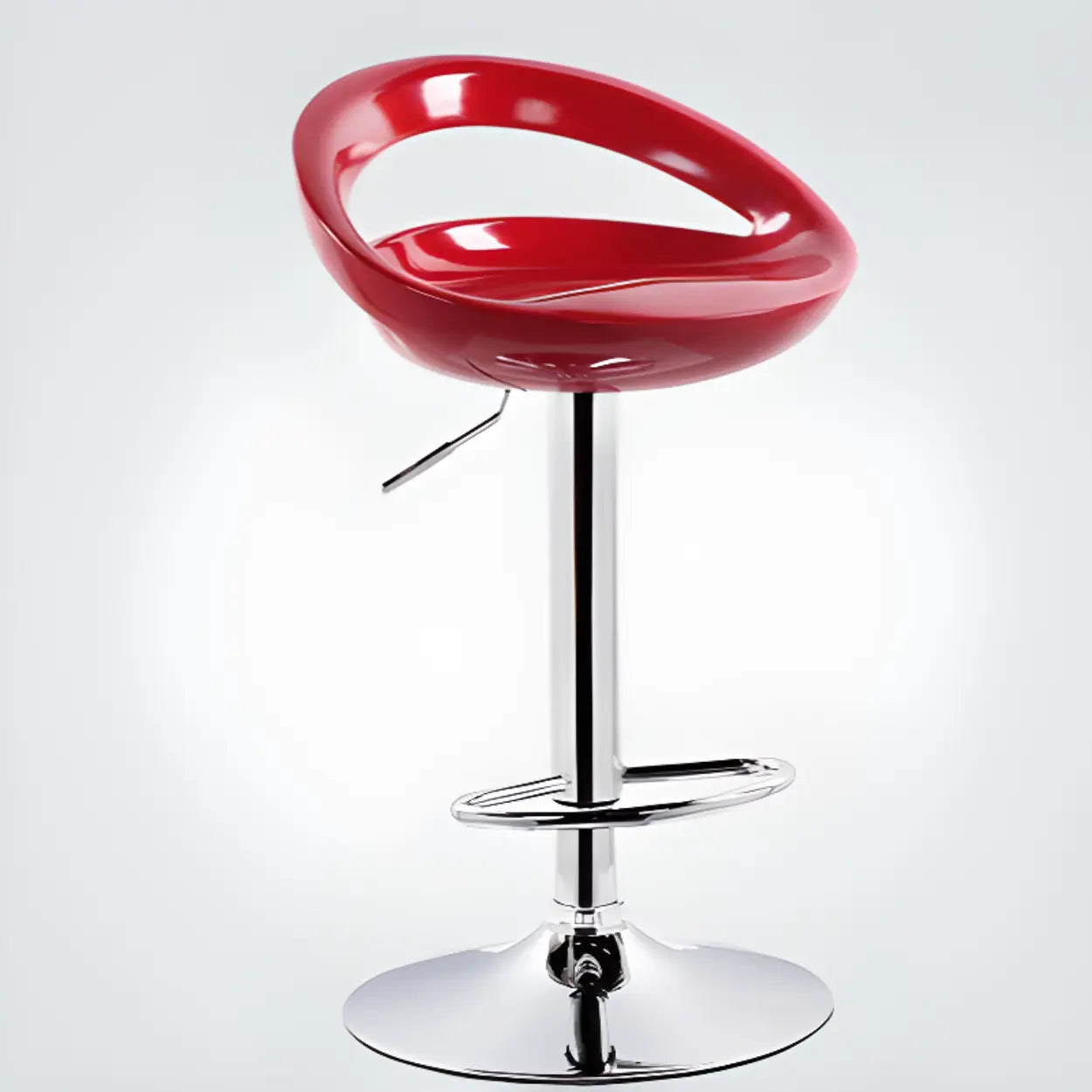
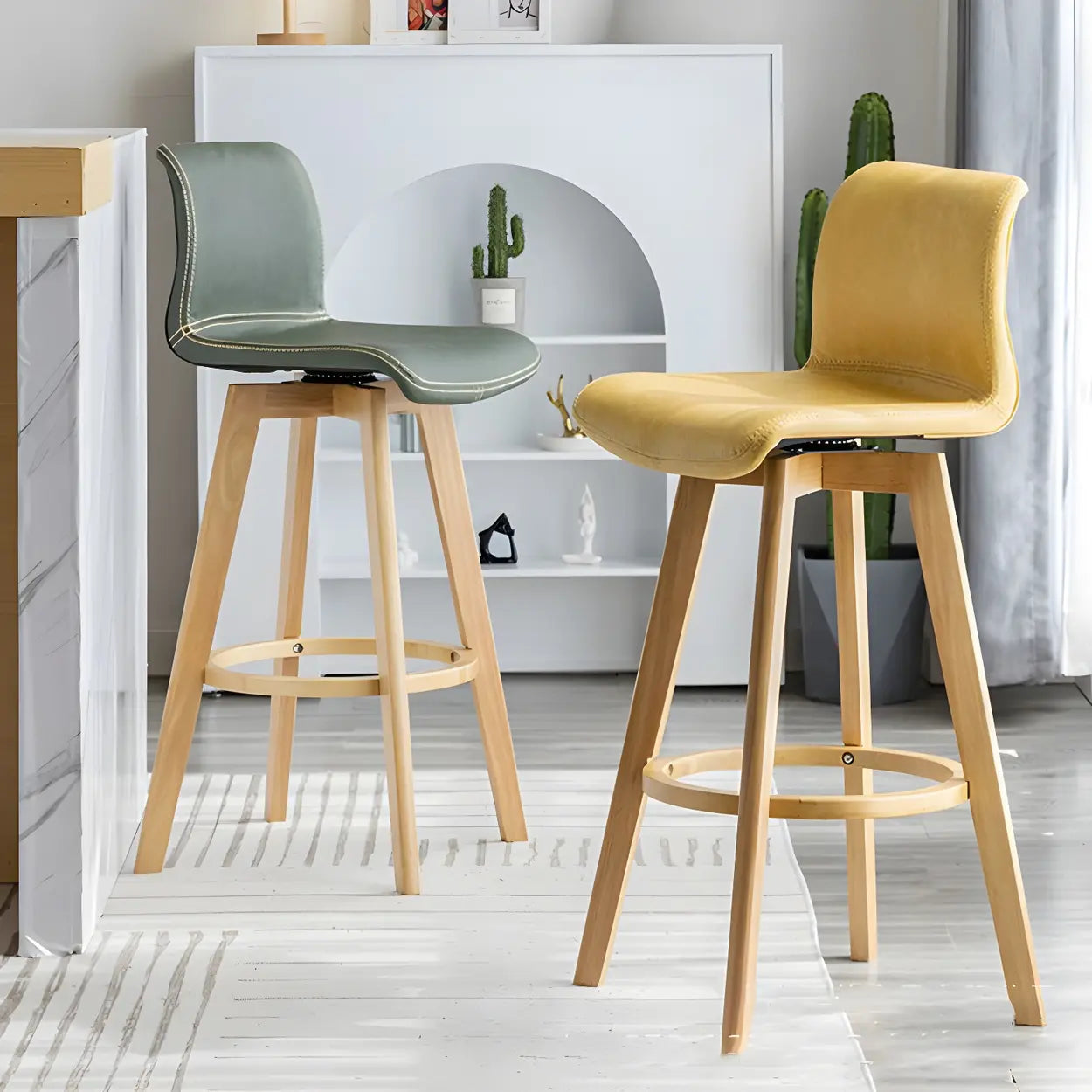
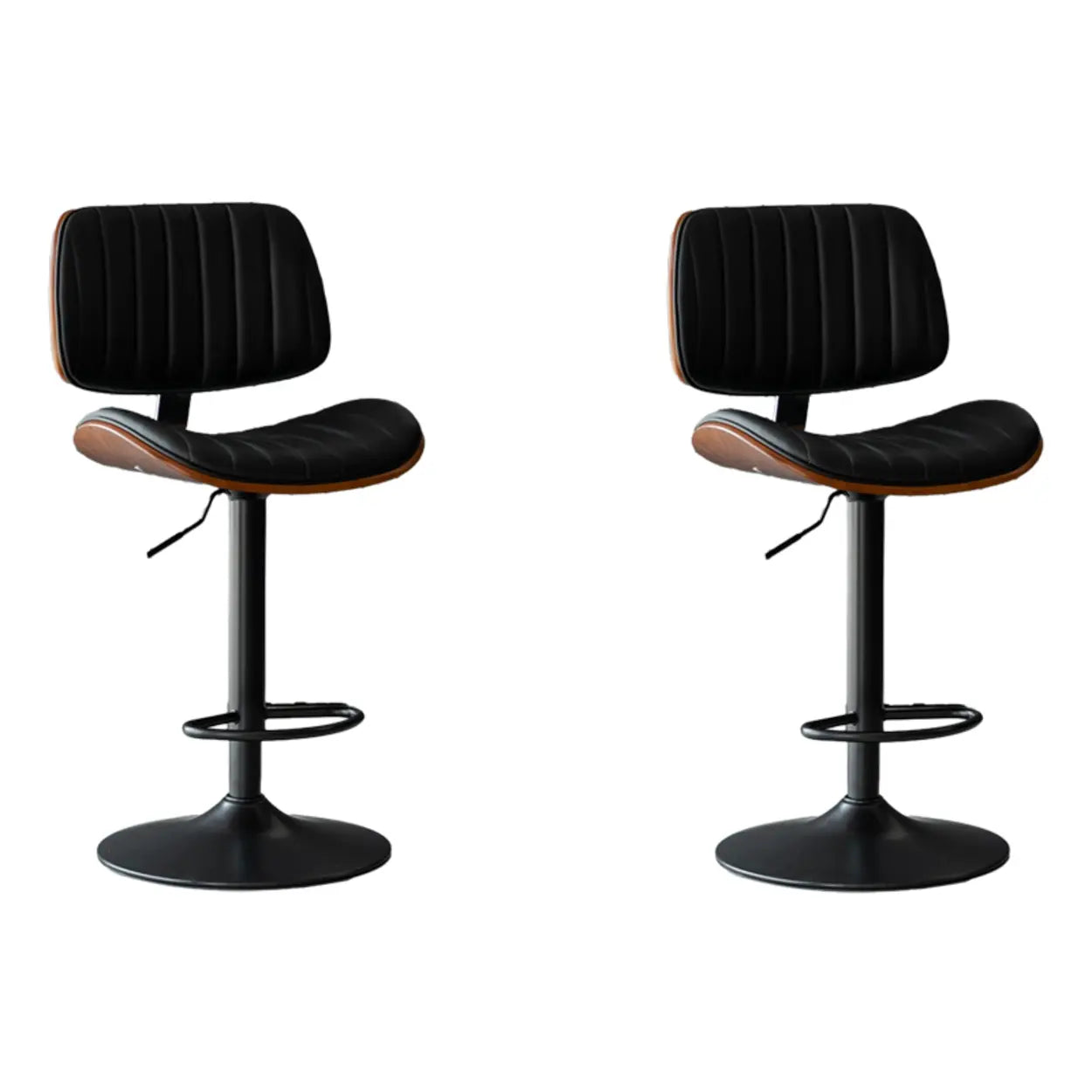
Bar Stools
If your seating area is a kitchen island, counter, or bar table instead of a standard dining table, browse stool-height options here.
Shop Bar StoolsProduct Picks for Different Dining Chair Needs

Modern Orange Upholstered Solid Back Leather Dining Chairs
A practical modern option for everyday dining, with cushioned support, faux leather upholstery, and a compact armless profile.
View This Dining Chair
Mid-Century Modern Gray Linen Open Back Dining Chair
A strong fit for small dining rooms, apartments, and modern spaces where you want comfort without a heavy visual footprint.
View This Dining Chair
Coffee Wooden Frame Upholstery Armrest Dining Chair
A comfortable armchair choice for end-of-table seating, formal dining rooms, reading corners, or a warm wood-and-fabric look.
View This ArmchairFinal Dining Chair Buying Checklist
Before you choose your dining chairs, use this quick checklist:
- Table height: standard dining tables usually pair well with chairs around 18 inches in seat height.
- Clearance: check the space between the seat, arms, and underside of the table.
- Chair width: make sure each person has enough elbow room.
- Room flow: leave enough walkway space behind pulled-out chairs.
- Comfort: compare cushion firmness, back support, seat depth, and material feel.
- Material: choose fabric for softness, faux leather for easy cleaning, wood for durability, or mixed materials for contrast.
- Style: match the chair mood to the table and the room, not just to one product photo.
- Quantity: confirm how many chairs actually fit between table legs and around the room.
- Lifestyle: consider kids, pets, spills, long meals, and daily use before choosing light fabric or delicate textures.
The best dining chairs are the ones that look right, feel right, and work for real life. Measure carefully, choose materials honestly, and focus on comfort as much as style. When the chairs fit the table and the room, the entire dining area feels more inviting.
FAQ: How to Choose Dining Chairs
What is the standard height for a dining chair?
The standard dining chair seat height is about 18 inches from the floor. This usually works well with a standard dining table that is about 28 to 30 inches high.
How much space should be between a dining chair and table?
Aim for enough clearance so people can sit comfortably without their knees touching the table underside. Always check the table apron, seat height, and arm height if you are using dining armchairs.
How wide should dining chairs be?
Many dining chairs are about 18 to 22 inches wide. Wider chairs can feel more comfortable, but narrower chairs are better for small dining rooms or tables where you need to seat more people.
Are upholstered dining chairs a good idea?
Yes. Upholstered dining chairs are comfortable and stylish, especially for long meals or formal dining rooms. However, they may require more cleaning care than wood or faux leather chairs.
Are leather or faux leather dining chairs easy to clean?
Leather and faux leather dining chairs are often easier to wipe clean than many fabric chairs, making them practical for families, kitchen dining areas, and frequent use.
Should dining chairs have arms?
Dining chairs with arms are comfortable and work well at the heads of rectangular tables. Armless chairs are better for small spaces, tight layouts, and fitting more seats around a table.
Should all dining chairs match?
No. Matching chairs create a clean and simple look, but mixed dining chairs can also work if you repeat one design element such as color, material, seat height, leg finish, or overall style.
What chairs are best for a small dining room?
Armless chairs, open-back chairs, low-back chairs, slim-frame chairs, and stackable dining chairs are usually best for small dining rooms because they reduce visual and physical bulk.
How do I choose dining chairs for a round table?
Choose chairs with compact proportions, armless designs, curved backs, or softer silhouettes. Round tables usually look best when the chairs do not overpower the table shape.
How do I choose dining chairs for a rectangular table?
You can use matching side chairs all around, or pair armless side chairs with armchairs at the two ends. Make sure chair width and spacing work with the table length.
Can I use accent chairs as dining chairs?
Sometimes, but check seat height, seat depth, arm height, and comfort. Many accent chairs are lower or deeper than dining chairs, which can make eating at a table uncomfortable.
What dining chair material is best for families?
Faux leather, leather, wood, and easy-care upholstery are practical choices for families because they are generally easier to maintain than delicate fabrics.
How many dining chairs fit around my table?
It depends on table length, table shape, leg placement, and chair width. Measure the usable table edge and allow enough space between chairs so guests are not crowded.
Do dining chairs need to slide under the table?
Ideally, yes. Chairs that slide under the table save space and make the dining area look neater. This is especially important in small rooms and open-plan homes.
What is the most comfortable dining chair style?
The most comfortable dining chair usually has the right seat height, supportive backrest, moderate seat depth, and a cushion that is soft but not too compressible. Curved backs and upholstered seats are often good choices for long meals.