


















![10 Best Floor Lamp for Reading [2026 Review]](http://www.homebaa.com/cdn/shop/articles/banner_c990b0a4-4743-4902-b6be-5609f7a21a90.webp?v=1766393057&width=400)










![How to Choose the Coffee Table Height? [2026 Newest Guide]](http://www.homebaa.com/cdn/shop/articles/coffee-table-height.webp?v=1766393873&width=400)


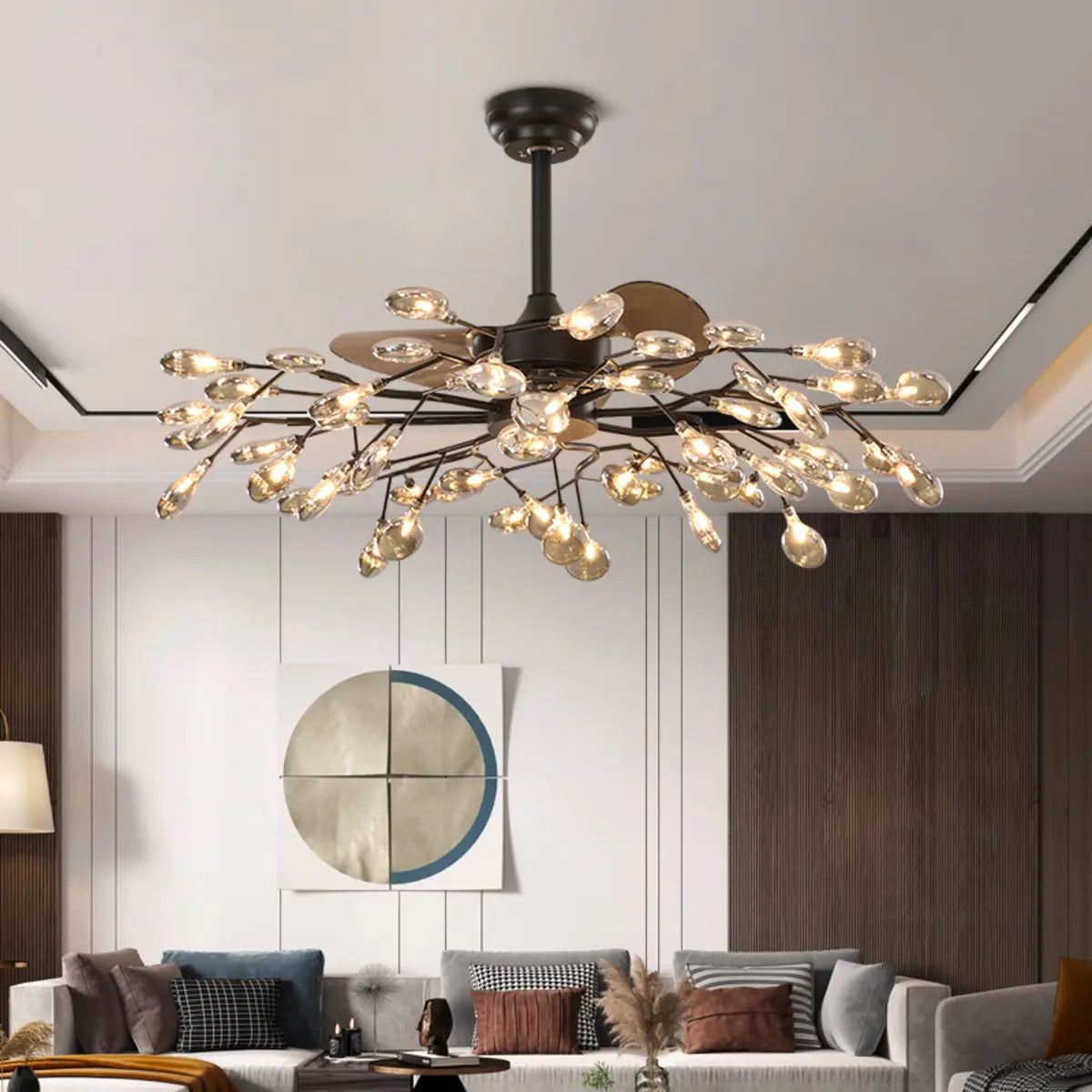


When updating a room, choosing between a built-in light kit and a plain motor is a common decision. To help you settle the Ceiling Fan with Light vs Without Light debate, this guide compares cost, energy usage, installation, and style. Looking at these specific factors can help you find a practical cooling solution that fits your living space comfortably.
Table of Contents
What Is a Ceiling Fan with Light?

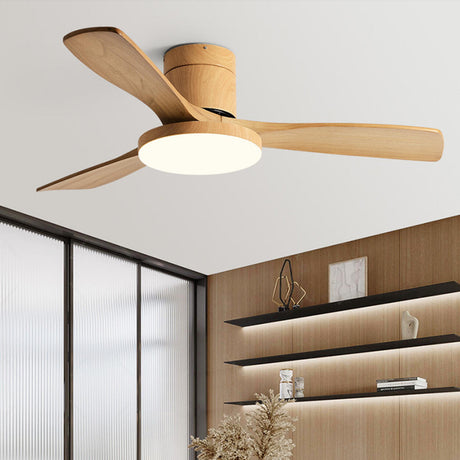
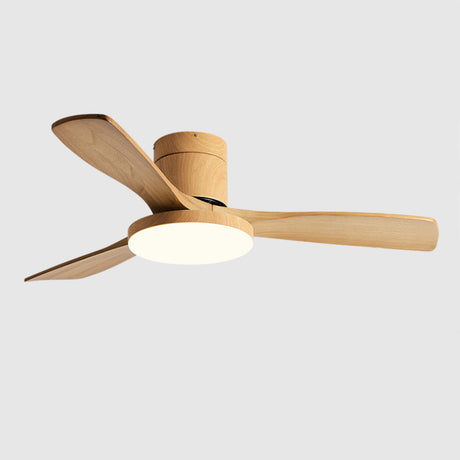
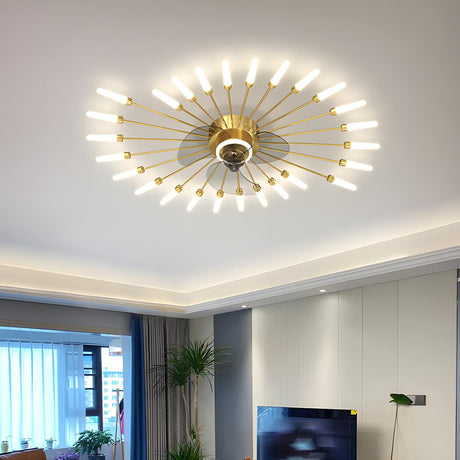
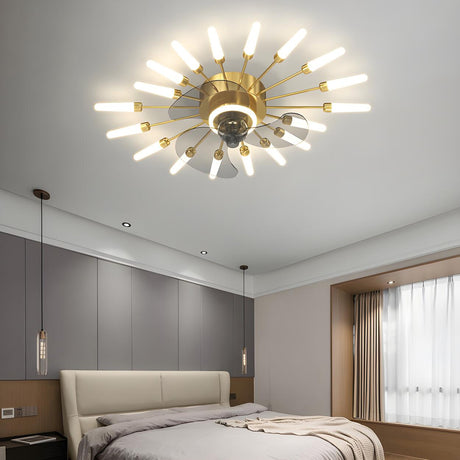
A ceiling fan with light does double duty by cooling the room and providing overhead illumination. A combined fixture often serves as the central design element of a space.
Key features
- Built-in illumination: A ceiling fan with light includes a light kit featuring traditional bulbs or a flat integrated LED panel.
- Dual controls: It is easy to operate blades and lights separately via wall switches, pull chains, or a remote.
- Central placement: A ceiling fan with light replaces standard overhead fixtures to serve as the primary light source in a room.
What Is a Ceiling Fan Without Light?

A ceiling fan without light focuses purely on moving air. A basic fan motor blends easily into the ceiling for a much simpler, cleaner visual footprint.
Key features
- Streamlined profile: A standard fan features a basic motor housing without hanging glass shades or extra hardware.
- Lighter weight: Fewer electrical parts make a standard ceiling fan easier to lift and mount.
- Reliance on outside lighting: A ceiling fan without light requires recessed ceiling fixtures, chandeliers, or floor lamps to illuminate the room.
Ceiling Fan with Light vs Without Light: Side-by-Side Comparison
Before diving into the detailed breakdown, a quick overview helps clarify how a ceiling fan with light compares to a standard ceiling fan. Looking at these key differences can help you understand which features fit a specific budget and room layout.
| Feature | Ceiling Fan with Light | Ceiling Fan Without Light |
| Average Cost | $100 – $300+ | $50 – $150 |
| Light Output | 800 – 1,500 lumens | 0 lumens |
| Average Energy Use | 70 – 170 watts (motor + light) | 30 – 50 watts (motor only) |
| Average Weight | 15 – 25 pounds | 10 – 15 pounds |
| Installation | Dual wiring often helpful | Simpler single wiring |
Lighting function
A ceiling fan with light serves as ambient lighting, typically providing between 800 and 1,500 lumens for an entire room. It is a practical choice if floor space for lamps is limited. You might consider dimmable LED kits to easily control the brightness level for different times of the day.
On the other hand, a ceiling fan without light offers zero illumination. To see clearly at night, it helps to rely on existing chandeliers, recessed lights, large windows, or wall sconces.
Price range
Adding electrical components and glass shades naturally increases the manufacturing cost. A ceiling fan with light generally costs between $100 and $300, while high-end designer fans with custom LED panels can exceed $500.
Standard ceiling fans are much more budget-friendly. Reliable models designed purely for air circulation usually start around $50 to $150. Choosing a standard fan can leave more room in the budget for other home upgrades.
Airflow efficiency
To get the best breeze, it helps to look at aerodynamics. A ceiling fan without light has a smooth motor housing, allowing the motor to push high volumes of air, often exceeding 5,000 Cubic Feet per Minute (CFM).
Light kits add bulk to the bottom of the fixture. Large glass bowls or hanging bulbs can create minor air drag. While modern motors handle this well, standard ceiling fans still have a slight edge in pure airflow efficiency.
Energy use
Electricity consumption depends on the active components. A ceiling fan without light only powers a small internal motor, which usually draws around 30 to 50 watts. This keeps daily energy costs very low.
Running a ceiling fan light increases the overall power draw. Using traditional incandescent bulbs can add 120 watts to the usage. However, choosing a ceiling fan with light that features integrated LEDs keeps that extra energy use below 20 watts.
Style options
A ceiling fan with light offers a massive variety of aesthetic choices. Options range from rustic exposed Edison bulbs to sleek, frosted glass domes. A combined fixture can easily become the focal point of a ceiling.
A ceiling fan without light leans heavily toward modern and minimalist trends. Standard fans often feature thin blades and flat motor housings that blend directly into the ceiling. This works well if you prefer furniture to stand out more than fixtures.
Installation
Adding a ceiling fan light makes the entire unit heavier, often weighing between 15 and 25 pounds. Installation also involves more complex wiring. It is common to wire a dual-switch wall setup to operate the light without starting the fan blades.
A ceiling fan without light is lighter, usually around 10 to 15 pounds, making it easier to handle. Connecting simple wiring to a single wall switch makes for a faster installation process.
Maintenance
Cleaning a ceiling fan with light takes a bit more time and effort. It is a good idea to unscrew and wash glass shades every few months to remove trapped dust. Keeping replacement bulbs on hand is also helpful.
A ceiling fan without light offers a nearly maintenance-free experience, as there are no bulbs to change or glass to wash. Dusting the fan blades and motor housing two or three times a year is usually sufficient.
Best rooms
Different spaces have different requirements. A ceiling fan with light fits well in bedrooms, dining rooms, or home offices where direct overhead lighting is helpful for daily tasks.
A ceiling fan without light is better suited for open-concept living rooms that already feature chandeliers or recessed fixtures. Standard fans are also excellent choices for outdoor patios, sunrooms, and dedicated home theater rooms.
How to choose between a ceiling fan with light or without light?
Selecting the right model often comes down to daily habits and the current electrical setup. Consider the checklists below to see which option fits a specific lifestyle better.
Choose a ceiling fan with light if:
- The room lacks built-in overhead lighting.
- Centralized illumination is helpful for reading or working.
- Saving floor space by removing bulky floor lamps is a priority.
Choose a ceiling fan without light if:
- The room already has adequate lighting from chandeliers or recessed fixtures.
- A clean, minimalist aesthetic that blends into the ceiling is preferred.
- Maximizing airflow efficiency and minimizing energy use are top priorities.
Conclusion
Settling the Ceiling Fan with Light vs Without Light debate ultimately depends on current room illumination and personal style preferences. If an overhead light source seems helpful, consider checking out homebaa's ceiling fans with lights. They offer a wide selection of modern styles under $150, making it easy to upgrade a space affordably.
FAQ
Which one is better, a ceiling fan with light or without light?
Which one is better, a ceiling fan with light or without light?
Neither option is universally better. A ceiling fan with a light is ideal for rooms that lack overhead lighting, while a fan without a light offers a cleaner look and can focus purely on airflow in spaces that already have sufficient lighting.
Is a ceiling fan with light worth it?
Is a ceiling fan with light worth it?
Yes, a ceiling fan with a light is worth it if you need both cooling and illumination in one fixture. It saves ceiling space and avoids the need for additional wiring, making it a practical and efficient solution.
Are ceiling fans with lights outdated?
Are ceiling fans with lights outdated?
No, they are not outdated. While older designs may look bulky, modern ceiling fans feature sleek profiles, integrated LED lighting, and minimalist styles that fit well with contemporary interiors.
Do ceiling fans make your electric bill go up?
Do ceiling fans make your electric bill go up?
Yes, but only slightly. Most ceiling fans use around 50 watts, which is less than many light bulbs. They can help reduce overall energy costs by allowing you to set your air conditioner at a higher temperature.
How big of a fan do I need for a 12x12 room?
How big of a fan do I need for a 12x12 room?
For a 12 x 12-foot room (about 144 square feet), a ceiling fan with a blade span of 42 to 48 inches is recommended. This size provides efficient airflow without overwhelming the space.