







![10 Best Floor Lamp for Reading [2026 Review]](http://www.homebaa.com/cdn/shop/articles/banner_c990b0a4-4743-4902-b6be-5609f7a21a90.webp?v=1766393057&width=400)



![How to Choose the Coffee Table Height? [2026 Newest Guide]](http://www.homebaa.com/cdn/shop/articles/coffee-table-height_2a1fd127-359f-4d5f-9ac1-3b232c7092a9.webp?v=1788166652&width=400)


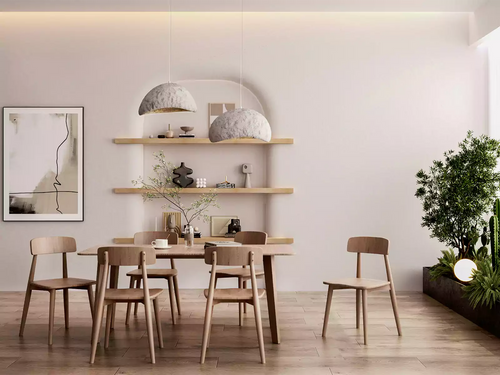
A dining table is more than a place to serve dinner. It often sits at the visual center of the dining room, which means even a few thoughtful details can make the entire space feel warmer, more finished, and more inviting. If you are wondering how to decorate a dining room table without making it look cluttered or overly formal, the best approach is to balance beauty with the way you actually use the table.
Good dining room table decor does not require a complicated tablescape every day. A simple vase, a sculptural bowl, a table runner, or a small group of objects may be enough. For entertaining, you can build on that foundation with place settings, candles, seasonal greenery, glassware, and layered textiles.
The table itself matters too. A centerpiece that looks balanced on a large rectangular dining table may overwhelm a compact round table. Likewise, modern dining table decor often benefits from fewer, larger pieces, while farmhouse, traditional, or bohemian rooms can support more texture and layering.
This guide explains how to style a dining table for everyday use, how to choose a dining table centerpiece, what works on round and rectangular tables, how to decorate a dining table when it is not in use, and how to refresh the look for different seasons. You will also find Homebaa furniture and lighting recommendations that can help you build a more complete dining space around the table.
Quick Jump Links
- Quick Answer: How to Decorate a Dining Room Table
- How to Style a Dining Table Step by Step
- How to Choose a Dining Table Centerpiece
- Dining Table Decor by Table Shape
- How to Decorate a Dining Table When Not in Use
- Dining Table Decor Ideas by Interior Style
- Seasonal Dining Table Decorating Ideas
- How to Decorate a Small Dining Table
- Recommended Homebaa Collections and Products
- Create a Dining Room You Want to Gather In
- Dining Room Table Decor FAQ
Quick Answer: How to Decorate a Dining Room Table
The easiest way to decorate a dining room table is to start with one clear focal point, add one layer of texture, and leave enough open space for the table to remain functional.
For everyday dining table decor, try a vase with branches or flowers, a decorative bowl, or a compact grouping of two or three objects in the center. Add a runner or placemats if the tabletop needs softness or contrast. Then stop before the surface feels crowded.
A simple formula: table + one focal point + texture + practical breathing room. You do not need to fill every inch of the tabletop for it to look styled.
For a dinner party, build outward from that everyday arrangement. Add place settings, napkins, glassware, candles, and seasonal details, but keep conversation and serving space in mind. Guests should be able to see one another comfortably and reach shared dishes without navigating a forest of decorations.
The most successful dining table decorations also connect to the rest of the room. The shape of the dining chairs, the material of the table, the chandelier or pendant above it, and the colors already used in the room should influence what goes on the tabletop.
How to Style a Dining Table Step by Step
1. Start with how you actually use the table
Before buying decorative objects, decide what the dining table needs to do on a normal day. A formal dining room that is used mainly for entertaining can support a more permanent display. A kitchen dining table used for breakfast, homework, work-from-home tasks, and family meals needs a much simpler arrangement that can be moved quickly.
If your table gets daily use, a single tray is especially useful. Place a small vase, candle, and decorative object on the tray, and the entire centerpiece can be removed at once when you need more space.
2. Let the tabletop material influence the decor
A beautiful dining table does not always need to be covered. Wood grain, stone veining, glass, and distinctive pedestal bases are part of the room's design.
On a warm wood table, ceramic vessels, linen, greenery, and glass can create an organic contrast. On a stone or marble-look table, a simple sculptural vase or bowl may be enough. For darker tables, cream textiles and clear glass can lighten the composition, while pale tables can handle deeper accents such as black, brown, bronze, burgundy, or forest green.
3. Choose one main focal point
Your centerpiece gives the eye somewhere to land. Common dining table centerpiece ideas include a large vase, fresh or dried flowers, branches, a fruit bowl, candleholders, a sculptural vessel, or a grouped collection of smaller objects.
The centerpiece does not have to sit exactly in the geometric center in every design. An asymmetrical arrangement can look especially effective in modern or organic interiors. The important thing is that the visual weight still feels balanced when you look at the whole table.
4. Add texture with a runner, placemats, or tablecloth
Textiles can soften a dining room filled with hard surfaces. A runner draws attention along the length of a rectangular table and creates a natural base for a centerpiece. Placemats define individual seats and work especially well for everyday dining. A full tablecloth creates a softer and more formal effect and can completely change the appearance of an older table.
You do not need all three at once. For modern dining table decor, a bare tabletop with a single runner often looks cleaner. For a layered holiday table, a tablecloth, placemats, and napkins can make the setting feel more substantial.
5. Use repetition to make the table feel intentional
Repetition creates order. You might repeat the same material in three candleholders, use matching napkins at every seat, or repeat a color from the centerpiece in the dinnerware.
This is particularly useful when the room contains several finishes. If you have wood dining chairs, a metal chandelier, and a stone table, repeating one of those tones in the tabletop accessories can visually connect the room.
6. Leave negative space
One of the easiest mistakes to make when learning how to decorate a dining room table is adding too much. Empty space is part of the design.
If the table is used for meals, leave room for plates, glasses, serving dishes, and hands. If it is primarily decorative, leaving portions of the tabletop visible helps the centerpiece feel more important and allows the table material to contribute to the look.
7. Check the view from both seated and standing positions
A table arrangement can look beautiful from the doorway but become annoying once everyone sits down. Before you finish, sit in several dining chairs and look across the table.
If flowers, branches, or candleholders interrupt eye contact, either lower the centerpiece or use a taller, more open arrangement that leaves the main sightline clear. Good table styling should support conversation rather than compete with it.
How to Choose a Dining Table Centerpiece
A dining room table centerpiece should fit the scale of the table and the mood of the room. Instead of starting with a specific accessory, first decide whether you want the centerpiece to feel low and relaxed, tall and dramatic, or long and layered.
Low centerpieces
Low bowls, compact floral arrangements, trays, and groups of candles are practical for tables used frequently. They preserve sightlines and are easy to work around during meals.
Tall centerpieces
Tall branches or large vases create stronger vertical impact, especially in rooms with high ceilings. They can also visually connect the table with a chandelier above it. Choose a vessel and arrangement that does not create a dense visual barrier at face level.
Long centerpieces
Long rectangular dining tables often look better when the decor extends along the table instead of relying on one small object in the exact center. A runner with several low objects, a row of small vases, greenery, or grouped candleholders can help fill the length without covering the entire surface.
| Table Situation | Centerpiece Direction | Why It Works |
|---|---|---|
| Everyday family table | Vase, bowl, or removable tray | Easy to maintain and quick to move for meals |
| Formal dining room | Flowers, branches, or layered candleholders | Adds visual presence to a room used for entertaining |
| Small table | One compact object or small arrangement | Preserves usable surface space |
| Long rectangular table | Runner with several low decorative elements | Distributes visual weight along the table |
| Round table | Single round or vertically focused centerpiece | Reinforces the table's natural symmetry |
Practical centerpiece rule: if you need to move several decorations every time you serve dinner, simplify the arrangement. The best everyday dining table decor should be attractive without creating extra work.
Dining Table Decor Ideas by Table Shape
How to decorate a round dining table
A round table naturally draws attention toward its center, so one strong centerpiece often works better than several unrelated objects. Try a round bowl, a vase with a loose bouquet, a ceramic vessel, or a compact arrangement of candles.
To keep the design cohesive, repeat circular shapes through plates, placemats, or a round chandelier above the table. Avoid stretching a long centerpiece across the tabletop because it can fight against the table's shape and reduce usable space.
How to decorate a rectangular dining table
A rectangular table gives you more room to create rhythm. A table runner is an easy starting point because it follows the length of the table. You can place one larger centerpiece in the middle or arrange several smaller elements along the runner.
For a large rectangular dining table, repeat similar objects rather than filling the surface randomly. Three small vases, a sequence of candleholders, or low greenery distributed through the center can look more intentional than one undersized centerpiece.
How to decorate an oval dining table
An oval table combines the length of a rectangle with the softer edges of a round table. Long floral arrangements, low bowls, and gently layered runners work well. Avoid arrangements with rigid corners if the rest of the room emphasizes curved shapes.
How to decorate a square dining table
Square tables often look best with a centered arrangement that echoes their symmetry. A round vase can soften the angles, while a square tray can reinforce them. Keep the footprint controlled so each diner still has comfortable space.
How to Decorate a Dining Table When Not in Use
If your dining room table spends more time empty than serving meals, resist the urge to stage a full place setting every day. Plates, glasses, and napkins at every seat can create visual clutter and require extra cleaning.
Instead, treat the unused dining table almost like a display surface. Choose one focal arrangement that looks complete from across the room. A large ceramic vase with branches, a bowl filled with seasonal fruit, or a tray combining a vase and candle can be enough.
For a long table, two or three related objects can help the center feel proportional. Vary their height slightly, but keep the group visually connected through color or material.
This approach also makes seasonal changes easier. Rather than replacing everything, keep the main bowl, tray, or vase and change what goes inside it throughout the year.
Dining Table Decor Ideas by Interior Style
Modern dining table decor
Modern dining rooms usually benefit from restraint. Start with a clean tabletop and choose one sculptural object, oversized vase, or streamlined bowl. Black, cream, natural wood, stone, smoked glass, and brushed metal all work well in contemporary settings.
Instead of many small decorations, use fewer objects with stronger shapes. A simple pendant or linear chandelier above the table can provide much of the visual drama, allowing the tabletop itself to stay quiet.
Farmhouse and rustic dining table decor
Farmhouse dining table decor works best when it feels relaxed rather than overly staged. Natural wood, linen runners, ceramic pitchers, greenery, woven textures, and aged-looking metal accents are easy ways to add warmth.
A long wood table can handle a series of low decorative pieces. Try greenery, a wood bowl, or simple candleholders, leaving enough exposed tabletop to show the grain.
Traditional dining room table decor
Traditional dining rooms can support more symmetry and decorative detail. Consider a floral centerpiece, coordinated candlesticks, classic dinnerware, and a structured runner or tablecloth.
Look beyond the tabletop as well. Upholstered dining chairs and a decorative chandelier can create the formal foundation, while the centerpiece acts as the finishing layer rather than carrying the entire room.
Organic and bohemian dining table decor
For an organic or bohemian look, combine natural fibers and imperfect shapes. Rattan lighting, woven placemats, handmade-looking ceramics, branches, wood bowls, and relaxed linen create texture without making the room feel formal.
Keep the palette connected to materials found in nature—sand, clay, warm brown, muted green, cream, and charcoal are easy to combine.
Minimalist dining table decor
Minimalist does not have to mean empty. The goal is to make every object feel deliberate. A single vase, bowl, or branch arrangement may be all the table needs.
Pay particular attention to scale. One substantial object usually looks more intentional than several small accessories scattered across a large table.
Seasonal Dining Table Decorating Ideas
Fall dining table decor
Fall is an easy season for introducing richer texture. Try warm wood, rust, olive, amber glass, dried branches, small pumpkins, or earthy ceramics. A neutral foundation keeps the setting from feeling overly themed, while a few seasonal colors create a clear autumn mood.
For Thanksgiving or a fall dinner party, add linen napkins and candlelight, but keep tall decorations away from the center sightline.
Winter and holiday dining table decor
Evergreen branches, brass or silver-toned accents, glass, white ceramics, candles, and deep red or green can create a festive table without covering every surface.
If you use real candles, keep flames away from dry greenery, fabrics, and other flammable decorations, and never leave them unattended. Flameless candles are an easy alternative in homes with children, pets, or dense seasonal arrangements.
Spring dining table decor
Spring decor can be as simple as fresh flowers and lighter textiles. Tulips, flowering branches, pale ceramics, clear glass, and soft green accents can brighten the table after winter.
Summer dining table decor
For summer, keep the table airy and casual. Citrus fruit in a bowl, simple greenery, woven placemats, clear glass, and natural fibers work especially well for relaxed meals and open, light-filled dining rooms.
Easy seasonal strategy: keep your main vase, bowl, runner, or tray year-round and change only the contents, greenery, napkin color, or candle tone. This creates a fresh look without buying an entirely new tablescape every season.
How to Decorate a Small Dining Table
Small dining room table decor needs to work harder because every inch matters. Instead of several accessories, choose one centerpiece with enough personality to stand alone.
A narrow vase, compact bowl, or small tray can add character without interfering with place settings. If the table is pushed close to a wall or used in a breakfast nook, look upward for visual impact: a pendant light or statement wall decor can add style without consuming tabletop space.
Transparent glass, light-colored ceramics, slender chair profiles, and visually open lighting can also keep a small dining zone from feeling heavy.
If your dining space is tight, avoid oversized centerpieces just because they look impressive in photos. The room will feel more comfortable when decor is scaled to the furniture you actually have.
Recommended Homebaa Collections and Products
If you are decorating an existing table, accessories may be all you need. If you are redesigning the entire dining area, however, the table, chairs, and lighting create the foundation that makes the smaller decorative details work.
Ready to bring your dining room together? These Homebaa collections and furniture picks can help you find dining tables, chairs, and lighting that work beautifully together while giving you a stronger foundation for your tabletop decor.
Homebaa Collections for a Dining Room Refresh

Dining Tables
Start with the largest element in the room. Explore round, rectangular, oval, wood, stone, and other table styles to find a shape that supports both everyday meals and the way you want to decorate.
Shop Dining Tables
Dining Chairs
Dining chairs influence the color, texture, comfort, and overall style around the table. Compare upholstered, wood, curved-back, armchair, and streamlined options for your dining layout.
Shop Dining Chairs
Chandeliers
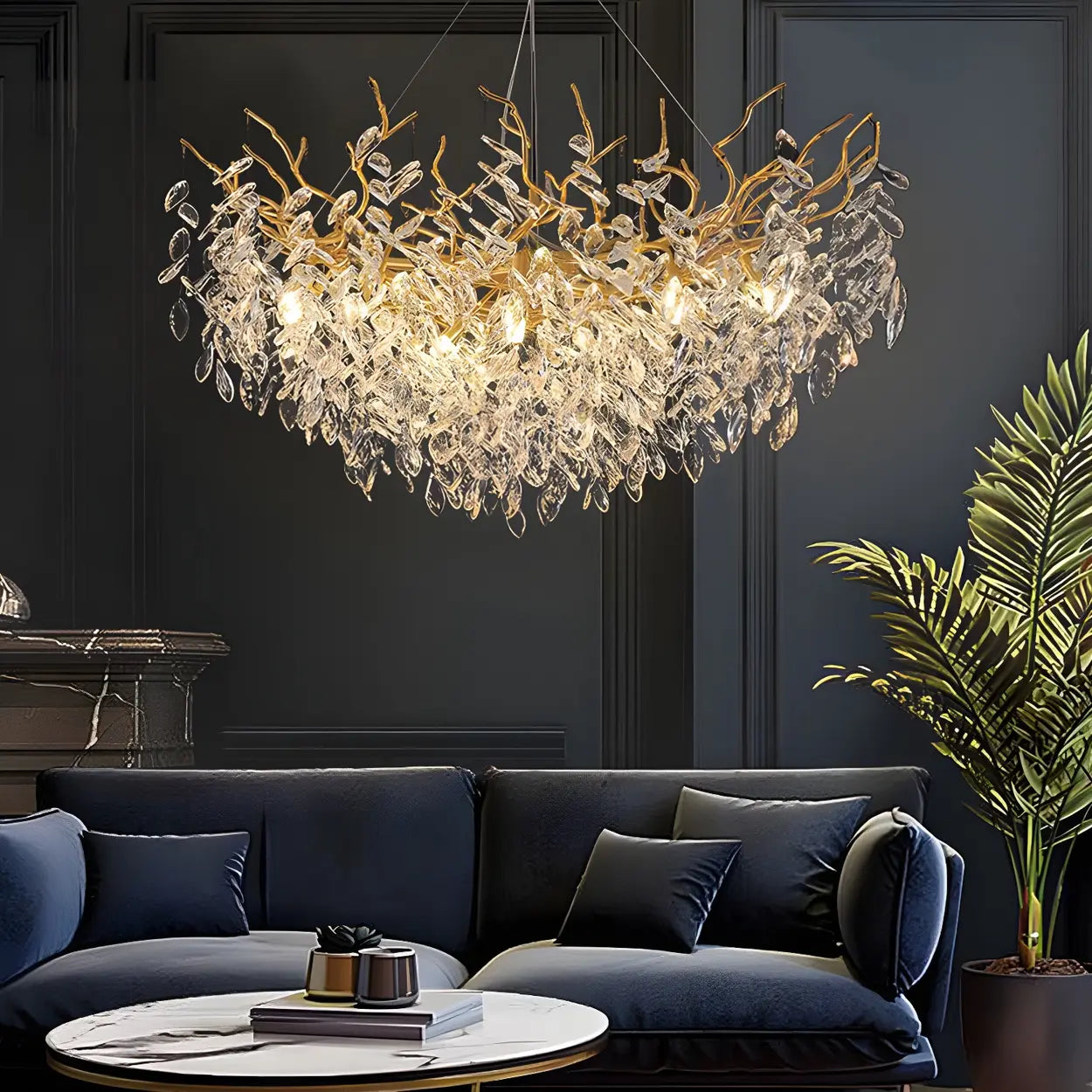
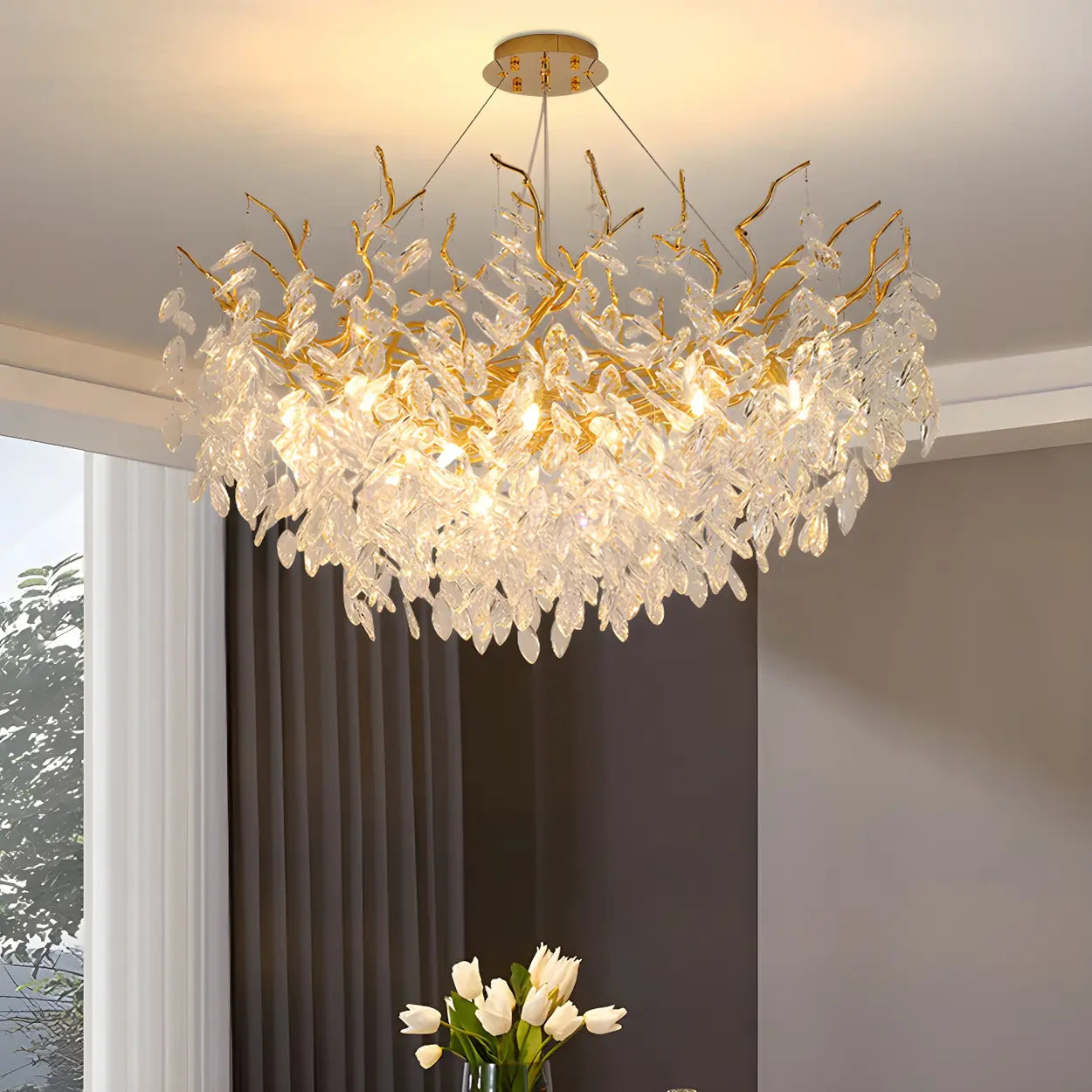
A chandelier can visually anchor the dining table and add another focal point above the centerpiece. Browse styles ranging from modern and sculptural to decorative traditional designs.
Shop ChandeliersProduct Picks for Different Dining Room Looks

Contemporary Round Stone Top Pedestal Dining Table
The centered pedestal and round stone top create a clean foundation for a compact floral arrangement, sculptural vase, or bowl. The circular shape also makes it easy to create a balanced centerpiece visible from every seat.
View This Dining Table
Modern Upholstered Curved Back Armless Dining Chair
A curved upholstered chair can soften the straight lines of a dining table while adding texture around the perimeter. Its armless profile is also useful when you want the table setting to remain visually open.
View This Dining Chair
Natural Bohemian Woven Rattan Dome Pendant Light
Woven rattan introduces texture above the table without using tabletop space, making it especially useful for relaxed, organic, coastal, or bohemian dining rooms.
View This Pendant LightCreate a Dining Room You Want to Gather In
The best dining room table decor starts with a strong foundation. Choose a table that fits your room, add comfortable chairs, define the space with lighting, and then finish the look with a centerpiece and a few thoughtful layers.
You do not need to redesign everything at once. Even changing one major element—such as the table, chairs, or light fixture—can give you a new starting point for the entire room.
Ready to refresh your dining space? Explore Homebaa's current seasonal offers on furniture and lighting, including dining-room pieces selected for the Fall Refresh Sale.
Explore the Fall Refresh SaleFAQ: How to Decorate a Dining Room Table
What should I put on my dining room table for decoration?
For everyday decorating, start with one focal point such as a vase, decorative bowl, plant, candle grouping, or tray. Add a runner or placemats if you want more texture. The table does not need to be fully set when it is not being used for a meal.
How do I decorate a dining table when it is not in use?
Keep the arrangement simple enough to look intentional from across the room. A large vase, bowl, or grouped tray works well. On a long table, you can use two or three coordinated pieces instead of one very small centerpiece.
What is the best centerpiece for a dining room table?
The best centerpiece depends on the table size and how often you use it. Vases, flowers, branches, bowls, candles, greenery, and decorative trays are all practical choices. For a frequently used table, choose something that is easy to move.
How tall should a dining table centerpiece be?
There is no single ideal height for every centerpiece. What matters most is maintaining comfortable conversation. Low arrangements should stay below the main sightline, while taller arrangements should feel visually open enough that diners can still see one another.
How do I decorate a round dining table?
Round tables usually look balanced with one central arrangement, such as a vase, bowl, or compact group of candles. Circular placemats and a round chandelier can reinforce the shape without adding clutter.
How do I decorate a rectangular dining table?
A runner can help organize a rectangular table visually. Place one larger centerpiece in the middle or repeat several low objects along the length. Long tables often benefit from distributed decor rather than one undersized object.
Should I use a table runner every day?
You can, but it is not necessary. A runner is useful when you want to add color, softness, or a visual path along a rectangular table. If the tabletop has attractive wood grain or stone veining, leaving more of the surface exposed may look better.
Should placemats stay on a dining table all the time?
That is mainly a style and maintenance choice. Placemats can make an everyday table look organized and help protect the surface, but removing them can create a cleaner, more minimal appearance when the table is not in use.
How can I make my dining table look more modern?
Reduce the number of small decorative objects and use fewer pieces with stronger shapes. A sculptural vase, simple bowl, neutral runner, contemporary dining chairs, and clean-lined pendant or chandelier can create a more modern look.
How can I decorate a small dining room table?
Use one compact centerpiece and preserve as much usable surface as possible. Instead of adding more objects to the table, introduce style through the chairs, pendant lighting, wall decor, or a rug surrounding the dining area.
Do my dining chairs need to match my dining table?
No. The pieces should feel connected, but they do not have to be part of a matching set. You can create contrast through material, color, or shape as long as the proportions work together and repeated elements elsewhere in the room create visual continuity.
How can I decorate my dining table for different seasons without buying new decor every time?
Keep a neutral foundation, such as a favorite vase, bowl, tray, or runner, and change smaller details. Fresh flowers in spring, light greenery in summer, branches and warm colors in fall, and evergreen or metallic accents in winter can refresh the table without replacing the entire arrangement.
How do I make a dining room table look expensive?
Focus on proportion, restraint, and material consistency rather than the number of decorations. A clean tabletop, one substantial centerpiece, coordinated textiles, comfortable dining chairs, and well-scaled lighting often create a more polished effect than many unrelated accessories.
Should the dining table centerpiece match the chandelier?
They do not need to match exactly. A better approach is to create a connection through shape, finish, or visual weight. For example, a warm metal chandelier can relate to small brass accents on the table, while a round fixture can echo a round vase or dining table.
How do I decorate a dining table without making it look cluttered?
Choose one primary focal point and limit the number of supporting objects. Group small accessories together instead of scattering them across the tabletop, and leave visible empty space around the arrangement. If the table is used every day, make sure the decor can be moved easily.