








![10 Best Floor Lamp for Reading [2026 Review]](http://www.homebaa.com/cdn/shop/articles/banner_c990b0a4-4743-4902-b6be-5609f7a21a90.webp?v=1766393057&width=400)



![How to Choose the Coffee Table Height? [2026 Newest Guide]](http://www.homebaa.com/cdn/shop/articles/coffee-table-height_2a1fd127-359f-4d5f-9ac1-3b232c7092a9.webp?v=1788166652&width=400)


A dining table can look perfectly chosen on its own, yet the room may still feel unfinished until the right rug is underneath it. A rug defines the dining zone, adds softness underfoot, protects the floor, and helps the table and chairs feel like one complete arrangement. The challenge is choosing a size that remains comfortable when people pull their chairs out.
So, what size rug should go under a dining table? The most reliable rule is to choose a rug that extends at least 24 inches beyond every side of the table. For a more comfortable dining setup, especially with larger chairs or frequent entertaining, allow about 30 inches of extra rug on each side. This gives the chair legs room to stay on the rug when guests sit down and stand up.
The right dining room rug size depends on table length, table width, table shape, chair size, room dimensions, and whether the table sits in an open-concept area. A 6-seat rectangular dining table may need an 8 by 10 foot rug, while a large 8-seat table may look and function better on a 9 by 12 or 10 by 14 foot rug. Round tables need round or square rugs that follow the same clearance principle.
This guide explains how to measure a rug under a dining table, which rug sizes work for 4, 6, 8, and 10 seats, how to match rug shape to table shape, and how to avoid common sizing mistakes. You will also find Homebaa dining table and chair recommendations to help you build a coordinated dining space.
Quick Jump Links
- Quick Answer: Dining Table Rug Size
- The 24–30 Inch Clearance Rule
- Dining Table Rug Size Chart
- How to Measure for a Rug Under a Dining Table
- Best Rug Shape for Each Dining Table Shape
- How Chair Clearance Changes the Rug Size
- How Room Size and Open Floor Plans Affect Rug Choice
- Best Rug Materials and Pile Heights for Dining Rooms
- Common Dining Room Rug Sizing Mistakes
- Recommended Homebaa Dining Tables and Chairs
- Final Buying Checklist
- FAQ
Quick Answer: What Size Rug Goes Under a Dining Table?
Choose a dining room rug that extends at least 24 inches beyond the table on all four sides. If your chairs are wide, have arms, or move frequently, 30 inches of extra rug space is more comfortable.
For many American dining rooms, the most common pairings are:
- Small 4-seat rectangular table: 6 by 9 feet minimum; 8 by 10 feet for a more generous fit.
- Standard 6-seat rectangular table: 8 by 10 feet.
- Large 6- to 8-seat rectangular table: 9 by 12 feet.
- 8- to 10-seat rectangular table: 10 by 14 feet or larger, depending on the room.
- Small round table: 6 by 6 feet or a 6-foot round rug.
- Medium round table: 8 by 8 feet or an 8-foot round rug.
- Large round table: 9 by 9 or 10 by 10 feet, or a 9- to 10-foot round rug.
Fast calculation: add 48 to 60 inches to both the length and width of your dining table. The result is a practical rug size that lets dining chairs remain on the rug when pulled away from the table.
For example, a 60-inch-long by 36-inch-wide table needs a rug around 108 to 120 inches long and 84 to 96 inches wide. That places an 8 by 10 foot rug in the correct range.
The 24–30 Inch Clearance Rule
The most important part of rug sizing is not the visible area beneath the tabletop. It is the space behind every chair. When a person sits down, the chair moves backward. If the back legs leave the rug, the chair can catch on the edge, rock on an uneven surface, or create a visually unfinished border.
Why 24 inches is the minimum
Twenty-four inches of rug beyond the table usually gives a standard dining chair enough room to slide out while keeping all four legs on the rug. It is a useful minimum for compact rooms, smaller chairs, and dining areas where a larger rug would interfere with a walkway.
Why 30 inches feels more comfortable
Thirty inches beyond the tabletop gives guests more freedom to move their chairs. It works particularly well with upholstered chairs, armchairs, wide seats, benches, or tables used for long meals and entertaining. The extra border also makes the rug feel intentional instead of narrowly fitted to the tabletop.
When you may need more than 30 inches
Allow more space when the dining chairs have arms, the table has a deep apron, or the room includes a wall, cabinet, or island close behind the chairs. In those cases, the rug must accommodate both chair movement and the available walking path. A smaller table or a different furniture layout may be better than forcing a rug into a crowded room.
| Rug Border Beyond Table | Best Use | What to Watch For |
|---|---|---|
| 18–20 inches | Very compact spaces or decorative-only layouts | Chair legs may leave the rug when pulled out |
| 24 inches | Reliable minimum for everyday dining | Measure chair depth and surrounding walkways carefully |
| 30 inches | Comfortable dining, upholstered chairs, entertaining | Confirm the rug does not block doors or nearby furniture |
| 36 inches or more | Large rooms, formal dining areas, wide armchairs | May require a 10 by 14 foot or larger rug |
Dining Table Rug Size Chart
Use the chart below as a starting point, then verify the exact table and chair dimensions. The recommended rug size assumes that chairs need to move out from the table and remain supported by the rug.
| Dining Table Size and Seating | Recommended Rug Size | Common Table Shape |
|---|---|---|
| 36–48 inch table for 2–4 people | 6 by 6 feet, 6-foot round, or 6 by 9 feet | Round, square, or small rectangle |
| 48–60 inch table for 4–6 people | 8 by 10 feet | Rectangle or oval |
| 60–72 inch table for 6 people | 8 by 10 or 9 by 12 feet | Rectangle or oval |
| 72–84 inch table for 6–8 people | 9 by 12 feet | Rectangle or oval |
| 84–96 inch table for 8–10 people | 10 by 14 feet | Rectangle or oval |
| 48–60 inch round table | 8 by 8 feet or 8-foot round | Round |
| 60–72 inch round table | 9 by 9 or 10 by 10 feet | Round |
Rug size for a 4-person dining table
A 4-person table is often compact enough for a 6 by 9 foot rug, especially when the table is rectangular and the chairs are narrow. If the table is round or square, a 6-foot round or 6 by 6 foot rug can create a balanced conversation area. Choose 8 by 10 feet when the room is large enough and you want a wider border around the chairs.
Rug size for a 6-person dining table
An 8 by 10 foot rug is the most common choice for a standard 6-seat rectangular dining table. It provides enough length for chairs at both ends and enough width for the side chairs to remain on the rug. If the table is close to 72 inches long, the chairs are wide, or the room is open, a 9 by 12 foot rug offers more comfortable clearance.
Rug size for an 8-person dining table
For an 8-person table, a 9 by 12 foot rug is a practical starting point. If the table is 84 inches or longer, or if it has large upholstered armchairs, consider a 10 by 14 foot rug. The larger size also helps define a formal dining zone in a spacious room.
Rug size for a 10-person dining table
A 10 by 14 foot rug usually works well under a 10-seat table, but measure the full chair footprint before buying. Very long tables may need a 12 by 15 foot rug, especially when the dining room has generous proportions and the rug needs to extend beyond the chair backs without touching walls.
How to Measure for a Rug Under a Dining Table
A few minutes with a tape measure can prevent an expensive sizing mistake. Measure the table, the chairs, and the surrounding room as one complete dining arrangement.
Step 1: Measure the tabletop
Record the table’s length and width or its diameter. If the table is extendable, measure both the closed and fully extended sizes. The rug should work for the table’s most common everyday configuration, but you may need a larger rug if you frequently add leaves or host larger gatherings.
Step 2: Add chair movement on every side
Add at least 24 inches to each side of the table. For a 60 by 36 inch rectangular table, the minimum calculation is 108 by 84 inches. That equals 9 by 7 feet, so an 8 by 10 foot rug is a practical standard size with a little extra room.
Step 3: Measure the chair depth and arm width
Pull one chair out as far as a guest would normally sit, then measure from the table edge to the back of the chair. Armchairs may need more side-to-side space than armless chairs. If the chairs are unusually deep, use the chair measurement rather than relying only on the 24-inch rule.
Step 4: Mark the rug footprint
Use painter’s tape to mark the proposed rug size on the floor. Place the table and chairs inside the outline, pull the chairs out, and walk around the arrangement. This makes it easy to see whether the rug will touch a wall, cover a doorway, or interrupt a kitchen path.
Step 5: Account for rug pad thickness
A rug pad improves comfort and helps prevent slipping, but it can add height at the edge. Choose a low-profile pad designed for the rug and floor type. A thick edge can catch chair legs, especially on hard flooring, so the pad should stay flat and fully beneath the rug.
Step 6: Check doors and nearby furniture
Open every door that may cross the rug, including a patio door, pantry door, or cabinet door. Make sure the rug does not prevent drawers from opening or make a dining chair collide with a sideboard. The final rug size must work with the room’s real movement patterns, not only the table footprint.
Best Rug Shape for Each Dining Table Shape
Rectangular dining table
A rectangular rug is the natural match for a rectangular table. It follows the table’s long lines and gives chairs at both ends the same amount of support as the side chairs. An 8 by 10 foot rug typically suits a table around 48 to 60 inches long, while a 9 by 12 or 10 by 14 foot rug works better for longer tables.
Round dining table
A round rug under a round dining table creates a centered, harmonious look. The rug should be at least 48 to 60 inches wider than the table’s diameter. For a 48-inch round table, an 8-foot round rug provides a generous 24-inch border. A square rug can also work when a round rug is hard to find or when the room has strong architectural lines.
Square dining table
A square rug usually pairs well with a square table because it repeats the table’s geometry. Choose a rug that extends 24 to 30 inches beyond all four sides. A round rug can soften the arrangement, but it should be large enough that every chair remains on the rug when pulled away.
Oval dining table
An oval table can use either a rectangular or oval rug. A rectangular rug provides a more structured look and is easier to source in larger sizes. An oval rug echoes the tabletop and creates softer edges in a room that needs more circulation around the chairs.
Irregular or sculptural dining table
For a free-form table, choose a rug based on the table’s widest points and the chair layout. A simple rectangular rug can provide visual stability under a sculptural tabletop, while a round rug can emphasize a central pedestal base. Avoid a rug that is only slightly larger than the table because irregular edges make chair placement less predictable.
How Chair Clearance Changes the Rug Size
Dining chairs determine the usable rug size more than the tabletop alone. Two tables with the same dimensions can need different rugs when one uses slim armless chairs and the other uses deep upholstered armchairs.
Armless dining chairs
Armless chairs are usually easier to fit because they can sit closer together and require less side-to-side space. A 24-inch border beyond the table may be enough for a compact arrangement, provided the chairs do not have unusually deep seats.
Dining chairs with arms
Armchairs often need additional width at the ends of the table. Check the arm height and width before selecting a rug. The arms should not hit the table apron when guests pull the chairs in, and the rug should extend far enough behind the chair for all legs to remain supported.
Upholstered chairs
Upholstered dining chairs can be deeper than wood or metal chairs. Their soft backs may also encourage guests to sit farther away from the table. If you use padded chairs for long meals, a 30-inch rug border is often more comfortable than the minimum 24-inch border.
Benches on one side
A bench may slide under the table when not in use, but it still needs rug space when pulled out. Measure the bench depth and add that distance to the table side. A bench can make a long rectangular dining arrangement more flexible, but it should not be used as a reason to choose a rug that is too narrow.
Mixed chairs
When a dining set combines armchairs, side chairs, and a bench, size the rug for the largest seating piece. This prevents the largest chair from sitting partly on and partly off the rug. A slightly larger rug also creates a more unified look when the chairs are intentionally different.
How Room Size and Open Floor Plans Affect Rug Choice
Small dining rooms
In a small dining room, the rug should define the table without making the room feel blocked. Start with the 24-inch border, then check the space between the rug edge and the walls. If the rug nearly touches every wall, consider a smaller table, a narrower chair, or a layout without a rug. A rug that is technically large enough but leaves no visual breathing room may make the room feel crowded.
Open-concept dining areas
In an open floor plan, a rug helps separate the dining area from the kitchen or living room without using a wall. Make the rug large enough to include the table and all chairs, then keep the rug edges aligned with the main furniture lines. A rectangular rug can visually connect to a kitchen island, while a round rug can mark a separate conversation-focused dining zone.
Best Rug Materials and Pile Heights for Dining Rooms
Rug size is the first decision, but the material affects how well the rug works under a dining table. Food crumbs, chair movement, spills, and frequent cleaning all matter in a dining area.
Low-pile rugs
Low-pile rugs are usually the easiest choice for dining rooms. Chair legs move more smoothly across a short surface, and the rug is less likely to catch on the legs. A low pile also makes it easier to slide a chair in and out during everyday meals.
Flatweave rugs
Flatweave rugs have a thin profile and a practical feel. They work well beneath dining tables because they reduce tripping risk and are often easier to vacuum. Add a non-slip rug pad if the floor is smooth or the rug shifts when chairs move.
Washable and performance rugs
Washable or stain-resistant designs can be useful for households with children, pets, or frequent entertaining. Confirm the care instructions and the actual finished size before buying. A washable rug may need a compatible pad that can also be removed and cleaned.
Wool and natural fibers
Wool provides texture and resilience, while jute and other natural fibers add a relaxed, organic appearance. Natural fibers can shed or have a more uneven surface, so check that chair legs move comfortably. Avoid a heavily textured rug if the table and chairs are already visually busy.
Common Dining Room Rug Sizing Mistakes
Mistake 1: Choosing a rug based only on the tabletop
A rug that covers the table but ends under the chair legs will feel too small in daily use. Always include the pulled-out chair footprint in your measurement.
Mistake 2: Using a 5 by 7 foot rug for a standard 6-seat table
A 5 by 7 foot rug may look fine in a staged photo, but it rarely provides enough depth for chairs around a standard dining table. It is better suited to a small breakfast table, a decorative layer, or a table with fixed bench seating.
Mistake 3: Forgetting the extended table size
If you regularly open an extendable table, size the rug for the extended arrangement. Otherwise, the end chairs may sit off the rug whenever guests arrive.
Mistake 4: Ignoring chair arms
Armchairs need more room than narrow side chairs. Measure the widest chair in the set and use it to determine the rug’s minimum border.
Mistake 5: Letting the rug block a door
A dining rug can be the correct size for the table but wrong for the room. Check every door swing, cabinet, drawer, and walkway before ordering.
Mistake 6: Choosing a thick pile for appearance alone
A plush rug may look inviting, but it can make dining chairs harder to move. In a dining room, practical chair movement usually matters more than extra pile height.
Recommended Homebaa Dining Tables and Chairs
Once you know the rug size, choose a dining table and chairs that fit the same room proportions. Homebaa’s dining table collection includes rectangular, round, oval, extendable, pedestal, wood, stone, and marble-look styles. The dining chair collection adds upholstered, leather, faux leather, wood, swivel, arm, and armless seating options.

Dining Tables
Compare rectangular, round, oval, extendable, pedestal, wood, stone, and marble-look tables before calculating the rug clearance around your dining set.
Shop Dining Tables
Walnut Round Pedestal Dining Table
The round tabletop and centered pedestal create a natural starting point for an 8-foot or 9-foot round rug in a compact dining room or breakfast nook.
View the Round Dining Table
Walnut Solid Pine Rectangular Dining Table
Multiple lengths make it easier to match the table to an 8 by 10, 9 by 12, or larger rug while keeping chair clearance comfortable.
View the Rectangular Dining Table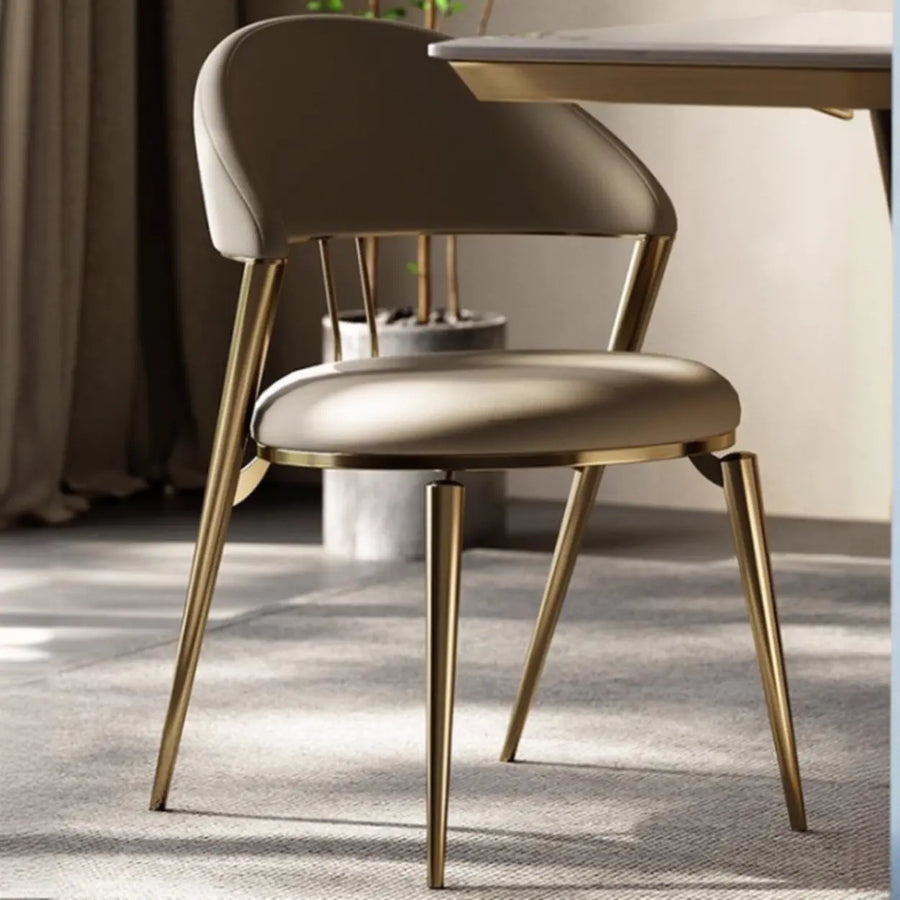
Dining Chairs
Choose the seating first or confirm chair depth before finalizing the rug. Armchairs and upholstered chairs may require a larger rug border than slim armless chairs.
Shop Dining ChairsWhen you compare products, note the table length, width, shape, chair width, arm height, and the amount of space available around the set. These measurements make the rug decision more accurate than choosing a size by appearance alone.
Final Buying Checklist Before You Choose a Dining Room Rug
Before you order a rug for under your dining table, use this checklist:
- Table size: measure the length and width or diameter, including the extended size if applicable.
- Chair clearance: allow at least 24 inches beyond every side; use about 30 inches for wide or upholstered chairs.
- Rug size: start with 8 by 10 feet for many 4- to 6-seat tables and 9 by 12 feet for larger 6- to 8-seat tables.
- Shape: match rectangular rugs to rectangular tables and round rugs to round tables, unless the room layout calls for contrast.
- Room fit: leave walking space around the rug and check door, cabinet, and sideboard clearances.
- Material: choose a low-pile or flatweave rug that allows chairs to slide easily.
- Rug pad: use a low-profile non-slip pad that stays completely beneath the rug.
- Visual balance: make sure the rug is large enough to define the dining zone without touching every wall.
The best rug under a dining table is large enough for comfortable chair movement and proportionate enough to make the dining area feel intentional. Measure the furniture first, then choose the rug size, shape, and material that fit how your household actually uses the room.
FAQ: What Size Rug Goes Under a Dining Table?
How much bigger should a rug be than a dining table?
A rug should usually extend at least 24 inches beyond each side of the dining table. For wider chairs, armchairs, or frequent entertaining, 30 inches of extra rug space is more comfortable.
What size rug goes under a 6-person dining table?
An 8 by 10 foot rug works for many standard 6-person rectangular dining tables. If the table is close to 72 inches long or uses deep upholstered chairs, a 9 by 12 foot rug may fit better.
What size rug goes under a 4-person dining table?
A 6 by 9 foot rug can work under a compact rectangular 4-person table. A 6-foot round rug or 6 by 6 foot square rug can suit a small round or square table.
What size rug goes under an 8-person dining table?
A 9 by 12 foot rug is a practical starting point for an 8-person dining table. Use a 10 by 14 foot rug when the table is long, the chairs are wide, or the room has generous floor space.
What size rug goes under a 10-person dining table?
Many 10-person tables need a 10 by 14 foot rug or larger. Measure the fully extended table and the pulled-out chairs before choosing the final size.
What size round rug goes under a round dining table?
Choose a round rug that is 48 to 60 inches wider than the table diameter. For example, a 48-inch round table often pairs well with an 8-foot round rug.
Can I use a rectangular rug under a round dining table?
Yes. A square or rectangular rug can work under a round table when it extends far enough for all chairs. A round rug creates a more coordinated look, while a rectangular rug may fit the room more efficiently.
Should all dining chair legs stay on the rug?
Ideally, yes. When guests pull out their chairs, all four legs should remain on the rug to prevent rocking and make movement easier.
Is 6 by 9 feet large enough for a dining table?
A 6 by 9 foot rug can be large enough for a compact 4-person rectangular table. It is usually too small for a standard 6-person table unless the chairs are very narrow and the layout is unusually tight.
Is 8 by 10 feet a good dining room rug size?
Yes. An 8 by 10 foot rug is one of the most versatile sizes for a 4- to 6-seat rectangular dining table. Confirm the table dimensions and chair depth before ordering.
How far should a rug extend from the dining table?
Allow at least 24 inches from the table edge to the rug edge on every side. Use approximately 30 inches when the chairs are deep, padded, or fitted with arms.
Should a dining rug be centered under the table?
Usually, yes. Center the rug under the tabletop and align it with the room’s main furniture lines. If the table is intentionally offset, center the rug with the table rather than the room.
Can a dining rug be under a sideboard too?
It can, provided the sideboard doors and drawers open freely and the rug remains flat. In a smaller room, keep the rug focused on the table and chairs so the space does not feel crowded.
What rug pile is best under a dining table?
Low-pile and flatweave rugs are usually best because chair legs slide more easily and the edges are less likely to catch. High-pile rugs can be harder to use with movable dining chairs.
Do I need a rug pad under a dining room rug?
A rug pad is recommended on most hard floors. Choose a low-profile non-slip pad that is slightly smaller than the rug so the edges lie flat and chairs do not catch on a thick border.