








![10 Best Floor Lamp for Reading [2026 Review]](http://www.homebaa.com/cdn/shop/articles/banner_c990b0a4-4743-4902-b6be-5609f7a21a90.webp?v=1766393057&width=400)



![How to Choose the Coffee Table Height? [2026 Newest Guide]](http://www.homebaa.com/cdn/shop/articles/coffee-table-height.webp?v=1766393873&width=400)




The empty space behind a sofa often feels unfinished in a living room layout. While a standard console table is traditional, choosing a functional sofa table alternative adds specific utility like workspace or extra storage. This simple change maximizes your floor plan and helps define zones within an open space without needing custom furniture.
Table of Contents

Writing Desk
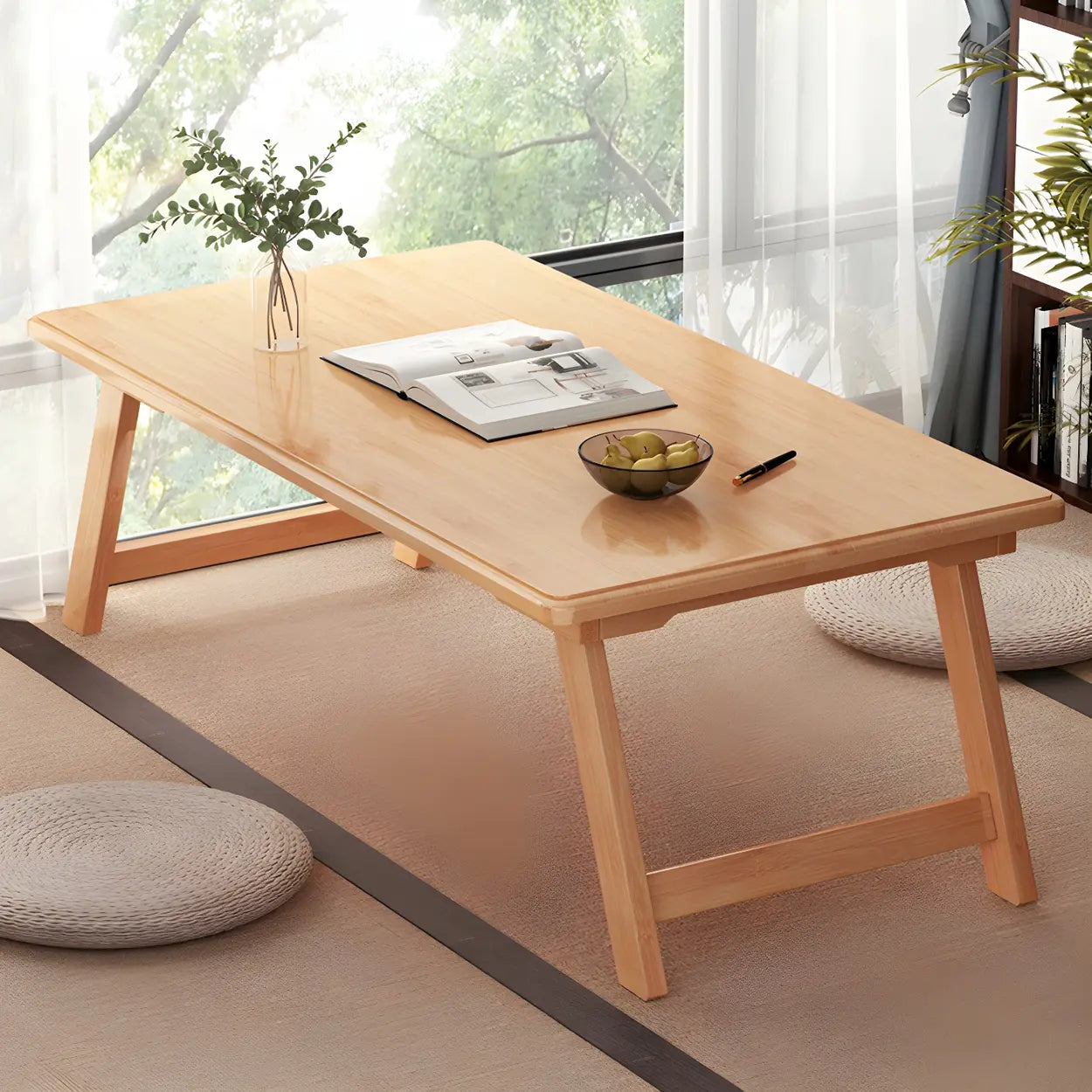
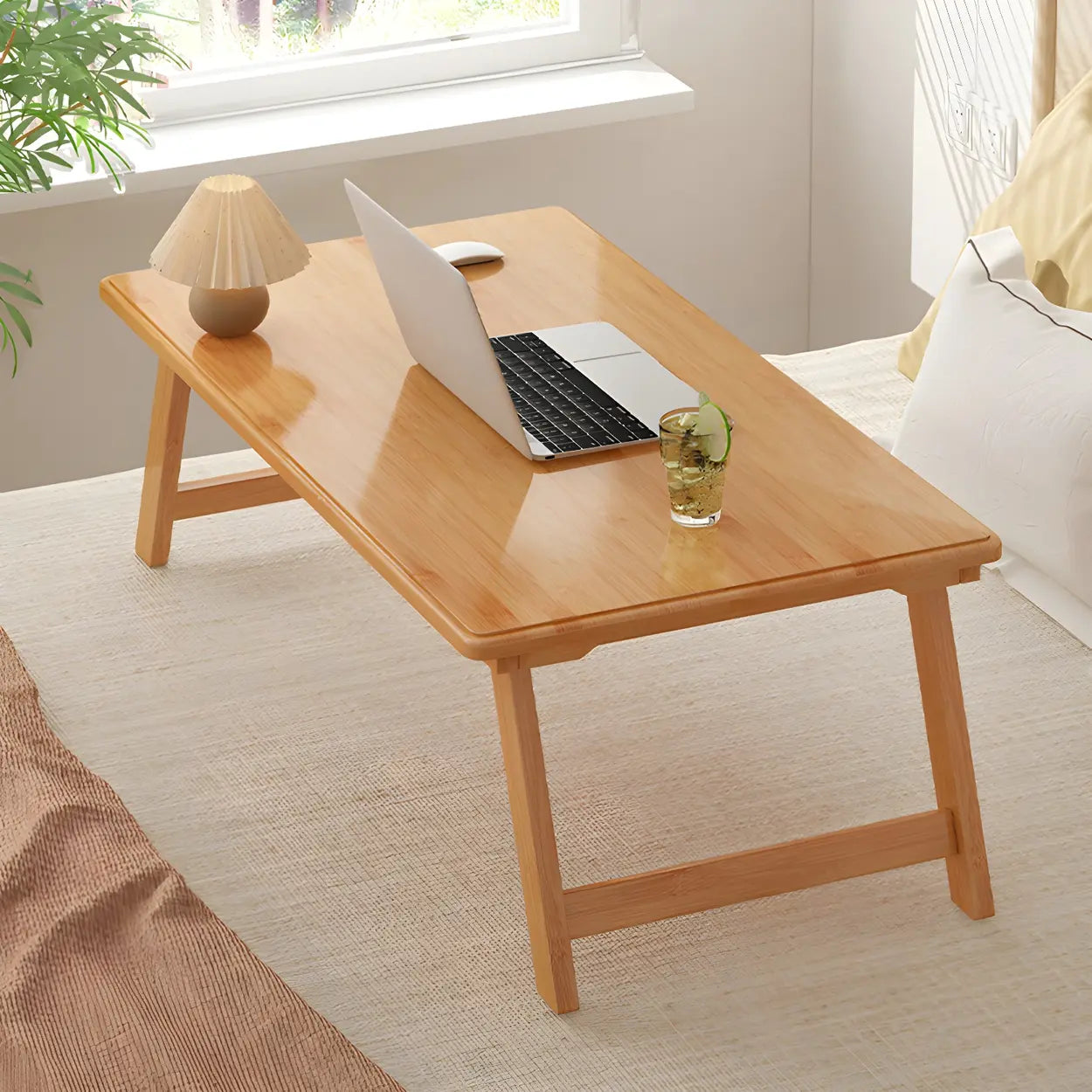
Placing a writing desk behind your sofa integrates a workspace into the living room without requiring a separate office. Select a slim desk with a finished back to ensure it looks good from all angles. This setup offers a functional surface for laptops or notebooks while allowing you to remain connected with the rest of the household.
Low Bookshelves
Low bookshelves are suitable for spaces where you want to preserve sightlines across the room. This option works in open floor plans where blocking the view would make the space feel cramped. The shelves hold books, vinyl records, or storage bins while keeping visual weight close to the ground. You can place two identical units side-by-side to match the sofa's length and create balanced storage on both ends.


Sideboard or Buffet
A sideboard is appropriate when you need concealed storage for items like board games, electronics, or seasonal decorations. These pieces work well in family rooms where visible clutter needs to be minimized. Because sideboards are often deeper than standard tables, measure your walkway to ensure cabinet doors can open fully without blocking passage. The wide top surface accommodates table lamps or decorative items, while the cabinets keep everyday items out of sight.
Entryway Benches
An entryway bench suits minimalist spaces or rooms where floor space is limited. This option provides extra seating when guests visit while maintaining a low profile that doesn't dominate the room. The bench can hold folded blankets or a stack of magazines when not serving as a seat. This solution works particularly well in smaller living rooms where a full-sized furniture piece would feel too heavy.


Rolling Bar Cart
A rolling bar cart is useful in spaces where flexibility matters more than permanent storage. This setup works well with smaller sofas or in homes where entertaining happens in multiple rooms. The cart's mobility allows you to move it to the kitchen or dining area during gatherings, then return it behind the sofa for everyday use. The metal or wood construction adds textural variety to the room while serving a specific function.
Floating Shelves
Floating shelves are practical when floor space needs to remain completely open. This approach suits homes with active children or pets, where clear floors make cleaning easier. Install the shelves at the height of the sofa back to create a ledge for picture frames, small plants, or decorative objects. Ensure the shelves are anchored securely to wall studs to support the weight of your items safely.


Bar Table
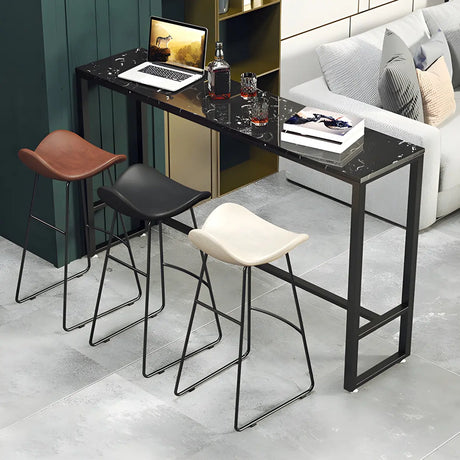
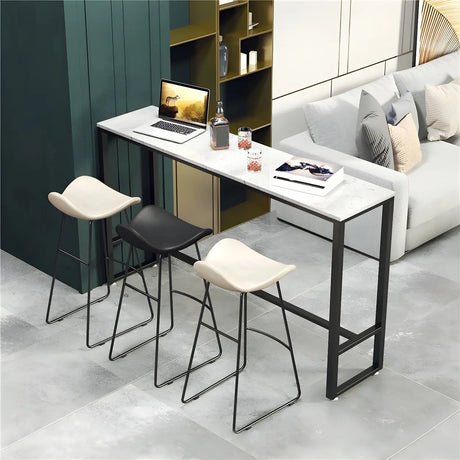
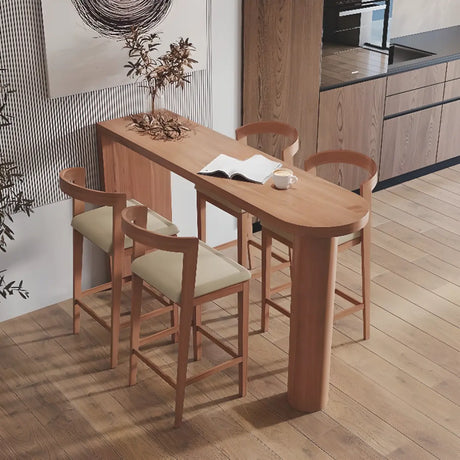
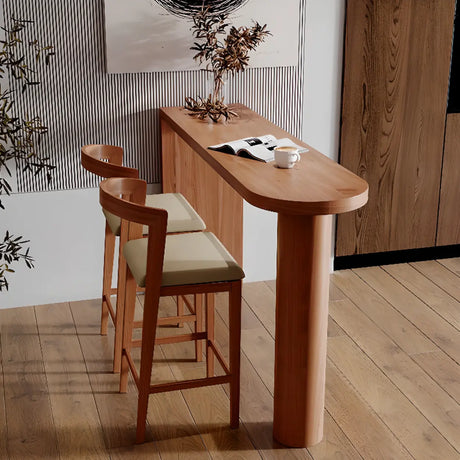
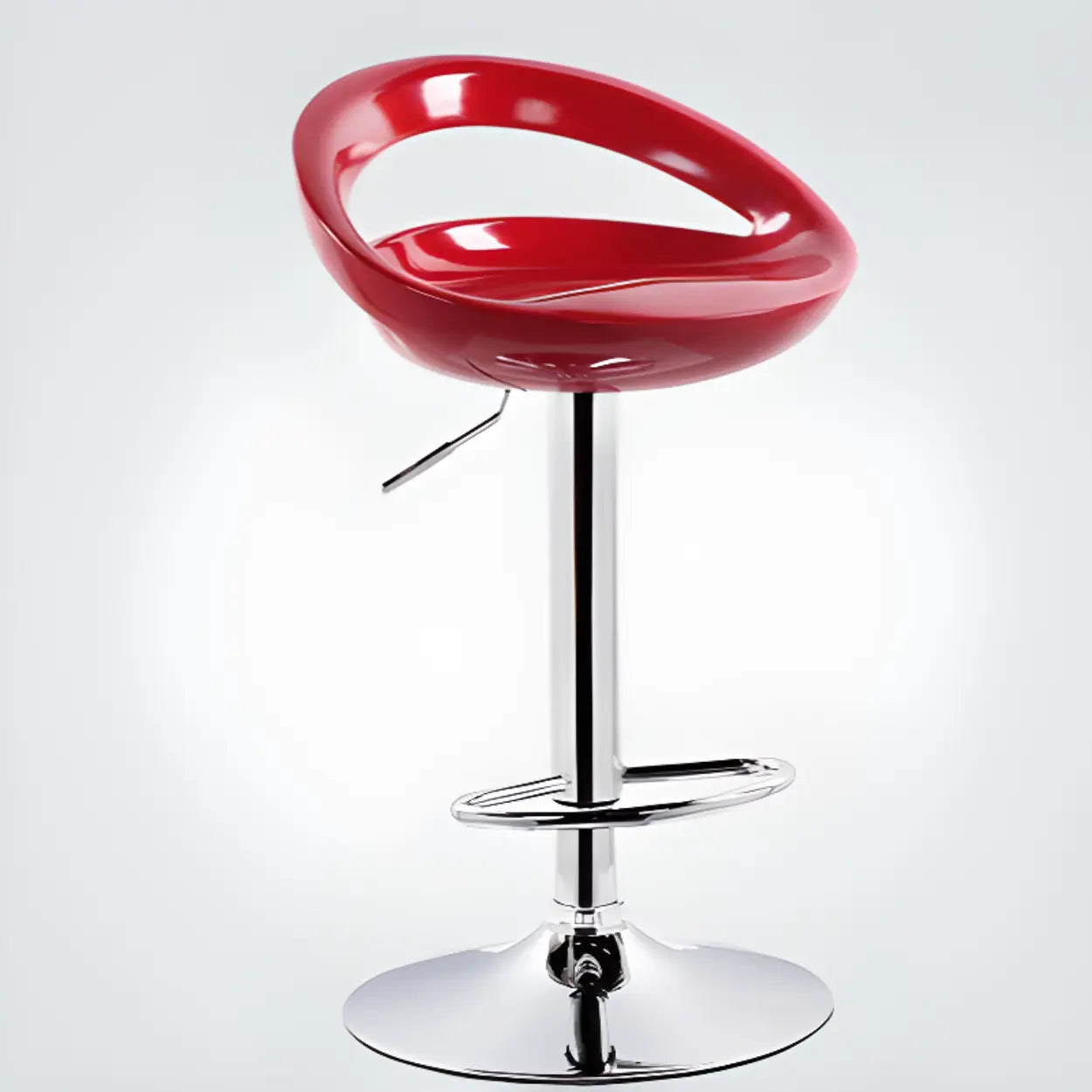
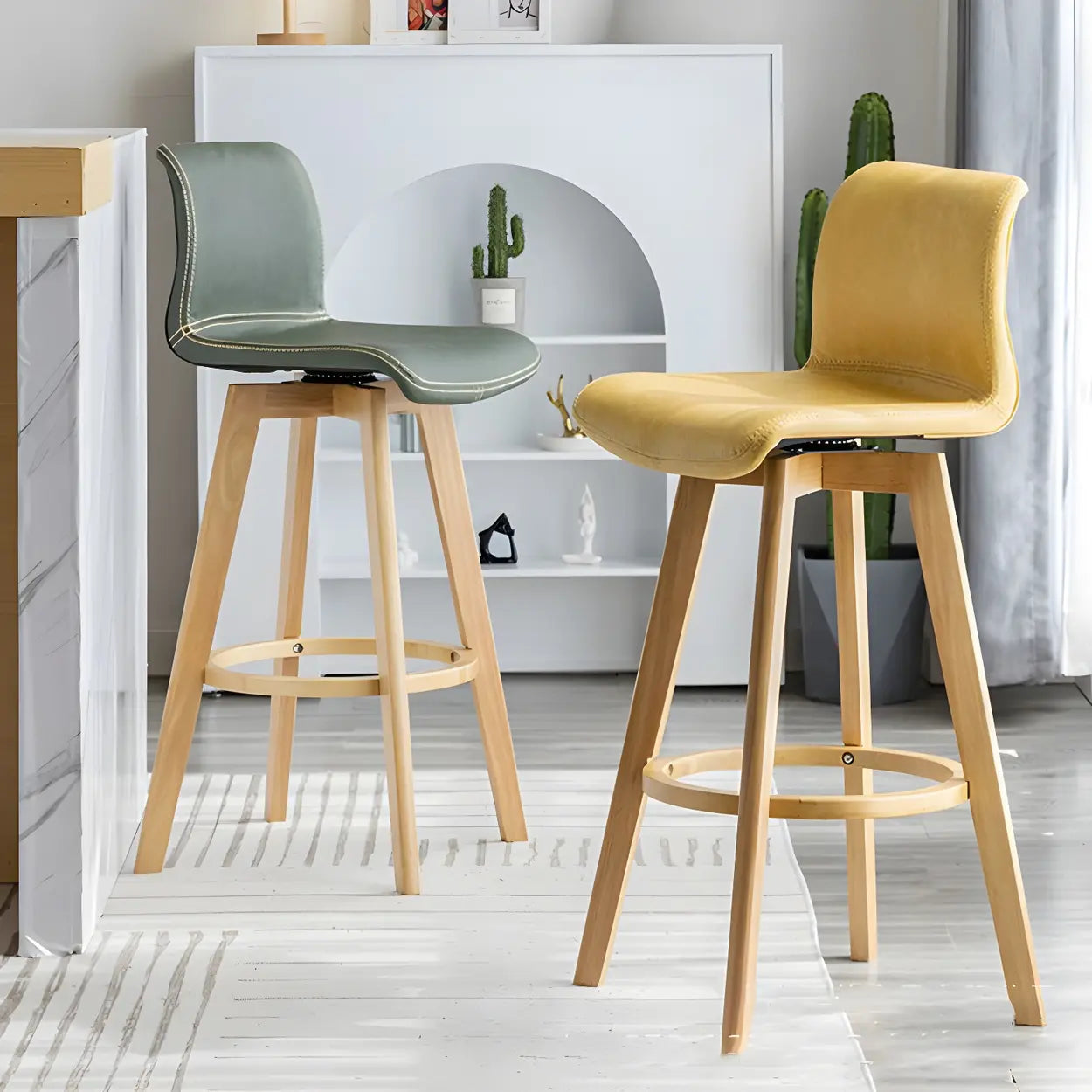
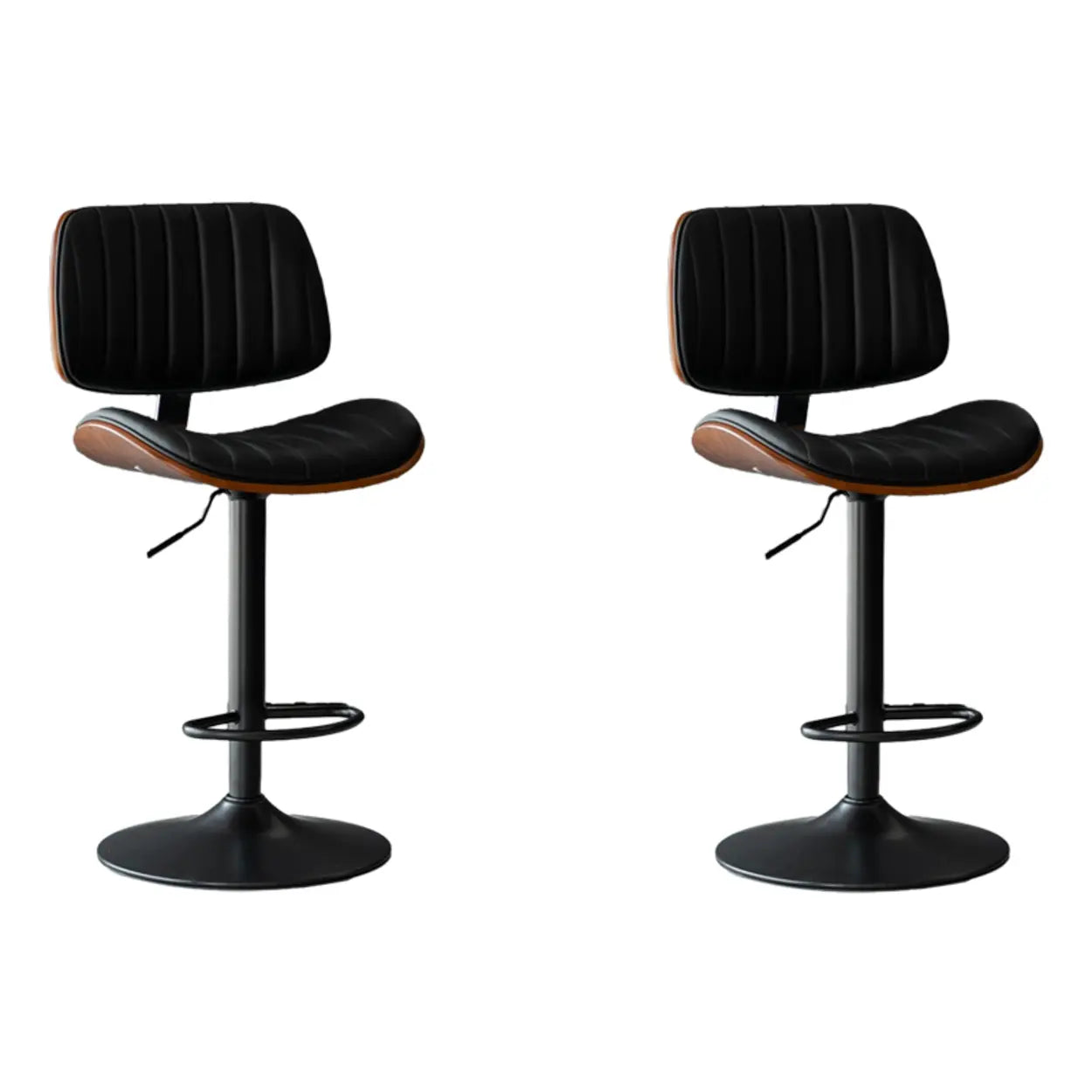
A bar table creates a seating arrangement behind the couch that allows for eating or watching television. This setup is popular in basements or small apartments where the living area also functions as a dining space. Select stools that fit completely under the table surface to keep the walkway clear when they are not in use.
End & Side Tables
Two matching end tables spaced apart offer flexibility without the commitment of a single large piece. This arrangement works when you anticipate rearranging your furniture layout or when you need the ability to adjust spacing. Place a tall plant or decorative basket in the gap between the tables to complete the look. The separate tables can be repositioned easily if your needs or room configuration change over time.


Dressers
A dresser provides deep storage drawers that are useful for hiding electronics, toys, or paperwork in a shared living space. Because they are heavy and solid, dressers work well as room dividers in open floor plans. This option suits households with children or in multipurpose rooms where organization is necessary. Check that the back panel is finished, or paint it if the dresser is visible from the center of the room.
Conclusion
The area behind your couch has potential for both style and utility. Selecting the right sofa table alternative depends on your needs, such as extra storage or a dedicated workspace. When upgrading your living space, consider Homebaa for furniture that offers a wide variety of styles, durable quality, and affordable prices to suit your home.
Frequently Asked Questions
How tall should a bar table be behind a sofa?
How tall should a bar table be behind a sofa?
A bar table should be taller than the sofa back for comfortable use. Standard bar height is about 40 to 42 inches. Make sure the stools allow enough legroom between the seat and the underside of the tabletop.
How much walkway space do I need behind furniture?
How much walkway space do I need behind furniture?
Allow at least 30 to 36 inches for a clear walkway. If drawers or doors open into the space, increase clearance to around 40 inches for comfortable movement.
Can I use a dresser as a sofa table?
Can I use a dresser as a sofa table?
Yes. A dresser works well if you need extra storage. Keep in mind that many dressers have unfinished backs, so you may need to paint, wallpaper, or place it against a wall to hide the rear.
Is it okay if a bookcase is lower than the sofa?
Is it okay if a bookcase is lower than the sofa?
Yes. A lower bookcase creates a layered, visually pleasing look and lets the sofa remain the focal point. Just make sure it’s tall enough to be functional and not a tripping hazard.
How do I hide cords on a desk behind a sofa?
How do I hide cords on a desk behind a sofa?
Use adhesive cable clips along the desk legs, bundle cords with a cable sleeve, or run them under an area rug. For open layouts, a floor cord cover helps keep things neat and safe.