









![10 Best Floor Lamp for Reading [2026 Review]](http://www.homebaa.com/cdn/shop/articles/banner_c990b0a4-4743-4902-b6be-5609f7a21a90.webp?v=1766393057&width=400)



![How to Choose the Coffee Table Height? [2026 Newest Guide]](http://www.homebaa.com/cdn/shop/articles/coffee-table-height_2a1fd127-359f-4d5f-9ac1-3b232c7092a9.webp?v=1788166652&width=400)


Coffee tables sit right at baby's head height, making them one of the most common sources of bumps and cuts when babies start crawling and walking. Sharp corners, hard surfaces, and unstable legs are the main risks to address. This guide walks you through how to baby-proof your coffee table step by step, plus what to look for if you decide to get a new one.
Table of Contents
How to Baby-Proof Your Coffee Table?
There are a few simple things you can do to make your coffee table safer. Start with the basics and work through each step below.
Use corner guards on sharp corners
Corner guards cover the hardest, sharpest points on your coffee table where a fall is most likely to cause injury. The three main types are:
| Type | Pros | Cons |
| Foam | Cheapest, widely available | May fall off faster |
| Silicone | Good grip, easy to clean | Slightly pricier |
| Rubber | Durable, strong adhesive | Can leave residue |
Silicone corner guards tend to stay on better and are safer if your baby chews on them.
Apply edge bumpers along the table perimeter
Corner guards only cover the corners. Long flat edges are just as dangerous, and edge bumpers are worth adding along the full perimeter. Look for a thickness of at least 1cm, a strong self-adhesive backing suited to your table's surface, and non-toxic materials. Clean the surface with rubbing alcohol before applying so the adhesive bonds properly on glass or sealed wood.
Cover the table surface with a padded mat or cover
The flat top surface is still hard even with bumpers on the edges. A padded table cover adds an extra layer of protection, which is helpful if your baby is pulling up to stand or if you have a glass table.
Anchor the table to prevent tipping
Lightweight coffee tables can tip when a baby grabs the edge to pull up. Placing non-slip furniture pads under all four legs helps reduce sliding. For tables that feel unstable, L-brackets can anchor the table to the wall. Round tables with a solid base are naturally more stable than rectangular tables with thin legs.
Keep the table surface clear of hazards
Small objects are a choking risk, and hot drinks or sharp items pulled down from the table can cause injury. Here is a quick guide:
| Item | Safe to keep? |
| TV remote | Yes |
| Books or magazines | Yes |
| Candles | No |
| Small decorative items | No |
| Hot drinks | No |
| Charging cables | No |
Route cables behind furniture and out of reach if you need to charge devices nearby.
How to Baby-Proof Coffee Tables by Material?
Different table materials come with different challenges. The steps above apply to most coffee tables, but here is what to keep in mind based on what your table is made of.
Glass coffee tables

A common question parents ask is whether a glass coffee table is safe with a baby at home. The short answer is: it depends.
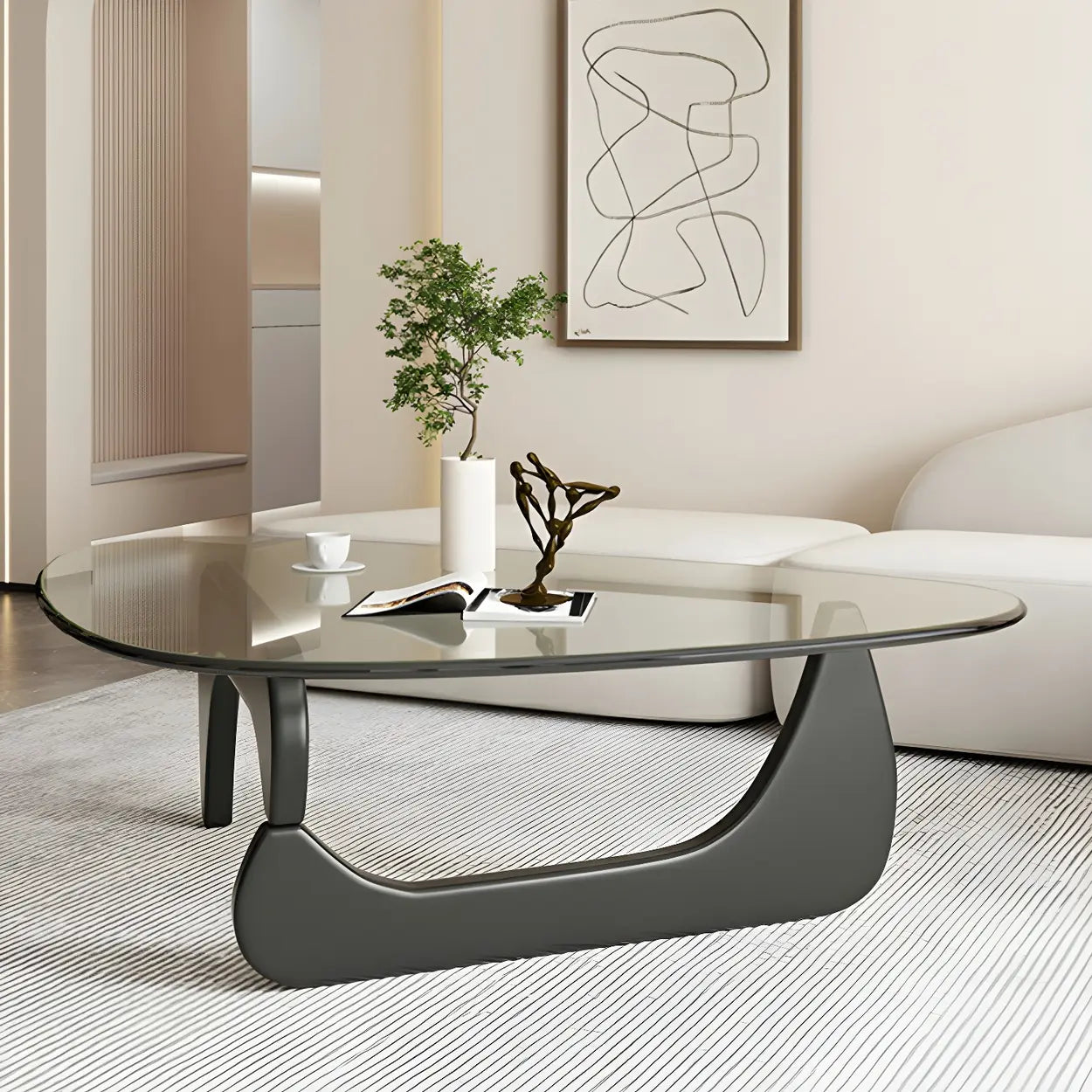
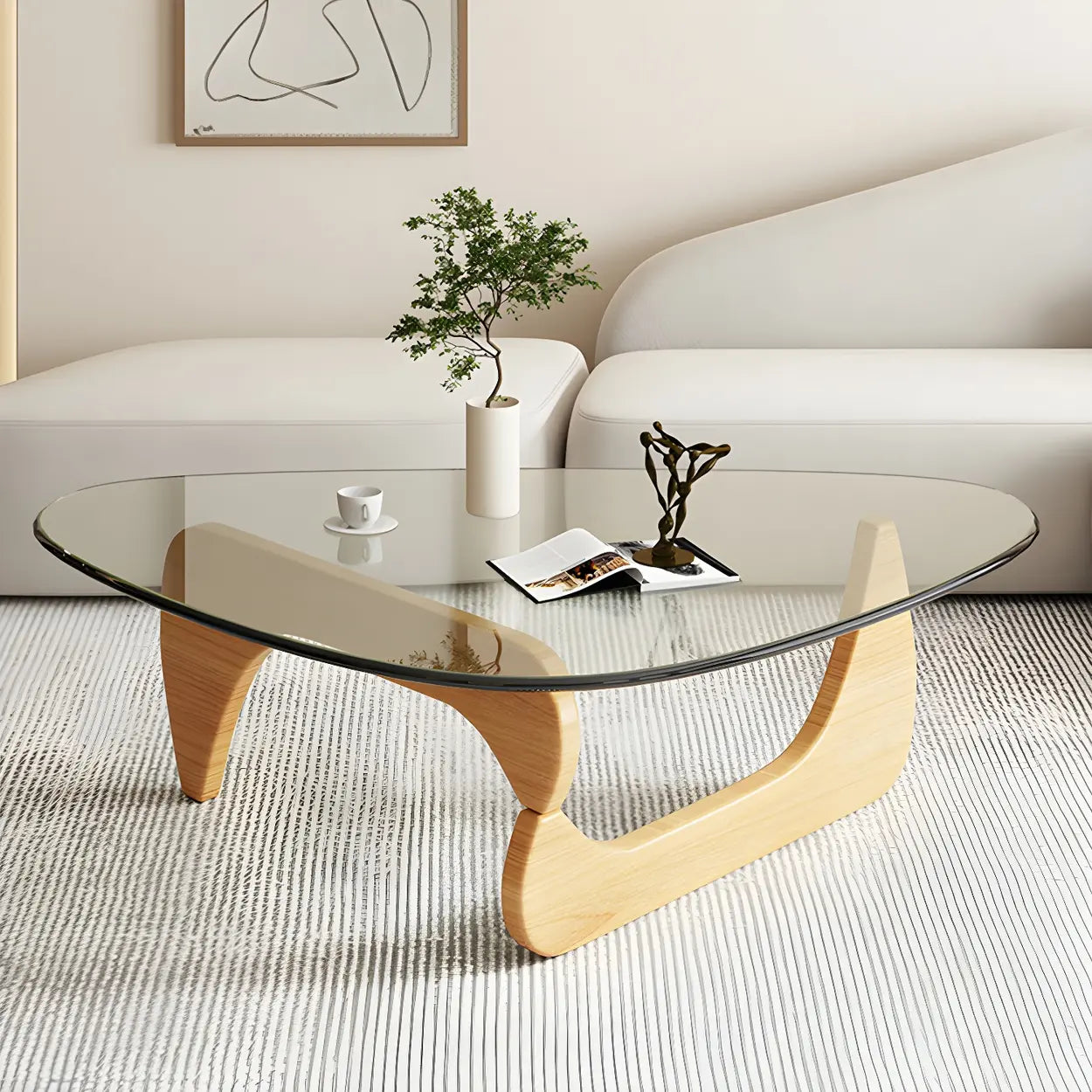
Tempered glass is much safer because it breaks into small blunt pieces rather than sharp shards. Non-tempered glass is a more serious risk, and replacing it with an acrylic sheet is a practical option. Acrylic looks similar but is much harder to break.
If you have a tempered glass table and want to keep it, it helps to:
- Add edge bumpers around the full perimeter
- Place a fitted padded cover on top
- Check that the frame holding the glass is stable
Wood coffee tables

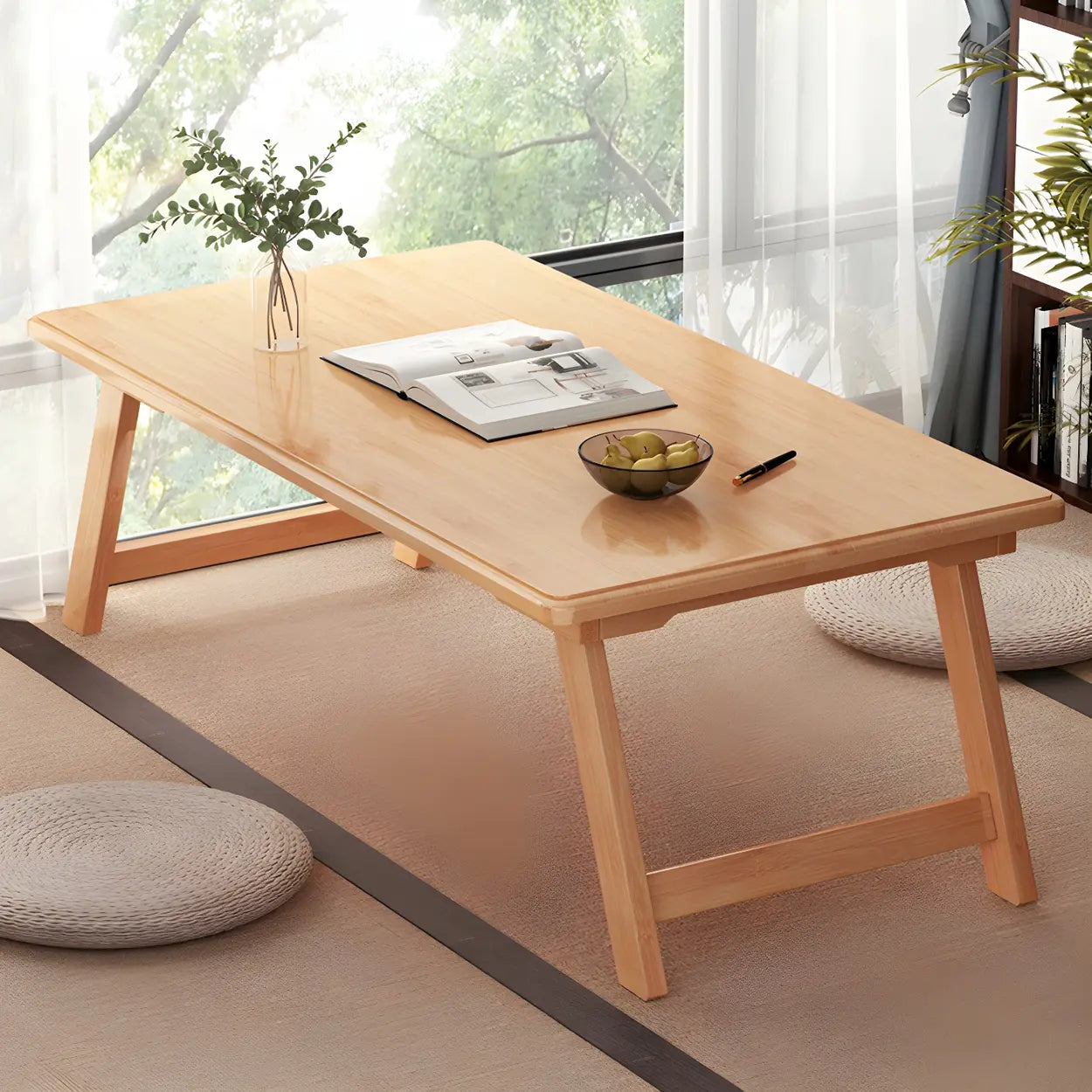
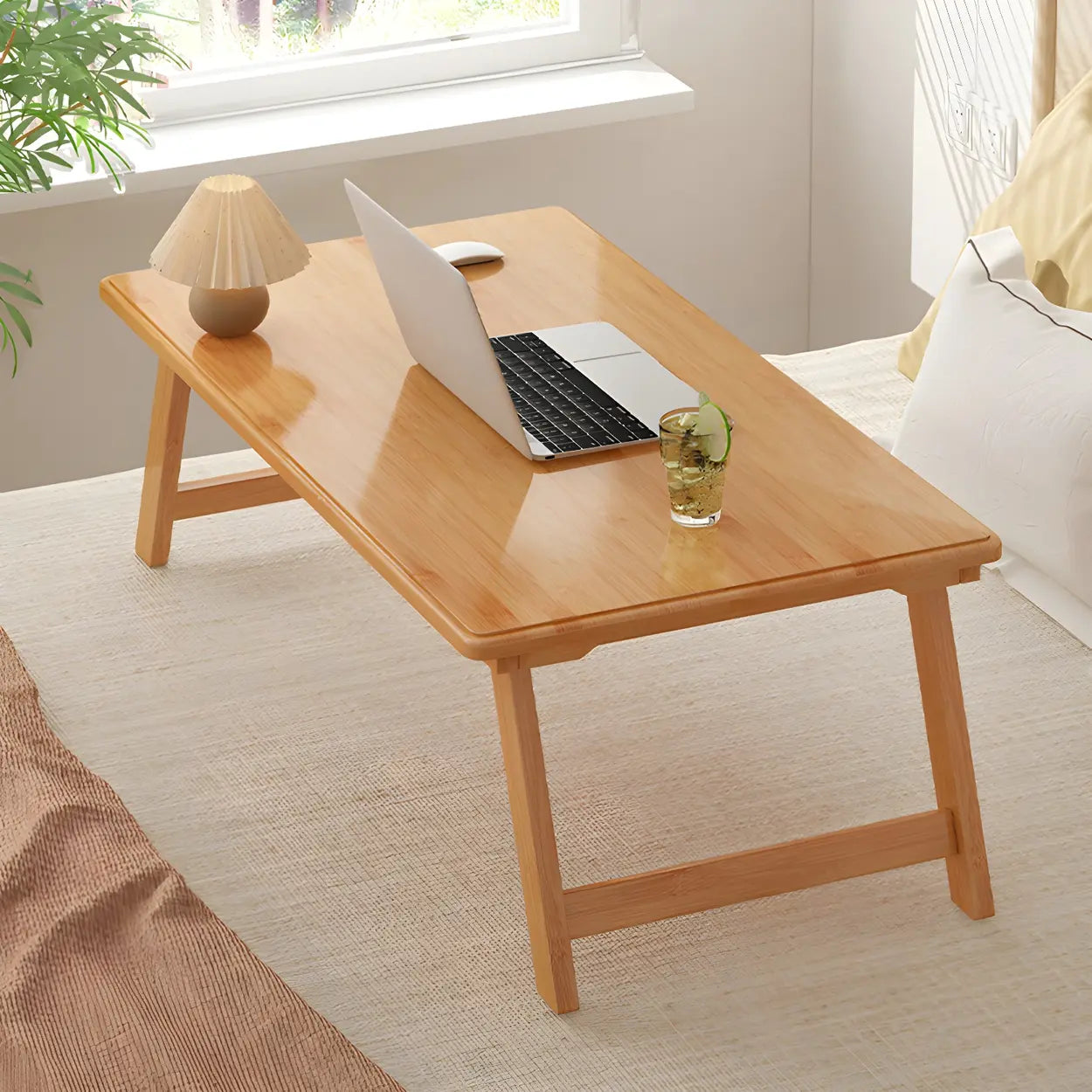
Wood is generally one of the safer coffee table materials, but the finish and construction still matter. Check for rough or splintered edges and sharp decorative trim at baby's head height. Lacquered finishes can chip over time, which creates a potential choking hazard. Sand down any rough spots when you find them, and go for solid wood tables with simple, rounded designs as they are the most straightforward to baby-proof.
Metal coffee tables

Metal frames often have angular edges that are harder to pad effectively. Run a hand along all edges to feel for sharp points, particularly at joints and welds. Silicone or rubber edge bumpers grip metal surfaces better than foam, making them worth the extra cost here. Lightweight frames with hairpin legs can also tip more easily, so check stability before leaving the table within your baby's reach.
Stone coffee tables

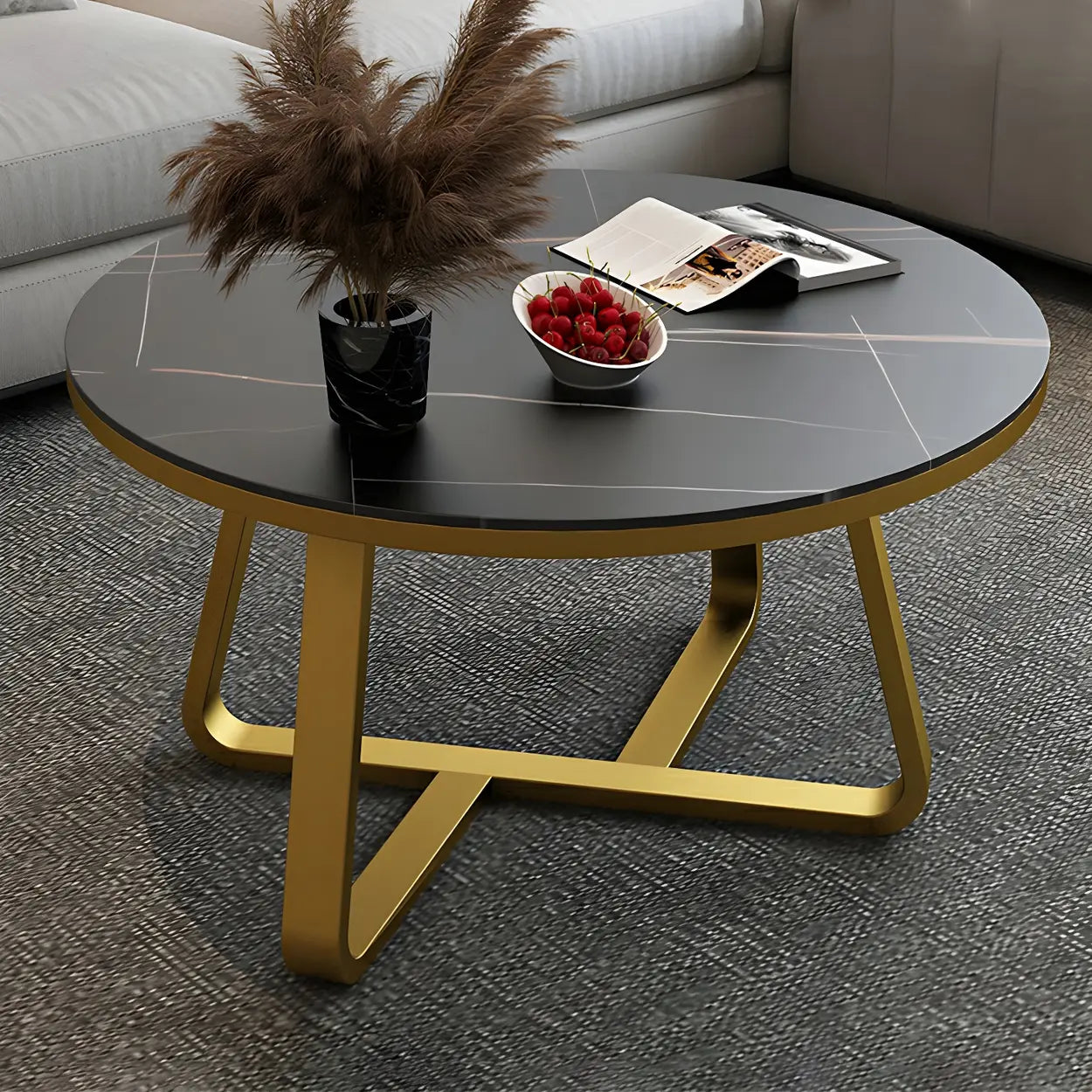
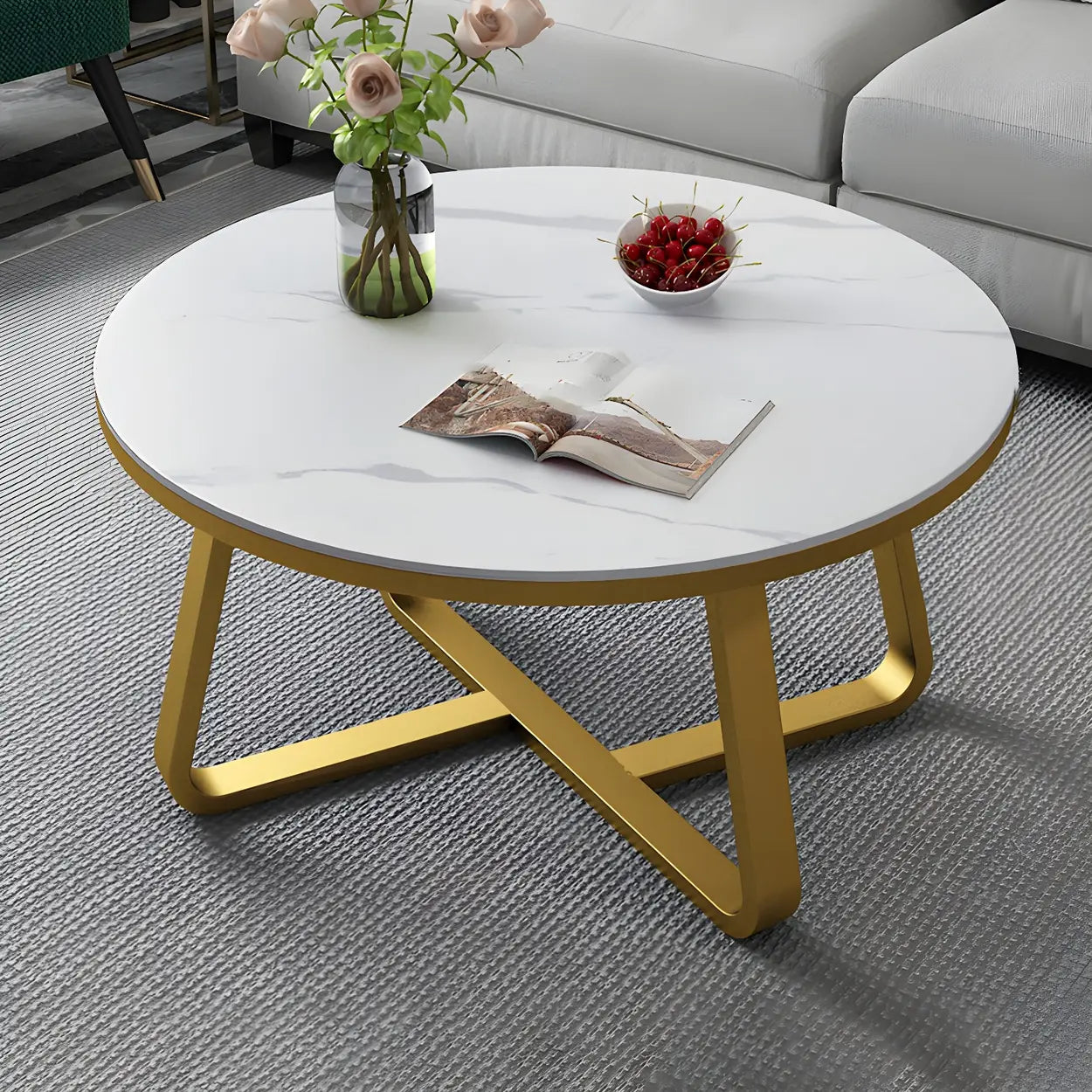
Stone tops like marble and concrete are heavy, so tipping is rarely a concern. The bigger issue is surface hardness and edges, which can cause cuts even when they look polished. Silicone bumpers adhere better to stone than foam, making them the better option for this material. Since stone tables are difficult to modify structurally, edge and corner protection is really the main approach available.
Acrylic and plastic coffee tables

Acrylic and plastic tables are lighter and less likely to cause serious injury on impact compared to glass or stone. Acrylic in particular has smooth edges and is much harder to shatter than glass, making it a practical choice for homes with young children. The main thing to check is whether any edges have rough spots from manufacturing. A quick feel along the edges is enough to catch anything that needs sanding down.
Baby-Friendly Coffee Table Alternatives
If you are shopping for a new table or considering replacing your current one, thinking about safety from the start can save a lot of effort later. There are several coffee table alternatives worth considering for homes with babies and toddlers.
| Option | Why it works |
| Round or oval tables | No sharp corners |
| Upholstered ottomans | Soft surface, no hard edges |
| Low solid wood tables | Stable, easy to pad |
| Acrylic tables | Smooth edges, hard to shatter |
| Tables with rounded edges | Less padding needed |
For materials, solid wood and acrylic are the most family-friendly choices. Avoid thin glass tops and lightweight frames with sharp joints.
Conclusion
Baby proofing your coffee table comes down to a few practical steps: pad the corners and edges, clear the surface of small or breakable items, and make sure the table is stable enough to handle a baby pulling up on it. If you are in the market for a new coffee table, Homebaa has a wide range of styles at reasonable prices, including round and wood options that are easier to work with in a home with young children.
FAQ
What is the best baby-proofing adhesive that won't damage the table?
What is the best baby-proofing adhesive that won't damage the table?
3M Command strips and foam adhesive tapes work well on most surfaces and usually remove cleanly without damaging furniture. For stone or metal surfaces, silicone-based adhesives often provide a stronger grip. Always test the adhesive on a small hidden area first.
Are clear corner guards better than foam ones?
Are clear corner guards better than foam ones?
In most cases, yes. Silicone or clear corner guards tend to last longer, blend in better visually, and are safer if babies chew on them. Foam guards are more affordable but the adhesive may weaken faster, especially in humid environments.
Is a glass coffee table safe with a baby at home?
Is a glass coffee table safe with a baby at home?
Tempered glass is much safer than standard glass because it breaks into blunt pieces instead of sharp shards. However, even tempered glass tables should have padded edges and corners to reduce injury risks.
What is the best type of coffee table for homes with toddlers?
What is the best type of coffee table for homes with toddlers?
Round or oval coffee tables with soft or rounded edges are usually the safest option. Upholstered ottomans are especially toddler-friendly because they eliminate hard surfaces and sharp corners.
Can I use a thick blanket to baby-proof my coffee table?
Can I use a thick blanket to baby-proof my coffee table?
Only as a temporary solution. A blanket may soften the surface but does not securely protect corners or edges and can easily shift out of place. Dedicated corner guards and edge bumpers are much more effective.
When should I start baby-proofing my coffee table?
When should I start baby-proofing my coffee table?
It is best to start around 6 months old, before crawling begins. By the time babies start pulling themselves up to stand, usually between 8 and 12 months, the coffee table should already be fully baby-proofed.


