











![10 Best Floor Lamp for Reading [2026 Review]](http://www.homebaa.com/cdn/shop/articles/banner_c990b0a4-4743-4902-b6be-5609f7a21a90.webp?v=1766393057&width=400)



![How to Choose the Coffee Table Height? [2026 Newest Guide]](http://www.homebaa.com/cdn/shop/articles/coffee-table-height_2a1fd127-359f-4d5f-9ac1-3b232c7092a9.webp?v=1788166652&width=400)


How much does a coffee table cost? For most shoppers, a practical coffee table budget falls somewhere between $150 and $1,500. Basic manufactured-wood tables may cost less than $150, while well-built solid wood, stone, storage, nesting, and statement coffee tables commonly sit in the middle or upper part of that range. Premium walnut, natural stone, handmade, oversized, or designer pieces can cost $2,000 or more.
That wide price range can make coffee table shopping confusing. Two tables may appear similar in a product photo but have completely different materials, dimensions, construction methods, storage features, finishes, and expected lifespans. One may be a lightweight veneer table designed for occasional use, while the other may be a substantial solid wood centerpiece built for daily family life.
This coffee table cost guide explains how much you should expect to pay at each quality level, what makes one coffee table more expensive than another, and how prices change across wood, glass, metal, marble, stone, storage, lift-top, and nesting designs. It also includes a practical buying framework and relevant Homebaa recommendations to help you choose a table that fits both your living room and your budget.
Quick answer: budget around $150–$400 for a simple everyday coffee table, $400–$1,000 for better materials or useful features, and $1,000–$2,500 or more for premium stone, solid wood, statement, or designer-level construction.
Quick Jump Links
- Average Coffee Table Cost
- Coffee Table Price Chart
- Cost by Material
- What Affects Coffee Table Prices?
- Cost by Coffee Table Type
- How Much Should You Spend?
- Hidden Costs to Consider
- How to Save Money
- Choosing the Right Size
- Homebaa Coffee Table Recommendations
- Final Buying Checklist
- Coffee Table Cost FAQ
What Is the Average Cost of a Coffee Table?
A typical coffee table costs between $150 and $1,500, but the amount you should spend depends on how the table will be used. A compact table for a first apartment has different requirements from a large solid wood table placed in a family living room for the next decade.
At the lowest end, coffee tables may use manufactured wood, thin veneers, lightweight metal frames, simple hardware, or flat-pack construction. These tables can be useful when budget, easy delivery, and temporary flexibility matter more than long-term durability.
Mid-range coffee tables usually offer a noticeable improvement in finish, stability, proportions, material quality, and design. This is also where shoppers begin to find practical features such as drawers, shelves, hidden compartments, nesting pieces, better glass, stone tops, or more substantial wood bases.
Premium coffee tables often use solid walnut, oak, teak, marble, natural stone, thick tempered glass, sculptural bases, detailed joinery, or specialized finishes. Their price may also reflect a larger size, heavier shipping weight, low-volume manufacturing, distinctive design, or little to no assembly.
A practical way to understand coffee table prices
- Under $150: entry-level, compact, lightweight, manufactured-wood, or occasional-use tables.
- $150–$400: affordable everyday tables, basic glass designs, smaller wood tables, and some nesting sets.
- $400–$800: better construction, larger sizes, storage features, distinctive bases, and upgraded materials.
- $800–$1,500: substantial wood or stone tables, premium finishes, large dimensions, and statement designs.
- $1,500–$3,000: solid hardwood, natural stone, oversized, detailed, or luxury-focused coffee tables.
- Above $3,000: designer, handcrafted, custom-sized, rare-material, or heirloom-level pieces.
These ranges are best used as planning tools rather than strict rules. Sale prices, size variants, materials, shipping location, and brand positioning can move an individual table above or below its expected category.
Coffee Table Price Chart by Quality Level
| Price Range | What You Can Usually Expect | Best For |
|---|---|---|
| Under $150 | Compact size, manufactured wood, simple metal, basic finish, flat-pack construction | Temporary spaces, dorms, rentals, guest rooms, and tight budgets |
| $150–$400 | More design choices, glass tops, nesting options, improved finishes, larger dimensions | First homes, apartments, light-to-moderate daily use |
| $400–$800 | Storage, thicker materials, stronger bases, better proportions, wood or stone options | Everyday living rooms and shoppers balancing price with quality |
| $800–$1,500 | Premium materials, substantial construction, larger sizes, detailed or sculptural designs | Long-term living room upgrades and statement furniture |
| $1,500–$3,000 | Solid hardwood, natural stone, advanced finishes, drawers, minimal assembly, high visual impact | Luxury interiors, large homes, and buyers prioritizing material quality |
| $3,000+ | Custom dimensions, artisan construction, rare materials, designer names, complex craftsmanship | High-end projects, custom interiors, and collectable furniture |
The middle of the market is usually the most useful place to compare value. A $500 table is not automatically better than a $300 table, and a $2,000 table is not automatically right for every household. The better purchase is the table whose dimensions, materials, stability, maintenance needs, and features match the way you actually live.
How Much Does a Coffee Table Cost by Material?
Material is one of the biggest influences on coffee table price. It affects not only appearance, but also weight, maintenance, durability, shipping, repairability, and the way the table ages.
Manufactured wood coffee table cost
Manufactured-wood coffee tables generally start around $80 to $400, although larger or more decorative models can cost more. This category includes MDF, particleboard, plywood, and composite panels, often covered with laminate, paint, or wood veneer.
Manufactured wood can be a sensible choice when you want a specific look at a lower price. It is also easier to ship and move than many solid wood or stone tables. However, quality varies considerably. Check the thickness of the tabletop, edge finish, leg attachment, weight capacity, moisture resistance, and whether the veneer or laminate appears durable enough for daily use.
Solid wood coffee table cost
A solid wood coffee table can cost approximately $300 to $3,000 or more. Pine and rubberwood are usually more affordable, while oak, walnut, teak, ash, and carefully selected hardwoods tend to cost more.
Solid wood is valued for its natural grain, substantial feel, repairability, and ability to age with character. Price increases with the amount of wood used, board thickness, joinery, finishing process, wood species, grain selection, and whether drawers or carved details are included.
A lower-priced solid wood table may use smaller pieces joined together or combine solid wood with manufactured components. Read the material description carefully rather than relying only on the phrase “wood coffee table.”
Glass coffee table cost
Glass coffee tables commonly cost between $150 and $1,200. A simple glass top with a basic metal frame may sit near the lower end, while thick tempered glass, curved glass, tinted glass, polished edges, and sculptural wood or metal bases increase the price.
Glass can make a small living room feel more open because it blocks less visual space. It also works well when the base is intended to be a design feature. Before buying, confirm the glass type, thickness, edge treatment, weight capacity, and replacement options.
Metal coffee table cost
Metal coffee tables generally range from $150 to $1,500. Steel and iron bases are frequently paired with wood, glass, or stone tops rather than used alone.
The price depends on metal thickness, welding quality, finish, corrosion protection, shape complexity, and whether the base is mass-produced or handmade. Powder-coated steel can provide a clean modern look, while brass-tone, stainless steel, blackened iron, and sculptural metalwork usually add cost.
Stone and marble coffee table cost
Stone coffee tables often cost between $500 and $3,500 or more. The lower end may include stone-look surfaces, sintered stone, ceramic slabs, or smaller tables. Natural marble, travertine, granite, onyx, and thick premium stone pieces usually cost more.
Stone prices rise because of material sourcing, slab selection, cutting, polishing, reinforcement, weight, packaging, and shipping. Natural veining also means that every piece may look slightly different.
Before purchasing, determine whether the top is natural stone, engineered stone, ceramic, sintered stone, or a printed stone effect. Also review stain resistance, sealing requirements, cleaning instructions, and whether the floor can comfortably support a very heavy table.
Mixed-material coffee table cost
Many modern coffee tables combine materials—for example, stone with steel, glass with wood, or walnut with metal. Mixed-material designs typically cost $300 to $2,000 or more, depending on the quality of each component and the difficulty of joining them securely.
A mixed-material table can offer better visual contrast and functionality, but inspect the connection points. The table should feel like one stable piece rather than separate materials loosely attached together.
What Makes a Coffee Table More Expensive?
1. Size and amount of material
A larger coffee table generally costs more because it requires more material, stronger support, larger packaging, and more expensive shipping. An oversized stone or solid wood table can also require reinforced handling that a small apartment table does not.
2. Storage and moving mechanisms
Drawers, shelves, hidden compartments, lift tops, wheels, rotating surfaces, and nesting components add hardware and manufacturing steps. A lift-top coffee table often costs more than a visually similar fixed-top model because the mechanism must remain smooth and stable under repeated use.
3. Material authenticity
Natural marble generally costs more than a marble-look laminate. Solid walnut usually costs more than walnut-colored manufactured wood. Thick tempered glass typically costs more than thin basic glass. Product titles may emphasize appearance, so always verify the detailed material specification.
4. Construction and joinery
Tables with reinforced frames, carefully fitted joints, stable bases, quality drawer slides, and well-finished undersides often cost more to produce. These details are not always obvious in the first product photo, but they strongly influence daily use.
5. Finish quality
Finishing may involve sanding, staining, sealing, polishing, powder coating, distressing, waterproof treatments, or scratch-resistant layers. A smooth, consistent, durable finish usually requires more labor than a basic surface treatment.
6. Assembly level
Flat-pack tables can be less expensive to ship, but they require assembly. Fully assembled tables may cost more because they occupy more shipping volume and need stronger protective packaging. The extra cost may be worthwhile when precise alignment or heavy materials make home assembly difficult.
7. Design originality
A simple four-leg table is usually easier to manufacture than a curved pedestal, abstract frame, carved base, or custom shape. Sculptural coffee tables often carry a higher price because the base is part of the room’s visual identity rather than only a support structure.
8. Brand, customization, and production scale
Custom dimensions, limited production, designer collaborations, hand-finishing, and made-to-order materials increase cost. Mass-produced tables benefit from production efficiency, while small-batch furniture spreads design and tooling expenses across fewer units.
How Much Do Different Types of Coffee Tables Cost?
Round coffee tables
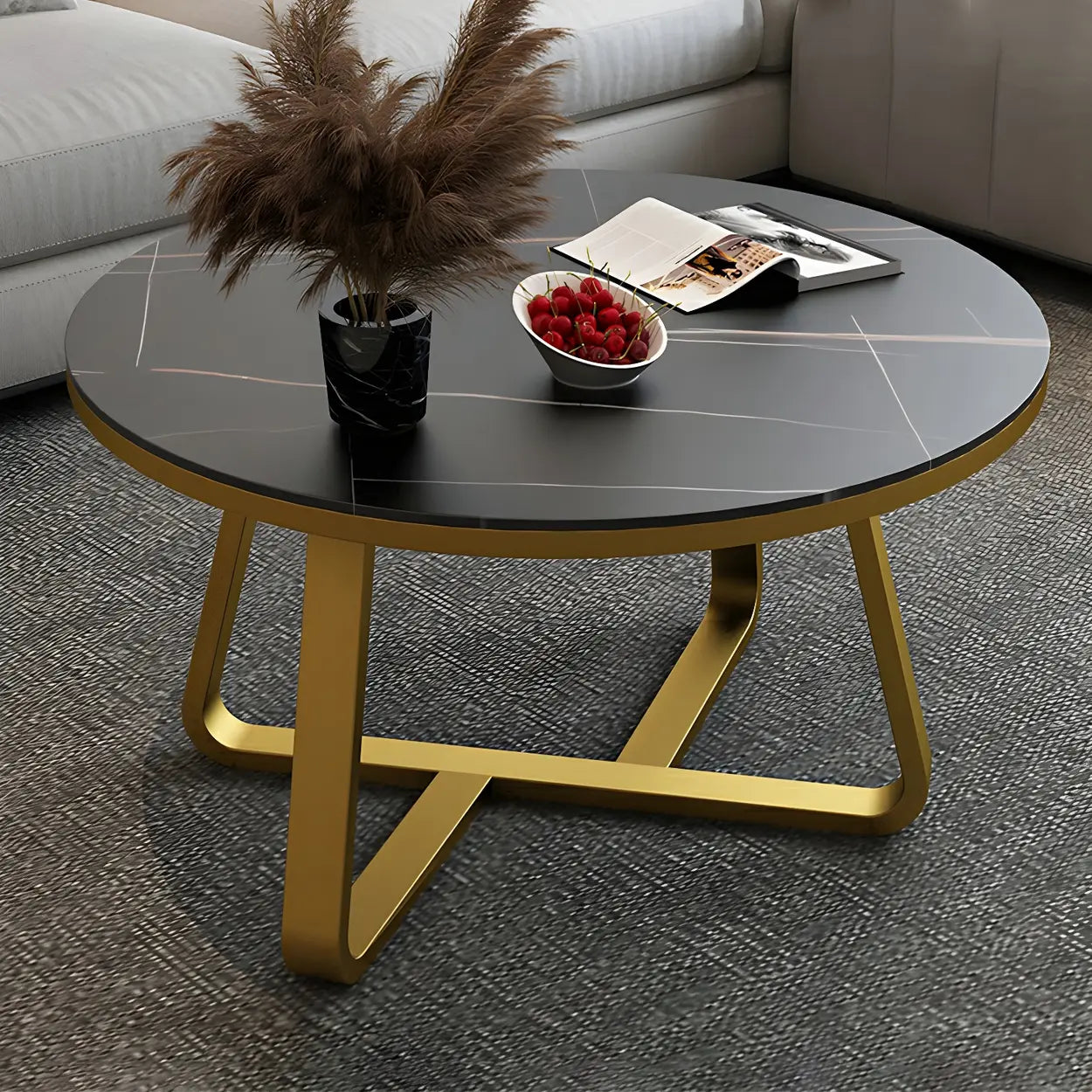
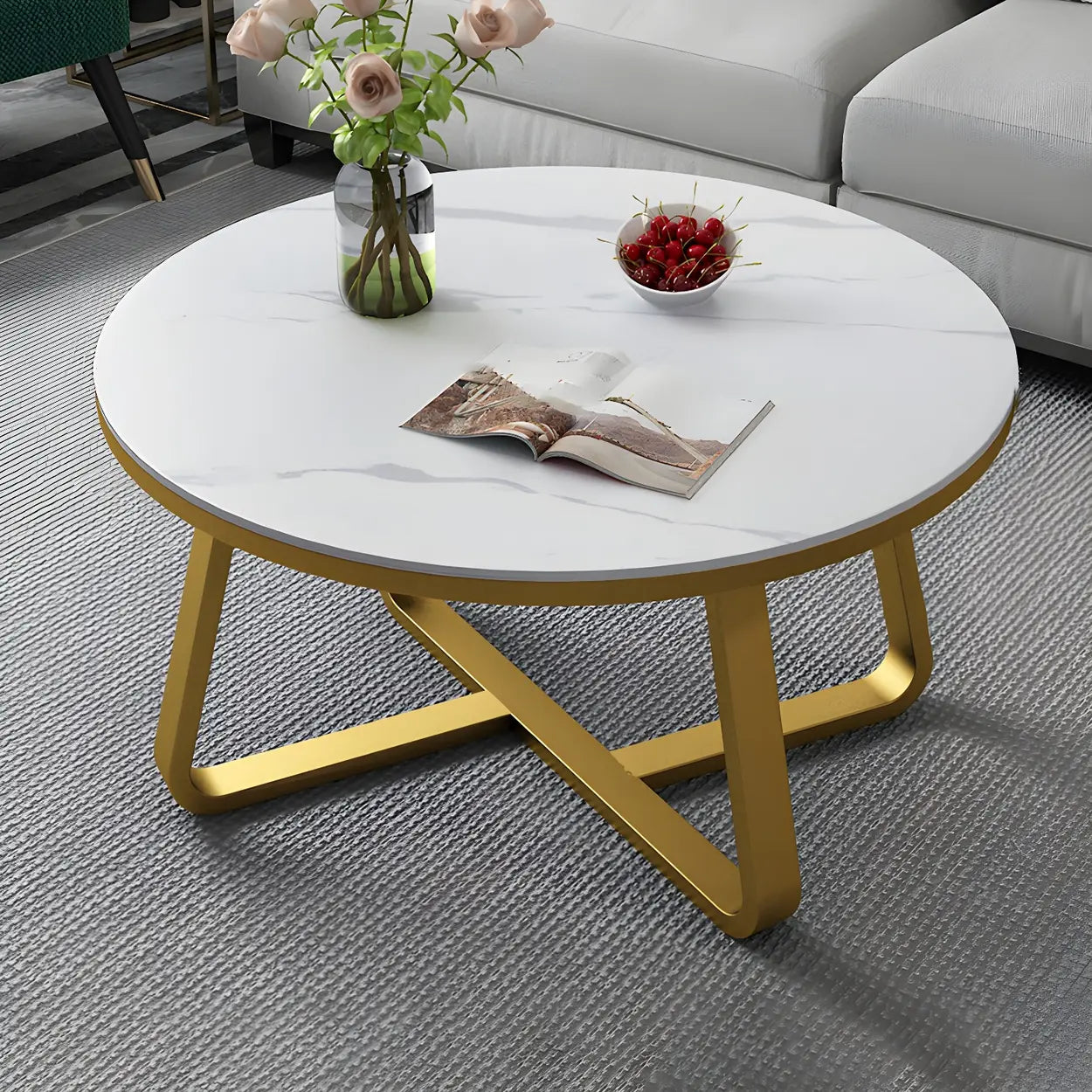
Round coffee tables may cost from $100 to $2,000 or more. Small manufactured-wood versions are usually affordable, while large solid wood drum tables, stone pedestal tables, and sculptural round designs can be significantly more expensive.
Round tables are popular in compact rooms, conversational seating arrangements, and homes where smooth circulation matters. They also remove sharp corners, although the base still needs to be wide and stable enough to prevent tipping.
Rectangular coffee tables
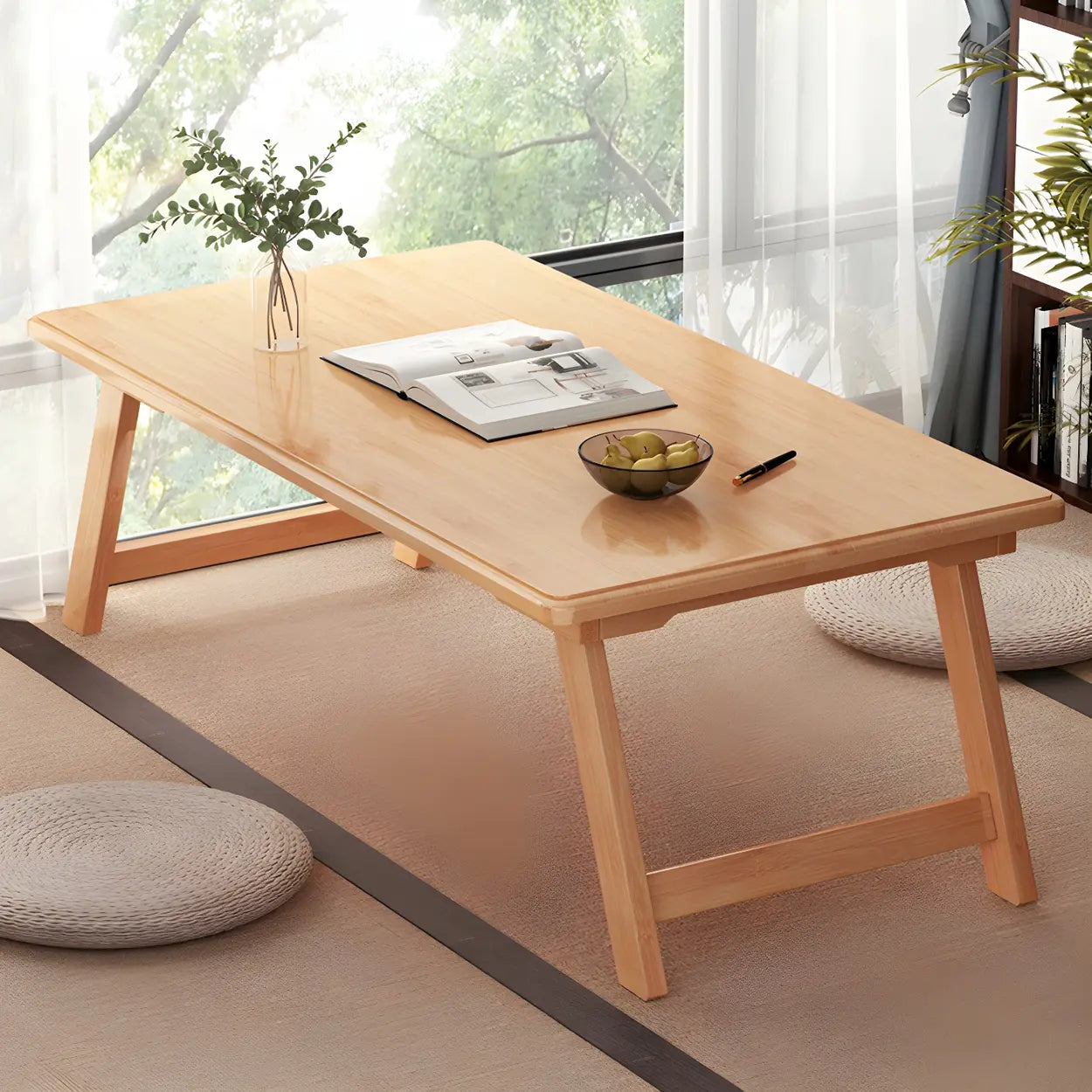
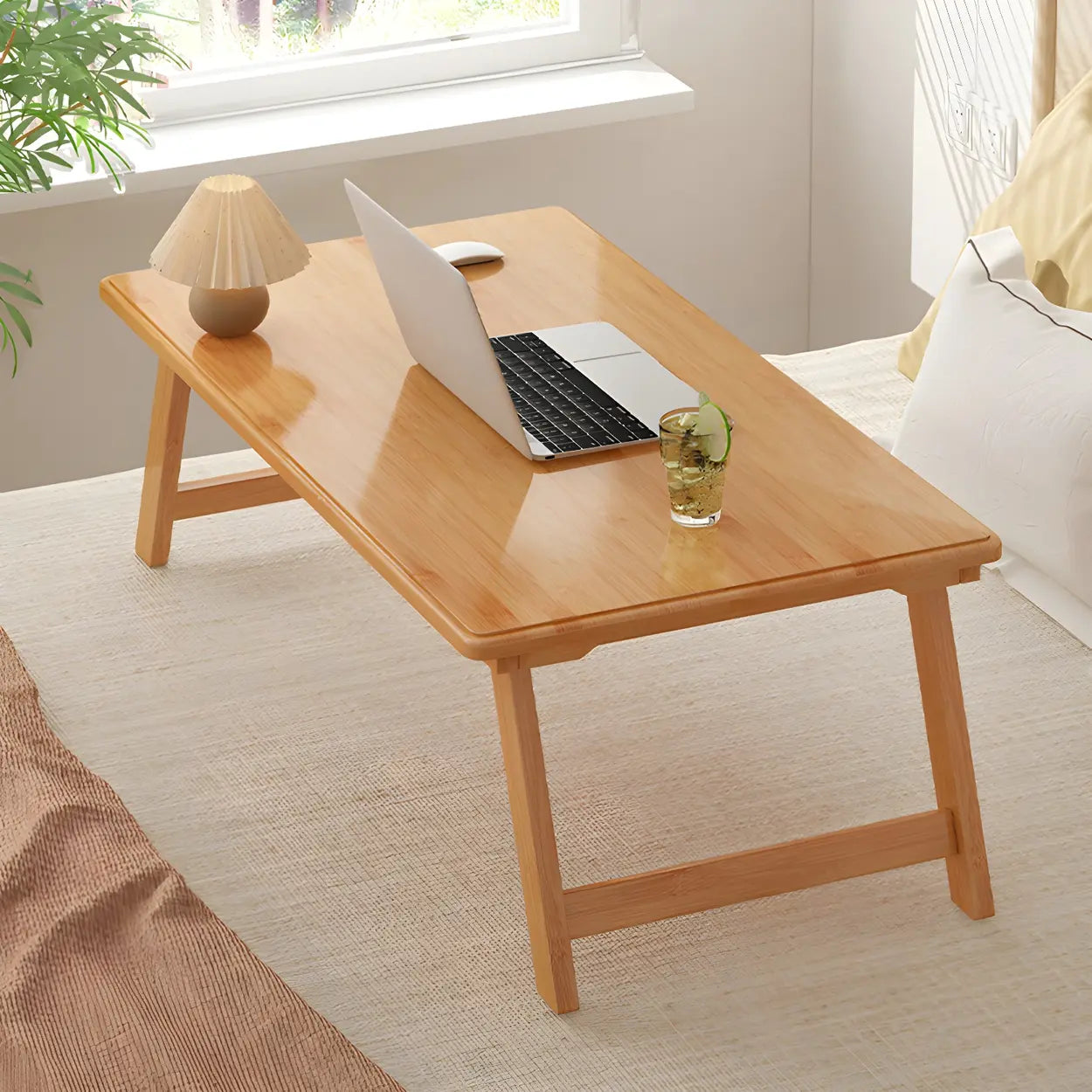
Rectangular coffee tables usually range from $120 to $3,000. They are widely available and pair naturally with standard sofas and sectionals. Prices increase with length, solid wood construction, shelves, drawers, and premium tops.
Oval coffee tables
Oval coffee tables generally cost around $200 to $2,000. Their curved ends improve movement while still providing useful surface length. Stone oval tables and storage pedestal designs often sit in the mid-to-premium price range.
Nesting coffee tables
Nesting coffee tables commonly cost between $150 and $1,500. Although you receive more than one table, the smaller piece is designed to tuck beneath the larger one. They are useful in apartments and flexible living rooms because the tables can be separated when guests need additional surfaces.
Storage coffee tables
A storage coffee table often costs from $250 to $2,500. Open shelves are usually less expensive than drawers or concealed compartments. Premium storage tables may use soft-close hardware, dual-sided drawers, stone tops, or integrated nesting pieces.
Lift-top coffee tables
Lift-top coffee tables generally range from $200 to $1,200. They are especially practical for people who work, eat, or use a laptop from the sofa. Check how high the top lifts, whether it stays stable when open, and whether the mechanism leaves enough legroom.
Outdoor coffee tables
Outdoor coffee tables can cost from $100 to $1,500. Weather resistance is more important than appearance alone. Look for outdoor-rated metal, teak, treated wood, concrete, resin, ceramic, or UV-resistant finishes. An indoor table placed outside may deteriorate quickly even if its material appears durable.
Custom coffee tables
A custom coffee table may start around $1,000 and rise well beyond $5,000. Final cost depends on dimensions, material, design complexity, finish, delivery, and whether the piece is produced by a local maker, specialist workshop, or established designer.
How Much Should You Spend on a Coffee Table?
The right amount to spend depends less on a universal average and more on how important the coffee table is in your room. Use the following questions to set a realistic budget.
How often will the table be used?
A table used every day for drinks, snacks, games, work, and family gatherings needs a more durable surface and stronger construction than a decorative table in a formal room.
How long do you expect to keep it?
For a temporary rental or frequently changing interior, a lower-cost table may be logical. For a long-term home, paying more for the right proportions, durable material, and repairable finish may offer better value.
Is it the focal point of the living room?
In many seating areas, the coffee table occupies the visual center. A distinctive stone, glass, or wood table may justify a larger share of the furniture budget when it connects the sofa, rug, lighting, and surrounding decor.
Do you need storage or flexibility?
If the table replaces a laptop desk, snack table, game surface, or storage unit, a lift top, nesting set, shelf, or drawer may reduce the need to purchase additional furniture.
Simple budgeting rule: spend more on material, size, stability, and features you will use every day. Spend less on decorative details that do not improve the table’s function or fit.
Suggested budgets by buyer type
- First apartment: $100–$350.
- Family living room: $400–$1,000.
- Long-term furniture upgrade: $800–$1,800.
- Premium solid wood or stone centerpiece: $1,500–$3,000.
- Custom or designer interior: $3,000 and above.
Hidden Coffee Table Costs to Consider
The product price is not always the total cost. Review these items before placing an order:
- Shipping: heavy stone, glass, and solid wood tables may have additional delivery charges.
- Assembly: some tables require full assembly, while others arrive ready to use.
- Room-of-choice delivery: large tables may be difficult to move through stairs, elevators, or narrow doors.
- Surface care: natural stone may need sealing, while wood may need coasters, pads, or occasional refinishing.
- Floor protection: heavy or metal bases may require felt pads or a properly sized rug.
- Returns: oversized furniture can be expensive or difficult to return, so check the return policy.
- Replacement parts: confirm whether glass tops, hardware, and lift mechanisms can be replaced.
Measure your entryway as well as the final location. A coffee table that fits the room may still be impossible to move through a tight hallway or staircase.
How to Save Money Without Buying a Poor-Quality Table
Prioritize construction over decoration
A stable, well-proportioned table with a simple finish is often a better purchase than a highly decorative table with weak joints or a thin surface.
Choose mixed materials strategically
A manufactured-wood top with a strong metal or wood base can provide good everyday value. You do not always need solid hardwood or natural stone throughout the entire table.
Compare dimensions, not only photos
Product photography can make a small table appear large. A low price may reflect reduced dimensions rather than a special bargain. Compare length, width, height, and the scale of the table against your sofa.
Buy the feature you actually need
Do not pay extra for drawers, a lift top, or nesting pieces unless you expect to use them. At the same time, paying slightly more for needed storage may be cheaper than purchasing another cabinet later.
Check variants carefully
The advertised starting price may apply to the smallest size or simplest material. Confirm the price of the exact color, dimension, top material, and table combination you plan to order.
Use sales carefully
A discount is valuable only when the table fits your space and requirements. Measure first, compare the specifications, and treat the sale price as the final step rather than the main reason to buy.
Does Coffee Table Size Affect the Price?
Yes. Larger coffee tables use more material and often require stronger bases, heavier packaging, and more expensive shipping. However, choosing the right size matters more than choosing the largest table your budget allows.
A useful starting point is to choose a coffee table around two-thirds the length of your sofa. Leave approximately 12 to 18 inches between the table and the seating so people can move comfortably while still reaching drinks, books, and remote controls.
Check these measurements before buying
- Sofa length and seat height
- Available floor area inside the seating arrangement
- Distance between sofa, chairs, and TV stand
- Door, hallway, staircase, and elevator clearance
- Rug size and placement
- Space required to open drawers or raise a lift top
The tabletop is commonly close to the height of the sofa seat or slightly lower. A very low table can create a relaxed modern look, but it may be less convenient for eating or working. A taller table may be more functional but can visually dominate a low-profile sofa.
Recommended Homebaa Coffee Tables by Budget and Material
The examples below show how coffee table prices change across affordable manufactured wood, glass-and-wood construction, stone storage, and premium solid walnut. Listed prices may change according to size, product variant, inventory, and promotions, so check the product page before ordering.
Explore the Full Coffee Table Collection
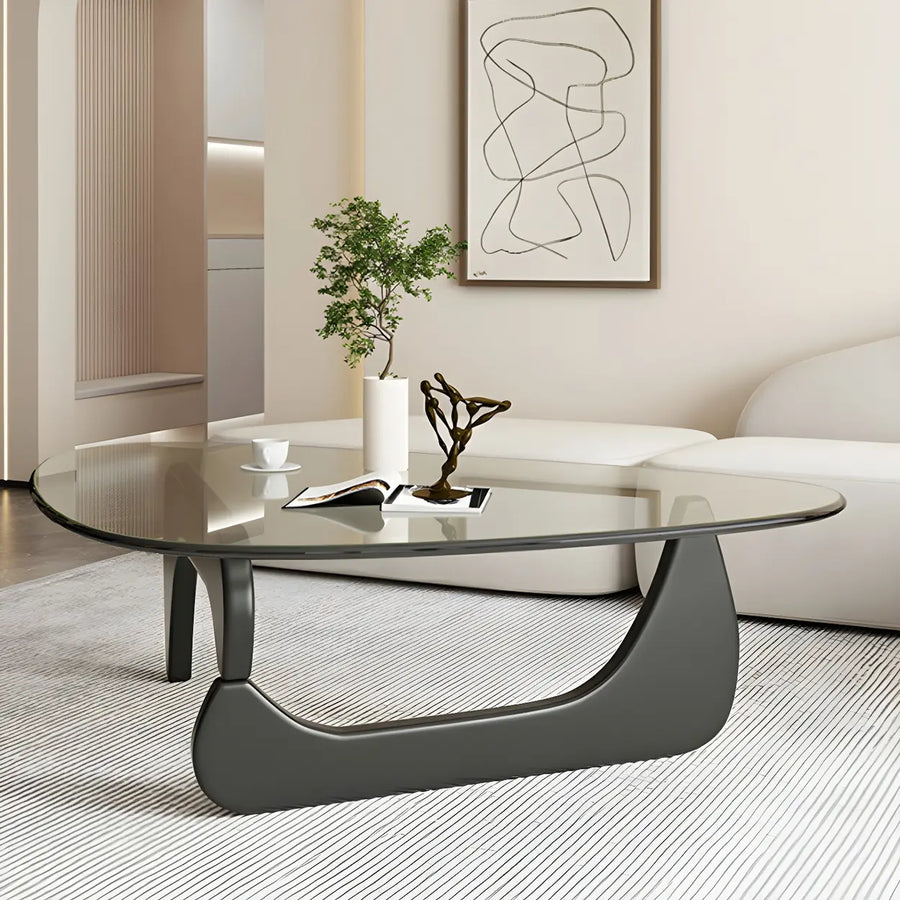
Homebaa Coffee Tables
Compare round, oval, rectangular, nesting, storage, wood, glass, metal and stone coffee tables across a wide range of budgets.
Shop Coffee TablesProduct Picks at Different Price Levels
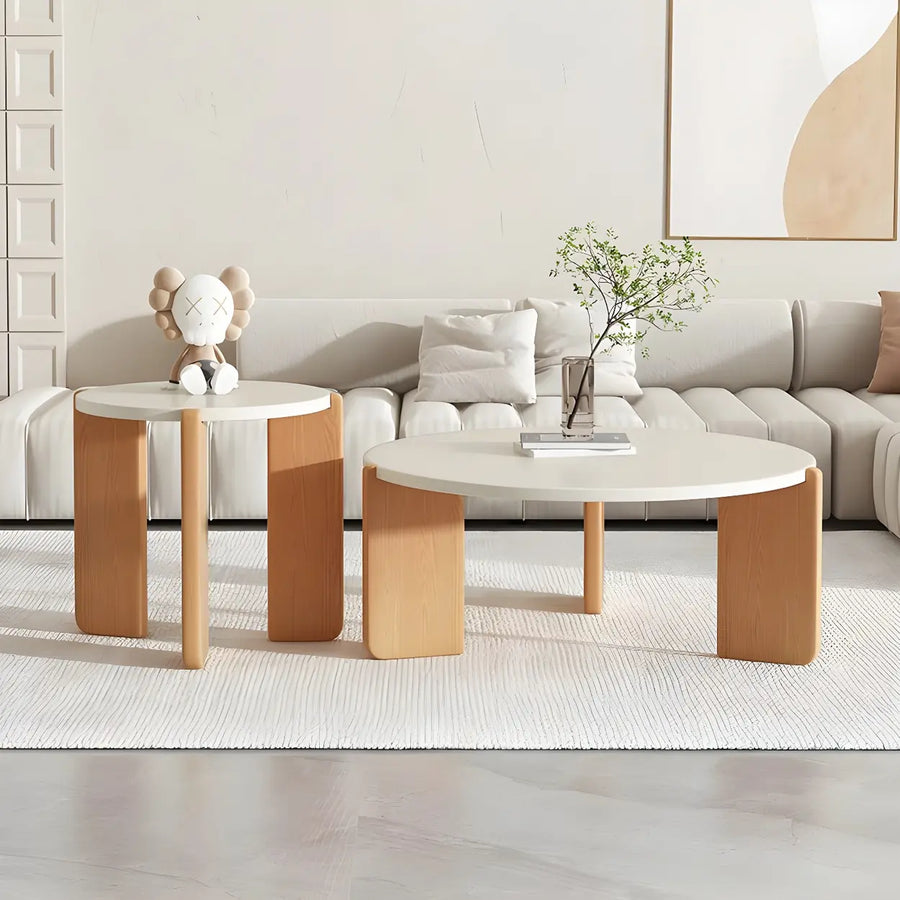
Natural Finish Wood Three-Leg Round Coffee Table Set
A budget-friendly starting point with round shapes, multiple size choices, and single-table or nesting-table configurations. The current listed starting price is approximately $134.99.
View This Coffee Table
Oval White Stone Black Steel Base Storage Coffee Table
A mid-range option combining a white stone top, oval shape, black steel pedestal, and integrated storage. The current listed starting price is approximately $627.99.
View This Storage Table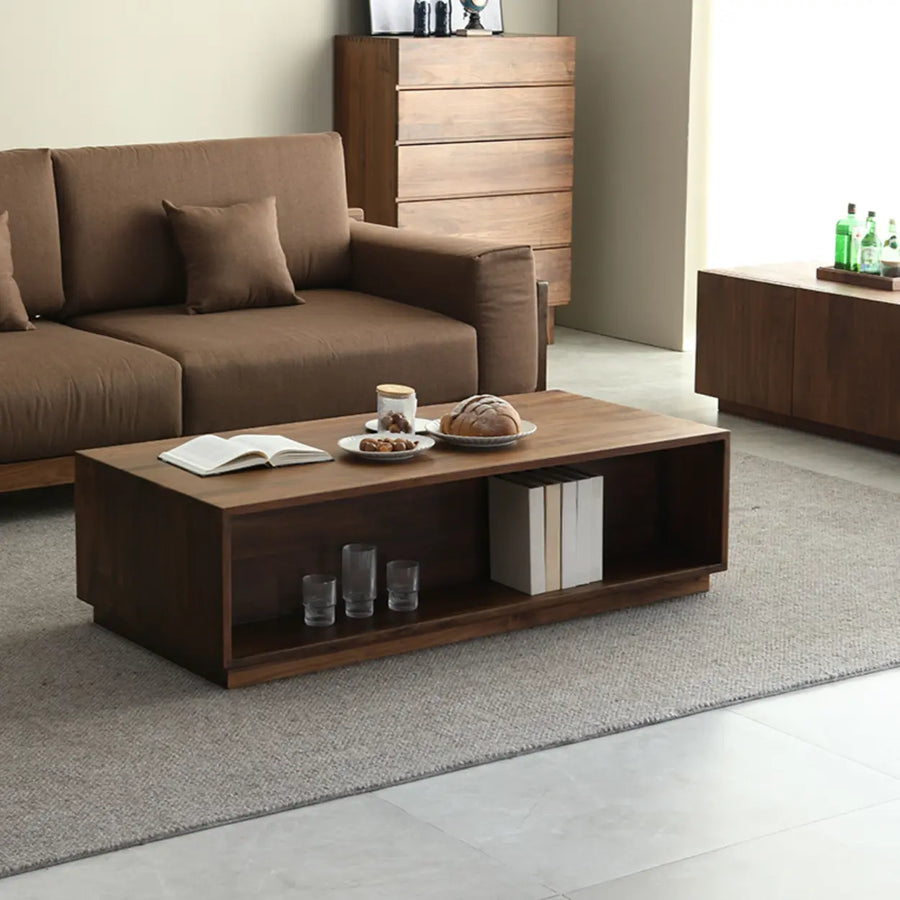
Traditional Solid Walnut Wood Rectangular Coffee Table
A premium solid walnut option with a spacious rectangular top, two concealed drawers, and a substantial low-profile design. The current listed starting price is approximately $2,199.99.
View This Walnut TableFinal Coffee Table Buying Checklist
Before you choose a coffee table, confirm the following:
- Budget: set a total budget that includes delivery and assembly.
- Dimensions: compare the table with your sofa, rug, walkway, and doorway.
- Material: verify whether the surface is solid wood, veneer, natural stone, engineered stone, or glass.
- Daily use: choose a surface that can handle drinks, snacks, children, pets, or work as needed.
- Storage: decide whether drawers, shelves, nesting pieces, or a lift top are genuinely useful.
- Stability: review the base design, assembly method, and weight capacity.
- Care: check cleaning, sealing, stain, heat, water, and scratch-resistance guidance.
- Delivery: measure every doorway and confirm the shipping method.
- Returns: understand the furniture return conditions before ordering.
For most living rooms, the best value is not necessarily the cheapest or most expensive table. It is the one that fits the seating arrangement, supports everyday habits, uses an appropriate material, and remains visually balanced in the room.
FAQ: How Much Does a Coffee Table Cost?
How much does a basic coffee table cost?
A basic coffee table may cost between $80 and $300. Tables in this range often use manufactured wood, laminate, simple glass, or lightweight metal construction. They are suitable for apartments, rentals, guest rooms, and shoppers who do not need premium materials.
What is a reasonable price for a good coffee table?
For many households, $400 to $1,000 is a reasonable budget for a good everyday coffee table. This range provides access to stronger construction, larger dimensions, improved finishes, useful storage, glass-and-wood designs, and some stone or solid wood options.
How much does a solid wood coffee table cost?
A solid wood coffee table commonly costs from $300 to $3,000 or more. Pine and rubberwood are often more affordable, while walnut, teak, oak, thick hardwood construction, detailed joinery, drawers, and premium finishes increase the price.
How much does a marble coffee table cost?
A marble coffee table may cost from around $600 to more than $4,000. The final price depends on whether the surface is natural marble, engineered stone, ceramic, or a marble-look material, as well as the table size, slab thickness, base, and shipping weight.
How much does a glass coffee table cost?
Glass coffee tables generally cost between $150 and $1,200. Basic metal-frame tables sit near the lower end, while thick tempered glass, curved or tinted tops, polished edges, and sculptural wood or metal bases cost more.
Why are some coffee tables so expensive?
Expensive coffee tables may use solid hardwood, natural stone, thick glass, specialized finishes, custom dimensions, detailed joinery, premium hardware, sculptural bases, or handcrafted construction. Large and heavy tables also cost more to package and deliver safely.
Is an expensive coffee table worth it?
An expensive coffee table can be worth the price when it offers the right dimensions, durable material, stable construction, repairable finish, and a design you plan to keep for many years. It is less worthwhile when the higher price reflects branding or decoration that does not improve function or quality.
How much should I spend on a coffee table for a first apartment?
A budget of approximately $100 to $350 is practical for a first apartment. Focus on accurate dimensions, easy assembly, manageable weight, and a versatile style that can move to a future home.
Do storage coffee tables cost more?
Storage coffee tables usually cost more than comparable fixed tables because drawers, shelves, hidden compartments, hinges, slides, and lift mechanisms require additional materials and manufacturing. A typical storage coffee table may cost from $250 to $2,500.
Are nesting coffee tables cheaper than buying two tables?
Nesting coffee tables can provide better value than buying two unrelated tables because they are designed and packaged as a coordinated set. Prices generally range from $150 to $1,500, depending on the materials, number of pieces, size, and construction.
Does coffee table size change the price?
Yes. Larger coffee tables usually cost more because they require more material, stronger support, larger packaging, and more expensive shipping. Always compare the price of the exact size variant rather than relying only on the lowest advertised price.
What is the cheapest coffee table material?
Manufactured wood, laminate, and lightweight metal are generally among the most affordable coffee table materials. They can provide good value, but quality varies, so review panel thickness, edge finishing, leg attachment, weight capacity, and moisture resistance.
What coffee table material lasts the longest?
Well-constructed solid hardwood, quality metal, and properly maintained stone can last for many years. Longevity still depends on joinery, finish, daily use, cleaning, moisture exposure, and whether damaged components can be repaired or replaced.
How can I tell whether a coffee table is good quality?
Look for a stable base, appropriate tabletop thickness, clear material descriptions, reinforced joints, smooth edges, consistent finishing, strong drawer hardware, realistic weight limits, useful care instructions, and a warranty. Also check whether the table wobbles or relies on weak connectors.
Should a coffee table be cheaper than a sofa?
In most living rooms, the coffee table costs less than the sofa, but there is no required ratio. A premium stone or solid walnut coffee table may cost more than an entry-level sofa. Base your budget on the table’s material, function, visual importance, and expected lifespan.
