











![10 Best Floor Lamp for Reading [2026 Review]](http://www.homebaa.com/cdn/shop/articles/banner_c990b0a4-4743-4902-b6be-5609f7a21a90.webp?v=1766393057&width=400)



![How to Choose the Coffee Table Height? [2026 Newest Guide]](http://www.homebaa.com/cdn/shop/articles/coffee-table-height_2a1fd127-359f-4d5f-9ac1-3b232c7092a9.webp?v=1788166652&width=400)


Bar stools can cost less than a casual dinner for two, or more than a substantial piece of living room furniture. That wide range often surprises shoppers who begin with a simple question: how much does a bar stool cost?
A practical retail range is about $50 to $700 or more per stool. Basic backless or folding stools are often found near the lower end. Well-made wood, metal, upholstered, swivel, adjustable-height, leather, and statement stools usually move into the middle or upper tiers. Custom, designer, commercial-grade, and premium solid-wood models can cost considerably more.
The purchase price is only part of the budget. You may need two, three, four, or more stools; some listings are priced per stool while others are sold as sets. Seat height, materials, upholstery, back support, arms, swivel mechanisms, assembly, delivery, and long-term maintenance can all change the real cost.
This guide explains typical bar stool prices, why two similar-looking stools can have very different price tags, how much to budget for a kitchen island or home bar, and where spending more may deliver better value. It also includes closely related Homebaa collection and product recommendations to help you compare real styles across several price levels.
Quick answer: budget roughly $50–$120 each for an entry-level stool, $120–$300 each for a stronger mid-range option, and $300–$700+ for premium upholstery, refined materials, advanced mechanisms, or decorative construction. Always confirm whether the displayed price is for one stool or a set.
Quick Jump Links
- Quick Bar Stool Price Guide
- What You Get at Each Price Level
- What Affects the Cost of a Bar Stool?
- Bar Stool Cost by Material
- How Features Change the Price
- Counter Stool vs. Bar Stool Cost
- How Much Should You Budget for Multiple Stools?
- How to Judge Value, Not Just Price
- Where to Save and Where to Spend More
- Homebaa Collections and Product Picks
- Final Buying Checklist
- FAQ
How Much Does a Bar Stool Cost? Quick Price Guide
Most residential shoppers can find usable bar stools between about $50 and $700 per seat, but the most common buying range is often closer to $100–$300 per stool. In that middle band, you can usually compare more substantial frames, supportive backs, upholstered seats, footrests, better finishes, and a wider choice of counter-height or bar-height sizes.
| Price per Stool | Typical Construction and Features | Best For |
|---|---|---|
| Under $75 | Simple backless designs, compact folding stools, basic metal or engineered-wood construction, limited upholstery | Temporary seating, small apartments, occasional use, tight budgets |
| $75–$150 | Basic wood stools, small backs, footrests, simple upholstered seats, entry-level adjustable designs | Breakfast bars, casual kitchens, guest seating, value-focused buyers |
| $150–$300 | Stronger frames, better upholstery, swivel or adjustable-height functions, shaped backs, more finish choices | Daily kitchen island use, family seating, modern home bars |
| $300–$500 | More detailed upholstery, refined wood or metalwork, arms, higher backs, distinctive silhouettes, premium finishes | Design-led interiors, long meals, entertaining, statement seating |
| $500–$700+ | Premium leather or upholstery, decorative solid wood, advanced construction, traditional detailing, luxury styling | Formal home bars, high-end kitchens, heirloom-inspired rooms, specialty designs |
Price per stool versus price per set
One of the easiest budgeting mistakes is assuming every product page uses the same pricing format. A listing may show the cost of one stool, a pair, or a set of four. Before comparing prices, divide the total by the number of seats included. A $360 set of two equals $180 per stool, while a $360 single stool remains a premium purchase.
Also check whether every size and color carries the same price. Bar-height versions may cost more than counter-height versions because they require longer legs, additional bracing, or a larger frame. Premium upholstery colors, genuine leather, arms, and upgraded bases may also increase the selected variant price.
What Do You Get at Each Bar Stool Price Level?
Budget bar stools: approximately $50–$120 each
Budget bar stools focus on the essentials: a seat, a stable frame, and usually a footrest. Common designs include backless round stools, simple saddle seats, folding wood stools, lightweight metal frames, and compact seats that tuck under a counter. They can be an efficient solution when floor space is limited or the stools will only be used occasionally.
The trade-off is often comfort or refinement. Lower-priced seats may be smaller, padding may be thinner, and finishes may show wear sooner under heavy daily use. A budget stool is not automatically a poor choice; it simply needs to match the job. For a short breakfast, extra guest seat, craft room, or apartment bar used a few times a week, a simple model can be sensible.
Mid-range bar stools: approximately $120–$300 each
This is the most flexible price tier for many homes. Mid-range stools may add a supportive back, thicker seat padding, shaped wood, stronger welded metal, a swivel function, adjustable height, improved footrests, or more durable upholstery. Shoppers also gain more style options, including modern bucket seats, Scandinavian wood frames, industrial metal designs, and transitional upholstered stools.
If the stools will be used every day, the middle tier is often where comfort and cost begin to balance well. A family eating at a kitchen island needs different seating from a decorative bar used mainly at parties. Daily use makes seat depth, back angle, foot placement, frame rigidity, and cleanability more important than a small difference in purchase price.
Premium bar stools: approximately $300–$700+ each
Premium stools often spend more of the budget on materials, construction, comfort, and visual impact. Expect possibilities such as detailed tufting, arms, high backs, substantial wood frames, decorative joinery, leather upholstery, specialty metal finishes, sculpted silhouettes, or complex swivel bases. Some are designed to function like elevated dining chairs rather than occasional perches.
The higher price may be justified when the stools are central to an open kitchen and visible from the living room. In that setting, four stools can influence the entire interior as strongly as a dining table or sofa. Premium pricing makes the most sense when the design suits the space, the seat is genuinely comfortable, and the materials fit your household’s maintenance habits.
Designer, custom, and commercial-grade stools
Designer and custom stools can exceed $700 each, particularly when they use made-to-order upholstery, specialty finishes, artisan woodwork, branded design, or unusual dimensions. Commercial-grade stools may also cost more because restaurants and hospitality spaces require repeated-use durability, replaceable components, tested finishes, and frames built for frequent movement.
For a home, commercial construction is not always necessary. However, it can be worth considering in a busy household, short-term rental, entertainment room, or workspace where the stool will be used by many people.
What Affects the Cost of a Bar Stool?
1. Frame material and construction
Material is one of the clearest cost drivers. A simple tubular metal frame can be economical, while thick solid wood, stainless steel, carefully welded metal, or a mixed-material frame may cost more. Construction matters as much as the raw material. Reinforced joints, shaped components, a stable base, protective glides, and a well-integrated footrest require more engineering and finishing.
2. Upholstery and cushioning
An unpadded wood seat is usually less expensive to manufacture than a contoured, layered, upholstered seat. Fabric type, foam density, stitching, tufting, piping, nailhead trim, and seat size all influence the final bar stool price. Faux leather is often positioned below genuine leather, but high-quality performance upholstery can still command a premium because it is designed for easier cleaning and greater wear resistance.
3. Backrest, arms, and seat size
Backless stools typically use fewer materials and can be easier to store, so they often cost less. Adding a low back, full back, or wraparound back increases the frame and upholstery work. Arms add more components and can make the stool wider, which affects how many seats fit at the counter.
A larger seat can improve comfort but may also increase material use and shipping volume. Compare the actual seat width and depth rather than judging only by the overall product image. Two stools at the same price may offer very different usable seating areas.
4. Swivel and adjustable-height mechanisms
A fixed-height stool has fewer moving parts. Swivel plates, gas-lift columns, rotating footrests, and adjustable pedestal bases add hardware and assembly complexity. They can make a stool more versatile, especially when users have different heights or the stool must work with more than one surface.
5. Finish and decorative detail
Powder coating, electroplating, hand-applied wood finishes, antique effects, brushed metal, nailhead trim, channel stitching, carved details, and contrast materials can increase cost. These additions may not change basic function, but they matter when the stools must coordinate with cabinetry, lighting, hardware, or an adjoining living area.
6. Size, weight, packaging, and shipping
7. Brand, design originality, and customization
How Much Do Bar Stools Cost by Material?
| Material or Finish | Typical Planning Range per Stool | Cost Considerations |
|---|---|---|
| Basic metal | $50–$180 | Often affordable and easy to clean; price rises with thicker frames, special finishes, upholstery, or swivel bases |
| Wood or wood-look | $75–$400+ | Species, solid versus engineered construction, joinery, shaping, finish, and back design affect cost |
| Fabric upholstered | $120–$500+ | Foam quality, seat size, stain resistance, stitching, backs, and arms drive the range |
| Faux leather | $100–$450+ | Common in modern and adjustable stools; quality, texture, padding, and frame design matter |
| Genuine leather | $250–$800+ | Leather grade, seat coverage, stitching, frame material, and decorative construction increase price |
| Stainless steel or specialty metal | $180–$600+ | Polishing, plating, sculpted frames, reinforced bases, and premium upholstery can move prices higher |
How much do wood bar stools cost?
Wood bar stools can begin below $100 for compact or folding designs and reach several hundred dollars for solid-wood frames, curved backs, sculpted seats, swivel mechanisms, and decorative traditional construction. The phrase “wood bar stool” covers everything from a minimal backless seat to an elaborate chair-height design, so compare the frame, joinery, seat comfort, and finish rather than material name alone.
How much do leather bar stools cost?
Faux-leather stools often start in the low-to-mid hundreds, while genuine leather and detailed leather-look designs can rise into premium pricing. The amount of upholstery matters: a small padded seat uses less material than a full wraparound back with arms. Leather bar stool cost also depends on frame quality, swivel hardware, stitching, and whether the seat is sold in counter or bar height.
Are metal bar stools cheaper?
They can be, but not always. A simple steel stool may be one of the most affordable options. A polished stainless-steel frame with a shaped back, premium upholstery, or an adjustable pedestal may cost several times more. Metal is best treated as a design and durability choice, not a guaranteed low-price category.
How Features Change the Price of a Bar Stool
Backless versus stools with backs
Backless stools are usually easier to manufacture, ship, and tuck under a counter. They can save money and visual space. Stools with backs tend to cost more, but they are often better for longer sitting sessions. A low back offers some support without dominating the room; a full back feels more like a dining chair and may justify a higher budget for daily meals.
Fixed height versus adjustable height
Fixed-height stools are straightforward and can feel more stable. Adjustable stools add flexibility when counter dimensions vary or household members have different preferences. Expect the lift mechanism and pedestal base to add cost. Before paying for adjustability, verify the minimum and maximum seat heights and confirm that the footrest remains usable throughout the range.
Stationary versus swivel
A swivel seat can make it easier to enter and leave a stool in a tight kitchen. It also allows people to turn toward the dining or living area without dragging the entire frame. The mechanism can add to the price and should be assessed for smoothness and durability. In homes with young children, consider whether unrestricted rotation is desirable.
Armless versus stools with arms
Arms can improve comfort but reduce the number of stools that fit along a counter. They may also prevent the seat from sliding fully underneath an overhang. Because arms add width, upholstery, and frame components, they often increase cost. Measure the narrowest point between arms as well as overall width.
Footrests
A footrest is more than a decorative crossbar. Because bar seating places the feet above the floor, a well-positioned footrest supports the legs and reduces pressure behind the knees. An integrated, reinforced footrest may raise the price slightly, but it is one of the features most directly connected to comfort.
Does Counter Stool Height Cost Less Than Bar Stool Height?
Counter stools and bar stools are often offered in the same design, but the taller version may cost slightly more. The difference is not universal; some brands price both heights equally, while others charge more for the additional frame material and bracing.
The more important issue is ordering the correct height. A bargain becomes expensive if the seat cannot be used comfortably. As a general planning guide:
- Counter-height stools: usually have a seat around 24–27 inches high and work with counters around 35–39 inches high.
- Bar-height stools: usually have a seat around 28–32 inches high and work with bars around 40–44 inches high.
- Extra-tall stools: may have seats around 33–36 inches and require a taller surface.
Aim for roughly 9–13 inches between the top of the seat and the underside of the counter or tabletop. Thick counter aprons, drawers, and support rails reduce knee space, so measure the actual underside rather than only the surface height.
Cost-saving measurement rule: measure first, then buy. Choosing the correct seat height, width, and number of stools prevents returns, replacement costs, and a cramped counter layout.
How Much Should You Budget for Multiple Bar Stools?
The total cost of bar stools depends on quantity as much as quality. A single $250 stool may feel manageable, but four stools cost $1,000 before tax, delivery, assembly, or protective accessories. Build the budget from the full seating plan rather than shopping one product at a time.
| Number of Stools | Budget Tier at $75 Each | Mid-Range at $200 Each | Premium at $450 Each |
|---|---|---|---|
| 2 stools | $150 | $400 | $900 |
| 3 stools | $225 | $600 | $1,350 |
| 4 stools | $300 | $800 | $1,800 |
| 6 stools | $450 | $1,200 | $2,700 |
How many stools fit at a kitchen island?
A practical starting point is about 24 inches of counter width per person for compact armless stools. Wider seats, swivel clearance, and stools with arms may need 26–30 inches or more. Leave enough room for elbows and for each stool to move without hitting the next one.
For example, an island with 72 inches of usable seating width might hold three compact stools comfortably. Trying to squeeze in four can make the space less functional, even if the stools physically fit. Buying fewer, better-proportioned stools can provide more value than filling every inch.
A simple total-cost formula
Use this calculation before checkout:
Total bar stool budget = price per stool × quantity + tax + delivery + assembly + care or floor-protection accessories.
Then add a small contingency if you are choosing a customizable product or purchasing during a renovation. Cabinet dimensions, floor finishes, and counter overhangs sometimes change before installation is complete.
How to Judge Bar Stool Value, Not Just Price
Check comfort for the intended sitting time
A stool used for five-minute coffee breaks does not need to perform like a dining chair. A stool used for homework, remote work, long breakfasts, and evening conversations does. Match the comfort level to real habits. Seat depth, back angle, padding, footrest position, and arm support should all be considered.
Look at dimensions, not only lifestyle photos
Room images help communicate style, but they can make furniture appear larger or smaller than it is. Read the seat height, overall height, width, depth, and weight capacity. Check whether the listed width includes arms and whether the back will fit beneath the counter overhang.
Consider durability at contact points
The most stressed parts of a stool are often the joints, footrest, swivel plate, gas lift, seat edges, and floor glides. A sturdy-looking frame is not enough if the footrest flexes or the seat connection feels loose. For wood stools, look for reinforced joinery and cross-bracing. For metal stools, examine welds, base stability, and finish protection.
Evaluate cleanability
Kitchen stools live near food and drinks. Smooth wood, sealed surfaces, faux leather, and performance fabrics may be easier to maintain than delicate textiles. Removable cushions can help, but only if they stay securely in place. The best value material is one your household can keep clean without special treatment.
Review assembly and return conditions
Some stools arrive fully assembled; others require the seat, back, legs, footrest, or pedestal to be attached. Assembly is not necessarily a negative, but the hardware and instructions should be clear. Before ordering several stools, understand the return window, repackaging requirements, and who pays return shipping if the height or color is unsuitable.
Calculate cost per year
Where to Save and Where to Spend More
Where you can often save
- Backless design: choose it when stools need to tuck away and sitting periods are short.
- Fixed height: skip an adjustable mechanism when the stool will stay at one counter.
- Armless frame: useful for narrow islands and easier spacing.
- Simple finish: a clean wood or painted metal frame can cost less than elaborate plating or decorative trim.
- Fewer stools: prioritize comfortable spacing instead of filling the entire counter.
Where spending more may be worthwhile
- Daily-use comfort: better padding, back support, and a properly placed footrest matter over time.
- Frame stability: a rigid, well-braced stool feels safer and more pleasant to use.
- Easy-care upholstery: stain resistance and wipe-clean surfaces can reduce maintenance stress.
- Correct height and dimensions: paying for the right size is cheaper than returning an unsuitable set.
- Visible design quality: in an open-plan kitchen, stools are part of the room’s main furniture composition.
A good buying strategy is to choose two or three non-negotiable features before looking at style. For example: a 26-inch seat height, supportive back, and wipe-clean upholstery. This filters out attractive but unsuitable options and prevents paying for features that do not improve your specific space.
Recommended Homebaa Bar Stool Collection and Product Picks
Homebaa currently carries bar stools across several price and design levels, from compact wood seating to upholstered, adjustable, and traditional statement styles. The prices below are snapshots from the product pages reviewed for this guide; selected variants, promotions, and availability may change. Use the linked page to confirm the current price and specifications before ordering.
Product Picks Across Different Price Levels

Natural Foldable Round Wood Armless Bar Stool
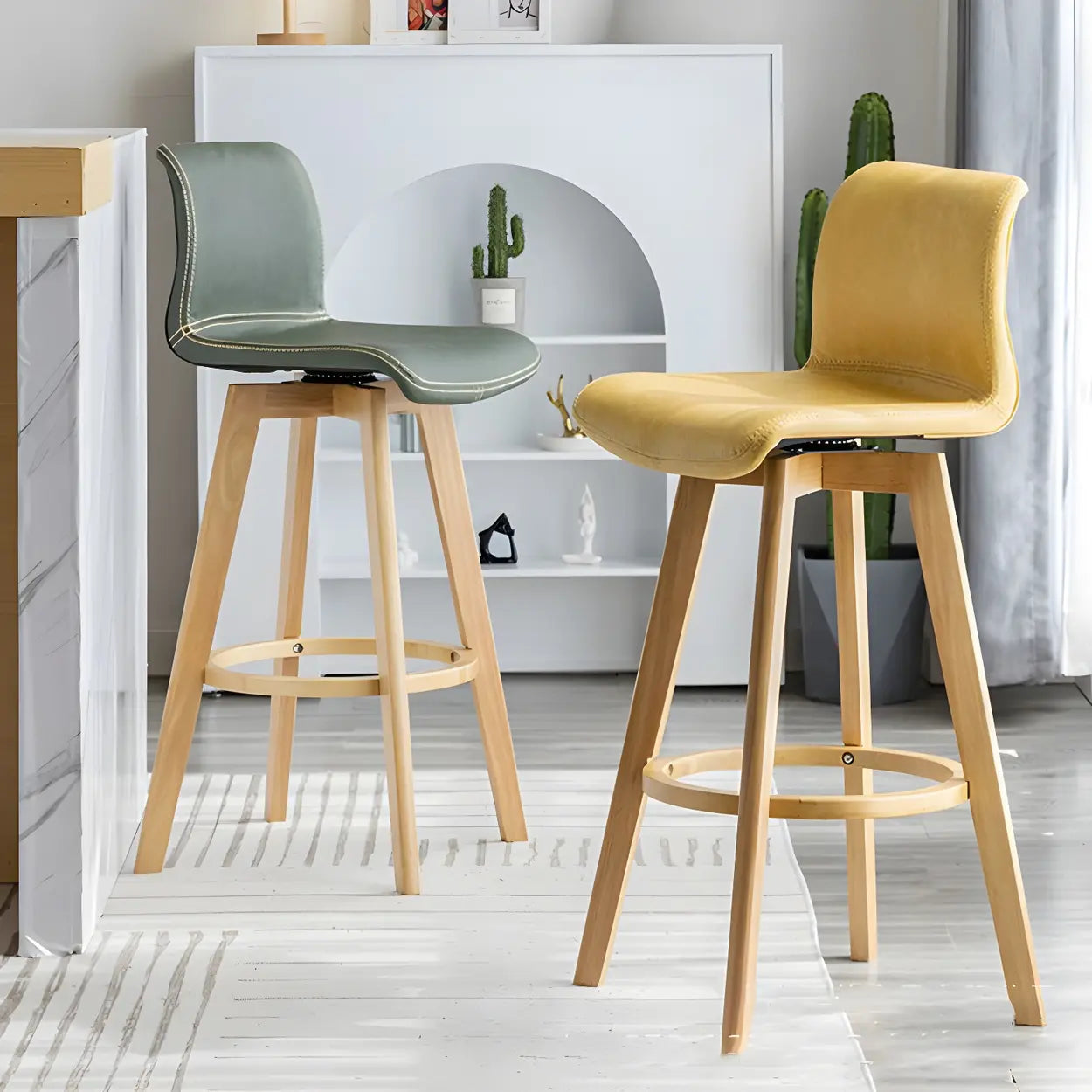
Starting around $85.99 when reviewed, this compact folding wood design is a useful example of an entry-price stool for occasional seating and space-conscious rooms.
View This Wood Bar Stool
Adjustable Height Swivel Metal Leather Bucket Bar Stool
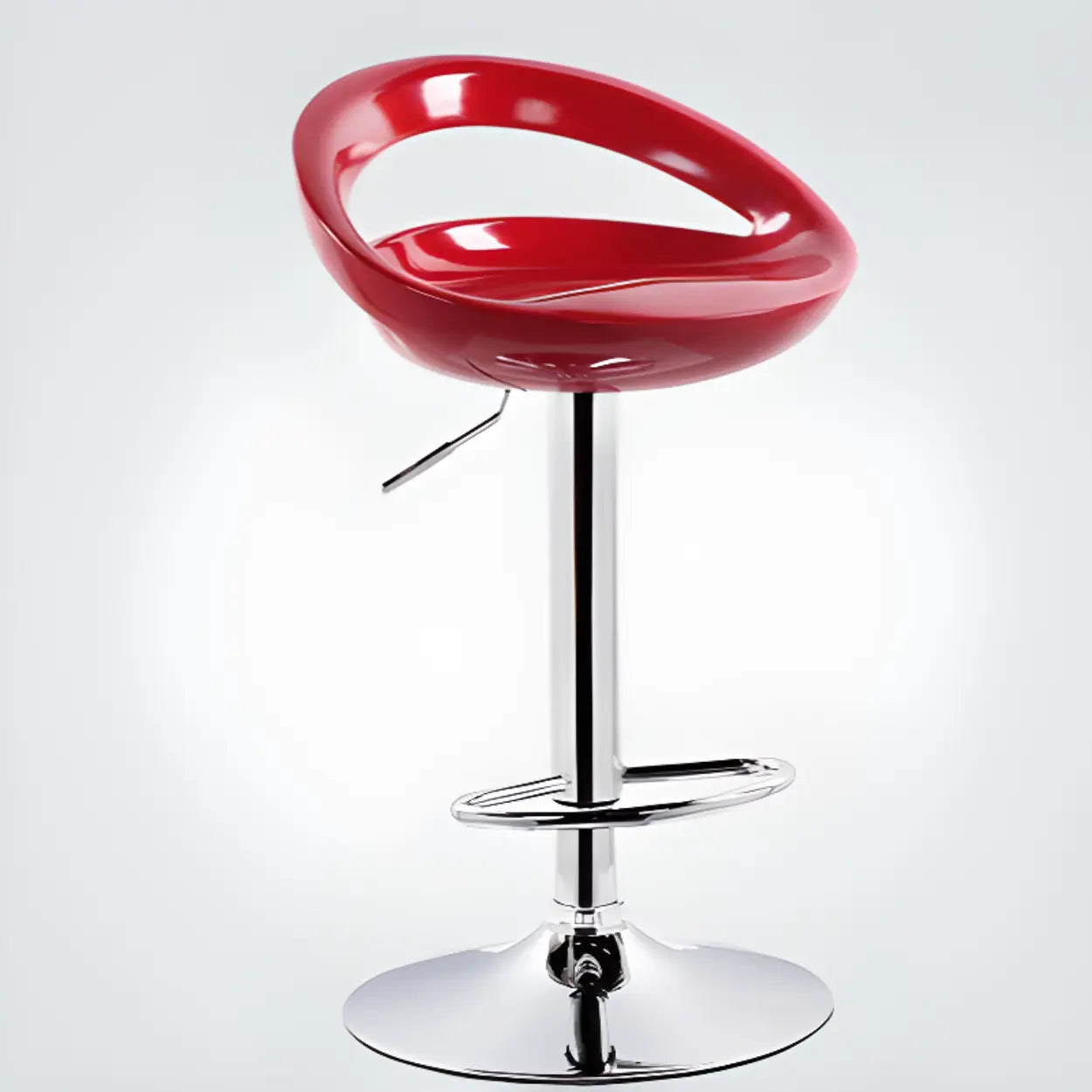
Listed around $239.99 when reviewed, this model illustrates the mid-range cost of combining a shaped seat, swivel movement, adjustable height, and a pedestal base.
View This Adjustable Stool
Modern Upholstered Tufted Faux Leather Counter Bar Stool
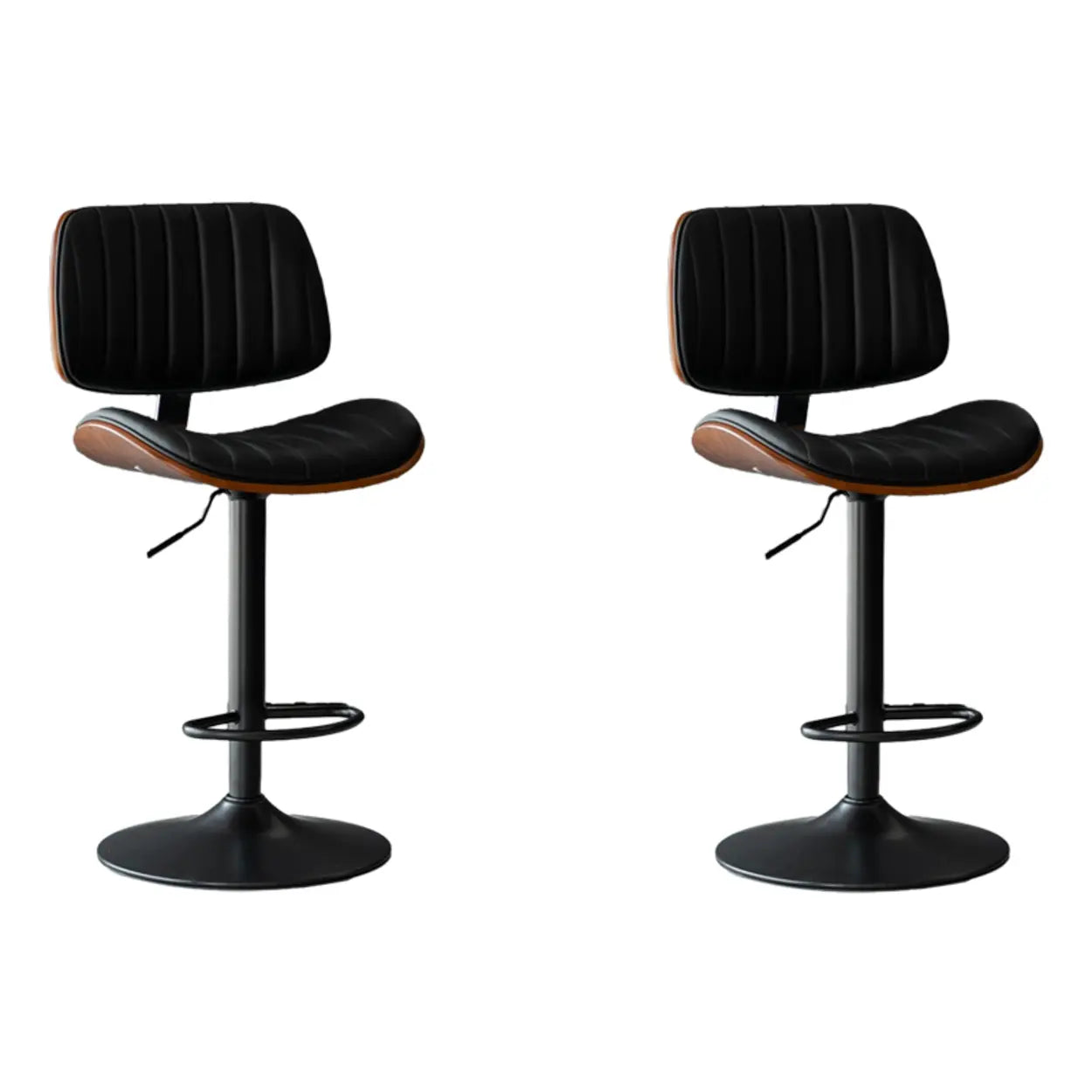
Starting around $389.99 when reviewed, this stool shows how tufting, a fuller back, decorative contrast, cushioning, and multiple seat-height choices can move a design into a premium tier.
View This Upholstered StoolFinal Bar Stool Buying Checklist
Before choosing a bar stool, confirm the details that have the greatest effect on comfort, fit, and total cost:
- Surface height: measure from the floor to the top of the counter or bar.
- Knee clearance: measure to the lowest underside obstruction, not only the countertop.
- Seat height: leave about 9–13 inches between the seat and underside of the surface.
- Quantity: allow enough width for each person and extra clearance for swivel or arms.
- Price format: confirm whether the listing is for one stool or a set.
- Daily use: choose back support, padding, and footrest placement for the expected sitting time.
- Material care: select a finish and upholstery that suit food, pets, children, and cleaning habits.
- Mechanisms: pay for swivel or adjustable height only when they improve how the stool will be used.
- Delivery and returns: include shipping, assembly, tax, and possible return costs in the budget.
- Long-term value: compare stability, repairability, dimensions, and comfort—not only the sale price.
The best bar stool is not automatically the cheapest or most expensive. It is the one that fits your counter, supports the way you sit, works with the room, and stays within the total budget for every seat you need.
FAQ: How Much Does a Bar Stool Cost?
What is the average cost of a bar stool?
A practical shopping range is about $50 to $700 or more per stool, with many residential options concentrated around $100–$300. The actual average varies by retailer, material, height, upholstery, and whether the product is sold individually or as a set.
How much should I spend on kitchen island stools?
For daily-use kitchen island stools, a budget of roughly $150–$300 per seat often provides a useful balance of comfort, frame quality, backs, footrests, upholstery, and style choice. Simpler stools can cost less, while premium upholstered or solid-wood designs can cost more.
How much does a set of bar stools cost?
A set of two may cost about $100–$1,400 or more, depending on whether the stools are basic, mid-range, or premium. A four-stool setup can range from a few hundred dollars to several thousand. Divide the set price by the included quantity to compare the true cost per stool.
Why are some bar stools so expensive?
Higher prices may reflect solid wood, genuine leather, detailed upholstery, arms, sculpted frames, specialty finishes, swivel hardware, adjustable mechanisms, custom production, or designer branding. Shipping size and weight can also contribute to the final cost.
Are cheap bar stools worth buying?
They can be worth buying for occasional use, temporary seating, small spaces, or a limited budget. Check stability, seat dimensions, footrest placement, weight capacity, assembly, and finish quality. For heavy daily use, spending more on comfort and construction may offer better long-term value.
How much do wood bar stools cost?
Wood bar stools can start below $100 for compact or folding designs and rise above $500 for substantial solid-wood frames, decorative construction, backs, swivel mechanisms, and premium finishes.
How much do leather bar stools cost?
Faux-leather stools commonly appear from around $100 into the mid-hundreds. Genuine leather, full upholstery, arms, detailed stitching, premium frames, and traditional construction can push the price to $300–$800 or more per stool.
Do swivel bar stools cost more?
They often cost more than a comparable stationary stool because the rotating mechanism adds hardware and assembly. The price difference depends on the frame, swivel quality, upholstery, and whether the stool also includes adjustable height or arms.
How many bar stools do I need for a 6-foot island?
A 6-foot island provides 72 inches of length. Three compact armless stools are a common starting point when allowing about 24 inches per person. Wide seats, arms, or swivel clearance may require more space, so use the actual usable seating width and product dimensions.
What hidden costs should I consider when buying bar stools?
Possible additional costs include sales tax, delivery, assembly, return shipping, floor protectors, upholstery care products, replacement glides, and the cost of buying the correct quantity. Also confirm whether promotional pricing applies to the selected height and color.
