















![10 Best Floor Lamp for Reading [2026 Review]](http://www.homebaa.com/cdn/shop/articles/banner_c990b0a4-4743-4902-b6be-5609f7a21a90.webp?v=1766393057&width=400)







![How to Choose the Coffee Table Height? [2026 Newest Guide]](http://www.homebaa.com/cdn/shop/articles/coffee-table-height_2a1fd127-359f-4d5f-9ac1-3b232c7092a9.webp?v=1788166652&width=400)


Console table, entryway table, foyer table, hallway table — these terms get mixed up a lot, and for good reason. They often describe the same piece of furniture. This guide breaks down the differences between a console table vs entryway table so you can pick the right one for your space.
Table of Contents
What Is a Console Table?

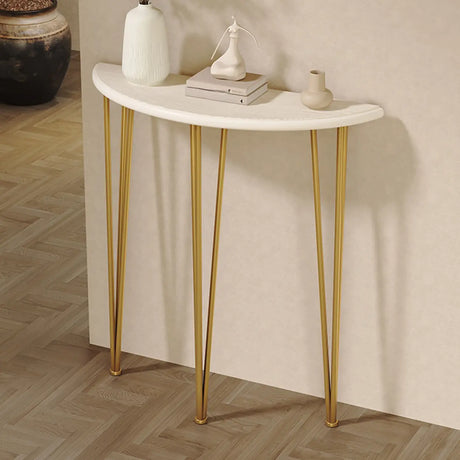
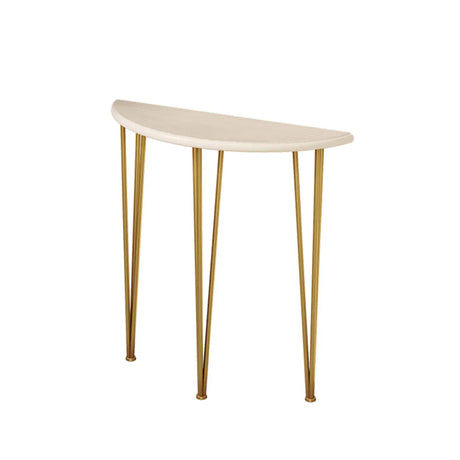
A console table is a narrow, flat-topped table designed to sit against a wall. It's usually taller than a coffee table and much shallower than a regular dining or desk table. You'll find them used behind sofas, in hallways, against dining room walls, at the foot of a bed, and in entryways or foyers.
Key features:
- Narrow and shallow profile, typically 12–15 inches deep
- Height usually between 28–34 inches
- Sits flush against a wall
- Works in multiple rooms around the home
- Comes in a wide range of styles and sizes
The point is that a console table is defined by its shape and size, not by where it goes.
What Is an Entryway Table?

An entryway table is a table placed at the entrance of a home — right inside the front door. Its main job is functional: a spot to drop your keys, set down your bag, or display a small lamp or some decor.
Key features:
- Designed specifically for the front entrance or foyer
- Often includes a drawer or bottom shelf for storage
- Compact size to fit tight entryway spaces
- Balances function and decor
Most entryway tables are narrow and wall-hugging by design, since entryways tend to be tight on space. In terms of structure, many entryway tables are actually console tables — just marketed and used specifically for the entryway.
Console Table vs Entryway Table Key Differences
At first glance, console tables and entryway tables look very similar. The differences come down to size, storage, and how each one is designed to be used.
Size and dimensions
Entryway tables tend to run slightly narrower and taller than the average console table. A typical console table is 12–15 inches deep and 28–34 inches tall, while an entryway table usually sits between 10–14 inches deep and 30–36 inches tall — built around the tighter constraints of a typical entryway.
| Console Table | Entryway Table | |
| Depth | 12–15 inches | 10–14 inches |
| Height | 28–34 inches | 30–36 inches |
| Width | 24–72 inches | 24–48 inches |
If your entryway is on the narrower side, that 2–4 inch difference in depth can influence keeping the walkway clear.
Style and design options
Console tables come in a wider range of styles — modern, industrial, mid-century, rustic, and traditional. You'll find them in wood, metal, glass, and mixed materials, which makes it easier to match an existing room setup.
Entryway tables tend to stay closer to a few tried-and-true styles that work well near a front door. Clean lines, neutral finishes, and a practical layout are common. You won't find as many bold or decorative options compared to the broader console table category.
Storage and functionality
Console tables are often open-frame with no drawers or shelves. They work well as a display surface but don't offer much in the way of everyday storage.

Entryway tables are more likely to come with built-in storage options — a bottom shelf for shoes or baskets, a drawer for keys and mail, or a deeper surface that fits a tray or organizer. If you need a table that pulls double duty as a drop zone, an entryway table is the more practical choice.
Placement and room compatibility
Console tables are versatile by design. The same table can sit behind a sofa today and move to a hallway or dining room later without looking out of place.
Entryway tables are built around one specific spot — the front entrance. The sizing and style choices reflect that. They're not as flexible if you ever want to repurpose the piece in another room.
Price and availability
Console tables generally have more options across more price points since they cover a broader furniture category. Entryway tables are a more defined niche, so the selection tends to be smaller.
| Console Table | Entryway Table | |
| Price range | $50–$800+ | $60–$500 |
| Availability | Very wide selection | More limited options |
How to Choose Between a Console Table and an Entryway Table?
Console tables and entryway tables can both work well in an entryway — the right choice comes down to how you plan to use the space and what you need from the furniture.
Choose a console table if
- You want to use the same table in different rooms down the line
- Your entryway is on the wider side and you want a longer surface
- You prefer a more open, minimal look without built-in storage
- You're shopping for a specific style and want more options to choose from
- You're also furnishing a living room or hallway and want pieces that match
Choose an entryway table if
- Your entryway is small and you need something compact
- You want built-in storage like a drawer or bottom shelf
- You're looking for something purpose-built for a foyer or hallway
- You want a table that already comes styled for an entryway setup
Can you use a console table as an entryway table
Yes, and it's actually one of the most common ways people use console tables. As long as the dimensions fit your entryway — usually under 14 inches deep and at least 30 inches tall — a console table works just as well as anything labeled "entryway table."
In fact, searching for a console table instead of an entryway table often gives you more style options at similar price points. Just check the depth before buying — anything over 15 inches might stick out too far in a narrow entryway.
Conclusion
Console table and entryway table are not two completely separate products — they overlap more than most people expect. A console table is the broader category, and an entryway table is really just a console table used at the front door. When shopping for a console table vs entryway table, focus on the dimensions, storage needs, and style that fit your space rather than the label on the product page. If you're still browsing, Homebaa carries a wide range of console tables across different styles and price points — worth a look before you decide.
FAQ
Is a console table the same as an entryway table?
Is a console table the same as an entryway table?
Not exactly. An entryway table refers to placement at the home’s entrance, while a console table is defined by its narrow, wall-hugging design and can be used in many rooms. Many entryway tables are console tables, but not all console tables are used in entryways.
Can a console table be used as an entryway table?
Can a console table be used as an entryway table?
Yes. A console table works well in an entryway if it fits the space. Depths under 14 inches are ideal to avoid blocking foot traffic, and they offer flexible style options.
What size console table works best in an entryway?
What size console table works best in an entryway?
A table around 30 to 48 inches wide, 10 to 14 inches deep, and 30 to 34 inches tall fits most entryways. In very narrow spaces, choose a depth closer to 10 to 12 inches.
What do you put on an entryway or console table?
What do you put on an entryway or console table?
Common items include a tray for keys and mail, a table lamp, a mirror above, and a few decorative accents like a vase or candle. Lower shelves can hold baskets or shoes.
What is the difference between a console table and a sofa table?
What is the difference between a console table and a sofa table?
A sofa table is designed to sit behind a couch and is usually about the same height as the sofa back. A console table is a broader category that includes sofa tables, entryway tables, and hallway tables.