






![10 Best Floor Lamp for Reading [2026 Review]](http://www.homebaa.com/cdn/shop/articles/banner_c990b0a4-4743-4902-b6be-5609f7a21a90.webp?v=1766393057&width=400)



![How to Choose the Coffee Table Height? [2026 Newest Guide]](http://www.homebaa.com/cdn/shop/articles/coffee-table-height_2a1fd127-359f-4d5f-9ac1-3b232c7092a9.webp?v=1788166652&width=400)


You might be tired of bumping your shins against hard wooden edges, or perhaps you just need a large compartment to hide extra throw blankets. These common frustrations sometimes lead people to consider swapping a standard table for a soft footrest. Let's break down the practical differences in the coffee table vs. ottoman debate to see which piece actually meets your living room needs.
Table of Contents
Understanding the Traditional Coffee Table

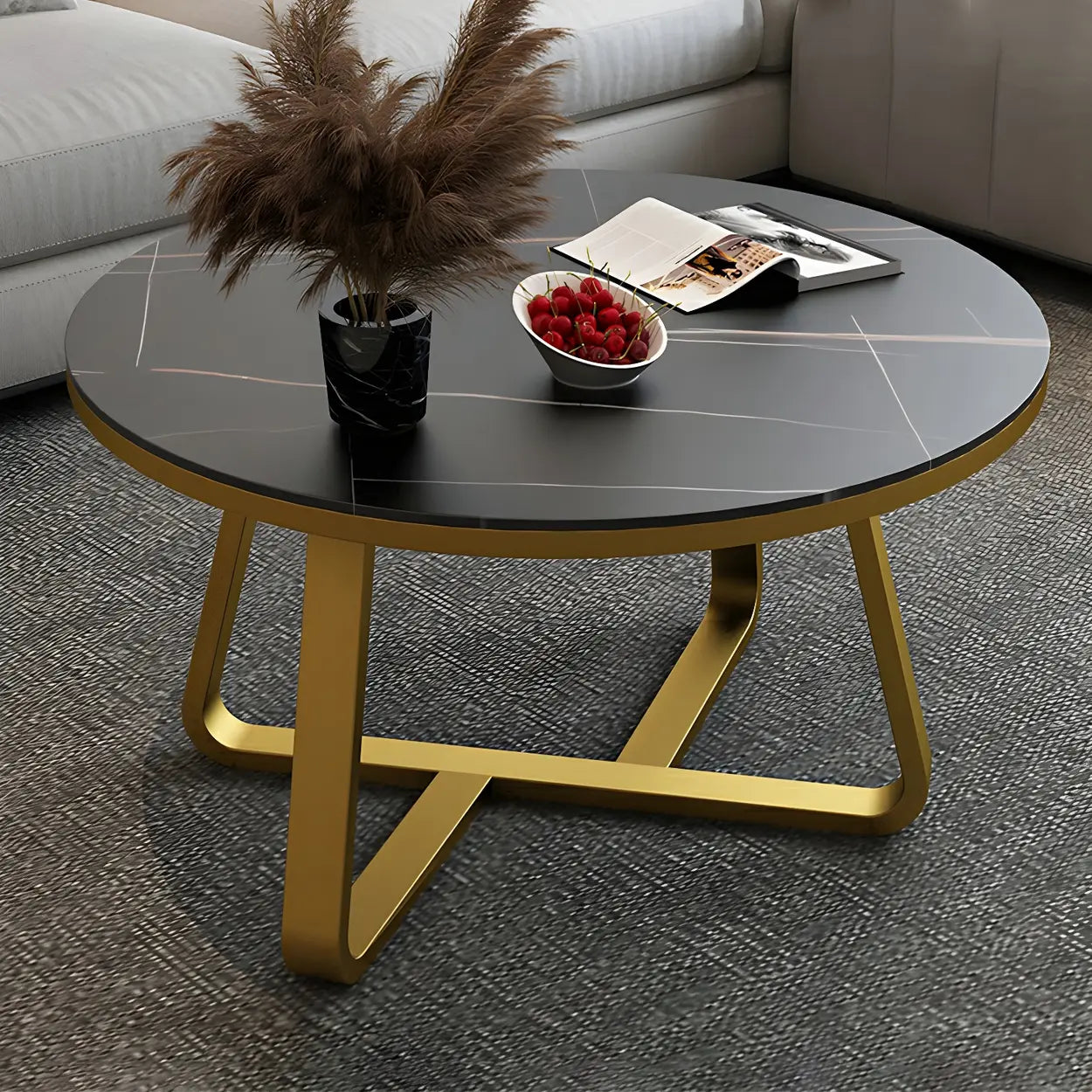
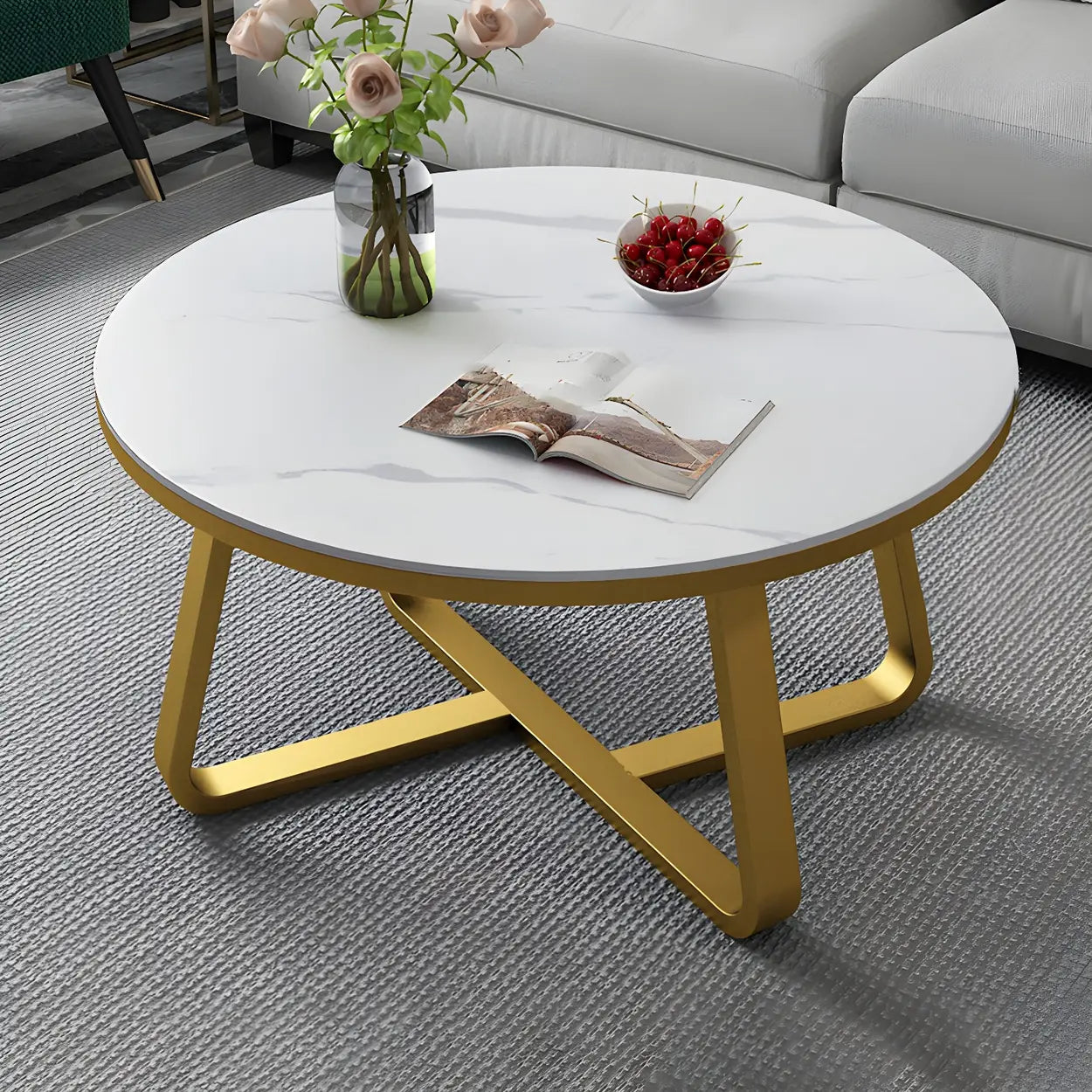
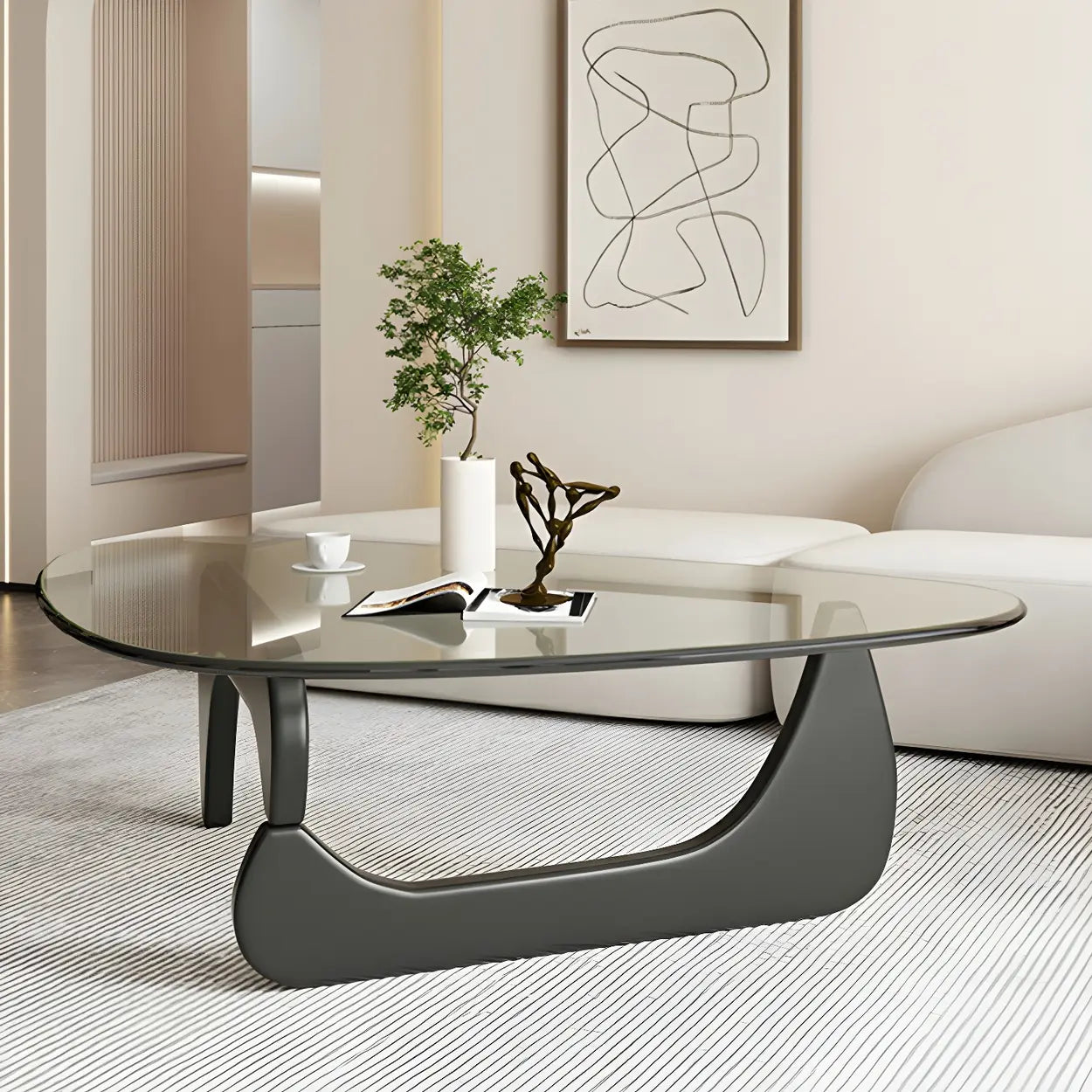
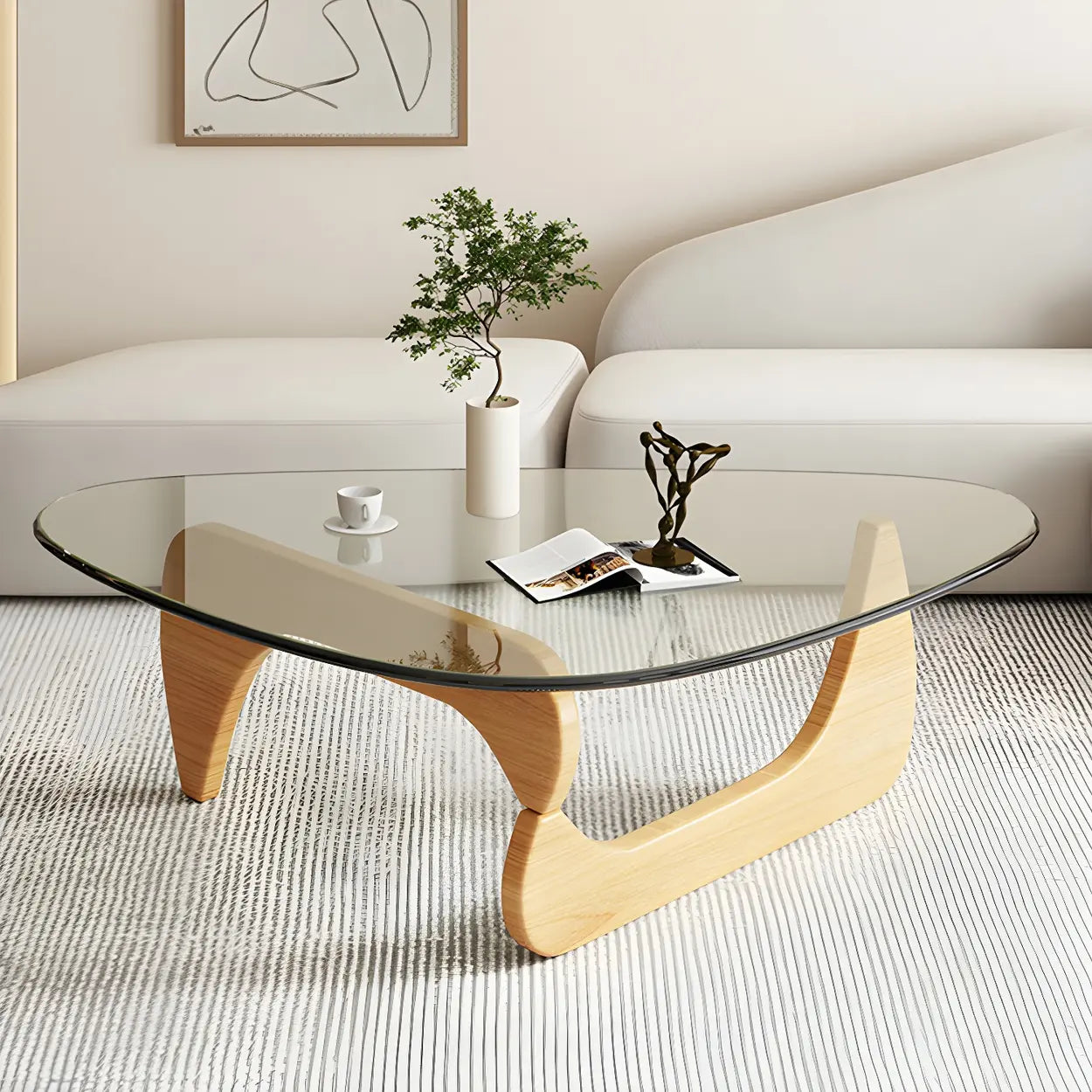
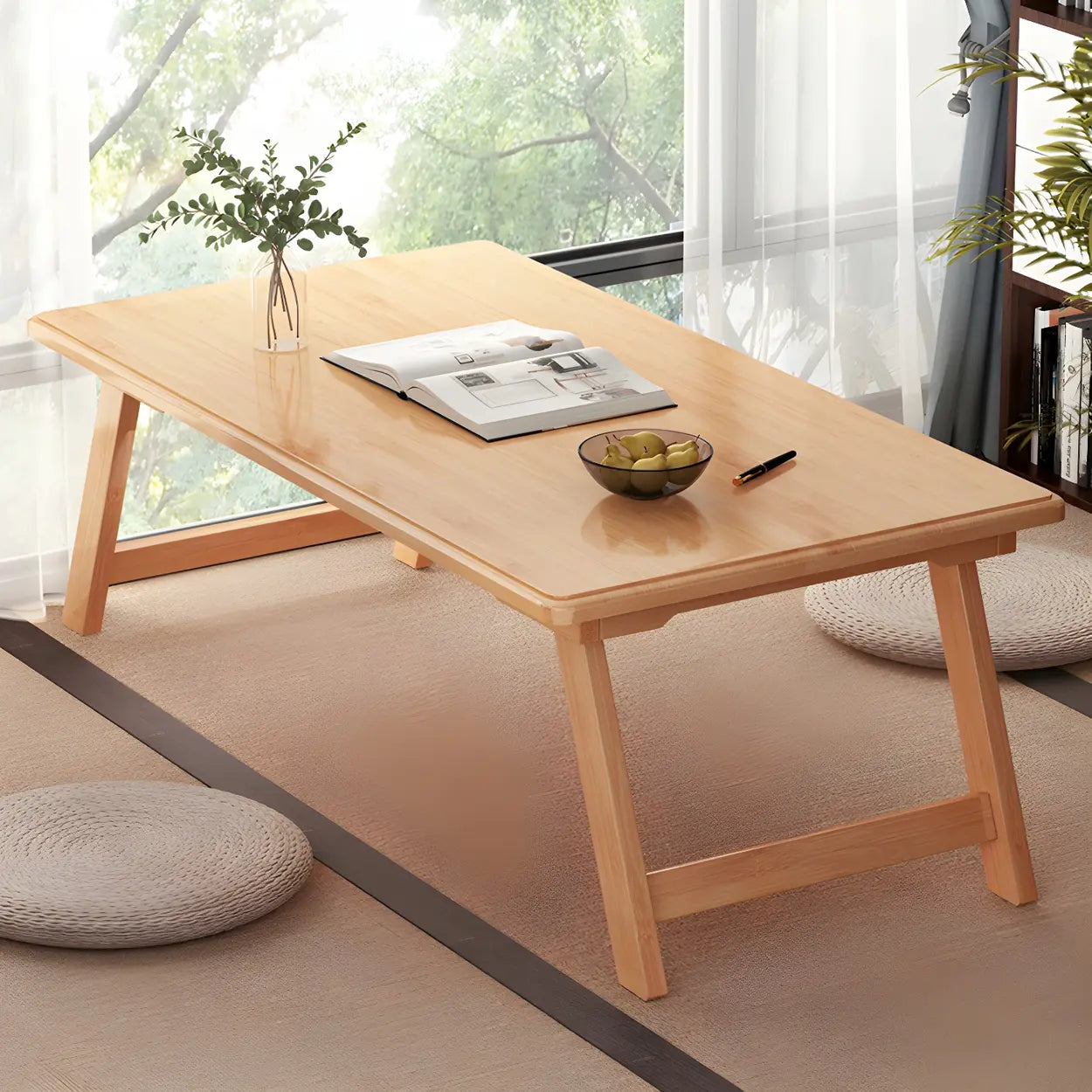
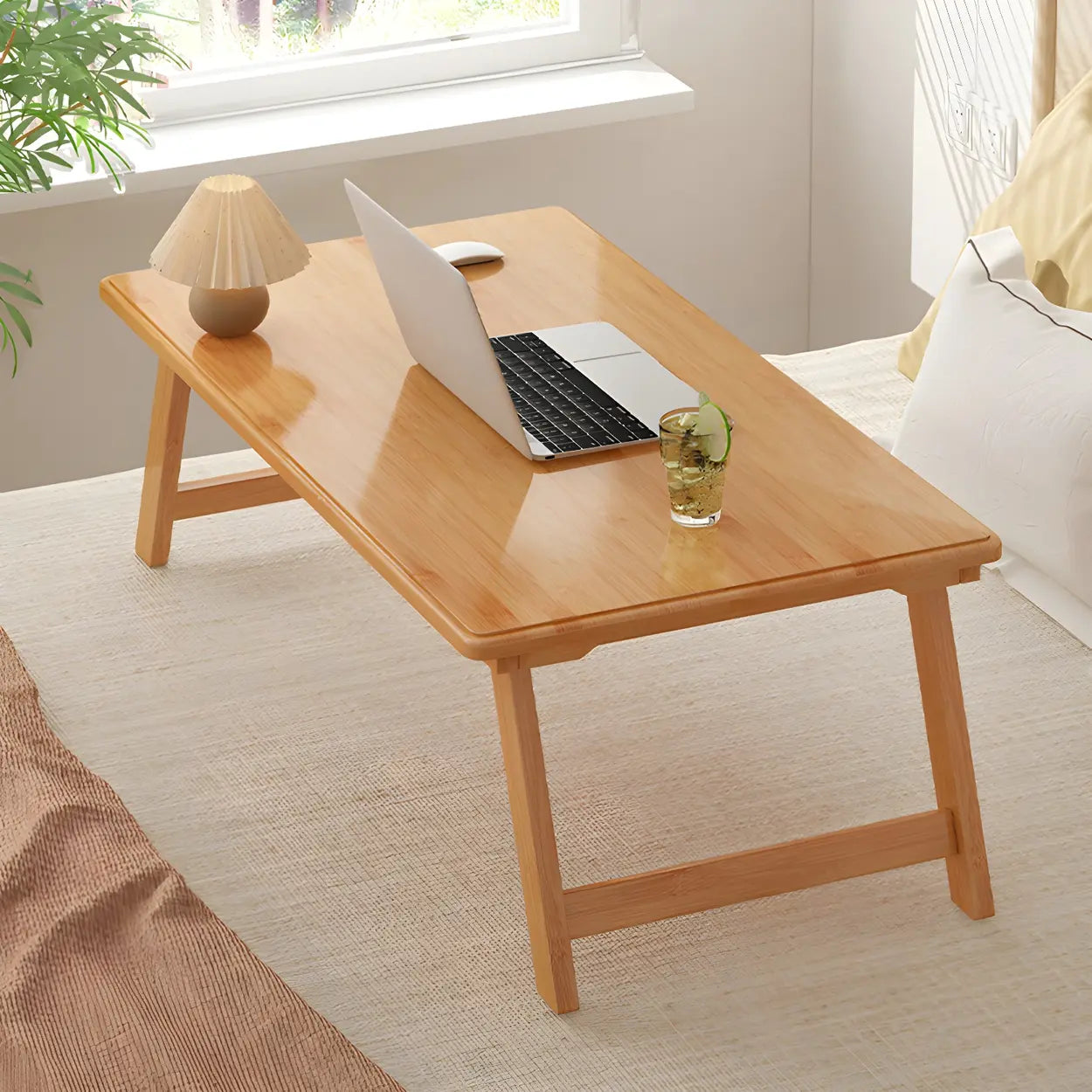
A traditional coffee table is a firm, flat structure placed directly in front of your main sofa. These pieces are built from hard materials like solid wood, metal framing, or tempered glass. They act as a central landing zone for daily activities, from eating takeout food to playing board games.
Pros:
- Provides a highly stable, flat surface for heavy plates, tall glasses, and laptops.
- Spills wipe up easily without leaving permanent stains or odors.
- Open designs allow you to stretch your legs comfortably underneath.
Cons:
- Hard materials and sharp 90-degree corners cause painful bumps and bruises.
- Offers zero utility for extra seating when you host large groups.
- Solid wood or glass models are heavy and hard to push out of the way for home workouts.
Exploring the Upholstered Ottoman

An upholstered ottoman is a sturdy box or frame covered entirely in padding and fabric. Originally designed just for resting your feet, large ottomans now regularly replace center tables in small apartments. They bring soft textures into a room and often hide deep internal compartments.
Pros:
- Padded edges and soft fabrics create a safe zone for babies learning to walk.
- Instantly provides a comfortable, supportive seat for an extra guest.
- Lift-top models offer massive hidden bins for toys, pillows, and clutter.
Cons:
- The soft, tufted top cannot hold a coffee cup safely without a tray.
- Light-colored fabrics easily absorb stains from dropped food or muddy pet paws.
- Solid block designs block you from stretching your feet forward under the piece.
Coffee Table vs. Ottoman: The Key Differences
To figure out which item solves your problems, we need to look at specific daily tasks. Here is how coffee tables and ottomans handle the most common living room activities.
Surface stability for drinks and snacks
The biggest functional difference is how safely you can put down a drink. A hard table holds tall glasses securely, making it ideal for regular snacking. An ottoman is inherently soft and uneven.
| Feature | Coffee Table | Upholstered Ottoman |
| Surface Texture | Flat, hard, and solid. | Soft, padded, and sometimes tufted. |
| Drink Safety | High. Glasses sit flat. | Low. Cups will tip over easily. |
| Required Accessories | Coasters for hot/cold drinks. | A large, heavy serving tray. |
| Best Scenario | Eating dinner in front of the TV. | Resting your feet while holding a mug. |
Safety for families with young children
Safety is the primary reason parents remove coffee tables. Toddlers are the exact height of a standard table edge. A slip near a wooden table results in a sharp hit to the head. An upholstered ottoman acts as a giant cushion. If a child falls against a velvet or leather ottoman, the thick foam padding absorbs the impact and prevents serious injury.
Built-in storage and organization capacity
Both coffee tables and ottomans help you organize, but they handle different types of clutter.
- Coffee tables usually feature open lower shelves or shallow sliding drawers. These are best for small, flat items like magazines, remote controls, and thin books.
- Storage ottomans feature a hollowed-out center beneath a hinged lid. This provides deep, hidden storage. They easily swallow bulky items like thick winter blankets, large board games, and oversized kids' toys, completely removing them from sight.
Comfort levels for resting legs and extra seating
During a long movie night, resting your bare heels on a hard wooden edge quickly becomes uncomfortable. An ottoman is built specifically for leg support, featuring thick foam that conforms to your calves. Furthermore, when you host a party and run out of chairs, a sturdy ottoman comfortably seats an adult. A glass table cannot safely support a person's weight.
Routine cleaning and material maintenance
Living rooms see a lot of traffic, and accidents happen. If you drop a slice of pizza on a glass or metal table, you can wipe it away with a damp paper towel in five seconds. If that same pizza drops onto a linen ottoman, the grease will soak into the fabric. You will need special upholstery cleaners, a scrub brush, and time to let the fabric dry out.
How to Choose Between a Coffee Table and an Ottoman?
Selecting a coffee table or ottoman relies on your daily living room habits. You must evaluate what activities matter most to your family before making a purchase.
Choose a coffee table if:
- You frequently eat meals or snacks directly on the sofa.
- You work from home and need a firm, flat spot for your laptop and mouse.
- You want to display fragile decor items, like glass vases or heavy candles.
- You prefer a quick, low-maintenance cleaning routine for accidental spills.
Choose an ottoman if:
- You have toddlers running around and want to eliminate dangerous sharp edges.
- Your closets are full and you desperately need a hidden place for bulky throw blankets.
- You frequently host friends and never seem to have enough comfortable chairs.
- Your primary goal is to kick your feet up and relax after a long day at work.
Conclusion
You do not have to compromise on function when resolving the coffee table vs. ottoman question. Simply weigh your need for a hard dining surface against your need for soft edges and extra storage. If you decide a solid, stable surface fits your habits best, Homebaa offers a wide variety of coffee tables. Their selection features many different styles at highly affordable prices, making it easy to upgrade your room on a budget.
Frequently Asked Questions
Can an upholstered ottoman completely replace a wooden coffee table?
Can an upholstered ottoman completely replace a wooden coffee table?
Yes, an upholstered ottoman can replace a coffee table. Adding a wide, flat serving tray on top creates a stable surface for drinks, remotes, and small items.
Does a storage ottoman save more floor space than a traditional coffee table?
Does a storage ottoman save more floor space than a traditional coffee table?
They usually take up a similar amount of floor space, but a storage ottoman provides hidden interior storage. This helps reduce clutter compared to coffee tables that rely on visible baskets or shelves.
How do I safely place drinks on a fabric ottoman surface?
How do I safely place drinks on a fabric ottoman surface?
Always use a sturdy tray with a raised edge. This creates a hard surface for drinks and helps catch spills or condensation before they reach the fabric.
Are glass coffee tables harder to keep clean than leather ottomans?
Are glass coffee tables harder to keep clean than leather ottomans?
Yes, glass tables tend to show fingerprints, dust, and water rings more easily, requiring frequent cleaning. Leather ottomans are more forgiving and usually only need occasional wiping.
Is it practical to use both coffee tables and ottomans in one room?
Is it practical to use both coffee tables and ottomans in one room?
Yes, combining both works well in larger spaces. A coffee table can serve as the main surface, while an ottoman adds comfort and flexibility near seating areas.