










![10 Best Floor Lamp for Reading [2026 Review]](http://www.homebaa.com/cdn/shop/articles/banner_c990b0a4-4743-4902-b6be-5609f7a21a90.webp?v=1766393057&width=400)



![How to Choose the Coffee Table Height? [2026 Newest Guide]](http://www.homebaa.com/cdn/shop/articles/coffee-table-height.webp?v=1766393873&width=400)




If you don't have space for a full bookcase, or just don't want one, there are plenty of other ways to store and display your books. Some options save floor space, some cost less, and some work better for renters who can't make permanent changes. This guide covers 10 practical bookcase alternatives to help you find what works for your home.
Table of Contents

Floating Wall Shelves
Floating wall shelves are one of the most common bookcase alternatives. You mount them directly on the wall, so they don't take up any floor space. They work well in small rooms, living rooms, and home offices where you want books within reach but don't want a bulky piece of furniture.
You can arrange them in a single row or stack several shelves to hold more books. If you're renting, look for no-drill or adhesive options that won't damage the walls. Just check the weight limit before loading them up, since books are heavier than they look.
Ladder Shelves
A ladder shelf leans against the wall and doesn't need to be mounted or drilled in. It's a good option if you move often or rent, since you can take it with you without leaving any marks. Most ladder shelves have three to five tiers and fit well in corners or against a narrow wall.
They're not ideal for large book collections, but they work well for everyday reads, a few decorative items, or a small home library. Styles range from natural wood to metal frames, so it's easy to find one that fits your space.


Cube Storage Units
Cube storage units are made up of individual square compartments that you can arrange in different ways. You can stack them vertically like a tall shelving unit or spread them horizontally as a low media console. Some people also use them as a room divider between a living area and a workspace.
Each cube fits roughly the same number of books as a standard shelf. You can leave them open for easy access or add fabric bins to hide clutter. This type of unit is widely available, comes in many sizes, and is one of the more affordable freestanding options.
Display Cabinets
Display cabinets usually have glass doors on the front, which makes them a good choice if you want to show off your books while keeping dust off them. They look more polished than open shelving, which suits living rooms, dining rooms, or any space where appearance matters.
Because they're enclosed, they also protect books from sunlight and humidity better than open shelves. Most display cabinets come with adjustable shelves inside, so you can fit books of different heights without wasting space.


Buffets and Sideboards
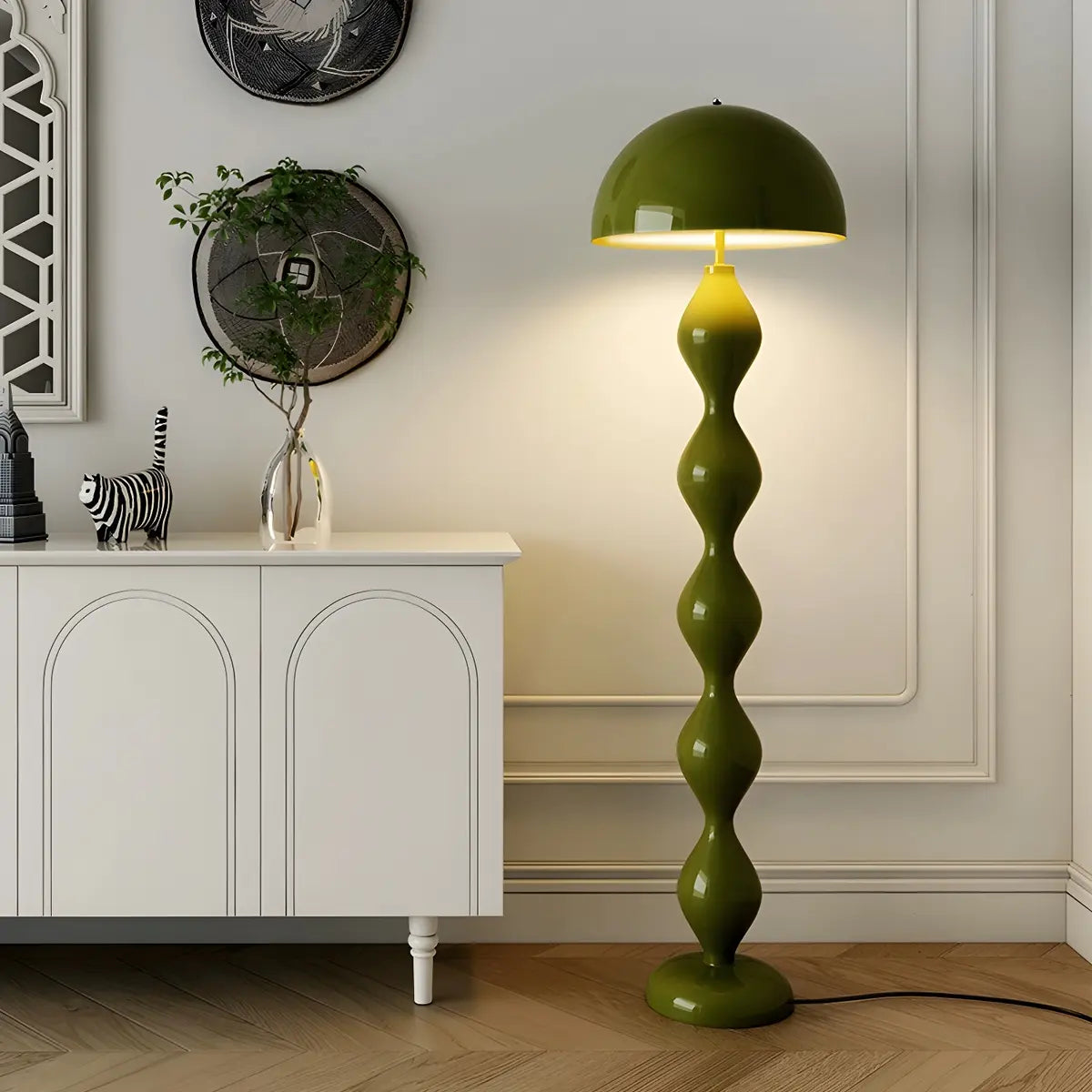
A buffet or sideboard is a low, wide cabinet that usually sits along a wall. The top surface gives you space to stack books or display a few favorites upright, and the cabinets below can store more books out of sight. This makes it a practical two-in-one option for living rooms or dining rooms.
Because sideboards are designed as furniture pieces, they tend to blend into a room more naturally than a dedicated storage unit. If you already have one in your home, it might already be doing part of the job.
Console Tables
A console table is a narrow table designed to sit against a wall. The tabletop can hold a row of upright books or a small stack, and some console tables have a lower shelf that adds extra storage space. They're a common choice for entryways, hallways, and living rooms.
They work best for smaller collections since the surface area is limited. Adding a basket or two underneath keeps things tidy and gives you more room to store paperbacks or magazines alongside your books.


Rolling Carts
A rolling cart is a lightweight shelving unit on wheels. You can move it from room to room, which makes it useful if you read in different spots around the house. It's also easy to tuck away when you need the space for something else.
Rolling carts are especially practical for kids' books since children can reach them easily and pull out what they want without help. They're generally inexpensive and available in a range of sizes, from compact two-tier carts to taller units with more shelving.
Pegboard Systems
A pegboard is a flat panel with evenly spaced holes that you mount on the wall. You insert hooks, pegs, or small shelf brackets into the holes to create a custom storage layout. This lets you adjust the configuration whenever your needs change.
Pegboard systems are popular in home offices and craft rooms, but they work just as well for books in a reading nook or bedroom. Since everything is mounted on the wall, a pegboard keeps your floor clear and makes good use of vertical space that would otherwise go unused.


Crates and Wooden Boxes
Wooden crates and boxes are one of the most budget-friendly ways to store books. You can stack them on the floor, mount them on the wall, or arrange them in different directions to create a patchwork shelving effect. They're easy to find at thrift stores, craft shops, or online.
This option suits casual readers who want something functional without spending much. The look is rustic and informal, which fits well in bedrooms, playrooms, or laid-back living spaces. You can also paint or stain them to match your existing furniture.
Ottomans or Benches with Storage
An ottoman or storage bench has a hollow interior where you can keep books out of sight. From the outside, it just looks like a seat or a coffee table, so it keeps the room looking tidy even when you have a lot to store. This is useful in living rooms or bedrooms where you want to reduce visual clutter.
It's best suited for paperbacks and smaller books since hardcovers can be harder to stack efficiently in a lidded space. If you already use an ottoman as a coffee table or extra seating, adding book storage is a simple way to get more use out of the same piece of furniture.

Conclusion
A bookcase is just one way to store books, and it's not always the most practical choice for every home. If you have a small apartment, a tight budget, or just prefer a different look, the bookcase alternatives on this list give you real options to work with. Think about how many books you have and how much floor space you're working with before deciding.
FAQ
What can I use instead of a bookcase?
What can I use instead of a bookcase?
Floating wall shelves, ladder shelves, and cube storage units are common alternatives. Display cabinets and sideboards also work well if you want a more furniture-like look. The best option depends on your space and how many books you need to store.
How do I store books in a small room?
How do I store books in a small room?
Use vertical space to your advantage. Floating shelves and pegboards keep books off the floor, while ladder shelves and rolling carts provide storage without feeling bulky. Choose pieces that maximize storage without overcrowding the room.
What is the cheapest bookcase alternative?
What is the cheapest bookcase alternative?
Wooden crates and rolling carts are usually the most affordable options. You can often find crates at thrift stores for a low cost. Over-door organizers and repurposed furniture like console tables with baskets are also budget-friendly solutions.
Are floating shelves strong enough for books?
Are floating shelves strong enough for books?
Yes, most floating shelves can hold books if they are installed correctly with proper wall anchors. Always check the weight capacity and avoid overloading a single shelf, as books can be quite heavy.
What's the best bookcase alternative for renters?
What's the best bookcase alternative for renters?
Ladder shelves and freestanding cube storage units are ideal because they do not require drilling. Adhesive wall shelves are another option, but they typically have lower weight limits compared to mounted shelves.
How do I organize books without a bookshelf?
How do I organize books without a bookshelf?
Organize books by size, genre, or frequency of use. Use baskets or bins in cube units or on console tables to group smaller books. Labels can help, especially when storing books in closed storage like ottomans or cabinets.


