











![10 Best Floor Lamp for Reading [2026 Review]](http://www.homebaa.com/cdn/shop/articles/banner_c990b0a4-4743-4902-b6be-5609f7a21a90.webp?v=1766393057&width=400)



![How to Choose the Coffee Table Height? [2026 Newest Guide]](http://www.homebaa.com/cdn/shop/articles/coffee-table-height_2a1fd127-359f-4d5f-9ac1-3b232c7092a9.webp?v=1788166652&width=400)


Moving into a college apartment is exciting, but furnishing a small space can feel surprisingly complicated. A living room may need to function as a place to study, relax, eat, entertain friends, and store everyday belongings. A kitchen may also become a dining area and homework station. When you add clothing, textbooks, electronics, roommates, and everything else needed for a new school year, every square foot starts to matter.
The smartest approach is not to fill the apartment with furniture. It is to choose college apartment essentials that work harder. Compact tables, narrow furniture, multifunctional surfaces, movable pieces, and storage-friendly designs can give you the functionality you need without making the apartment feel crowded.
This guide to college apartment furniture explains how to plan a small apartment before move-in day, what furniture to buy first, how to choose space-saving tables, how to create a functional study area, and how to keep living and dining zones open. You will also find practical small-space furniture ideas that can continue working long after move-in day.
Instead of shopping for an idealized apartment, think about how you will actually live. The best small apartment furniture is furniture that earns its floor space by solving a real problem every day.
Quick Jump Links
- College Apartment Essentials: What Should You Buy First?
- Measure Your Apartment Before Shopping
- Choose Furniture by Function
- Small-Space Dining Furniture Ideas
- Why Narrow Bar Tables Work in Small Apartments
- Build a Living Room Without Losing the Walkway
- Create a Functional Study Area
- Small Apartment Storage Furniture
- Move-In Day Furniture Checklist
- Recommended Homebaa Furniture
- Small Apartment Furniture for Roommates
- How to Shop for Small-Space Furniture
- FAQ
College Apartment Essentials: What Should You Buy First?
If your move-in budget is limited, prioritize furniture according to daily function rather than appearance. Decorative furniture can wait. The first pieces should help you sleep, study, eat, relax, and keep everyday clutter under control.
A practical priority order for most students is:
- Sleeping basics: Make sure the bedroom has the required bed and storage furniture before adding decorative pieces.
- Study surface: Create one dependable place for laptop work, reading, writing, and online classes.
- Seating: Choose comfortable seating that does not consume unnecessary floor space.
- Dining surface: Consider a compact dining table, folding table, or narrow bar-height setup when appropriate.
- Living-room surface: Add a small coffee table, side table, or movable table only if it improves everyday use.
- Storage-support furniture: Use narrow consoles, shelves, side tables, or other pieces to give frequently used items a designated place.
The key principle is function per square foot. In a small college apartment, one piece of furniture can often serve multiple purposes. A dining table can become a study desk. A narrow bar table can work as a breakfast surface and laptop station. A compact side table can move between the sofa and bedroom depending on what you need.
Move-in strategy: Buy the furniture that solves an immediate daily problem first. Live in the apartment for a few days before adding secondary furniture. Your actual routines will tell you more than a floor plan alone.
Measure Your Apartment Before You Shop
One of the most common small-apartment mistakes is shopping by appearance instead of dimensions. A table may look compact in a product photograph but still be too deep for your kitchen wall. A chair may look narrow but make a walkway uncomfortable once it is pulled away from the table.
Before move-in day, measure the places where furniture will actually go. Record wall length, usable depth, door swings, window locations, outlet positions, hallway width, and the clearance needed to open cabinets and drawers.
| Area | What to Measure | Why It Matters |
|---|---|---|
| Living room | Sofa wall, walkway width, windows, doors, and furniture clearance | Prevents oversized furniture from blocking circulation |
| Dining area | Available length and depth, kitchen clearance, chair space | Helps determine whether a dining table, folding table, or bar table will fit |
| Study area | Desk width, desk depth, chair pull-out space, outlet location | Creates a workstation that is actually comfortable to use |
| Entryway | Wall depth, door swing, hallway clearance | Determines whether a narrow console can fit without obstructing traffic |
| Bedroom | Bed placement, closet doors, dresser clearance | Prevents furniture from interfering with storage and movement |
| Building access | Doorways, elevator, stairwell, hallway turns | Ensures larger furniture can actually reach the apartment |
Move-in day tip: Measure the route as well as the destination. A table can fit perfectly against a wall and still fail at the apartment entrance, elevator, stairwell, or hallway. For larger furniture, compare packaged dimensions with your building's access points.
Use painter's tape to test furniture footprints
One of the easiest ways to test a small-space furniture layout is to mark the expected footprint on the floor with painter's tape. Outline the table, pull out the chairs, and then walk through the area carrying a backpack or laundry basket.
If the route already feels tight when the furniture is represented only by tape, the finished room will probably feel even tighter. This simple test can help you decide between a standard table and a narrower alternative before you spend money.
Choose Furniture by Function, Not Just by Room
Traditional furniture shopping often treats every room as a separate zone with a dedicated set of furniture. Small college apartments frequently work better when furniture is selected around activities instead.
Instead of asking, “What furniture belongs in my living room?” ask questions such as:
- Where will I study?
- Where will I eat?
- Where will I keep my laptop when I am not using it?
- Where will I put keys, bags, mail, and chargers?
- Where can friends sit when they visit?
- Which surfaces can serve more than one purpose?
Study and dining in one zone
If you do not need a formal dining room, a compact dining surface can become your main study area. Choose a tabletop that is wide enough for a laptop and notebooks but shallow enough to preserve a comfortable walking path.
This approach can eliminate the need for both a large desk and a separate dining table. When it is time to eat, clear the work materials and return the surface to dining use.
Living and homework in one zone
A compact side table can be more useful than a large coffee table when floor space is limited. A movable table can come closer to the sofa when you need a laptop or drink surface and move away when you need more open floor space.
Kitchen and breakfast in one zone
A narrow table along a wall or window can create a breakfast station without requiring a traditional dining set. When breakfast is finished, the same surface can become a laptop workstation.
Entry and storage in one zone
A slim console can provide a landing area for keys, backpacks, mail, wallets, and chargers. This can prevent small everyday items from spreading across the kitchen counter, dining table, and sofa.
Small-Space Dining Furniture Ideas for College Apartments
Dining furniture is one of the easiest categories to oversize. Before choosing a table, think about how many people actually need to sit there on an ordinary weekday.
If you usually eat alone, with one roommate, or with a partner, a compact two-person arrangement may be more practical than a large four- or six-seat table. If you occasionally host friends, look for furniture that can expand, move, or adapt rather than occupying extra floor space every day.
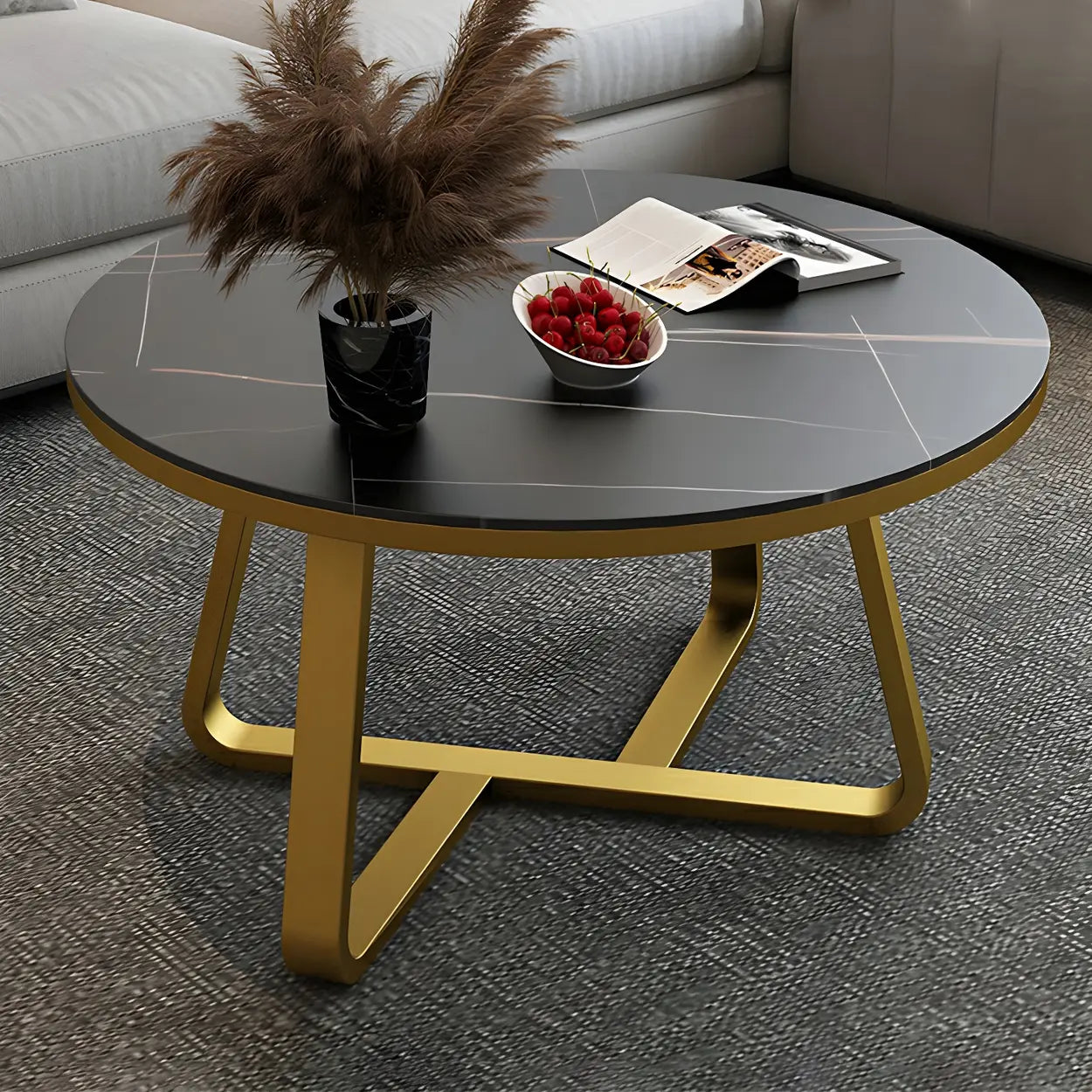
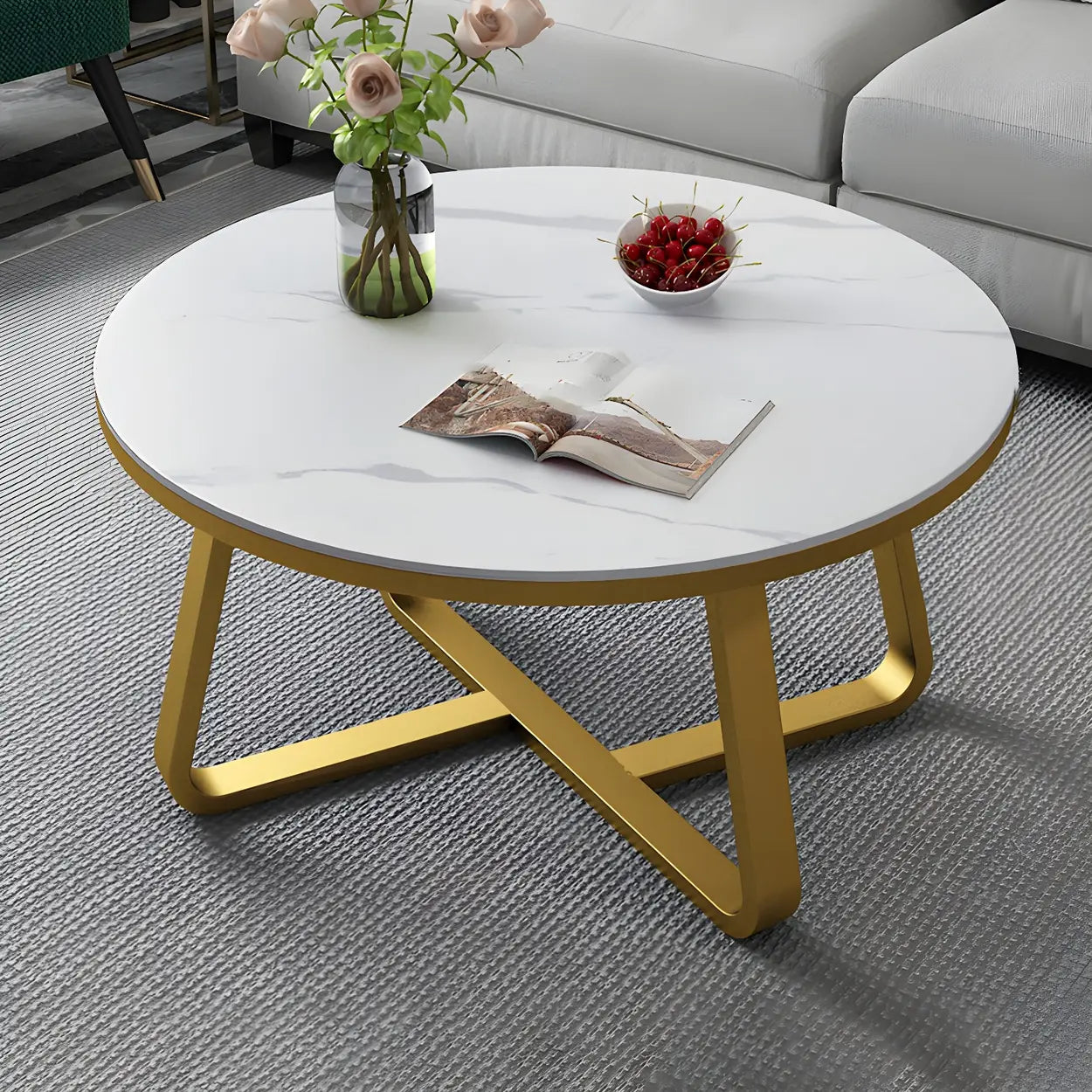
Round tables for easier circulation
Round dining tables can work particularly well in compact rooms because they eliminate sharp corners. This can make a narrow walkway easier to navigate and allows chairs to approach the table from multiple directions.
A round table can also create a softer visual transition between a kitchen and living area. This can be useful when the apartment has an open floor plan and the dining area needs to feel distinct without using a large piece of furniture.
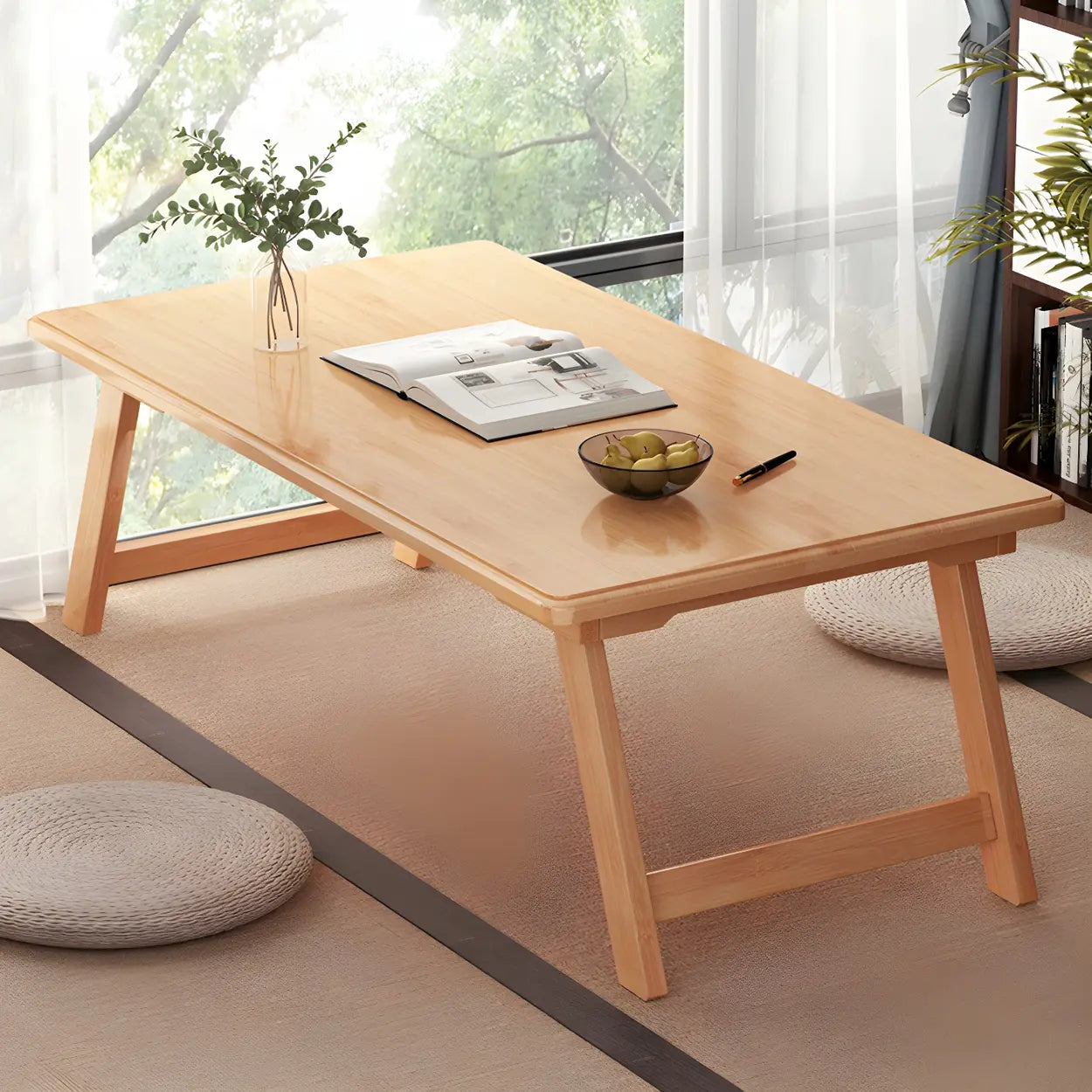
Narrow rectangular tables for wall placement
A narrow rectangular table can be pushed closer to a wall when you need to preserve open floor space. This layout is useful in apartment kitchens, studio apartments, and combined living-dining rooms.
When choosing a narrow table, do not focus only on tabletop depth. Check the amount of space needed for knees, chairs, and movement behind the chairs.
Folding and flexible tables
Folding furniture can be useful when one room needs to support several activities. A table may function as a dining surface during meals and become a larger study or project surface later.
Always check the dimensions in both configurations. A table that is compact when folded may require significantly more floor space when fully opened.
Choose seating after checking the table height
Table and seating height should be considered together. If you choose a bar-height table, use seating designed for that height rather than assuming standard dining chairs will be comfortable.
The goal is not simply to find a narrow table. The entire dining footprint needs to work together.
Why Narrow Bar Tables Can Work in Small Apartments
Bar tables are not only for home bars. In the right college apartment, a narrow bar-height table can function as a compact dining area, breakfast station, homework surface, casual gathering spot, or visual divider between zones.
The biggest advantage is often the footprint. A narrow table can take advantage of wall-side or window-side space that might otherwise remain unused.
What to measure before buying a bar table
- Tabletop depth: Make sure there is enough room for food, drinks, or a laptop without taking over the walkway.
- Table height: Confirm that the table height matches the intended seating.
- Stool height: Check the seat height instead of choosing stools only by appearance.
- Knee clearance: Make sure the table structure does not make the seating uncomfortable.
- Walking clearance: Test the complete table-and-stool footprint.
A useful small-space test is to place painter's tape on the floor before delivery. Mark the table footprint and the pulled-out stool positions. Walk through the taped area several times. If you constantly need to turn sideways or move furniture out of the way, consider a narrower arrangement.
When a bar table is a better choice
A bar table can be especially useful when your apartment has an unused wall, a wide window ledge, or a narrow kitchen edge that is too small for a traditional dining set. It can also work well when you want one surface to handle breakfast, studying, and casual dining.
Build a Living Room Without Losing the Walkway
College apartment living rooms often have to do too much. They are where you watch movies, study, eat snacks, talk with roommates, host friends, and sometimes work remotely.
The solution is not necessarily to buy less furniture overall. It is to make sure the furniture you do buy leaves enough open space for movement.
Start with the largest fixed piece
Usually, the sofa is the largest fixed piece in a college apartment living room. Position it first, then evaluate how much space remains.
Once the sofa is in place, add only the surfaces that genuinely improve everyday use. If there is already a kitchen table nearby, you may not need a large coffee table in the living room.
Use movable surfaces
Movable furniture is valuable in a student apartment. A compact side table can move from the sofa to the bedroom. A lightweight table can become a laptop surface during study sessions and then move away when friends arrive.
Keep the center flexible
A large coffee table can become a permanent obstacle. Before buying one, consider how often you need the surface compared with how often you need open floor space.
Nesting tables, compact coffee tables, and side tables can provide useful surfaces without occupying the entire center of the room.
Choose visual lightness
Furniture with open legs, slimmer frames, and lighter visual proportions can make a small apartment feel less crowded. This does not mean every piece needs to be delicate. It simply means that the room should retain enough visible floor and wall area to breathe.
Create a Functional Study Area Without Creating a Whole Office
A college apartment study area needs to support laptop work, reading, writing, online classes, video calls, and group projects. Yet many students do not have enough room for a large desk.
Choose the smallest surface that comfortably supports your equipment. Measure your laptop, monitor, keyboard, notebooks, and lamp before deciding how wide or deep the workstation needs to be.
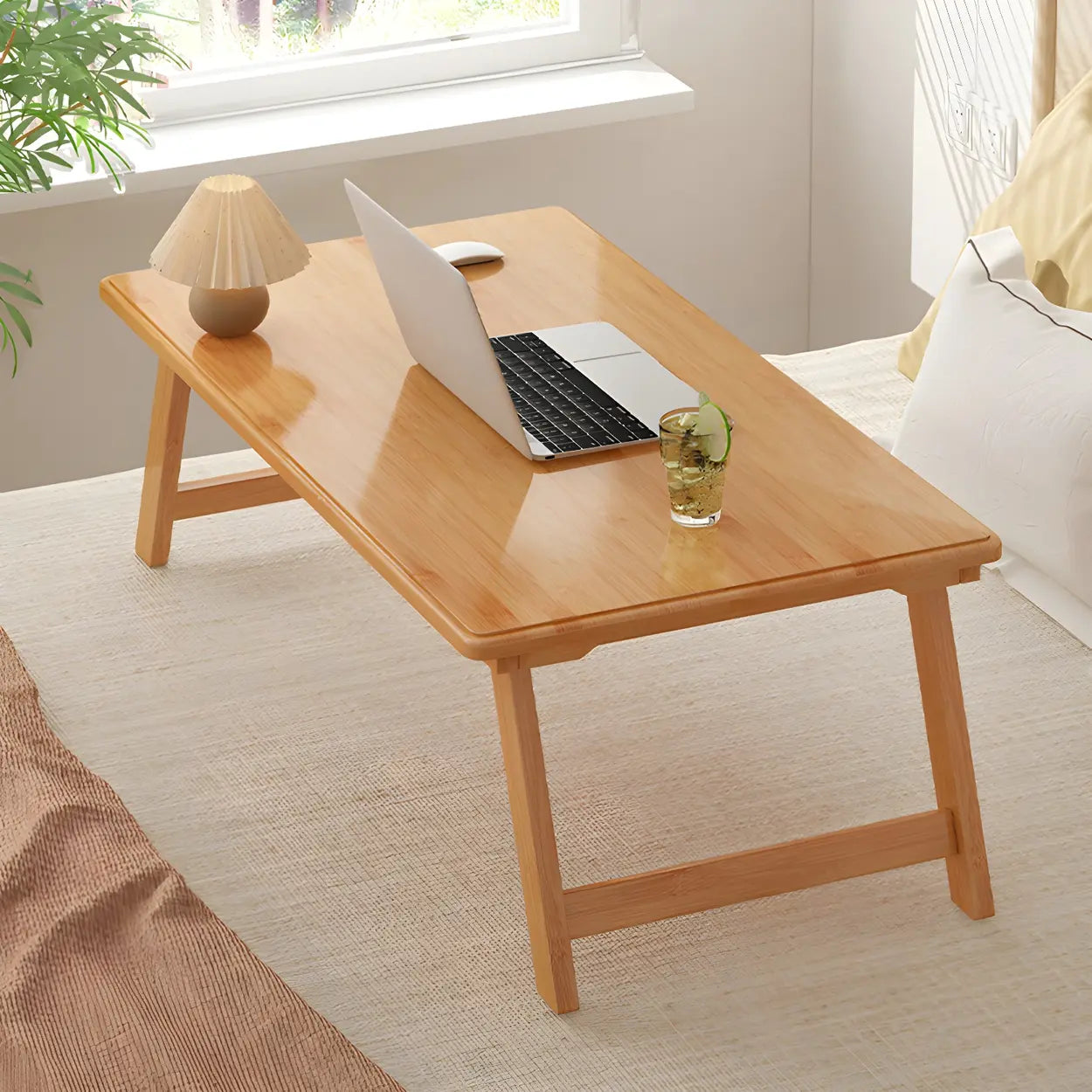
Consider a multipurpose workstation
If space is especially limited, a dining table or narrow bar table can become the primary workstation. This can be more efficient than owning both a desk and a dining table.
If you share the apartment, establish a simple habit of clearing the surface after studying so the furniture can return to its dining function.
Do not forget the chair footprint
Desk dimensions are only half the equation. A chair needs room to pull out, and you need space behind the chair to stand up.
Measure the complete occupied footprint rather than measuring only the desktop. This is especially important when the workstation is placed near a bed, wall, kitchen cabinet, or dining area.
Keep cables under control
Small rooms make cable clutter more noticeable. Place the workstation near an outlet when possible, and use simple cable management rather than letting chargers spread across the floor.
A clean workstation also makes it easier to transform a multipurpose room from study mode to dining or relaxation mode.
College Apartment Storage: Think Vertical, Narrow, and Mobile
When floor space is limited, storage does not automatically mean another large cabinet. Look for furniture that adds storage while performing another function.
- Side tables with shelves: Useful for books, chargers, remotes, and small everyday items.
- Console tables: Useful behind a sofa or along an entry wall when depth is limited.
- Nesting tables: Useful when you occasionally need extra surfaces but do not want them spread around the apartment every day.
- Tables with storage: Useful in living and dining areas where another cabinet would consume too much space.
- Mobile pieces: Useful when the apartment layout changes during the week.
Storage furniture should solve a recurring clutter problem. If backpacks always end up on the dining table, create a designated landing area. If chargers accumulate beside the sofa, give them a dedicated surface.
Good small apartment storage is less about hiding everything and more about making frequently used objects easy to put away.
Move-In Day Furniture Checklist
Do not try to complete the entire apartment on the first day. A staged approach usually creates fewer expensive mistakes.
| Priority | Furniture Goal | Move-In Decision |
|---|---|---|
| 1 | Sleep | Make sure the bedroom works before adding decorative furniture. |
| 2 | Study | Create one reliable place for laptop work and reading. |
| 3 | Eat | Add the smallest practical dining surface for your household. |
| 4 | Relax | Add only living-room surfaces that improve everyday use. |
| 5 | Store | Identify recurring clutter before buying more storage furniture. |
| 6 | Decorate | Add style pieces after you understand how the room functions. |
This order is intentionally practical. After living in the apartment for a week, you may discover that you eat at the kitchen counter more often than expected. You may realize that your sofa is already close enough to the coffee table and that a side table would work better. You may discover that the entryway needs a narrow landing surface more urgently than the bedroom needs another decorative piece.
The one-week rule: If a furniture purchase is not urgent, wait a week. Your daily habits will reveal what the apartment is actually missing.
Recommended Homebaa Furniture for Small College Apartments
For move-in furniture, prioritize pieces with clear space-saving benefits and dimensions that can be checked before ordering. The following Homebaa options are especially relevant to the small-space principles in this guide.

Narrow Brown Wood Bar Table for Wall & Window Seating
With a slim approximately 16-inch depth and multiple length options, this table is designed for compact wall-side and window-side layouts. It can support casual dining, coffee, or laptop work while preserving more open floor space.
View This Space-Saving Table
Geometric Half-Circle Sintered Stone Black Hall Console Table
This narrow console has an approximately 12-inch depth and can work along a compact entry wall or behind a sofa. It creates a dedicated landing surface for keys, bags, mail, and small decor without taking over the walking path.
View This Narrow Console TableFor broader furniture shopping, Homebaa's Tables collection brings together dining tables, coffee tables, console tables, bar tables, and end and side tables. For apartments that need a particularly narrow dining or work surface, the Bar Tables collection is useful to compare compact layouts. For living rooms and bedside areas, the End & Side Tables collection provides another way to add surface space without committing to a large coffee table.
When comparing furniture, always choose based on the dimensions of your actual apartment rather than the size of the room shown in a lifestyle photograph.
How to Create a Cohesive Small Apartment Look
Small-space furniture does not have to look temporary or mismatched. A few simple design decisions can make an apartment feel intentional without requiring a complete furniture set.
Repeat one wood tone
If your dining table has a warm brown finish, a similar tone on a side table or console can make separate pieces feel connected. The pieces do not have to match exactly. Similar undertones are usually enough.
Limit the number of finishes
Too many metals, colors, and materials can make a compact apartment feel visually busy. Choose one main metal finish and one or two supporting colors, then use textiles and small accessories to add personality.
Use shape to connect the room
If your dining area uses a round table, a round side table can echo that softness. If the apartment relies on rectangular furniture, a slim rectangular console can reinforce the same visual language.
Keep decorative furniture functional
A table that holds books, a console that organizes keys, or a side table that supports a laptop is more valuable than a piece that only occupies floor space.
In a college apartment, useful objects can still be beautiful. The goal is to make every piece earn its place.
How to Shop for Small-Space Furniture Without Regretting It
Before ordering a piece of college apartment furniture, run it through five questions.
- Will it fit? Compare the exact furniture dimensions with your measured space.
- Can I move around it? Check the furniture footprint plus chair, drawer, cabinet, and door clearance.
- What problem does it solve? Identify the daily activity the furniture supports.
- Can it serve another purpose? Multipurpose furniture is especially valuable in small apartments.
- Will I still want it after college? Simple shapes and versatile finishes can make furniture easier to use in your next apartment.
Also check the exact product variant before ordering. Furniture can have multiple sizes, colors, or configurations, and dimensions can differ between options.
For example, a narrow table may be offered in several lengths. The best choice is the one that fits your measured wall and leaves enough clearance, not necessarily the option shown in the main lifestyle photograph.
Think about the furniture's second home
College apartments are temporary for many students. If you expect to move after graduation, consider whether a piece could work in a future apartment, bedroom, dining room, entryway, or home office.
Versatile furniture can provide better long-term value than highly specialized pieces designed for one particular floor plan.
Small Apartment Furniture Ideas for Roommates
When two or more students share an apartment, the challenge is not only limited space but also shared ownership. Large furniture purchases should be based on common activities and agreed upon before someone brings home a piece that everyone else has to live around.
Start by identifying shared zones. Dining tables, coffee tables, consoles, bar tables, and living-room surfaces are more likely to be shared than personal desks or bedroom storage.
Choose furniture around common activities
A shared table should ideally support several activities. It might be used for breakfast in the morning, homework in the afternoon, and casual meals or games in the evening.
The more activities one piece can support, the fewer separate pieces the apartment needs.
Agree on the footprint before buying
For shared purchases, agree on maximum dimensions before shopping. This prevents one roommate from selecting furniture that technically looks attractive but leaves another person without enough space to move through the room.
Choose easy-to-maintain surfaces
Shared furniture experiences more frequent use. Consider surfaces that are practical to clean and finishes that can work with the rest of the apartment.
Small-Space Furniture Ideas That Work Beyond Move-In Day
The best college apartment furniture is not furniture that only solves move-in day. It should continue to make the apartment easier to live in when classes become busy, friends visit, and schedules change.
Think about the end of a normal weekday. You want to be able to put your laptop away, clear the dining surface, move a side table closer to the sofa, and walk through the apartment without navigating a maze of furniture.
That is the real measure of a successful small-space layout.
Flexibility also protects your budget. A piece that can move into your first post-college apartment is often more valuable than something designed for one very specific room.
Simple dining tables, narrow consoles, compact side tables, and versatile bar tables can adapt to new layouts as your living situation changes.
Small Apartment Furniture: Common Mistakes to Avoid
Buying furniture before measuring
A product can look small online and still be too deep for your apartment. Always measure first.
Buying too many surfaces
Every table adds function, but every table also takes floor space. Start with the surfaces you genuinely need.
Ignoring chair clearance
A dining table may fit against the wall, but chairs still need space to pull out. Always measure the complete occupied footprint.
Choosing furniture only for photographs
Lifestyle photography can make a room look larger than it is. Use the listed dimensions instead of judging scale from an image.
Trying to finish everything on move-in day
Some furniture decisions are easier after you have actually lived in the apartment. Give yourself time to identify the missing functions.
Choosing single-purpose furniture
A single-purpose table may be less useful than a piece that can support studying, eating, working, and entertaining.
Final Move-In Strategy: Furnish Less, Use More
The goal of a well-furnished college apartment is not to fill every empty corner. It is to make limited space work for the way you actually live.
- Measure first: Record room dimensions, doorways, walkways, and furniture clearance.
- Prioritize essentials: Solve sleeping, studying, eating, and basic storage before decorating.
- Choose multifunctional pieces: Let one table or side surface support several activities.
- Protect circulation: Keep the center of the room open wherever possible.
- Use narrow furniture strategically: Wall-side and window-side pieces can create useful zones without taking over the room.
- Shop by exact dimensions: Compare the selected variant rather than relying only on the lifestyle photograph.
- Wait before buying extras: After a week of living in the apartment, you will know what is genuinely missing.
Whether you are furnishing a studio, a two-bedroom shared apartment, or your first off-campus home, thoughtful furniture choices can make move-in day easier and the entire school year more comfortable.
Start with the pieces that earn their space, then build your apartment around real habits rather than an idealized floor plan.
FAQ: College Apartment Essentials and Small-Space Furniture
What furniture do I really need for a college apartment?
Start with the furniture required for sleeping, studying, eating, and basic storage. Add living-room and decorative pieces after you understand the apartment's actual layout and your daily routines. Multipurpose furniture can reduce the number of separate pieces you need.
What is the best furniture for a small college apartment?
The best furniture is usually compact, multifunctional, movable, or storage-friendly. Folding tables, narrow bar tables, compact coffee tables, side tables, and slim console tables can be especially useful because they provide practical functions without consuming a large footprint.
Are bar tables good for college apartments?
They can be. Narrow bar tables can create a dining or breakfast area along a wall or window and may also work as a study or laptop surface. Check table height, tabletop depth, stool height, knee clearance, and walking space before choosing one.
What table is best for a very small apartment?
There is no single best table for every layout. A folding table is useful when flexibility is the priority, a narrow rectangular table is useful for wall placement, and a compact round table can work well when circulation around the furniture is important.
How can I make a small apartment feel bigger?
Keep walkways open, avoid oversized furniture, choose pieces with visually lighter proportions, and use multifunctional furniture. Measuring before buying is one of the simplest ways to prevent a room from becoming crowded.
Should I buy all my apartment furniture before move-in?
Usually not. Buy the essentials first, then live in the space before adding secondary pieces. This gives you real information about where you study, eat, store bags, charge devices, and move through the apartment.
How much space should I leave around apartment furniture?
The exact clearance depends on the furniture and layout, but the goal is always comfortable circulation and access. Test the full footprint with chairs pulled out, doors open, and normal daily movement rather than measuring only the furniture itself.
What should I look for in small-space furniture?
Look for compact dimensions, practical storage, movable or folding features, durable surfaces, and proportions that fit your room. Also check the exact product variant because length, depth, height, and included features can differ between options.
Can a dining table double as a study desk?
Yes. In a small apartment, a dining table can be one of the most efficient multipurpose surfaces. Choose a size that supports your laptop and study materials while still leaving enough room for meals.
How do I choose furniture for a shared college apartment?
Agree on shared priorities before buying large pieces. Focus on furniture that supports common activities, is easy to maintain, and leaves enough circulation for everyone. Flexible furniture is especially useful when roommates have different schedules.
What are the most important college apartment essentials for move-in day?
Prioritize the furniture needed for sleeping, studying, eating, and basic organization. A compact table, practical seating, and a useful storage surface can often be more valuable than several decorative pieces during the first few weeks.
What is the best way to plan furniture for a small apartment?
Measure the apartment first, identify the activities each room needs to support, and then choose furniture according to function and footprint. Testing furniture dimensions with painter's tape can help you visualize circulation before ordering.
