











![10 Best Floor Lamp for Reading [2026 Review]](http://www.homebaa.com/cdn/shop/articles/banner_c990b0a4-4743-4902-b6be-5609f7a21a90.webp?v=1766393057&width=400)



![How to Choose the Coffee Table Height? [2026 Newest Guide]](http://www.homebaa.com/cdn/shop/articles/coffee-table-height_2a1fd127-359f-4d5f-9ac1-3b232c7092a9.webp?v=1788166652&width=400)


Choosing bar stools often begins with color, material, and style, but one decision changes daily comfort most: should your bar stools have a backrest, or should they be backless? A backless stool may slide neatly under a counter, while a padded stool with a back can feel more like a dining chair. Both can work well, but in different situations.
So, are bar stools with backs more comfortable than backless bar stools? In most cases, yes—especially when people sit for meals, work, homework, entertaining, or long conversations. A backrest gives the body another point of support, reduces the need to hold an upright posture continuously, and makes it easier to settle into the seat. However, a backrest alone does not guarantee comfort. Seat height, seat depth, padding, footrest position, stability, swivel movement, and the amount of space around the counter can matter just as much.
Backless stools can still be the better choice for quick breakfasts, compact kitchens, narrow walkways, flexible guest seating, and rooms where stools need to disappear under the countertop. Some people also prefer the freedom to sit from any direction without working around a back or arms.
This guide compares bar stools with backs vs backless stools in practical terms. You will learn which design is more comfortable for long sitting, how high and low backs differ, what measurements to check before buying, and which features make a bar stool genuinely comfortable rather than merely attractive.
Quick Jump Links
- Quick Answer: Which Bar Stool Is More Comfortable?
- Bar Stools With Backs vs Backless: Comparison
- Why Backrests Usually Improve Comfort
- When Backless Bar Stools Feel Better
- High Back, Low Back, and Open Back Stools
- The Features That Matter More Than Style
- How to Measure for Comfortable Bar Stools
- Best Choice by Room and Use
- Common Buying Mistakes
- Recommended Homebaa Collection and Products
- Final Buying Checklist
- Frequently Asked Questions
Quick Answer: Are Bar Stools With Backs More Comfortable?
Bar stools with backs are generally more comfortable for sitting longer than a few minutes. The backrest lets you lean back, change position, and rest part of your upper-body weight instead of relying only on your core and legs. This is useful at a kitchen island that functions as a breakfast table, homework station, laptop desk, or social area.
Backless stools are usually more comfortable from a space and movement perspective. They are easier to approach from several angles, take up less visual room, and often slide completely under the counter. If your household mainly uses stools for coffee, a quick snack, or occasional guests, a backless design may provide all the comfort you need without crowding the kitchen.
Simple decision rule: choose a stool with a supportive back when the seat will be used for full meals, working, children’s homework, or extended conversation. Choose a backless stool when saving space, keeping a walkway open, or creating flexible short-term seating is the priority.
The most comfortable bar stool is not automatically the one with the tallest or softest back. A poorly placed backrest can push the body forward, while a deep seat can prevent shorter users from reaching the footrest. Comfort comes from the entire seating position: feet supported, knees relaxed, hips stable, and the backrest meeting the body in a useful place.
Bar Stools With Backs vs Backless Bar Stools
| Comfort Factor | Bar Stool With Back | Backless Bar Stool |
|---|---|---|
| Long sitting | Usually better because the back can rest and posture can change. | Better for short periods; longer sitting requires more active posture. |
| Space use | The back may extend above or beyond the counter and needs more clearance. | Usually slides farther under the counter and keeps the room visually open. |
| Getting on and off | May require approaching from the front or side, especially with arms. | Easy to approach from several directions. |
| Perceived security | Often feels more secure for children, older adults, and guests who like a defined seat. | Can feel exposed to users who want something behind them. |
| Cleaning and maintenance | More surfaces, seams, or upholstery may require cleaning. | Simpler structure is often faster to wipe and easier to move. |
| Visual effect | Feels more substantial and can add dining-chair comfort to an island. | Creates a lighter, minimal look and can keep decorative counters visible. |
| Best use | Meals, entertaining, work, homework, home bars, and frequent daily seating. | Quick seating, small kitchens, narrow counters, occasional guests, and flexible layouts. |
Neither design is universally better. The right answer depends on how your household actually uses the counter. A family that eats dinner at the island needs different support from someone who uses a stool for ten minutes in the morning. Before choosing, estimate not only how often the stools will be used, but also the length of a typical sitting session.
Why a Backrest Usually Makes a Bar Stool More Comfortable
It reduces continuous postural effort
On a backless stool, the sitter must keep the torso balanced without leaning against anything. This can feel natural for a short visit, but the position becomes tiring when a meal, meeting, or conversation lasts longer. A supportive backrest gives the body a place to rest between posture changes. Even a low back that reaches the pelvis or lower lumbar area can make the seat feel more secure.
It allows more position changes
Comfort is not a single perfect posture. People naturally shift, lean, sit forward, and relax backwards. A bar stool with a back supports more of these positions. The ability to lean back briefly can reduce the feeling of being perched on the edge of a high seat.
It creates a clearer seating boundary
A backrest helps define where the body should sit on the seat. This is useful on swivel stools, padded bucket seats, and stools used by children or occasional guests. The defined shape can make climbing onto a tall stool feel more controlled.
It can improve confidence at counter height
A bar stool places the sitter higher above the floor than a dining chair. Some users feel less stable when there is nothing behind them. A solid or curved backrest can provide a greater sense of enclosure, even though stability still depends on the base, frame, and correct use of the stool.
It better supports multipurpose kitchen islands
Modern kitchen islands frequently serve several roles during the day. The same stool may be used for breakfast, video calls, meal preparation, reading, and entertaining. When the island functions like a table or desk, a backrest usually makes the stool more practical for repeated daily use.
Important: a backrest should support rather than force posture. If it curves too aggressively, sits too far forward, or meets the body at an uncomfortable height, a stool with a back may feel worse than a well-shaped backless seat.
When Backless Bar Stools May Be the More Comfortable Choice
Backless bar stools are often described as less comfortable, but comfort also includes movement and clearance. In a compact kitchen, a smaller stool can feel better because it does not block the walkway or crowd the person sitting beside it.
They work well for short, active sitting
When people sit briefly and get up often, a backless stool can feel efficient. It is easy to turn toward the kitchen, counter, or another person without a high back interfering. This makes backless designs useful for casual breakfast bars, serving counters, craft areas, and places where seating is secondary to movement.
They can slide under the counter
A stool that tucks fully under the countertop frees floor space when nobody is sitting. This can be especially valuable in apartments, galley kitchens, and open-plan rooms where the stools face a main circulation route. More open floor space can make the entire kitchen feel easier to use.
They allow access from multiple directions
Without a back or arms, users can approach and leave from the front, side, or diagonal. This is convenient around a peninsula where the available path changes depending on who is cooking or where other guests are standing.
A backless stool is still more likely to become uncomfortable during a long meal or work session. The best way to use one is to combine a supportive seat shape with a properly placed footrest and correct seat height. A saddle-shaped or gently contoured seat can feel more secure than a completely flat, small round top.
High Back, Low Back, Open Back, or Backless?
High-back bar stools
High-back stools feel most similar to dining chairs. They can support more of the torso and often look substantial around a large island or home bar. They are a strong choice for long meals and frequent entertaining, but they require the most visual and physical space. Check that the back does not collide with the counter edge, nearby wall, or another chair when someone swivels.
Mid-back bar stools
A mid-height back offers a useful balance between support and scale. It can provide a clear place to lean without dominating the counter. This style works well in kitchens where stools are used daily but the room still needs to feel open.
Low-back bar stools
Low backs usually support the pelvis or lower back while remaining close to countertop height. They offer more security than a backless seat and can sometimes tuck partly under the counter. A low-back bar stool is a practical compromise for smaller kitchens, although it will not support the upper torso like a high-back model.
Open-back and curved-back bar stools
Open backs reduce visual bulk and can provide airflow, while curved backs may wrap gently around the sitter. These designs can be comfortable when the curve matches the body and the seat is wide enough. Openings also make the stool easier to grip and move, but decorative shapes should not create hard pressure points.
Backless bar stools
Backless stools offer maximum flexibility and minimum visual obstruction. Choose them when use is brief or space is tight, and pay extra attention to seat contour, width, edge shape, footrest position, and frame stability.
What Actually Makes a Bar Stool Comfortable?
Shoppers often focus on the backrest because it is easy to see, but several less obvious measurements determine whether a stool feels good after twenty minutes. Compare the following features before deciding between bar stools with backs and backless stools.
Correct seat height
A stool that is too tall compresses the thighs against the underside of the counter. A stool that is too short makes the user reach upward and can leave the arms in an awkward position. The ideal setup provides enough space for the knees and lets the forearms rest naturally near the countertop.
A usable footrest
At counter and bar height, most people cannot place both feet flat on the floor. A footrest therefore becomes a major part of the sitting position. It should be easy to reach without pulling the knees too high or forcing the legs to stretch downward. A sturdy footrest also helps users climb onto and off the stool more confidently.
Seat width and depth
A wider seat generally gives users more room to adjust position, while a deeper seat can support more of the thighs. However, excessive depth may keep shorter users from reaching the backrest. If the seat has a pronounced bucket shape or raised sides, check the usable interior width rather than only the overall width.
Seat shape and front edge
Flat wooden seats can work for short visits, but a lightly contoured, saddle, or waterfall-edge seat may distribute pressure more comfortably. The front edge should not feel sharp against the underside of the thighs. Thick padding is not always necessary if the seat shape is supportive.
Padding density
Soft padding can feel inviting at first, but padding that collapses too much may reduce stability. Firmer cushioning often works better for bar stools because it supports the body at a higher position and makes getting up easier. Upholstery should be smooth enough to clean but not so slippery that users slide forward.
Backrest angle and location
A comfortable backrest meets the body where support is needed. A nearly vertical back can work well for dining and work, while a slightly reclined back may feel more relaxed for entertaining. The seat must be deep enough to reach the back without cutting into the knees, but not so deep that the user loses contact with the footrest.
Swivel function
A swivel stool makes it easier to turn toward the room or leave the counter without dragging the entire frame. This can improve comfort in social spaces, but the movement should feel controlled. In tight kitchens, check the turning radius so the backrest or arms do not strike the counter.
Base stability
A comfortable stool must feel secure. Four-leg and sledge bases distribute support differently from pedestal bases, while adjustable stools depend on the quality and condition of the lift mechanism. Whatever style you choose, the stool should sit level and should not rock during normal use.
How to Measure for Comfortable Counter and Bar Stools
1. Measure from the floor to the underside of the counter
Do not measure only to the top surface, especially when the counter has a thick apron or support rail. The underside measurement tells you how much knee space is actually available.
2. Allow about 9 to 12 inches of knee clearance
As a practical starting point, leave roughly 9 to 12 inches between the top of the stool seat and the underside of the counter. Users with longer legs or a thick counter edge may need more room. Always compare this range with the actual product dimensions.
| Surface Type | Typical Surface Height | Common Stool Seat Height |
|---|---|---|
| Dining-height table | About 28–30 inches | About 17–19 inches |
| Counter-height island | About 34–36 inches | About 24–27 inches |
| Bar-height counter | About 40–42 inches | About 28–30 inches |
These are starting ranges rather than substitutes for measuring. Adjustable-height stools provide flexibility, but you still need to confirm the minimum and maximum seat height, footrest location, and whether the back fits below or above the counter as intended.
3. Plan enough width per person
Allow approximately 24 inches of counter width per stool for compact armless designs, and more for wide seats, armrests, swivel movement, or users who prefer additional personal space. Measure from the center of one stool position to the center of the next.
4. Check the walkway behind the stools
A backrest increases the space a stool occupies when someone is seated. Leave room for users to pull out, swivel, and walk behind the stool without repeatedly bumping the frame. A beautiful high-back stool can become frustrating if it narrows the main kitchen path.
5. Compare overall dimensions, not only seat height
Overall width, depth, back height, arm height, base diameter, and swivel radius all affect fit. Create a simple floor template with painter’s tape or cardboard before ordering several stools. This is particularly useful for pedestal stools and chairs with broad curved backs.
Which Type of Bar Stool Is Best for Your Space?
Kitchen island used for family meals
Choose a padded stool with a backrest and footrest. A mid-back or high-back design will usually feel more comfortable during full meals, and a wipeable surface helps with everyday spills. Avoid seats that are so deep that children cannot use the backrest or reach the footrest.
Kitchen island used as a workspace
Look for a supportive back, stable seat, and enough room to sit close to the counter. Adjustable height can help when multiple adults use the island, while swivel movement can make it easier to turn between a laptop, cabinets, and conversation. A stool is not a complete replacement for an office chair, but the right backrest can make occasional work sessions more manageable.
Small apartment or narrow galley kitchen
Backless or low-back stools often work best because they can tuck under the surface and preserve the walkway. A foldable stool may be useful when seating is only needed for guests. Prioritize a secure footrest and a seat that is wide enough even if the silhouette is compact.
Home bar or entertaining area
Comfort depends on how long guests stay. A backrest encourages relaxed conversation, while swivel movement helps people turn toward the room. If the home bar is narrow or guests frequently stand and move, a low-back design may provide the right balance.
Households with children
Many families prefer a stool with a defined back and stable base because it can feel more contained. The footrest should be easy to reach, and swivel mechanisms should be used with care. Check the manufacturer’s instructions, intended use, and weight limits before allowing children to use tall seating.
Older adults or users who want extra support
A backrest and arms may improve confidence when sitting, but stool height itself can still be challenging. Look for a stable base, supportive footrest, firm cushion, and an easy path around the seat. For anyone with mobility or balance concerns, evaluate the stool in person when possible and choose seating appropriate to the individual’s needs.
Common Mistakes When Choosing Comfortable Bar Stools
Mistake 1: Assuming any backrest will be comfortable
The back must be at the right height and angle for the seat. Decorative metal rails or narrow wood pieces may look supportive but can create pressure against the body. Read the dimensions and study side-view images.
Mistake 2: Buying bar-height stools for a counter-height island
This leaves too little knee clearance and can make the sitter hunch over the countertop. Measure first and match the seat height to the actual underside of the surface.
Mistake 3: Ignoring the footrest
A comfortable seat and back cannot compensate for unsupported feet. Confirm that the footrest is reachable and strong enough for normal use.
Mistake 4: Choosing oversized backs in a narrow walkway
A large backrest may improve seated comfort but reduce room comfort by blocking circulation. Check overall depth while the stool is occupied, not only when it is pushed in.
Mistake 5: Selecting very soft padding without support
Deep cushioning may compress quickly or make the sitter feel unstable. Look for a seat that balances cushioning with a supportive shape.
Mistake 6: Ordering too many stools
Crowded stools force users to sit with shoulders and elbows too close together. Fewer well-spaced seats are often more comfortable than filling every inch of the counter.
Mistake 7: Forgetting who will use the stools most
A design chosen for occasional adult guests may not suit children doing homework or family members sitting for long breakfasts. Let the primary use determine the support level.
Recommended Homebaa Bar Stool Collection and Product Options
Once you know whether you need full back support, a compact low back, or a backless seat, compare options that match the way your counter is used. The recommendations below represent different comfort and space priorities. Check the current product page for available colors, dimensions, variants, and delivery information before ordering.
Start With the Bar Stools Collection

Homebaa Bar Stools
Compare backless, low-back, high-back, adjustable, swivel, wood, upholstered, leather-style, and space-saving stools in one collection.
Shop Bar StoolsProduct Picks for Different Comfort Needs

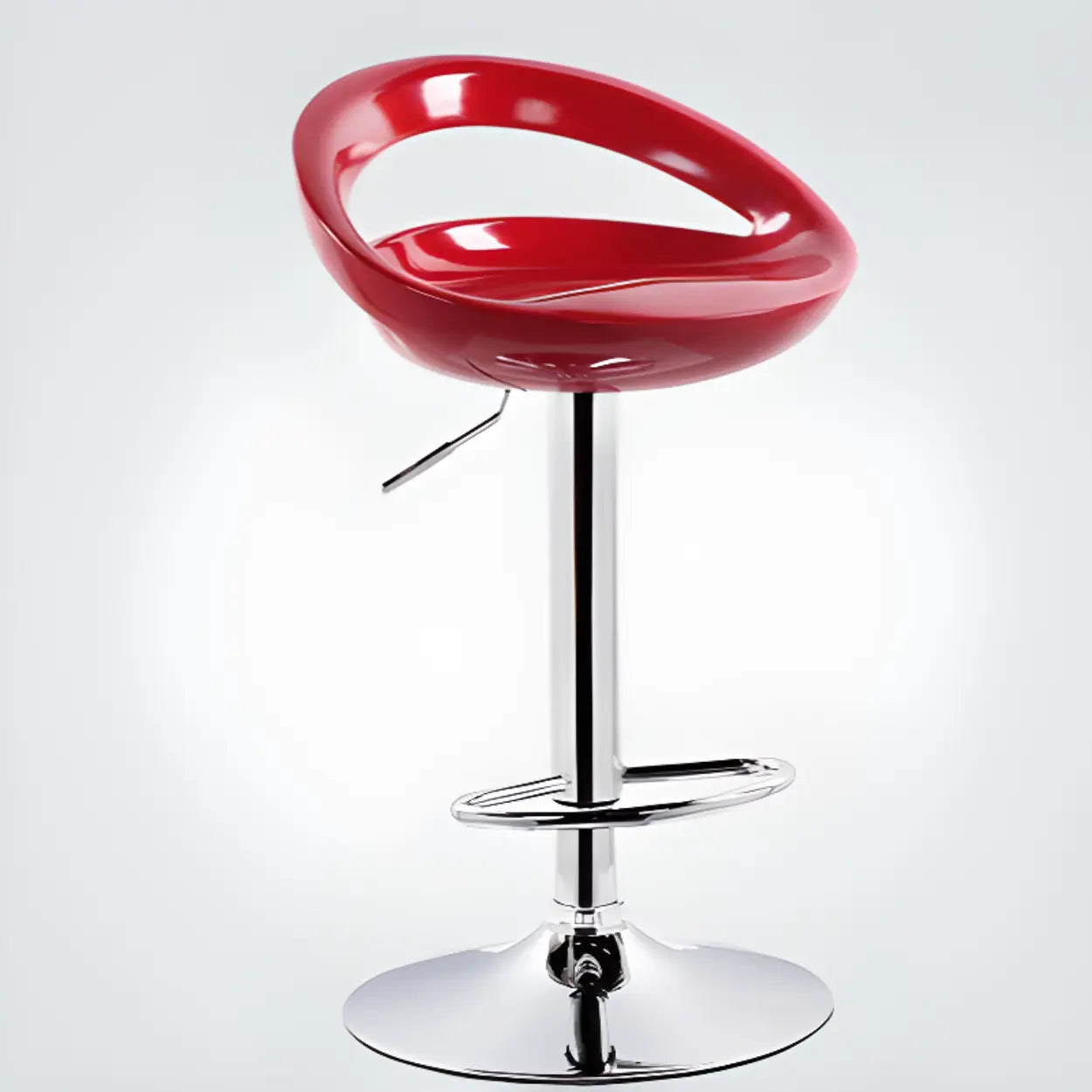
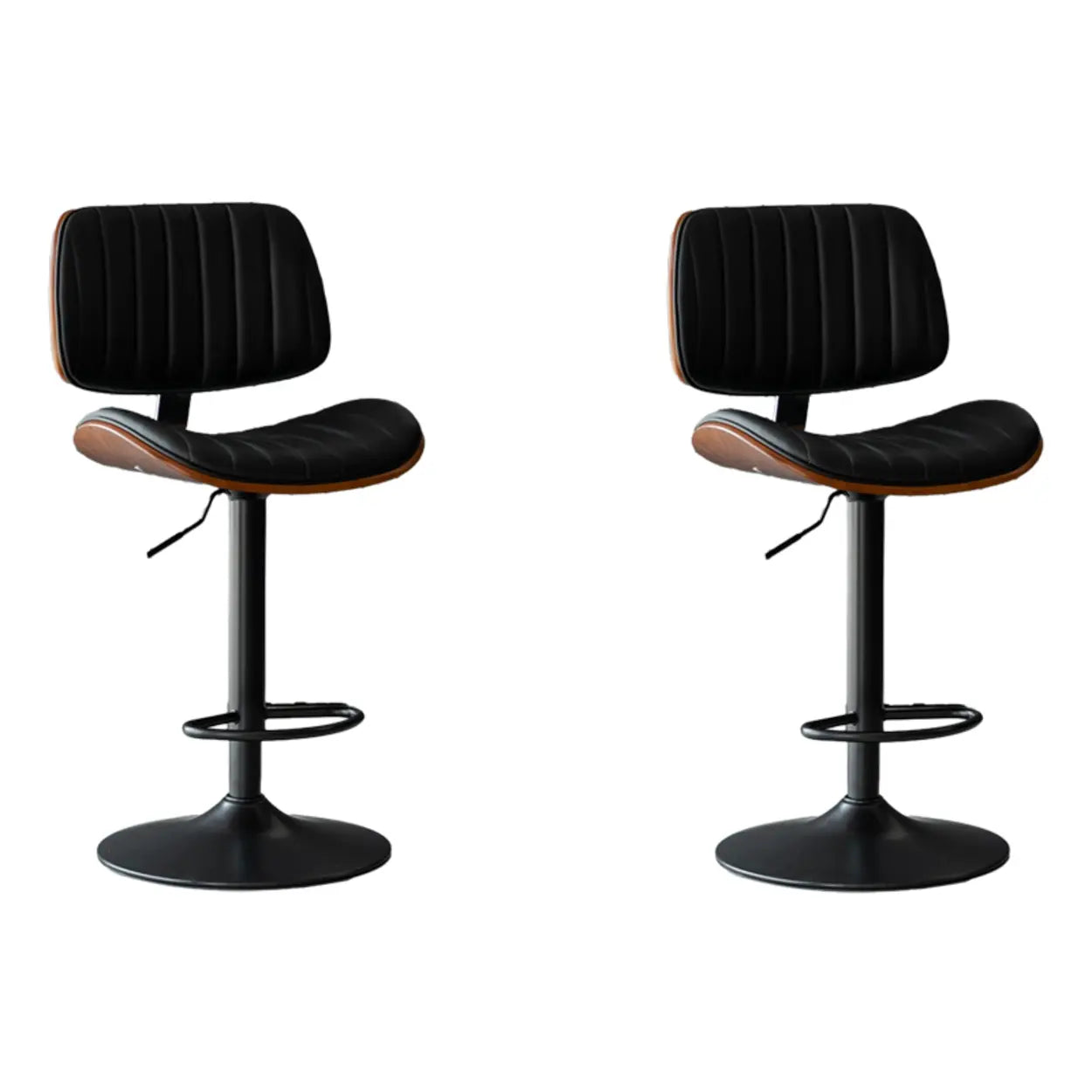
Swivel Adjustable Height Modern Ergonomic Backrest Bar Stool
A strong choice when support and flexibility matter. The curved backrest, cushioned seat, adjustable height, and swivel design suit multipurpose kitchen counters and social seating.
View This Backrest Stool
Round Wood Backless Metal Four Legs Counter Bar Stool
A practical option when open space and easy movement are priorities. Its backless silhouette can fit beneath a counter, while the footrest and adjustable swivel design add everyday function.
View This Backless StoolFinal Buying Checklist: Backrest or Backless?
Before choosing your stools, answer these questions:
- Sitting time: Will people sit for five minutes or an entire meal?
- Primary use: Is the counter for breakfast, work, homework, entertaining, or occasional guests?
- Support: Does the main user prefer a high back, low back, arms, or an open seat?
- Height: Does the seat leave approximately 9 to 12 inches below the counter?
- Feet: Is the footrest easy to reach?
- Space: Can users sit, swivel, and walk behind the stool comfortably?
- Width: Is there enough room between stools for shoulders and elbows?
- Maintenance: Does the material fit your household’s cleaning needs?
For frequent, longer sitting, a supportive bar stool with a back is usually the more comfortable purchase. For quick seating and compact rooms, a backless or low-back stool may create a better overall fit. Measure the counter, consider the real daily routine, and choose the design that supports both the sitter and the surrounding space.
FAQ: Bar Stools With Backs vs Backless Stools
Are bar stools with backs more comfortable than backless stools?
Usually, yes. A backrest lets the sitter lean back, change position, and reduce continuous effort through the torso. This makes stools with backs better for meals, work, homework, and long conversations. Backless stools remain comfortable for shorter sitting periods and can be better in tight spaces.
Are backless bar stools bad for your back?
Backless stools are not automatically bad, but they provide no surface to lean against. During longer sitting, users must maintain balance actively and may become tired sooner. Correct seat height, a supportive seat shape, and an accessible footrest can improve the experience.
Is a low-back bar stool comfortable?
A low-back stool can be very comfortable when it supports the pelvis or lower back without pushing the body forward. It is often a good compromise between a full dining-chair-style back and a completely backless stool, particularly in smaller kitchens.
What is the most comfortable type of bar stool for long sitting?
For longer sitting, look for a stable stool with a supportive mid or high back, a properly sized seat, firm cushioning, a reachable footrest, and the correct seat height. Swivel movement and arms may add convenience, but only when there is enough clearance around the counter.
Should kitchen island stools have backs?
Kitchen island stools should usually have backs when the island is used for full meals, schoolwork, laptop use, or frequent entertaining. Backless stools may be better when the island is used briefly or when stools must tuck completely underneath to preserve a walkway.
Do bar stool backs need to be higher than the counter?
No. Low-back stools may stay close to counter height, while mid and high backs extend above it. The right choice depends on desired support and visual scale. Check overall stool height and depth so the back does not interfere with nearby surfaces or circulation.
Are padded bar stools always more comfortable?
Padding can reduce pressure, but more padding is not always better. A supportive seat shape with firm cushioning may remain comfortable longer than a very soft cushion that collapses. Seat width, depth, edge shape, and foot support are equally important.
How much space should be between bar stools?
A useful starting point is about 24 inches of counter width per compact armless stool, measured center to center. Wider seats, arms, swivel movement, and larger users may require additional spacing. The goal is enough room for shoulders, elbows, and easy entry.
How much legroom should a bar stool have?
Allow roughly 9 to 12 inches between the top of the seat and the underside of the counter as a starting range. Thick counter aprons and individual body proportions can change the requirement, so measure the exact usable clearance before buying.
What is the best bar stool for a small kitchen?
A backless, low-back, or foldable stool is often the best fit for a small kitchen because it reduces visual bulk and can tuck under the counter. Choose a model with a stable frame, usable footrest, and a seat wide enough for the intended users.